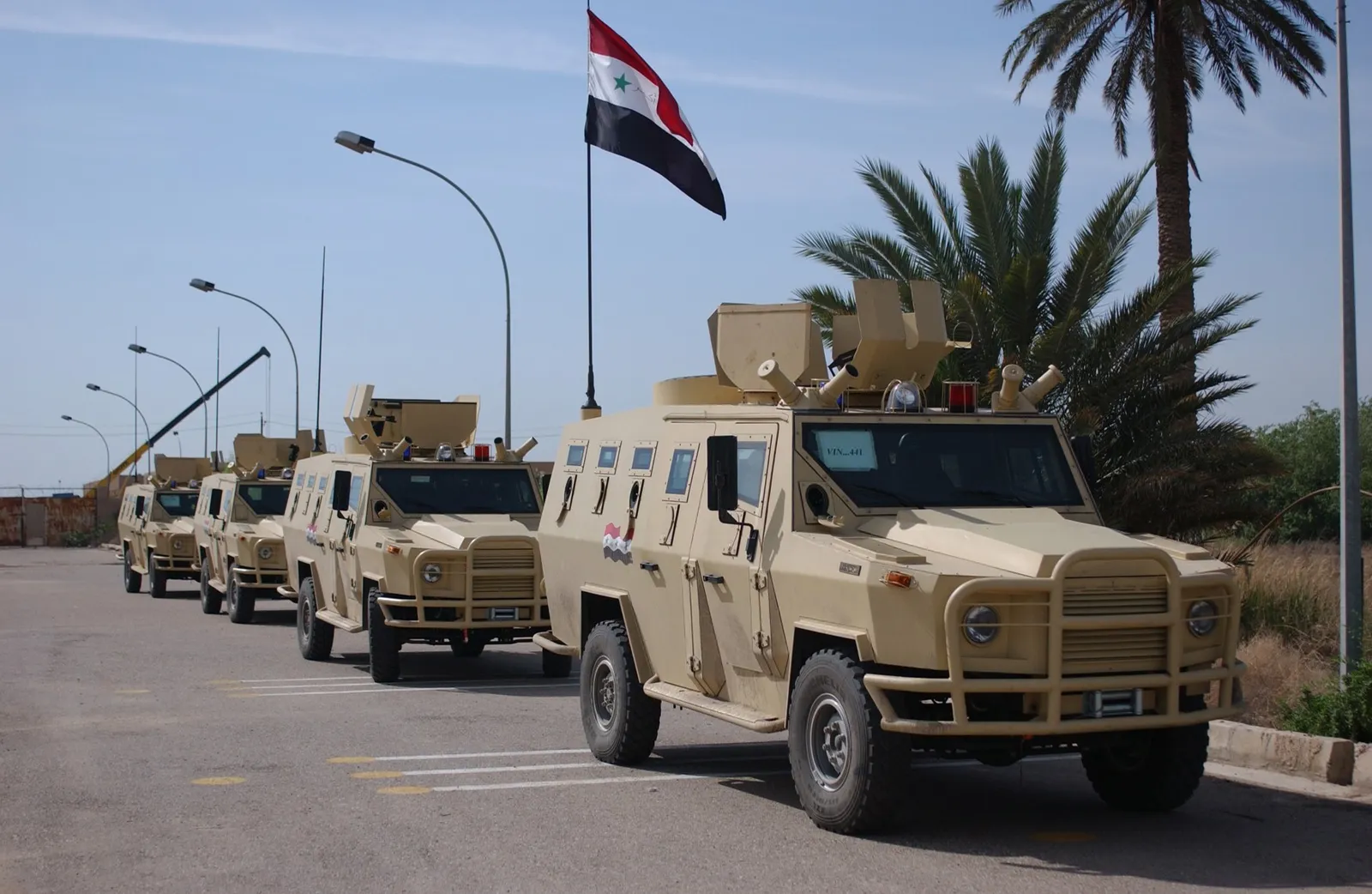

Iraqi 6th Division military police received Dzik-3 armored personnel carriers in 2006 after Iraq's Ministry of Defense bought 600 Polish vehicles and began training units to use them for patrol and tactical operations in Baghdad.
Role detailsArmored Vehicles
Dzik
Also known as
- AMZ Dzik
- Dzik-2
- Dzik-3
- Ain Jaria-1
- Ain Jaria 1
- Gucio
- Dzik 2
- Dzik 3
- Ain Jaria
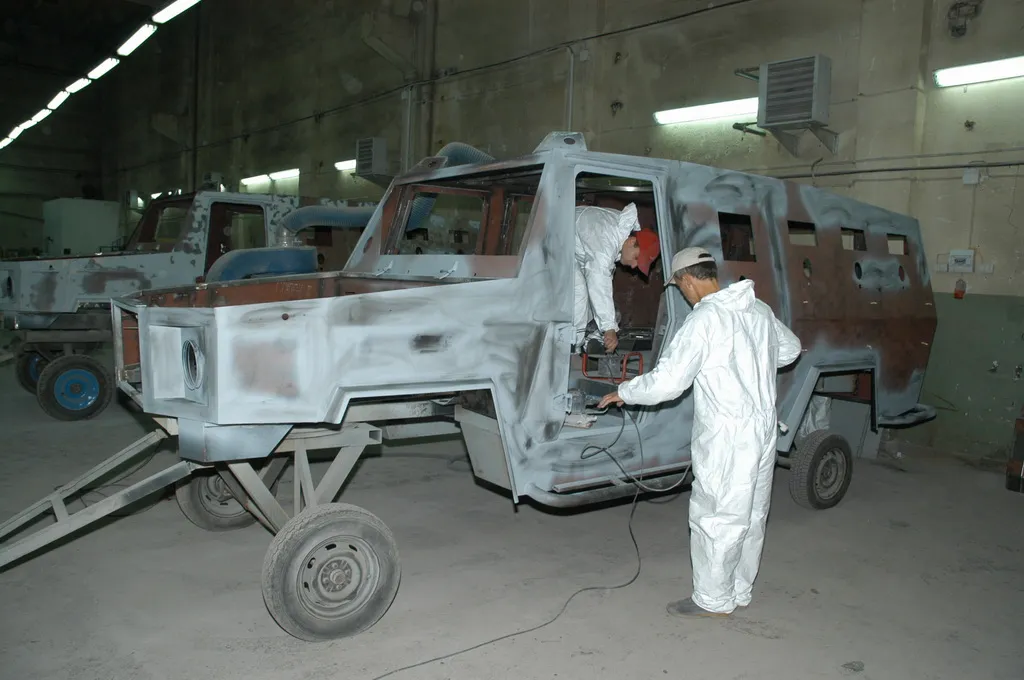
The Dzik is a Polish 4x4 armored patrol and infantry mobility vehicle family built by AMZ-Kutno for police, military-police, and light APC duties. Iraqi Dzik-3 vehicles, locally known as Ain Jaria-1, entered Iraqi security-force service during the 2003 Iraq War and were later documented among Islamic State-captured or destroyed Iraqi equipment in the 2013 War in Iraq. Polish Dzik-2 vehicles were supplied to Ukraine during the 2022 full-scale phase of the 2014 Russia-Ukraine War, where open-source loss trackers later documented destroyed and captured examples.
Role in Conflicts

Oryx listed six Dzik-3 Ain Jaria-1 vehicles among Islamic State-captured or destroyed equipment inside Iraq by November 2014, and Long War Journal separately identified what appeared to be an AMZ Dzik among destroyed Iraqi vehicles at an Islamic State-held base north of Ramadi.
- Side
- Ukraine

Defense Express reported in May 2022 that Ukrainian special operations forces had received Polish Dzik armored vehicles; Oryx later listed 19 AMZ Dzik-2 vehicles supplied to Ukraine in May 2022 and separately documented two Ukrainian Dzik-2 losses, one destroyed and one damaged and captured.
Role detailsProfile / Specs
Profile
- Origin
- Poland
- Built by
- AMZ-Kutno
- Type
- 4x4 armored patrol and infantry mobility vehicle
- Service note
- Introduced in the mid-2000s and documented in Iraqi and Ukrainian service
- Designer
- AMZ-Kutno
- Designed
- Developed from 2003 as a private AMZ-Kutno project
- Produced
- 2004 onward
- Number built
- Iraq ordered 600 Dzik-3/Ain Jaria-1 vehicles; total Dzik-family production across Polish, Iraqi, and other users is not publicly resolved.
Specifications
- Layout
- 4x4 armored patrol and infantry mobility vehicle on a SCAM SM62 all-terrain chassis
- Crew and passengers
- Dzik-AT and Dzik-2 are described around eight occupants depending on configuration; Dzik-3/Ain Jaria-1 is described in U.S. military reporting with an 11-person fit and by variant summaries as the larger Iraqi APC configuration.
- Combat weight
- Reported figures vary by variant and source: DVIDS described Iraqi Dzik-3s as 4.5-ton vehicles, while Army Guide lists 6,200 kg for Dzik-2.
- Dimensions
- Dzik-2 listed at 5.74 m long, 2.05 m wide, and 2.25 m high in Army Guide; other variant summaries report small height and body differences across Dzik-AT, Dzik-2, Dzik-3, and cargo configurations.
- Engine and mobility
- Iveco Aifo/SOFIM 8140.43N diesel family, 107 kW / 146 hp; reported road speed about 100 km/h, with road range reported as 550 km in Army Guide for Dzik-2 and 800 km in other Dzik-family summaries.
- Protection
- Welded armored body with bulletproof glass, run-flat tires, smoke grenade launchers, and protection described against 7.62 mm small-arms fire and shell splinters
- Armament
- Roof machine-gun position; sources report 7.62 mm PK/UKM-2000 family weapons and optional 12.7 mm heavy machine guns
Design Notes
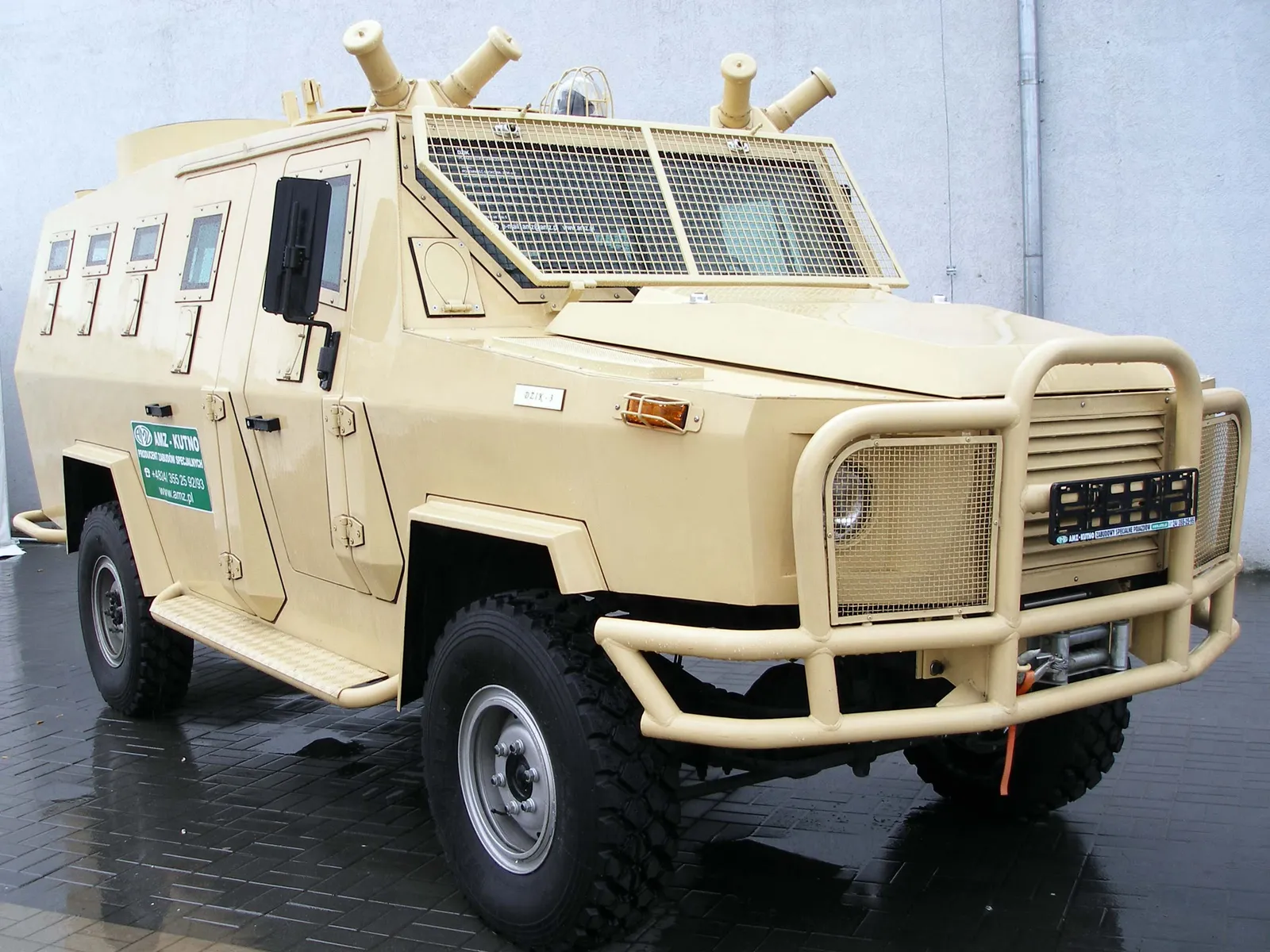
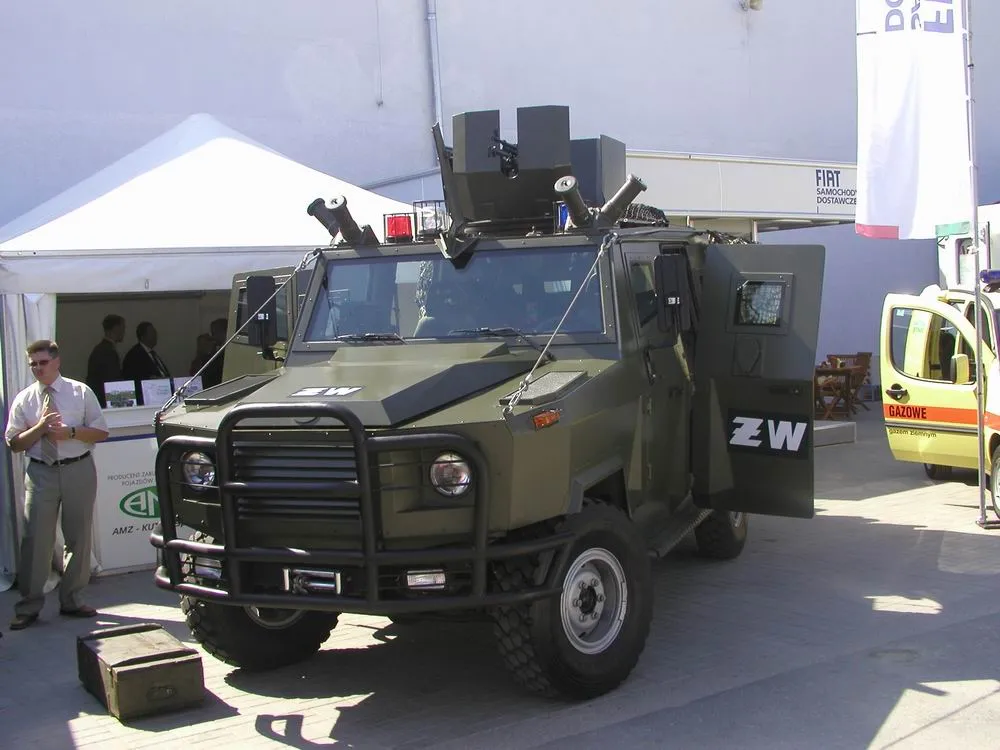
Dzik sits between a light utility vehicle and a heavier armored personnel carrier. Army Guide describes the family as using an Italian SCAM SM62 4x4 all-terrain chassis with a fully armored body, front powerpack, central driver and commander positions, and rear troop space. Defense Express separately describes welded steel armor, bulletproof visors in the doors, firing loopholes, run-flat tires, smoke launchers, air conditioning, and equipment stowage.
Protection focus
Small-arms and splinter protection for patrol, military-police, and internal-security missions rather than heavy mechanized combat.
Typical armament
Roof-mounted machine gun options reported in open sources include 7.62 mm weapons and 12.7 mm heavy machine guns, depending on configuration.
Source limit
Public sources are strong on Iraqi orders, broad specifications, and Ukrainian delivery evidence, but do not resolve total production or the exact Ukrainian delivery count.
Variants
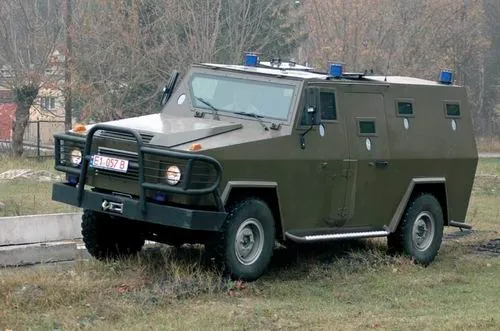
Open sources describe Dzik as a small family on a shared 4x4 armored chassis, with Dzik-2 for Polish military-police use and Dzik-3 adapted for Iraqi service.
| Variant | Configuration | Designation notes |
|---|---|---|
| Dzik-AT | Anti-terrorist configuration | Reported as a three-door anti-terrorist variant with seating for up to eight people and ten firing ports. |
| Dzik-2 | Military-police patrol vehicle | Army Guide describes Dzik-2 as the Polish military-police version with deliveries beginning in late 2005; Defense Express notes the Polish Military Police nickname Gucio. Sources: Army Guide Dzik 2, Defense Express Ukrainian Dzik Delivery |
| Dzik-3 | Iraqi Army APC and internal-security variant | Army Guide and the DVIDS/War.gov report identify Dzik-3/Ain Jaria-1 as the Iraq-focused variant supplied under a 600-vehicle order; open sources vary on exact seating and weight figures, so variant-specific specifications should be read cautiously. Sources: Army Guide Dzik 2, DVIDS Iraq Dzik Training |
| Dzik Cargo | Cargo configuration | Defense Express describes Dzik Cargo as a two-door cargo version with two firing ports and a three-person crew compartment. |
Timeline
Dzik Key Events
Dzik family development begins
Army Guide describes the Dzik APC family as a private AMZ-Kutno project developed from 2003 for Polish and export customers.
Sources: Army Guide Dzik 2
First Polish trial vehicles delivered
The first two Dzik production vehicles were delivered to the Polish Army for trials late in 2004, according to Army Guide.
Sources: Army Guide Dzik 2
Iraq order anchors Dzik-3 production
Army Guide reports that AMZ-Kutno received a contract to supply Dzik-3 vehicles to Iraq, with the first 600 vehicles supplied from 2005 under a roughly USD100 million order.
Sources: Army Guide Dzik 2
Iraqi Dzik training begins
Iraq's Ministry of Defense began a Dzik training course in March 2006 after purchasing 600 vehicles, with Iraqi 6th Division military-police crews receiving early vehicles for Baghdad patrol work.
Sources: DVIDS Iraq Dzik Training
Dzik vehicles reported with Ukrainian forces
Defense Express reported that Ukrainian special operations forces had received Polish Dzik armored vehicles, while noting that the delivery quantity was not disclosed.
Sources: Defense Express Ukrainian Dzik Delivery
Related Weapon Systems


Sources
AMZ-Kutno Dzik ProductPublisher: AMZ-Kutno | Note: Supports Dzik as an AMZ-Kutno armoured military-vehicle product and supports AMZ-Kutno manufacturer attribution. | Accessed: 2026-07-13AMZ-Kutno HistoryPublisher: AMZ-Kutno | Note: Supports AMZ-Kutno's special-purpose vehicle manufacturing identity, 1999 establishment, Kutno location, and 2005 armored military vehicle production context. | Accessed: 2026-07-13Polish Defence Companies Portal AMZ KutnoPublisher: Defense Sector Entrepreneur Portal | Note: Supports AMZ-Kutno's Kutno address, private Polish-capital status, armored-vehicle product category, Dzik listing, and military armored vehicle manufacturing identity. | Accessed: 2026-07-13Army Guide Dzik 2Publisher: Army Guide | Note: Supports Dzik family development from 2003, AMZ-Kutno manufacturer attribution, Dzik-2 specifications, Dzik-2 Polish deliveries, Dzik-3/Iraq order context, SCAM SM62 chassis, armor layout, equipment, and variant distinctions. | Accessed: 2026-07-13DVIDS Iraq Dzik TrainingPublisher: DVIDS / War.gov | Note: Supports 2003 Iraq War direct conflict use: Iraqi 6th Division military police received Dzik-3 armored personnel carriers in 2006 after Iraq's Ministry of Defense bought 600 Polish vehicles and began training units for patrol and tactical operations in Baghdad. | Accessed: 2026-07-13Oryx Islamic State Captured Equipment ListPublisher: Oryx | Note: Supports 2013 War in Iraq direct conflict use: Oryx listed six Dzik-3 Ain Jaria-1 vehicles among Islamic State-captured or destroyed equipment inside Iraq by November 2014, based on photo or video evidence. | Accessed: 2026-07-13Long War Journal Ramadi Islamic State PhotosPublisher: FDD's Long War Journal | Note: Supports 2013 War in Iraq direct conflict use: Long War Journal identified what appeared to be an AMZ Dzik among destroyed Iraqi vehicles at Albu Aytha near Ramadi in Islamic State photo releases. | Accessed: 2026-07-13Defense Express Ukrainian Dzik DeliveryPublisher: Defense Express | Note: Supports 2014 Russia-Ukraine War direct conflict use: Ukrainian special operations forces received Polish-made Dzik armored vehicles in 2022, with the delivery quantity not publicly disclosed; also supports general Dzik design, protection, armament, Ukrainian/Iraqi operator context, and variant notes. | Accessed: 2026-07-13Wikimedia Commons Dzik-3 ImagePublisher: Wikimedia Commons | Note: Supports image provenance for the public-domain U.S. military photograph of Iraqi Dzik-3 vehicles by Sgt. Kristin Kemplin. | Accessed: 2026-07-13Wikimedia Commons Dzik-3-01 ImagePublisher: Wikimedia Commons | Note: Supports gallery provenance for a Dzik-3 image licensed on Commons. | Accessed: 2026-07-13Wikimedia Commons Dzik2 P1010026 ImagePublisher: Wikimedia Commons | Note: Supports gallery provenance for a Dzik-2 image sourced to the Polish Ministry of National Defence. | Accessed: 2026-07-13Wikimedia Commons AMZ Dzik Armored Car ImagePublisher: Wikimedia Commons | Note: Supports gallery provenance for an AMZ Dzik armored car image attributed to the Polish Ministry of National Defence. | Accessed: 2026-07-13Wikimedia Commons AMZ Dzik-3 Visit ImagePublisher: Wikimedia Commons | Note: Supports gallery provenance for a Polish Ministry of National Defence image from an AMZ Kutno visit. | Accessed: 2026-07-13Oryx Ukraine Heavy Weaponry SuppliedPublisher: Oryx | Note: Supports 2014 Russia-Ukraine War direct conflict use: Oryx listed 19 AMZ Dzik-2 infantry mobility vehicles supplied to Ukraine in May 2022, while noting its Ukraine aid inventory is a lower bound for disclosed or uncovered deliveries. | Accessed: 2026-07-13Oryx Ukrainian Equipment LossesPublisher: Oryx | Note: Supports 2014 Russia-Ukraine War direct conflict use: Oryx listed two Ukrainian AMZ Dzik-2 losses during the Russian invasion of Ukraine, one destroyed and one damaged and captured, based on visual evidence. | Accessed: 2026-07-13