Munitions

Cluster munition

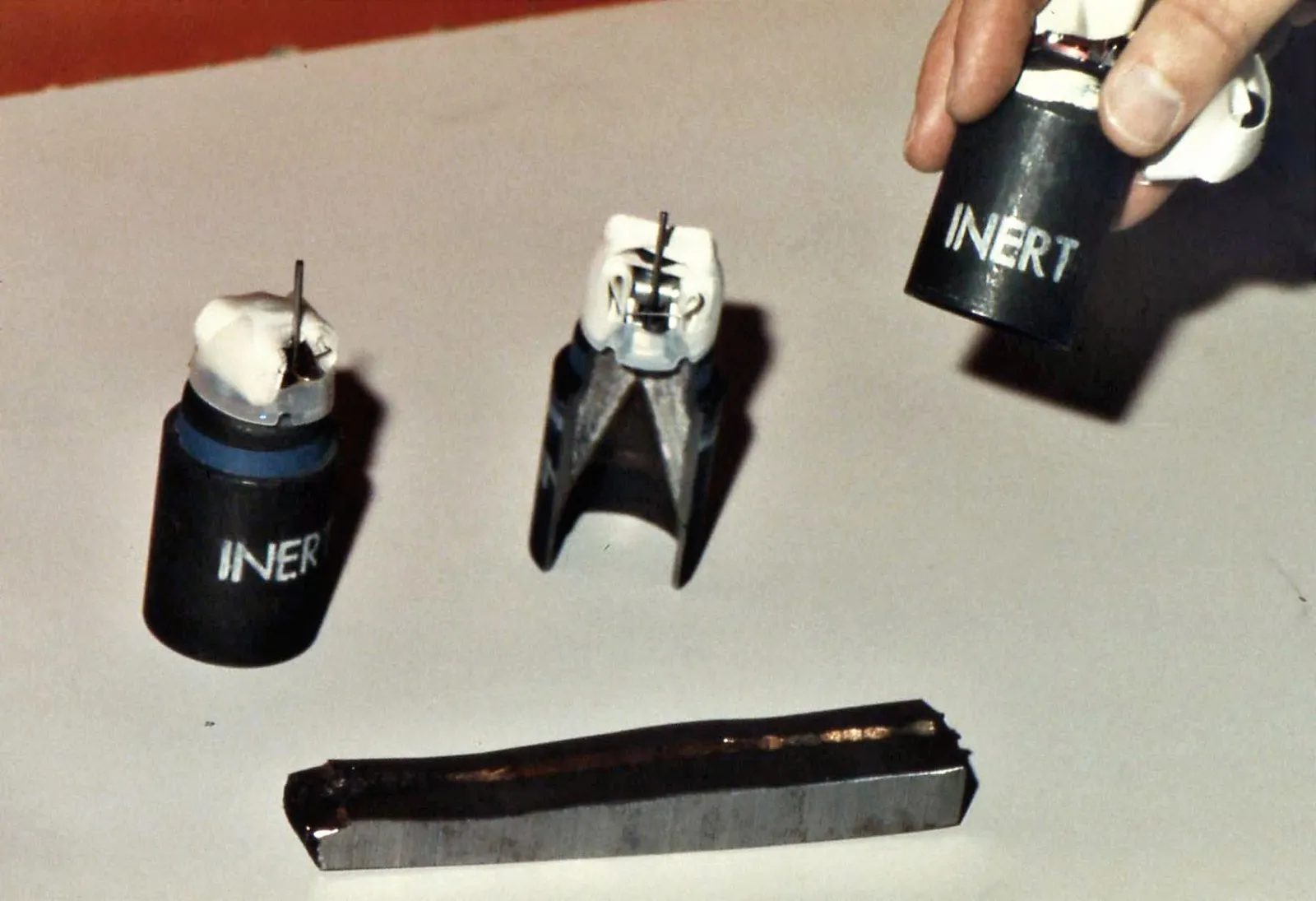
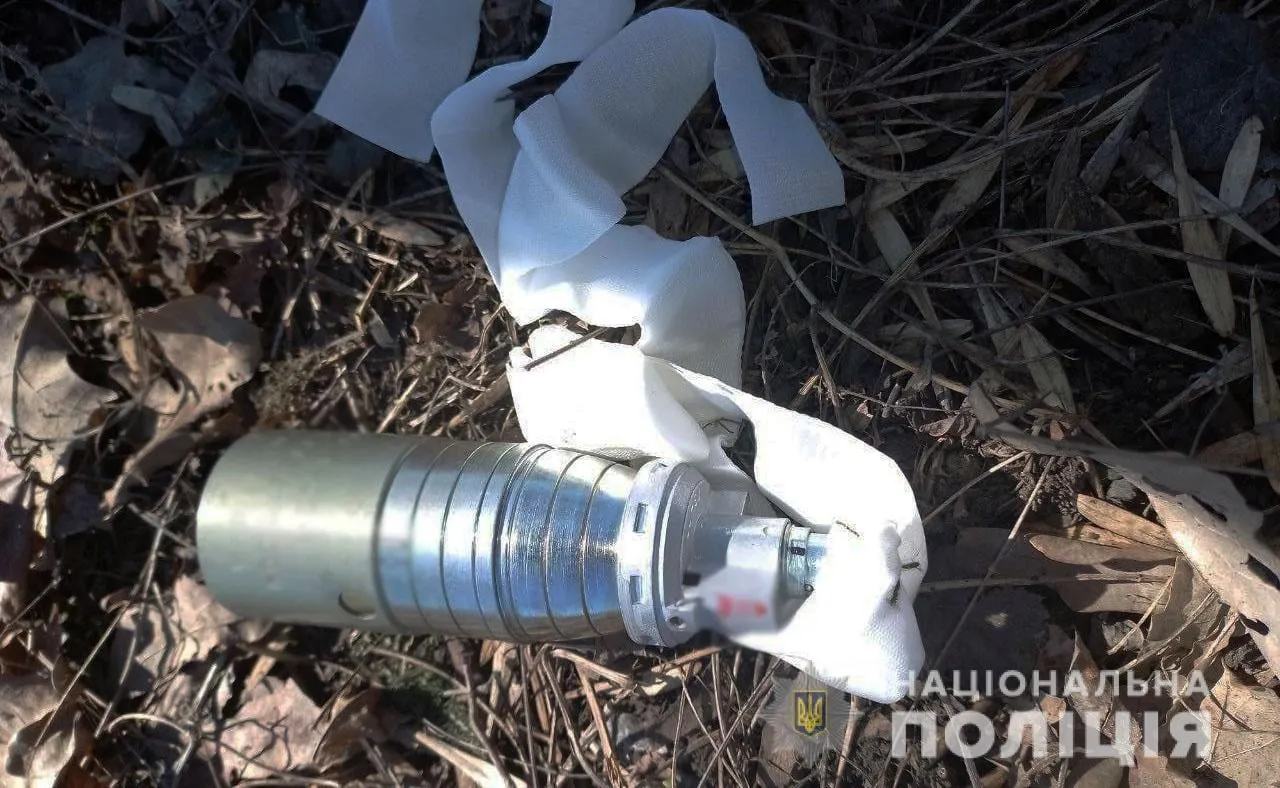
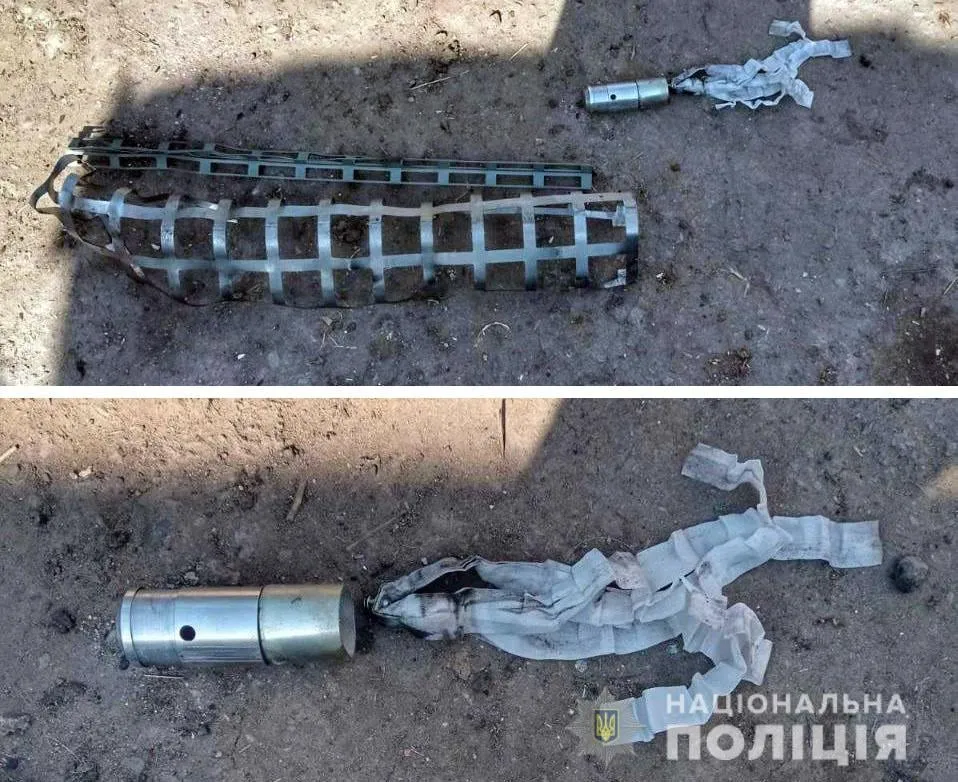
Cluster munitions are weapons that disperse multiple explosive submunitions over a wide area. Their battlefield appeal is area coverage against troops, vehicles, or airfields, but their persistence and unexploded submunitions have made them a leading cluster-munitions-ban concern in Libya and Yemen.

Conflict side
Libyan National ArmyYemeni government and coalition forces
Built by
Multiple manufacturers
Built in
Multiple countries

Profile

Type
Area-effect bomb or rocket payload
Origin
Multiple countries
Service note
20th century-present

Service History

In service
Used across air-delivered and ground-delivered munition families by multiple states and forces.
Used by
Multiple armed forces
Wars
Libyan Civil War (2014-2020), Yemeni Civil War

Production History

Designer
Multiple designers
Designed
1920s-present
Built by
Multiple manufacturers
Built in
Multiple countries
Unit cost
Varies widely by carrier and submunition type
Produced
20th century-present
Number built
Not publicly consolidated
Variants
Air-dropped bombs, Artillery shells, Rocket warheads

Specifications

Payload
Contains multiple submunitions or bomblets rather than a single warhead
Delivery
Delivered by aircraft, rockets, artillery, or missiles depending on the model
Effect
Wide-area fragmentation or anti-armor attack with post-strike unexploded-ordnance risk

Conflict Usage

Libyan Civil War (2014-2020)
Side: Libyan National ArmyRole: Area-denial air-delivered strike munitionstrike

In the Libyan Civil War (2014-2020), Human Rights Watch documented banned cluster munitions used by the Libyan National Army and affiliated foreign forces in Tripoli's southern suburbs in 2019-2020.

Yemeni Civil War
Side: Yemeni government and coalition forcesRole: Air-delivered strike munitionstrikeclose air support

In the Yemeni Civil War, Human Rights Watch documented cluster bombs used by the Saudi-led coalition, including strikes in Sanaa and other areas during 2015.

Cluster munition Images

Related Weapon Systems

Sources