- Side
- Iran

During the 2025 Israel-Iran Conflict, Amnesty International and Israeli reporting documented Iranian ballistic missiles whose cluster-munition warheads dispersed submunitions over populated areas in Israel.
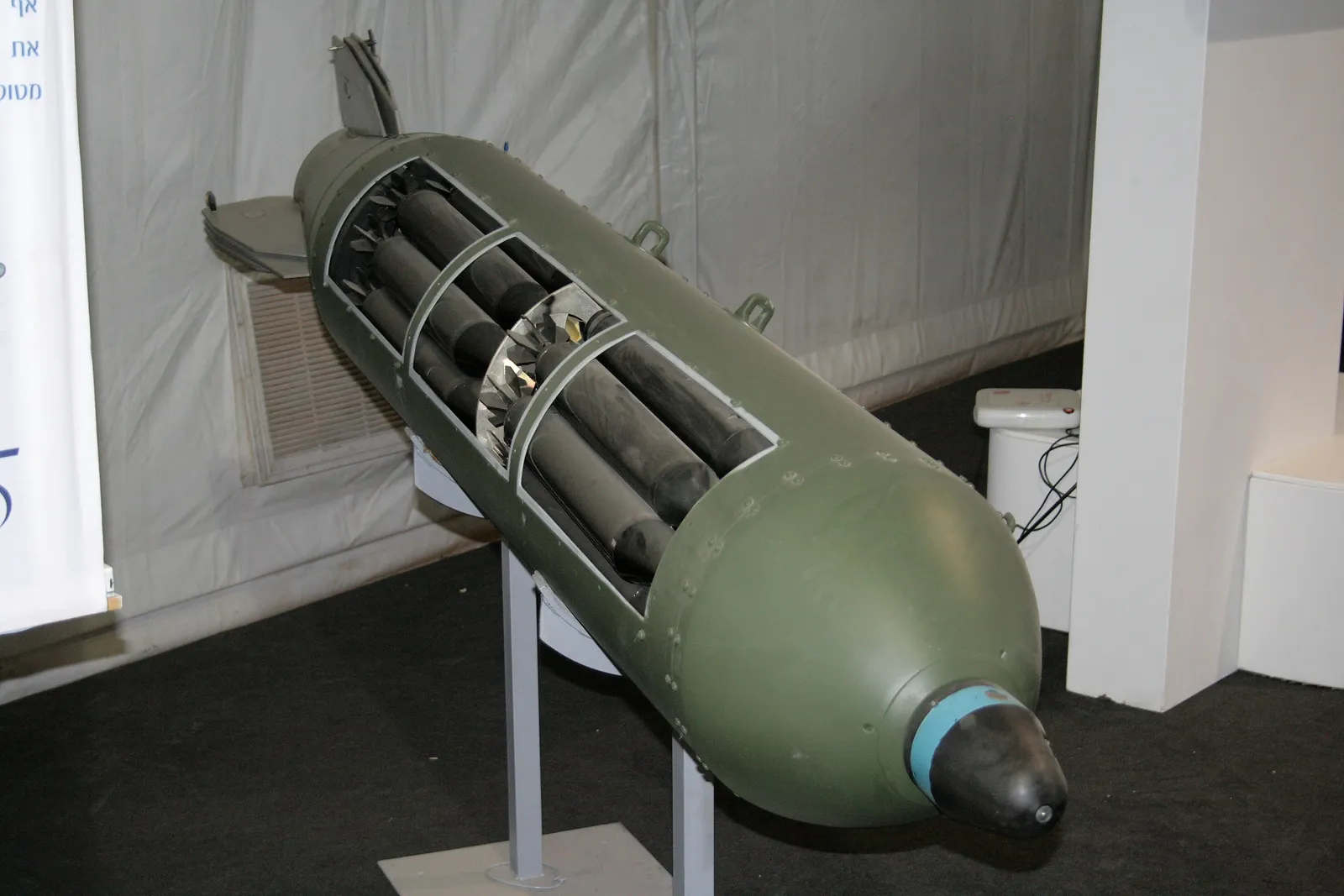
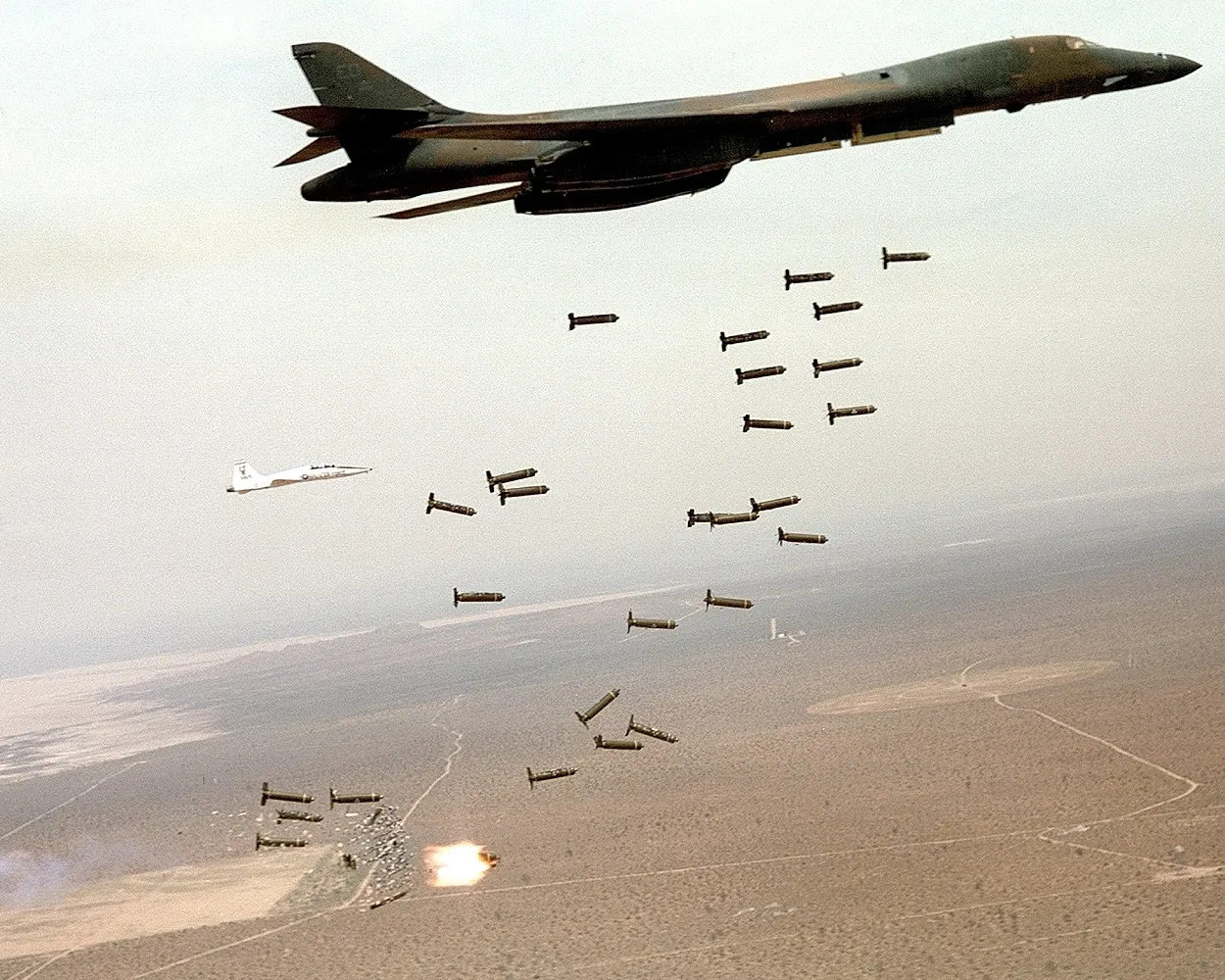
Role detailsCluster-munition warheads are missile payloads that open in flight and disperse multiple submunitions over a wide area instead of delivering a single unitary blast. Iranian ballistic-missile use of the payload was reported during the 2025 Israel-Iran Conflict and again in the 2026 Iran War, where monitors emphasized both the wide-area effect and the uncertainty around exact missile models.
During the 2025 Israel-Iran Conflict, Amnesty International and Israeli reporting documented Iranian ballistic missiles whose cluster-munition warheads dispersed submunitions over populated areas in Israel.
Role detailsDuring the 2026 Iran War, Human Rights Watch and Cluster Munition Monitor reported repeated Iranian ballistic-missile attacks using cluster-munition warheads against Israel; public reporting did not identify the exact missile model used in each strike.
Open sources describe Iranian missile cluster-warhead payloads by function and submunition pattern more often than by a single public model designation.
| Variant | Configuration | Designation notes |
|---|---|---|
| Cluster-bomb warhead | High-altitude submunition-dispensing payload | Amnesty International and Cluster Munition Monitor describe Iranian ballistic-missile warheads that release explosive submunitions over a wide area. Sources: Amnesty Iran-Israel cluster munitions in 12 Day War, Cluster Munition Monitor Iran ban policy |
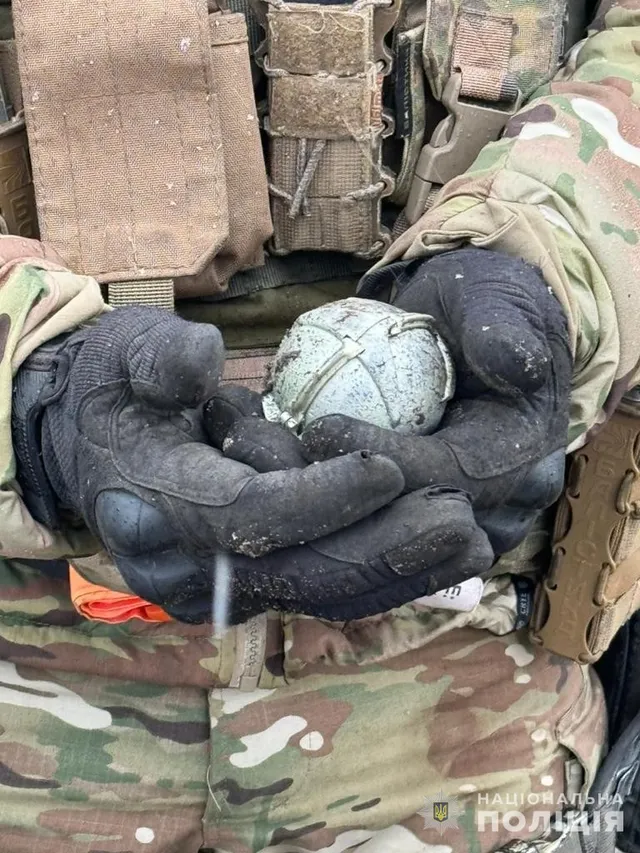
| Fragmenting submunition warhead | Bomblet payload | Associated reporting describes small explosive submunitions released from ballistic-missile warheads, with dud-risk and wide-area effects after dispersal. Sources: Israel says Iran is using cluster munitions. What to know about the weapons, HRW Iran unlawful cluster munition strikes on Israel |
Published references identify several Iranian ballistic-missile families as able, claimed, or assessed to carry submunition-style payloads. The exact missile model used in each reported 2025 and 2026 cluster-warhead incident remains uncertain.
| Carrier | Carrier type | Carriage evidence |
|---|---|---|
 | Ballistic-missile family | CSIS describes Khorramshahr as an Iranian medium-range ballistic missile whose claimed multiple-warhead capability most likely refers to a submunitions warhead. Sources: Khorramshahr | Missile Threat - CSIS |
 | Short-range ballistic missile | CSIS says Iran claims Zolfaghar can be fitted with a submunition warhead. |
 | Short-range ballistic missile | CSIS lists submunitions as a Qiam-1 warhead option, alongside high-explosive fragmentation. Sources: Qiam-1 | Missile Threat - CSIS |
 | Short-range ballistic missile | CSIS lists submunitions as a Fateh-110 warhead option and describes the missile as likely intended for high-explosive, chemical, or submunitions payloads. Sources: Fateh-110 | Missile Threat - CSIS |
The public record supports Iranian ballistic-missile delivery of cluster-munition warheads but does not identify one confirmed missile model for every reported incident.
AP, Amnesty International, Human Rights Watch, and Cluster Munition Monitor connect Iranian ballistic missiles with cluster or submunition warheads to attacks on Israel in 2025 and 2026.
CSIS documents submunition or multiple-warhead payload options across Iranian missile families including Khorramshahr, Zolfaghar, Qiam-1, and Fateh-110; those compatibility references are background unless tied to a specific strike by a direct conflict source.
CSIS says Iran announced the Zolfaghar ballistic missile in 2016 and claimed it could be fitted with a submunition warhead.
Sources: Zolfaghar (Dezful, Qasem) | Missile Threat - CSIS
Cluster Munition Monitor notes that Iran's 2023 Khorramshahr-4 unveiling suggested a payload carrying up to 80 submunitions.
Sources: Cluster Munition Monitor Iran ban policy
Amnesty International reported that Iranian forces fired ballistic missiles whose cluster-munition warheads dispersed submunitions in populated areas during the June 2025 conflict.
Sources: Amnesty Iran-Israel cluster munitions in 12 Day War
Human Rights Watch reported repeated Iranian ballistic-missile delivery of cluster munitions against Israel after the 2026 Iran War began.
Sources: HRW Iran unlawful cluster munition strikes on Israel