- Side
- United States and South Vietnam


GICHD describes the Mk 118 Rockeye as a dual-purpose anti-armor submunition first used during the Vietnam War, and Human Rights Watch separately notes large-scale Rockeye use in that war.
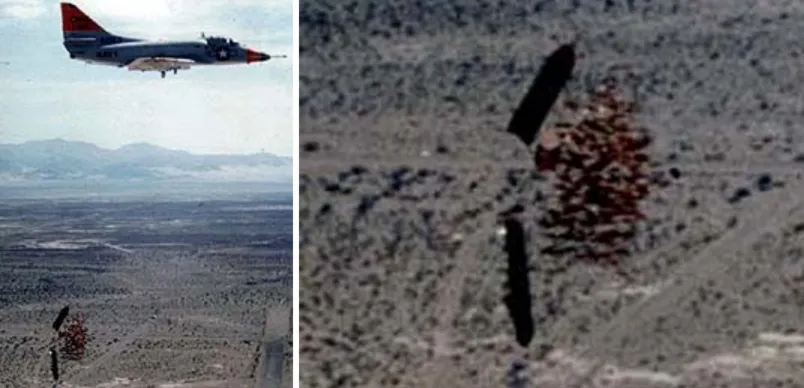
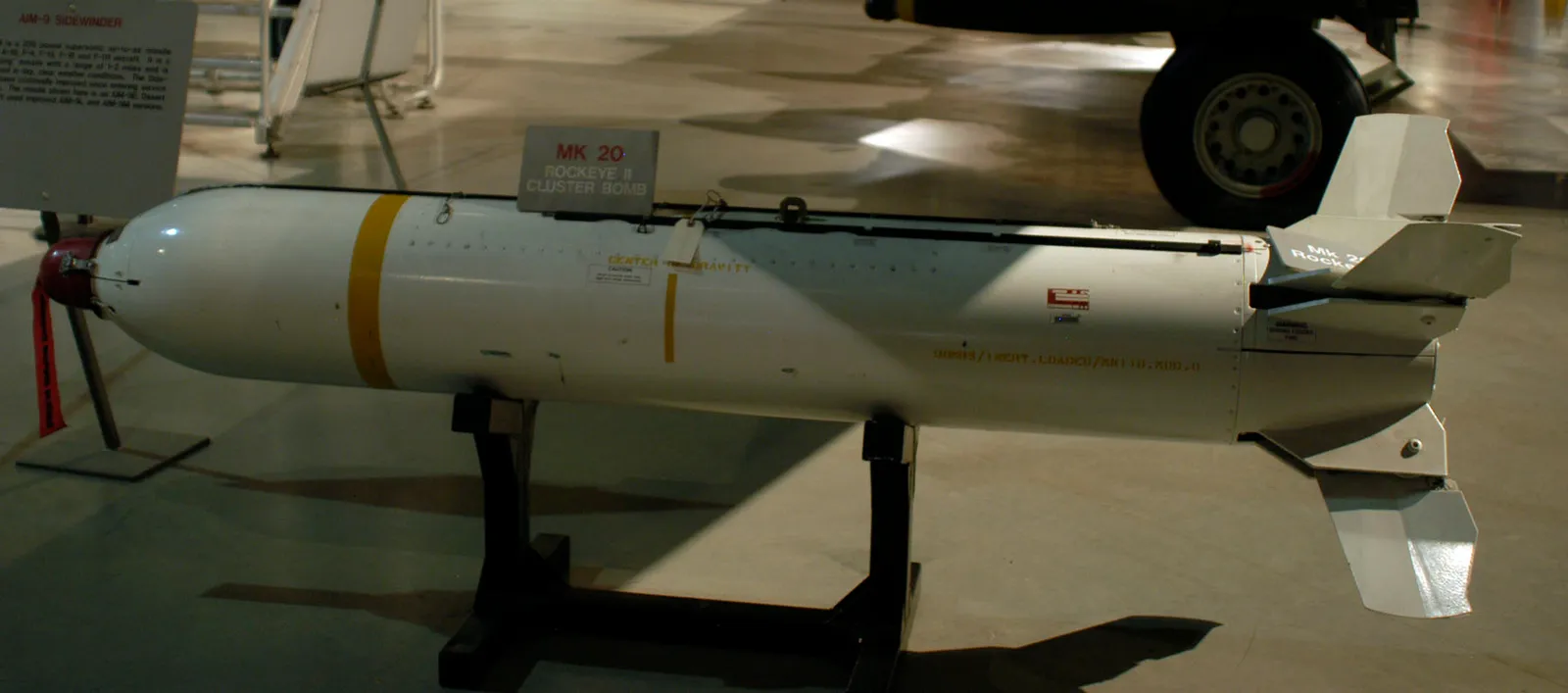
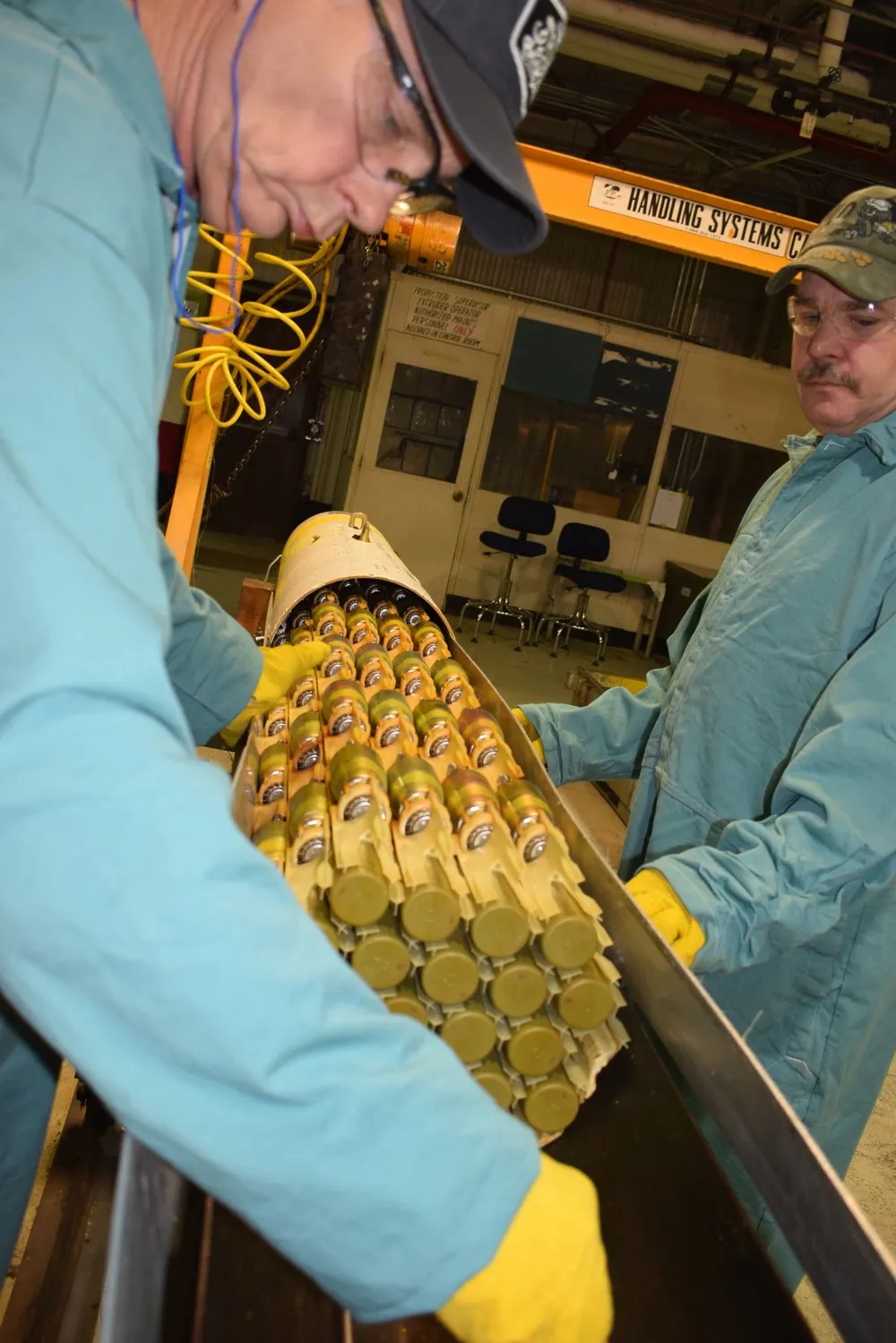
The Mk 118 Rockeye is a U.S. high-explosive anti-tank submunition carried in Rockeye-family cluster bombs, including Mk 20, CBU-99, and CBU-100 configurations that release 247 bomblets over an area target. Its shaped-charge warhead and folding fins made it an anti-armor bomblet, while failed functioning creates unexploded-ordnance hazards after a strike. The submunition is documented through Rockeye use in Vietnam, the Gulf War, Kosovo, the 2003 Iraq War, and North Sinai, where Amnesty International linked an unexploded Mk 118 to Egyptian Air Force cluster-munition use during Operation Sinai 2018.
GICHD describes the Mk 118 Rockeye as a dual-purpose anti-armor submunition first used during the Vietnam War, and Human Rights Watch separately notes large-scale Rockeye use in that war.
U.S. Marine Corps history lists 27,987 Mk-20 Rockeyes expended from 17 January to 28 February 1991, while Human Rights Watch identifies Rockeye CBU-99/CBU-100 bombs as carrying 247 Mk 118 submunitions and records M118/Rockeye duds cleared in Kuwait after the war.
Role detailsGICHD states that allied forces dropped BLU-97, BL755, and Mk 118 Rockeye submunitions on Kosovo in May and June 1999, and the U.S. Department of Defense after-action report lists Rockeye CBU-99 among Operation Allied Force direct-attack weapons.
Human Rights Watch reported that U.S. forces used 182 Vietnam-era CBU-99 Rockeye cluster bombs in the 2003 Iraq air war, each containing 247 Mk 118 submunitions.
Role detailsAmnesty International assessed Egyptian military footage released on 21 February 2018 as showing an unexploded US-made Mk 118 submunition recently deployed by Egyptian Air Force aircraft in North Sinai; The Monitor later summarized the allegation and additional Mk 118 remnants recovered in North Sinai.
The Mk 118 is documented as the bomblet load inside Rockeye-family cluster bombs rather than as a stand-alone air-dropped weapon.
| Carrier | Carrier type | Carriage evidence |
|---|---|---|
 | Air-dropped cluster bomb | Navy ordnance configuration tables list Mk 20, CBU-99, and CBU-100 Rockeye configurations with 247 Mk 118 bomblets; the catalog treats those service designations under the published Mk 20 Rockeye II family record. Sources: A Guide to Cluster Munitions, Navy Aviation Ordnanceman Bomb Cluster Configurations, Navy Aviation Ordnanceman Bombs, Fuzes, and Associated Components |
The Mk 118 was designed as the effect mechanism inside the Rockeye dispenser. After aircraft release, the dispenser fuze and case-opening charges scatter the bomblets; each Mk 118 then arms separately and uses a shaped-charge warhead against hard targets.
Mk 1 Mod 0 fuzing system, listed in Mk 20 Mod 2/3 and CBU-99/CBU-100 Rockeye configurations.
Mk 1 Mod 1 fuzing system, listed in Mk 20 Mod 4/6 Rockeye configurations.
The bomblet is described for armor and hard-target attack, with an impact sequence that initiates the shaped-charge warhead.
Cluster-munition guidance and Rockeye references place the Mk 118/Rockeye family in service from 1968 as an air-delivered anti-armor cluster munition.
Sources: A Guide to Cluster Munitions, MK-20 Rockeye - GlobalSecurity.org
Amnesty International analyzed Egyptian military footage released that day and identified an unexploded US-made Mk 118 submunition in North Sinai.
Sources: Egypt: Use of Banned Cluster Bombs in North Sinai Confirmed
Amnesty International publicly assessed the Mk 118 remnant as evidence of recent Egyptian Air Force cluster-munition use during Operation Sinai 2018.
Sources: Egypt: Use of Banned Cluster Bombs in North Sinai Confirmed