Munitions

Mk 20 Rockeye II cluster bomb

Also known as
  • Mk 20 Rockeye
  • MK-20 Rockeye
  • Rockeye II
  • Mk 118 Rockeye
  • Mk 20 Mod 3
  • Mk 20 Mod 4
  • Mk 20 Mod 6
  • CBU-99/B
  • CBU-99A/B
  • CBU-100/B
  • CBU-100A/B

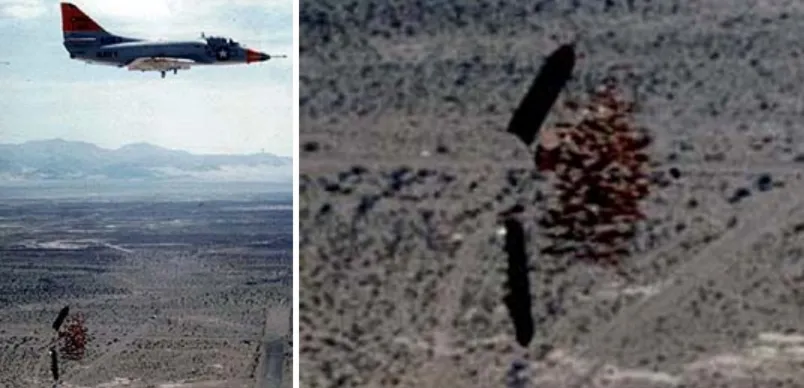
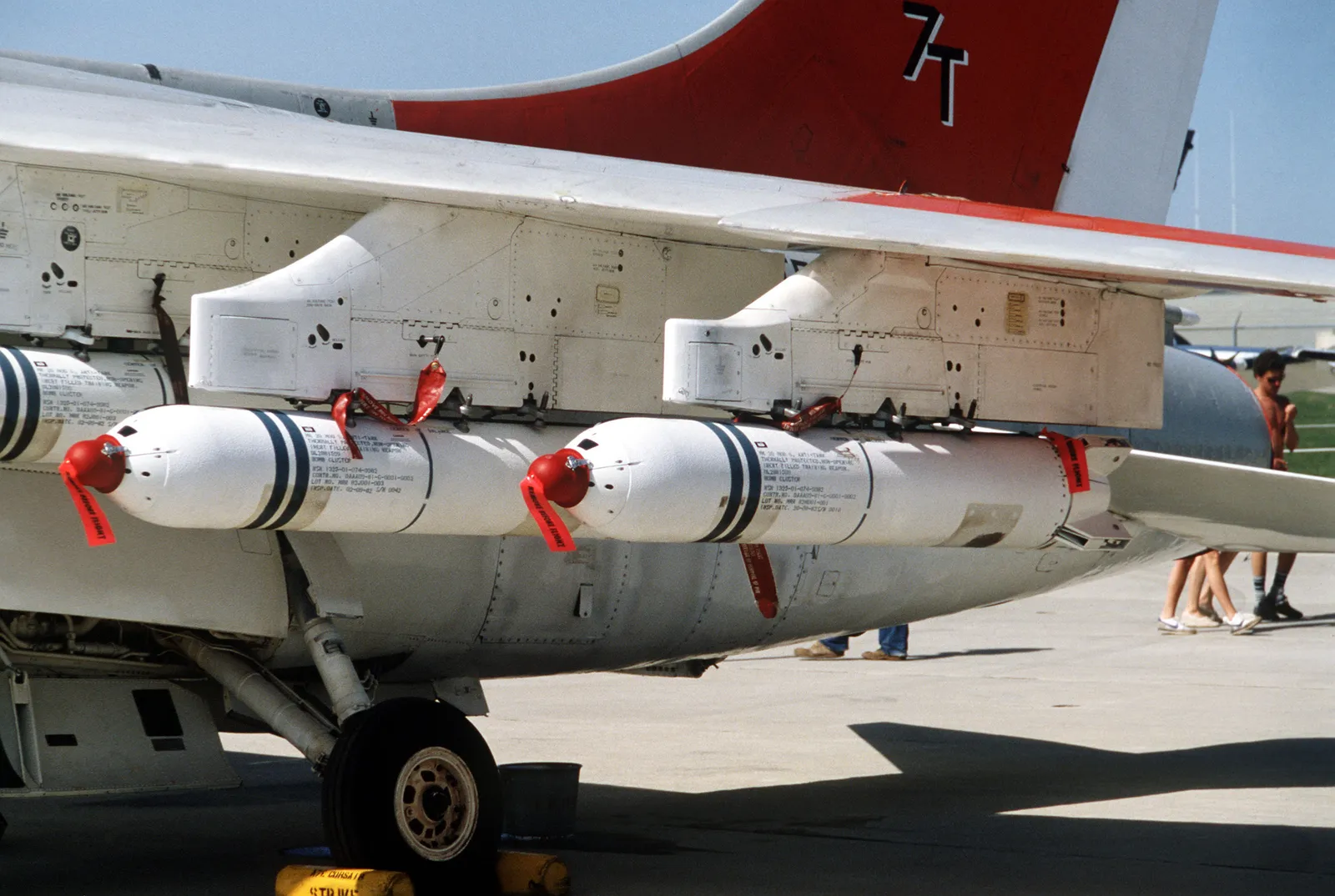
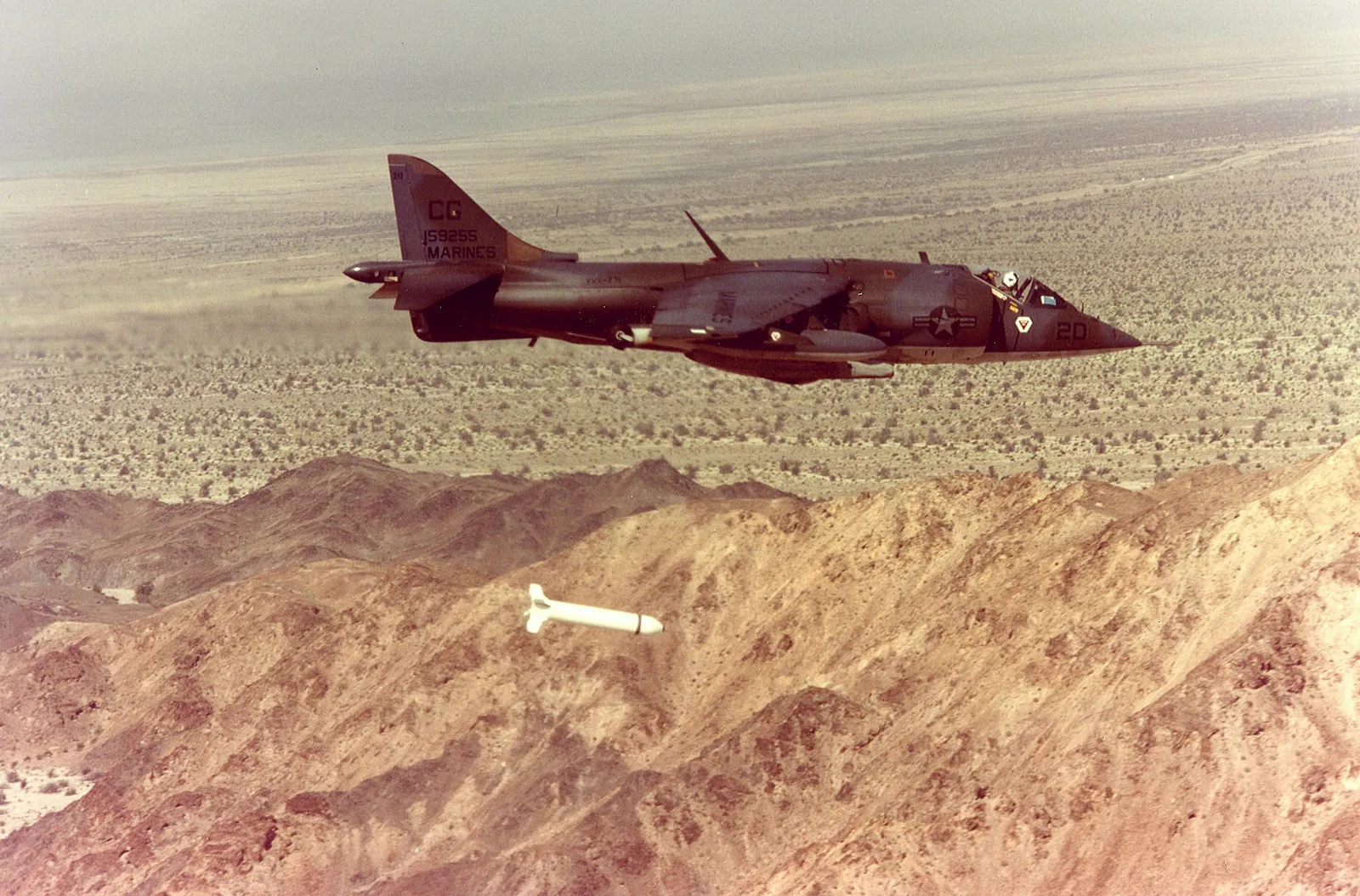
The Mk 20 Rockeye II is a U.S. free-fall cluster bomb built around a Mk 7 dispenser, a Mk 339 mechanical time fuze, and 247 Mk 118 shaped-charge bomblets. Fielded in 1968 for attacks on armored and area targets, the Rockeye family is directly documented in U.S. and NATO air operations from Vietnam through Desert Storm, the 1986 U.S.-Libya confrontations, and Operation Allied Force.

Role in Conflicts

Side
United States and South Vietnam
Role in conflict
Air-delivered anti-armor cluster munition

GICHD identifies Mk 118 Rockeye dual-purpose submunitions as having been used during the 1955 Vietnam War, aligning the Mk 20 family with late-war U.S. air-delivered cluster-munition use.

Role in conflict
Naval aviation strike munition

The Monitor's historical-use timeline records U.S. Navy aircraft using Mk-20 Rockeye bombs against Libyan ships in the Gulf of Sidra on 25 March 1986 and later dropping Rockeyes on Benina Airfield.

Profile / Specs

Profile

Origin
United States
Type
Air-dropped anti-armor cluster bomb
Service note
1968-present
Unit cost
under $91,000 (1984)

Specifications

Weight
490 lb (222 kg)
Dispenser
Mk 7 bomb dispenser
Submunitions
247 Mk 118 anti-armor bomblets
Bomblet warhead
0.4 lb shaped-charge high-explosive warhead
Area coverage
about 3,300 square yards
Fuze
Mk 339 mechanical time fuze
Delivery
Free-fall, unguided
Designation Notes

Rockeye II designations describe Mk 20 bomb-cluster mods and CBU-99/CBU-100 service designations around the same dispenser-and-bomblet concept. The Navy ordnance training material distinguishes Mk 20 Mod 3 and Mod 6 by Mk 118 bomblet configuration.

DesignationDocumented detailCatalog treatment
Mk 20 Mod 3Loaded with Mk 118 Mod 0 antitank bomblets.Current-family mod, retained as an alias rather than a separate variant row.
Mk 20 Mod 6Loaded with Mk 118 Mod 1 antitank bomblets.Current-family mod, retained as an alias rather than a separate variant row.
CBU-99/B and CBU-100/BService designations associated with Rockeye II references.Retained as aliases for search and identification.
Dispenser And Bomblet Logic

The Rockeye II design combines a free-fall dispenser, a mechanical time fuze, and shaped-charge bomblets. The dispenser opens after release, scattering Mk 118 bomblets that arm separately and attack armor or other hard targets with small shaped-charge warheads.

ElementCataloged detailWhy it matters
Mk 7 dispenserClamshell-style bomb dispenserHolds and releases the bomblet load after aircraft drop.
Mk 339 mechanical time fuzePrimary timing device for dispenser openingControls when the dispenser functions after release.
247 Mk 118 bombletsDual-purpose shaped-charge submunitionsCreates area coverage while retaining an armor-attack effect.
Carrier Aircraft

Published aircraft weapon listings and gallery sources document Rockeye carriage on light-attack and training aircraft; this section links only cataloged aircraft with direct source support.

CarrierCarrier typeCarriage evidence
AIDC AT-3/T-5 Brave Eagle, Advanced jet trainer and light attack aircraft family, Aircraft & UAVsAIDC AT-3/T-5 Brave EagleAdvanced jet trainer / light attack aircraft

TaiwanAirPower lists Mk 20 cluster bombs among the AT-3's carried weapons.

Sources: ROCAF AIDC AT-3 - TaiwanAirPower.org

Timeline

Mk 20 Rockeye II cluster bomb Key Events

  1. Rockeye fielded

    GlobalSecurity states that Rockeye was fielded in 1968 as a free-fall, unguided cluster weapon for armored and area targets.

    Sources: MK-20 Rockeye - GlobalSecurity.org

  2. Gulf of Sidra Rockeye strike

    The Monitor records U.S. Navy Mk-20 Rockeye use against Libyan ships during the March 1986 Gulf of Sidra confrontation.

    Sources: Cluster Munition Monitor 2025 - The Monitor

  3. Desert Storm employment

    GlobalSecurity reports large-scale Rockeye use by U.S. Marine Corps, Navy, and Air Force aircraft during Desert Storm.

    Sources: MK-20 Rockeye - GlobalSecurity.org

  4. Operation Allied Force submunitions

    GICHD lists Mk 118 Rockeye submunitions among the cluster-munition types used in Kosovo in 1999.

    Sources: A Guide to Cluster Munitions - GICHD

Media
Related Weapon Systems
Mk 118 Rockeye submunition, HEAT cluster submunition, MunitionsMunitionsMk 118 Rockeye submunitionHEAT cluster submunitionThe Mk 118 Rockeye is a U.S. high-explosive anti-tank submunition carried in Rockeye-family cluster bombs, including Mk 20, CBU-99, and CBU-100 configurations that release 247 bomblets over an area target. Its shaped-charge warhead and folding fins made it an anti-armor bomblet, while failed functioning creates unexploded-ordnance hazards after a strike. The submunition is documented through Rockeye use in Vietnam, the Gulf War, Kosovo, the 2003 Iraq War, and North Sinai, where Amnesty International linked an unexploded Mk 118 to Egyptian Air Force cluster-munition use during Operation Sinai 2018.

Sources