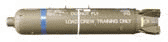
Direct proof of use
The CBU-105 Sensor Fuzed Weapon was used by U.S. Air Force B-52 Stratofortress crews during Operation Iraqi Freedom. Air Force Print News reported on April 2, 2003 that B-52 crews dropped six CBU-105 Wind Corrected Munitions Dispensers on an Iraqi tank column moving south from Baghdad, and said Combined Forces Air Component Command officials described the strike as the weapon's first combat use.
Stars and Stripes reported the same week that U.S. Central Command officials identified the aircraft as B-52 bombers and said the strike occurred at about 5 p.m. Iraqi time in central Iraq to stop the column from moving toward coalition troops.
Sources: Air Force CBU-105 Combat Debut, Stars and Stripes Wind-Corrected Bomb Report
Timeline
The documented sequence begins with the April 2, 2003 B-52 strike on Iraqi armor near Baghdad. On April 30, 2003, the Combined Forces Air Component Commander's assessment listed CBU-105 Sensor Fuzed Weapon as a combat first and recorded eighty-eight CBU-105 WCMD/SFW weapons among guided munitions expended during the reporting period from March 19 to April 18, 2003.
Human Rights Watch later reported that the U.S. Air Force dropped the CBU-105 for the first time in combat in Iraq and also gave the total as eighty-eight weapons. Its field researchers visited one site outside al-Hilla where CBU-105s had been dropped on an isolated artillery field.
Sources: Air Force CBU-105 Combat Debut, Operation Iraqi Freedom By the Numbers, Human Rights Watch Off Target
Narrative
In the 2003 Iraq War, the CBU-105 appears in the public record as a U.S. air-delivered anti-armor and interdiction munition. The directly reported April 2 strike used B-52 bombers against Iraqi armored movement, while the wider CFACC munitions accounting shows that CBU-105 expenditure was not limited to the six weapons described in that initial combat-use report.
The munition's documented targets in the available sources were armored vehicles and artillery rather than personnel targets. The Air Force article described the CBU-105 as dispersing sensor-fuzed submunitions that detect armored-vehicle engine heat, and Human Rights Watch described each weapon as carrying ten BLU-108 submunitions with four infrared-guided Skeet warheads per submunition.
The most specific post-strike field observation in the sources comes from Human Rights Watch, which visited a CBU-105 strike site outside al-Hilla and reported no visible unexploded Skeets while noting that some could have been hidden in tall grass. That account supports use at al-Hilla but does not provide a precise strike date for that site.
Sources: Air Force CBU-105 Combat Debut, Operation Iraqi Freedom By the Numbers, Human Rights Watch Off Target