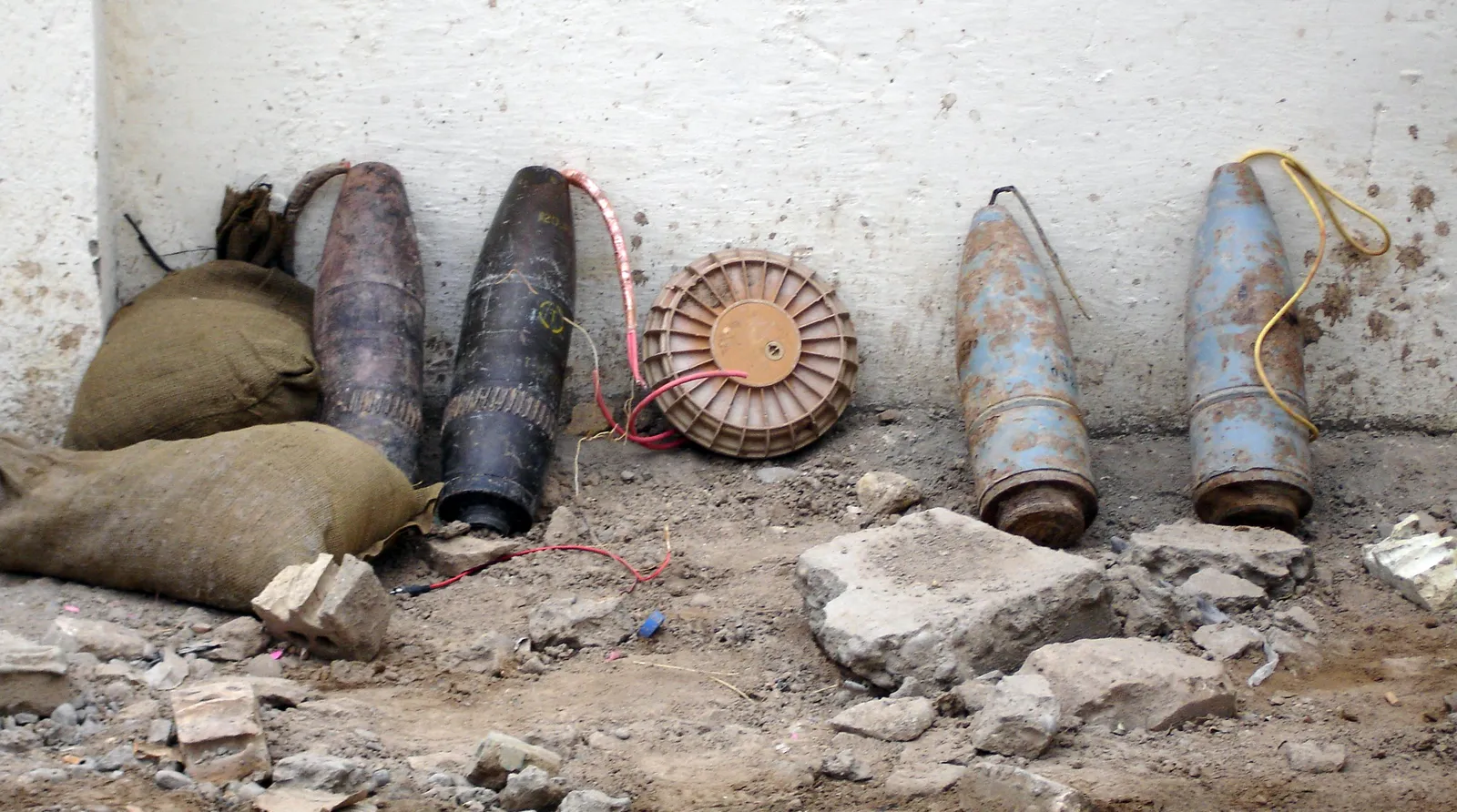

In the 2023 Israel-Hamas War, IDF footage showed Hamas fighters planting explosive devices and setting booby traps in a northern Gaza residence; AP, JPost, and Times of Israel reporting later described booby-trapped northern and southern Gaza buildings as hazards for returning residents and Israeli clearance teams.
Role detailsInfantry Weapons
Building booby-trap improvised explosive device
Also known as
- booby-trapped building
- booby-trapped house
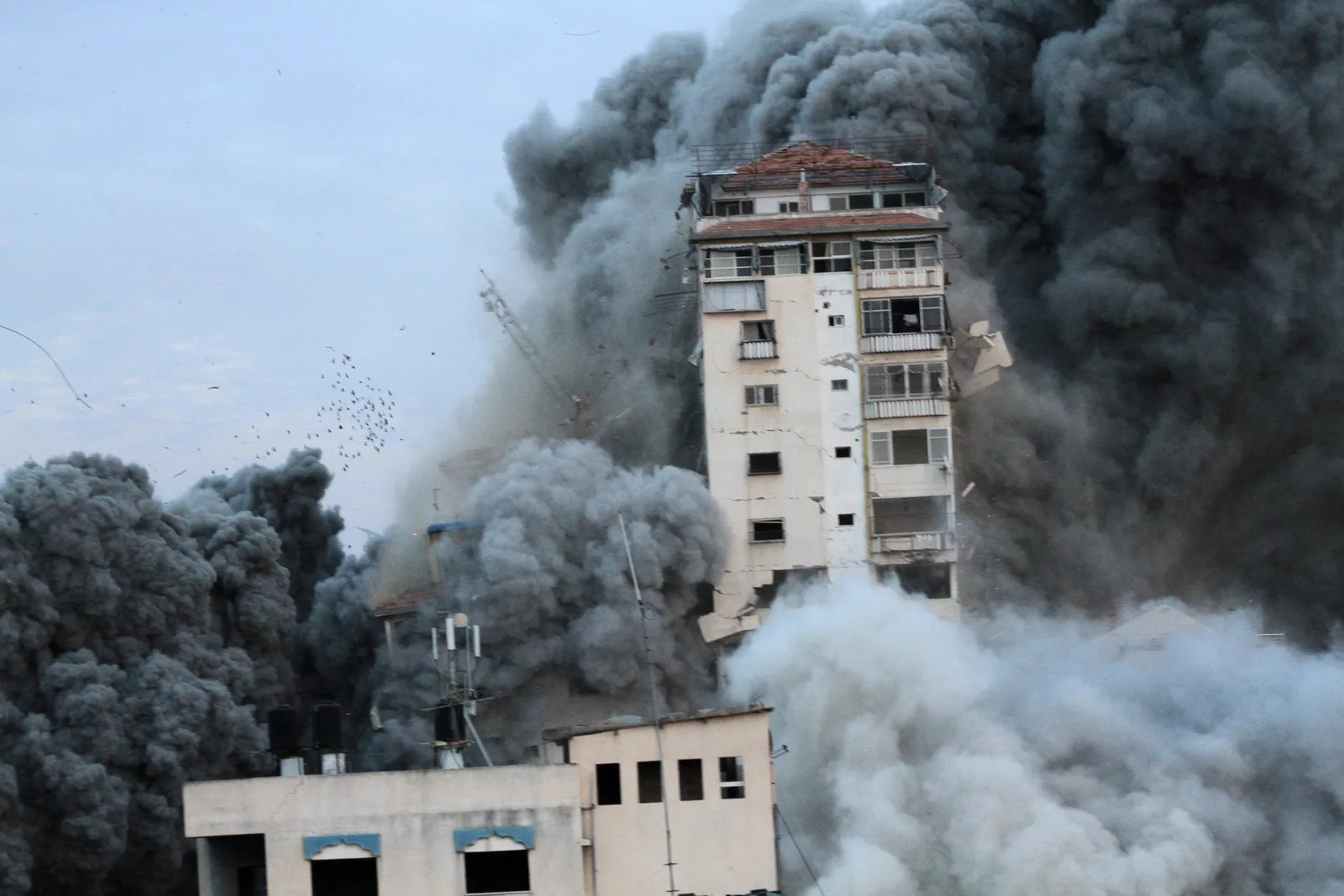
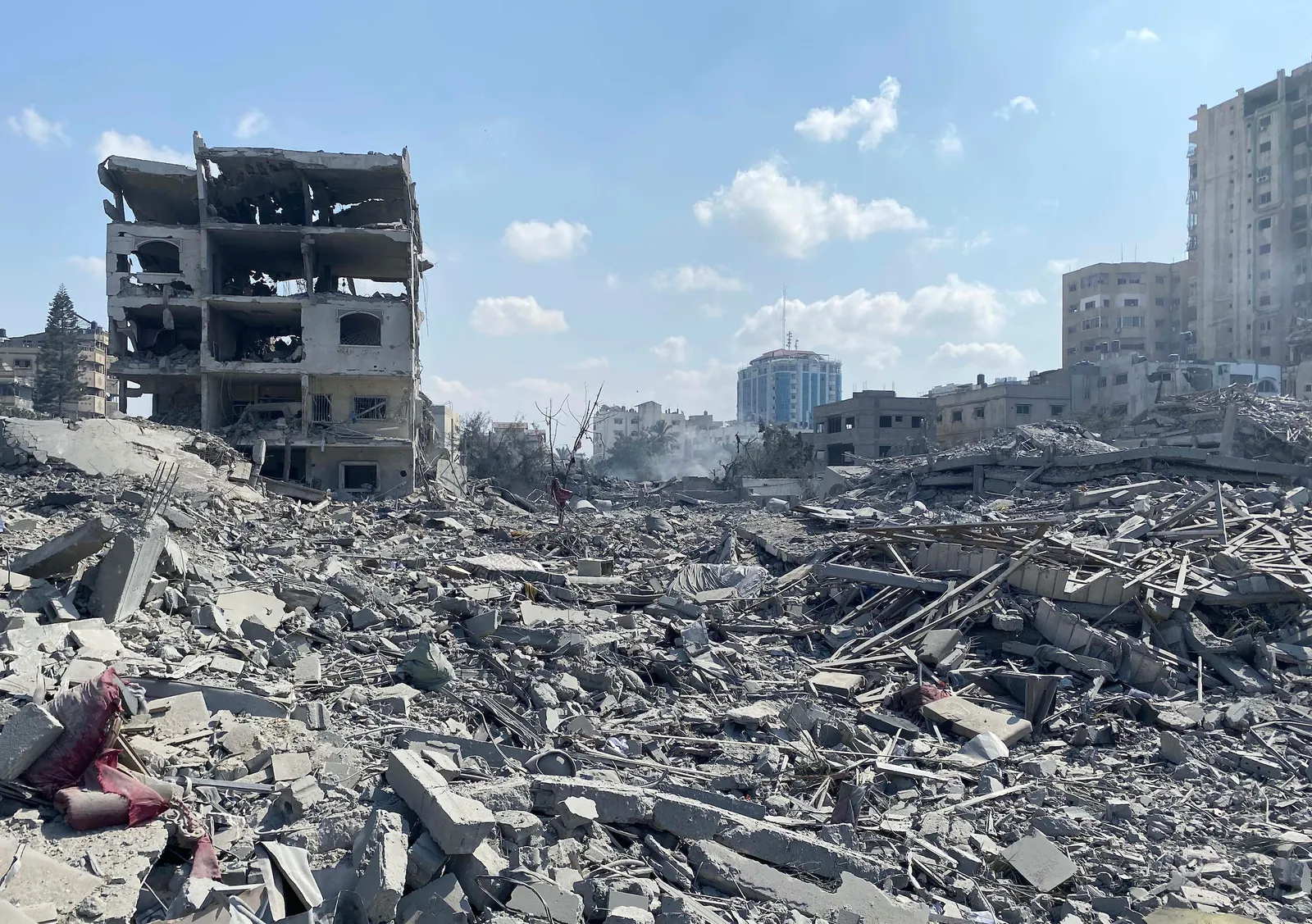
Building booby-trap improvised explosive devices in the 2023 Israel-Hamas War were field-improvised traps hidden in homes and other structures across northern Gaza, using ordinary rooms, stairwells, closets, and debris to slow clearance teams and endanger troops.
Role in Conflicts
Profile / Specs
Profile
- Origin
- Gaza Strip
- Built by
- Hamas
- Type
- Improvised explosive device
- Service note
- 2023 Israel-Hamas War
- Designer
- Field-improvised by militant cells
- Designed
- 2023-present
- Unit cost
- Not publicly documented
- Produced
- 2023-present
- Number built
- Not publicly documented
Specifications
- Initiation
- Victim-activated or command-initiated
- Concealment
- Hidden in rooms, doorways, stairwells, floors, rubble, closets, or household objects
- Purpose
- Area denial and casualty infliction during building clearance
- Fill
- Repurposed ordnance or improvised explosive charges
Related Booby Trap Variants
UNMAS describes booby traps as hidden hazards placed around ordinary buildings and access points, and Gaza reporting also documented the same tactic at tunnel entrances.
| Compatible item | Item type | Compatibility evidence |
|---|---|---|
 | Broader booby trap concept | UNMAS defines booby traps broadly, and the Gaza reporting on northern buildings shows this entry as a building-specific example of the same tactic. Sources: Landmines, Explosive Remnants of War and IED Safety Handbook, Watch: Hamas Camera Footage Shows Terrorists Planting Explosive Devices and Setting up Booby Traps To Attack Troops, Hamas pivots to booby-trapping buildings as IDF advances in north Gaza, Palestinians return to their homes in northern Gaza for a second day |
 | Tunnel-access trap | The IDF separately documented a booby-trapped tunnel entrance in Khan Yunis, showing the same access-point tactic applied underground in Gaza. |
Timeline
Building booby-trap improvised explosive device Key Events
IDF releases footage of booby-trap planting in northern Gaza
The IDF said camera footage from a civilian residence in northern Gaza showed Hamas fighters planting explosive devices and setting booby traps aimed at troops.
Sources: Watch: Hamas Camera Footage Shows Terrorists Planting Explosive Devices and Setting up Booby Traps To Attack Troops
JPost reports broad booby-trapping in standing buildings
The Jerusalem Post reported Hamas had shifted to booby-trapping almost every structure left standing as IDF forces advanced in northern Gaza.
Sources: Hamas pivots to booby-trapping buildings as IDF advances in north Gaza
AP reports booby-trapped buildings as residents return
AP reported that many northern Gaza buildings were still booby-trapped when displaced Palestinians began returning home.
Sources: Palestinians return to their homes in northern Gaza for a second day
Khan Younis building trap kills engineering soldiers
Times of Israel reported that four Israeli soldiers were killed and five wounded after entering a booby-trapped Khan Younis building to clear possible military infrastructure.
Sources: IDF names two other soldiers killed in booby-trapped Gaza building on Friday
Documented Placement Pattern
UNMAS guidance and Gaza reporting point to the same practical problem: booby traps were placed where people and troops would naturally enter or search first.
| Setting | What sources documented | Why it mattered |
|---|---|---|
| Buildings and access points | UNMAS says booby traps are commonly hidden in buildings, doorways, staircases, and similar access points. | Turns ordinary entry routes into hazards during clearance. |
| Civilian residence footage | The IDF said camera footage showed Hamas fighters planting explosive devices and setting booby traps inside a civilian residence in northern Gaza. | Shows the tactic being used inside homes, not only at entrances. |
| Standing structures in northern Gaza | JPost reported Hamas booby-trapping almost every structure left standing as IDF forces advanced. | Suggests broad area denial across an urban block or neighborhood. |
| Returning-home phase | AP reported many northern Gaza buildings remained booby-trapped as displaced Palestinians returned. | Left a post-combat civilian hazard after front-line movement shifted. |
| Clearance-entry risk | Times of Israel reported that a booby-trapped Khan Younis building collapsed after Israeli soldiers entered to clear possible military infrastructure. | Shows how the trap could turn a building inspection into a mass-casualty event. |
Media
Building booby-trap improvised explosive device Videos
Building booby-trap improvised explosive device Images
Related Weapon Systems


Sources
Landmines, Explosive Remnants of War and IED Safety HandbookPublisher: United Nations Mine Action Service | Note: Supports background and core specs for booby traps as deliberately placed devices that are often victim-activated and are commonly found in buildings, doorways, staircases, and similar access points. | Accessed: 2026-07-01Palestinians return to their homes in northern Gaza for a second dayPublisher: Associated Press | Note: Supports 2023 Israel-Hamas War direct conflict-use: AP reported many buildings in northern Gaza were booby-trapped by militants as Palestinians returned home. | Accessed: 2026-07-01Watch: Hamas Camera Footage Shows Terrorists Planting Explosive Devices and Setting up Booby Traps To Attack TroopsPublisher: IDF | Note: Supports 2023 Israel-Hamas War direct conflict-use: the IDF said footage from a civilian residence in northern Gaza showed terrorists planting explosive devices and setting booby traps to attack troops. | Accessed: 2026-07-01Behind Rigged Tunnel Shafts and Blast DoorsPublisher: IDF | Note: Supports the relationship to tunnel-entrance booby traps: the IDF said a Khan Yunis tunnel entrance was booby-trapped and linked to explosives, sliding doors, and blast doors inside the tunnel complex. | Accessed: 2026-07-01Hamas pivots to booby-trapping buildings as IDF advances in north GazaPublisher: The Jerusalem Post | Note: Supports 2023 Israel-Hamas War direct conflict-use: JPost reported Hamas booby-trapping almost every standing structure in northern Gaza as IDF forces advanced. | Accessed: 2026-07-01IDF names two other soldiers killed in booby-trapped Gaza building on FridayPublisher: The Times of Israel | Note: Supports 2023 Israel-Hamas War direct conflict-use: the report says four Israeli soldiers were killed and five wounded after entering a booby-trapped Khan Younis building to clear possible military infrastructure, and that Hamas took responsibility. | Accessed: 2026-07-01IED Baghdad from munitionsPublisher: Wikimedia Commons | Note: Image provenance and licensing page for a public-domain U.S. military photo of an improvised explosive device assembled from munitions. | Accessed: 2026-07-01Damage in Gaza Strip during the October 2023 - 01.jpgPublisher: Wikimedia Commons | Note: Image provenance and licensing page for a CC BY-SA 3.0 Gaza damage photo by WAFA/APAimages. | Accessed: 2026-07-01Damage in Gaza Strip during the October 2023 - 29.jpgPublisher: Wikimedia Commons | Note: Image provenance and licensing page for a CC BY-SA 3.0 Gaza damage photo by WAFA/APAimages. | Accessed: 2026-07-01