- Role in conflict
- Urban area-denial booby trap

In the 2014 Second Libyan Civil War, Human Rights Watch reported mines and booby traps left behind as LAAF-linked fighters withdrew from southern Tripoli.
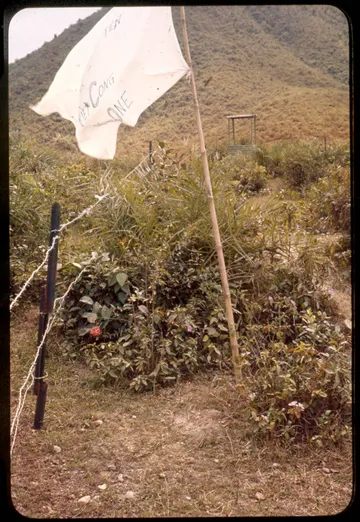
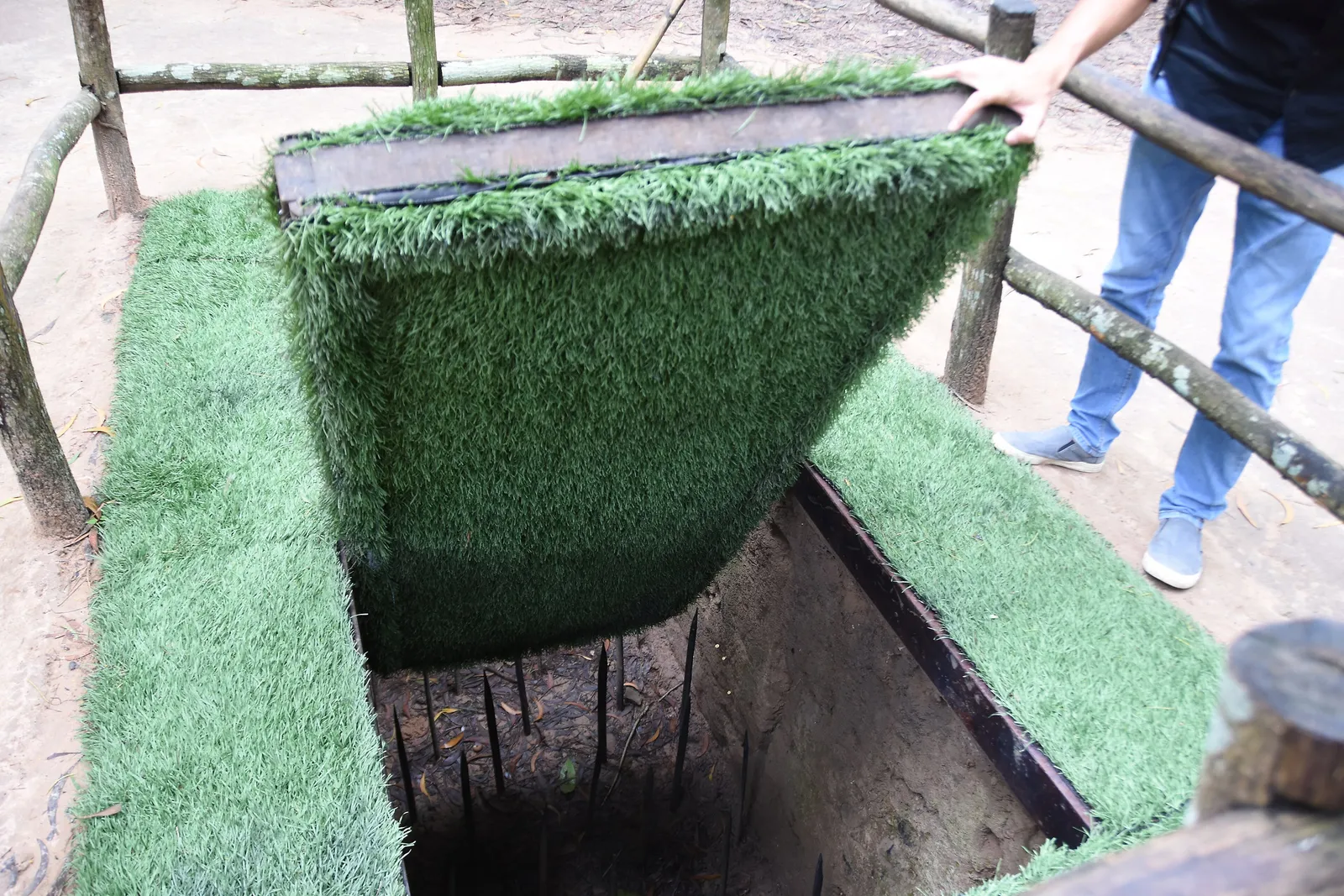
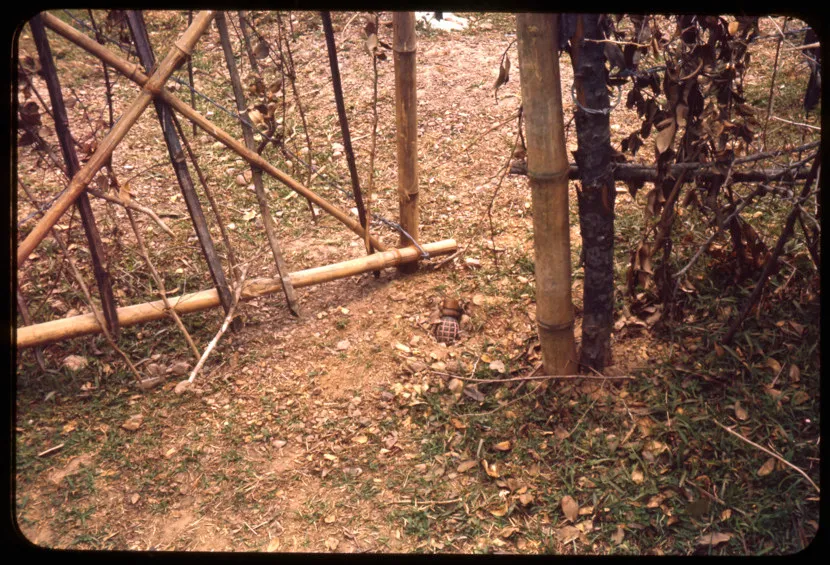
Booby traps are victim-activated explosive or non-explosive devices hidden to make an apparently harmless object, route, or action lethal or injurious when disturbed. Treaty law has regulated them since 1980, and Libya reporting shows they are still used to slow movement and complicate clearance after withdrawals.
In the 2014 Second Libyan Civil War, Human Rights Watch reported mines and booby traps left behind as LAAF-linked fighters withdrew from southern Tripoli.
Booby traps are easiest to read in context: they sit beside broader improvised explosive devices and mine-clearance hazards that often appear in the same reports.
| Compatible item | Item type | Compatibility evidence |
|---|---|---|
 | Broader explosive-device family | UNMAS says IEDs may also be referred to as improvised, artisanal, or locally manufactured mines, booby traps, or other explosive ordnance, so the broader IED page is the best comparison entry. |
 | Clearance-neighboring ground hazard | HRW reported mines and booby traps left behind together in southern Tripoli, making the landmine page the most useful adjacent comparison for the Libya clearance context. |
Booby traps are not a factory model or a single trigger mechanism. They are concealed hazards that rely on surprise, so the same tactic can appear in homes, doorways, roads, abandoned positions, or around apparently harmless objects.
| Feature | Reader note |
|---|---|
| Trigger | Disturbance, lifting, opening, contact, or tripwire activation. |
| Concealment | Hidden in ordinary objects, entrances, homes, roads, or abandoned positions. |
| Effect | Designed to kill or injure, slow movement, and complicate clearance after withdrawal. |
| Legal frame | Covered by the CCW booby-trap protocols adopted in 1980 and amended in 1996. |
The original CCW protocol established the modern treaty framework for mines, booby traps, and other devices.
Sources: CCW Protocol II (1980)
The amended protocol tightened the treaty rules that apply to mines, booby traps, and other devices.
Sources: Amended CCW Protocol II (1996)
Human Rights Watch reported mines and booby traps left behind in southern Tripoli during the Libyan Civil War.
Sources: Libya: Landmines Left After Armed Group Withdraws