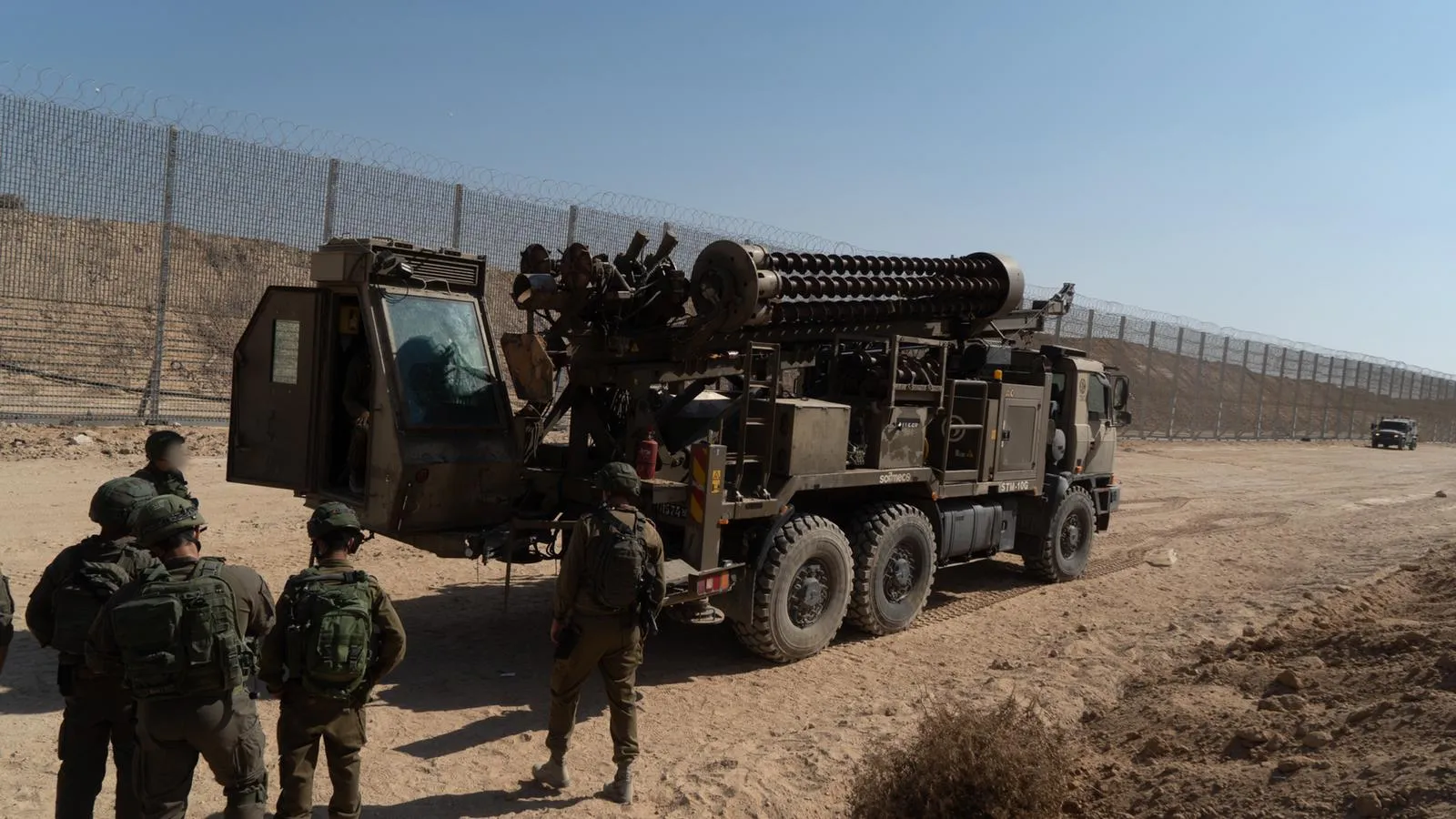

Hamas used booby-trapped tunnel entrances and shafts in Gaza to slow or endanger Israeli tunnel-clearing forces; IDF reporting identified a Khan Yunis entrance rigged with explosives, while Reuters and military analyses describe tunnel-shaft searches for booby traps and IEDs as a recurring clearance hazard.
Role detailsInfantry Weapons
Tunnel-Entrance Booby-Trap Improvised Explosive Device
Also known as
- booby-trapped tunnel entrance
- booby-trapped tunnel shaft
- tunnel entrance IED
- tunnel-shaft booby trap
- tunnel shaft IED
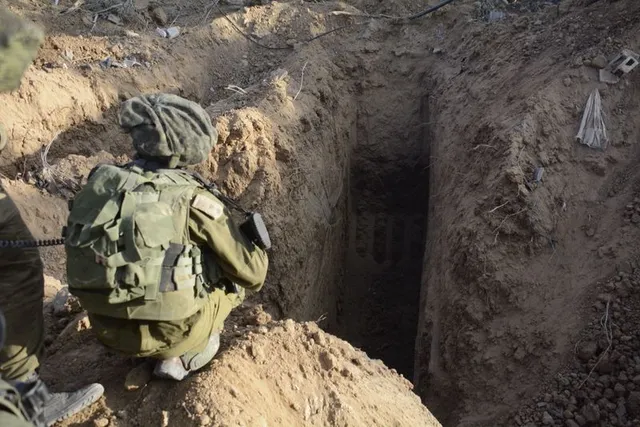
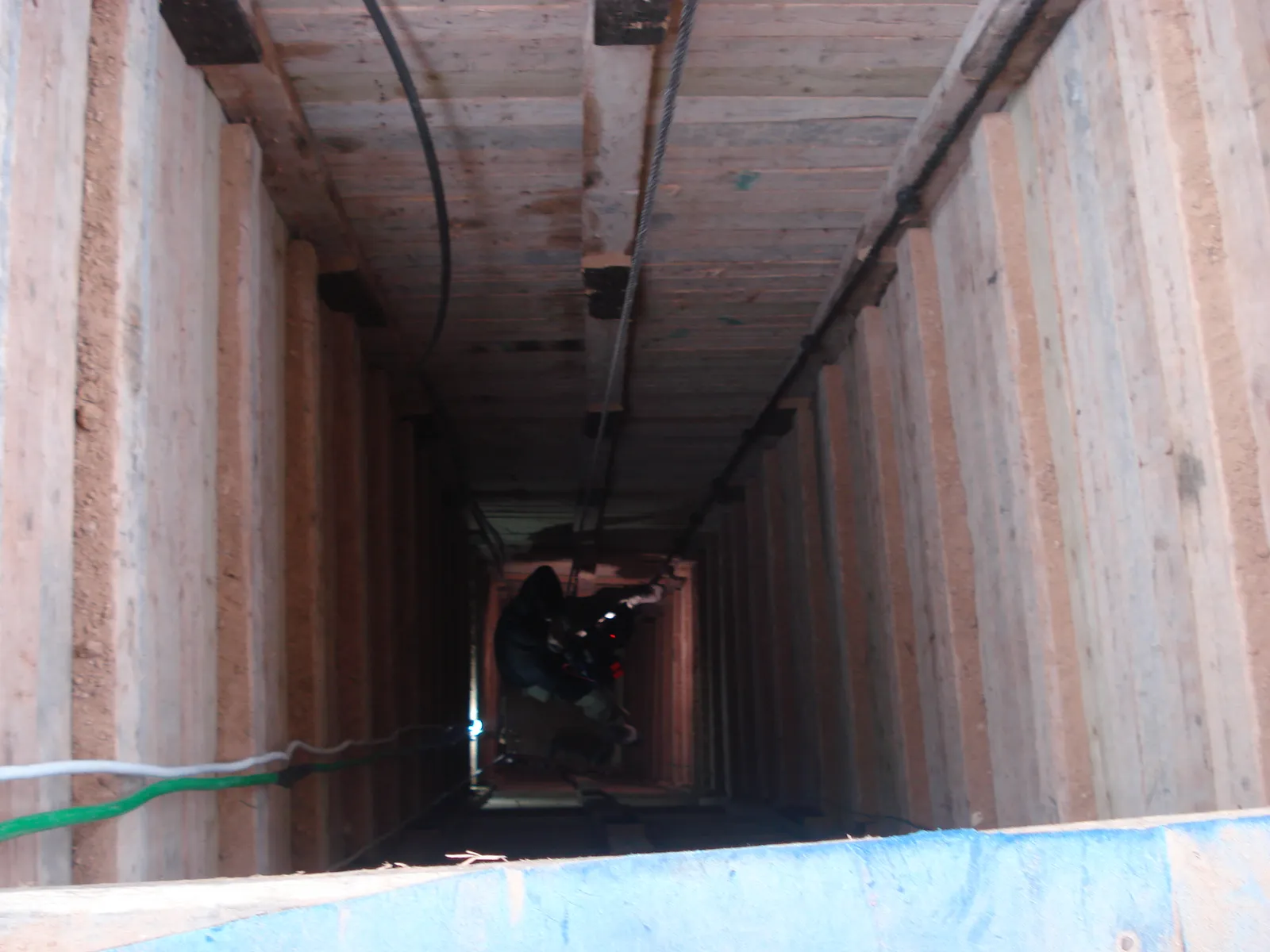
Hamas tunnel-entrance booby-trap IEDs in Gaza use explosives at shafts, entrances, or tunnel approaches to make underground access points dangerous choke points during the 2023 Israel-Hamas War. IDF, Reuters, Modern War Institute, and U.S. Army sources describe booby-trapped shafts, embedded IEDs, blast doors, and robotic or engineering checks as part of the tunnel-clearance hazard set.
Role in Conflicts
Profile / Specs
Profile
- Origin
- Gaza Strip
- Built by
- Hamas
- Type
- Improvised explosive device
- Service note
- 2023-present
- Designer
- Hamas
Specifications
- Construction
- Field-improvised explosive charge or booby trap associated with a tunnel entrance, shaft, wall, or access route
- Placement
- Concealed at or near tunnel entrances and shafts in Gaza, including IDF-documented Khan Yunis and southern Gaza tunnel routes
- Observed tunnel context
- The IDF-described Khan Yunis route was about 830 meters long and about 20 meters deep
- Clearance hazard
- Reuters described tunnel-shaft searches for booby traps or IEDs before ground troops sealed or destroyed shafts; U.S. Army analysis notes cameras, dogs, and unmanned ground vehicles were used to reduce entry risk
- Associated obstacles
- Explosives, blast doors, sliding doors, ambush risk, and other underground obstacles
Timeline
Tunnel-Entrance Booby-Trap Improvised Explosive Device Key Events
Reuters describes tunnel-shaft IED checks
Reuters reported that Israeli tunnel-clearance work in Gaza involved uncovering shafts and checking for booby traps or IEDs before troops sealed or destroyed tunnel routes.
Sources: Reuters Inside the Tunnels of Gaza
Khan Yunis tunnel entrance is found booby-trapped
The IDF said soldiers of the 98th Division found an about 830-meter tunnel in Khan Yunis about 20 meters underground, with a booby-trapped entrance, explosives, sliding doors, and blast doors.
Sources: Behind Rigged Tunnel Shafts and Blast Doors
Southern Gaza tunnel routes include booby-trapped shafts
The IDF said combat engineers and the Southern Gaza Brigade dismantled a tunnel route stretching several hundred meters and found multiple exit shafts, some of which were booby-trapped.
Sources: IDF Combat Engineers Dismantle an Offensive Underground Tunnel
U.S. Army summarizes Gaza subterranean lessons
A U.S. Army article on IDF lessons from Gaza described tunnel-entrance searches as dangerous because of booby traps and highlighted cameras, military working dogs, and unmanned ground vehicles as ways to reduce initial-entry risk.
Sources: U.S. Army Subterranean Operations Gaza Lessons
Tunnel-Entry Hazard Pattern
This weapon functions as a tunnel-clearance hazard rather than a factory model: sources describe booby-trapped entrances, shafts, and tunnel walls that force engineers to inspect access points before soldiers enter or destroy a route.
| Evidence lane | What it documents | Operational meaning |
|---|---|---|
| Khan Yunis tunnel | Booby-trapped entrance, internal explosives, sliding doors, and blast doors inside an IDF-described tunnel about 830 meters long and 20 meters deep. | Direct example of an entrance used as an explosive choke point. |
| Southern Gaza route | Multiple exit shafts in a several-hundred-meter underground route, some described by the IDF as booby-trapped. | Shows the shaft hazard recurring beyond a single tunnel complex. |
| Clearance sequence | Reuters described Israeli forces uncovering shafts and locating booby traps or IEDs before ground troops sealed or destroyed tunnel routes. | Explains why the device matters operationally during tunnel reduction. |
| Entry-risk mitigation | Modern War Institute and U.S. Army analyses describe booby traps outside and inside tunnels, embedded IEDs, and use of cameras, dogs, robots, or other unmanned systems before entry. | Places the device inside the wider subterranean warfare problem set. |
Media
Tunnel-Entrance Booby-Trap Improvised Explosive Device Videos
Tunnel-Entrance Booby-Trap Improvised Explosive Device Images
Related Weapon Systems


Sources
Reuters Inside the Tunnels of GazaPublisher: Reuters | Note: Supports 2023 Israel-Hamas War direct conflict-use context by describing Gaza tunnel-shaft clearance checks for booby traps or improvised explosive devices before troops sealed or destroyed tunnel routes. | Accessed: 2026-07-01Modern War Institute Gaza Tunnel WarfarePublisher: Modern War Institute at West Point | Note: Supports 2023 Israel-Hamas War direct conflict-use context for Hamas booby traps outside and inside tunnels, including improvised explosive devices embedded in tunnel walls. | Accessed: 2026-07-01U.S. Army Subterranean Operations Gaza LessonsPublisher: The United States Army | Note: Supports 2023 Israel-Hamas War direct conflict-use context and specifications for tunnel-entrance booby-trap risk, including camera, military working dog, and unmanned ground vehicle checks before entry. | Accessed: 2026-07-01Behind Rigged Tunnel Shafts and Blast DoorsPublisher: IDF | Note: Supports the 2023 Israel-Hamas War conflict use and documents the Khan Yunis tunnel entrance as booby-trapped, with about 830 meters of tunnel length, about 20 meters of depth, and internal explosives, sliding doors, and blast doors. | Accessed: 2026-07-01IDF Combat Engineers Dismantle an Offensive Underground TunnelPublisher: IDF | Note: Supports the 2023 Israel-Hamas War conflict use and documents an underground tunnel route in southern Gaza with multiple exit shafts, some of which were booby-trapped. | Accessed: 2026-07-01Hamas Exploits Gazan Civilians to Build Tunnel NetworkPublisher: IDF | Note: Supports Hamas tunnel-network background and the improvised, Hamas-built context behind the weapon in Gaza. | Accessed: 2026-07-01IDF exposes new Tunnels from Gaza to Israel, October 2020. VII.jpgPublisher: Wikimedia Commons | Note: CC BY-SA 3.0 image on Wikimedia Commons showing an IDF-documented Gaza tunnel photo used for image provenance. | Accessed: 2026-06-20IDF Soldiers Uncover Tunnels in Gaza (14513059999).jpgPublisher: Wikimedia Commons | Note: CC BY-SA 2.0 image on Wikimedia Commons showing an IDF tunnel-discovery scene used for image provenance. | Accessed: 2026-06-20War in Gaza 057 - Flickr - Al Jazeera English.jpgPublisher: Wikimedia Commons | Note: CC BY-SA 2.0 image on Wikimedia Commons showing a Gaza tunnel entrance used for image provenance. | Accessed: 2026-06-20