- Side
- United States and South Vietnam


U.S. Army history says 2.75-inch FFAR rockets were used by Army UH-1 Huey and AH-1G Hueycobra helicopters in Vietnam, including suppressive rocket fire from armed Huey gunships.
The 2.75-inch rocket family covers the U.S. 70 mm unguided aerial rocket line from early FFAR/Mk 4 and Mk 40 rockets through the modern Hydra-70/Mk 66 system. Army and GD-OTS sources describe a modular air-launched rocket used with multiple warheads from fixed- and rotary-wing aircraft, while official U.S. military sources document 2.75-inch rocket use from Vietnam and Desert Storm through Iraq, Afghanistan, Operation Inherent Resolve, and U.S. aid to Ukraine.
U.S. Army history says 2.75-inch FFAR rockets were used by Army UH-1 Huey and AH-1G Hueycobra helicopters in Vietnam, including suppressive rocket fire from armed Huey gunships.
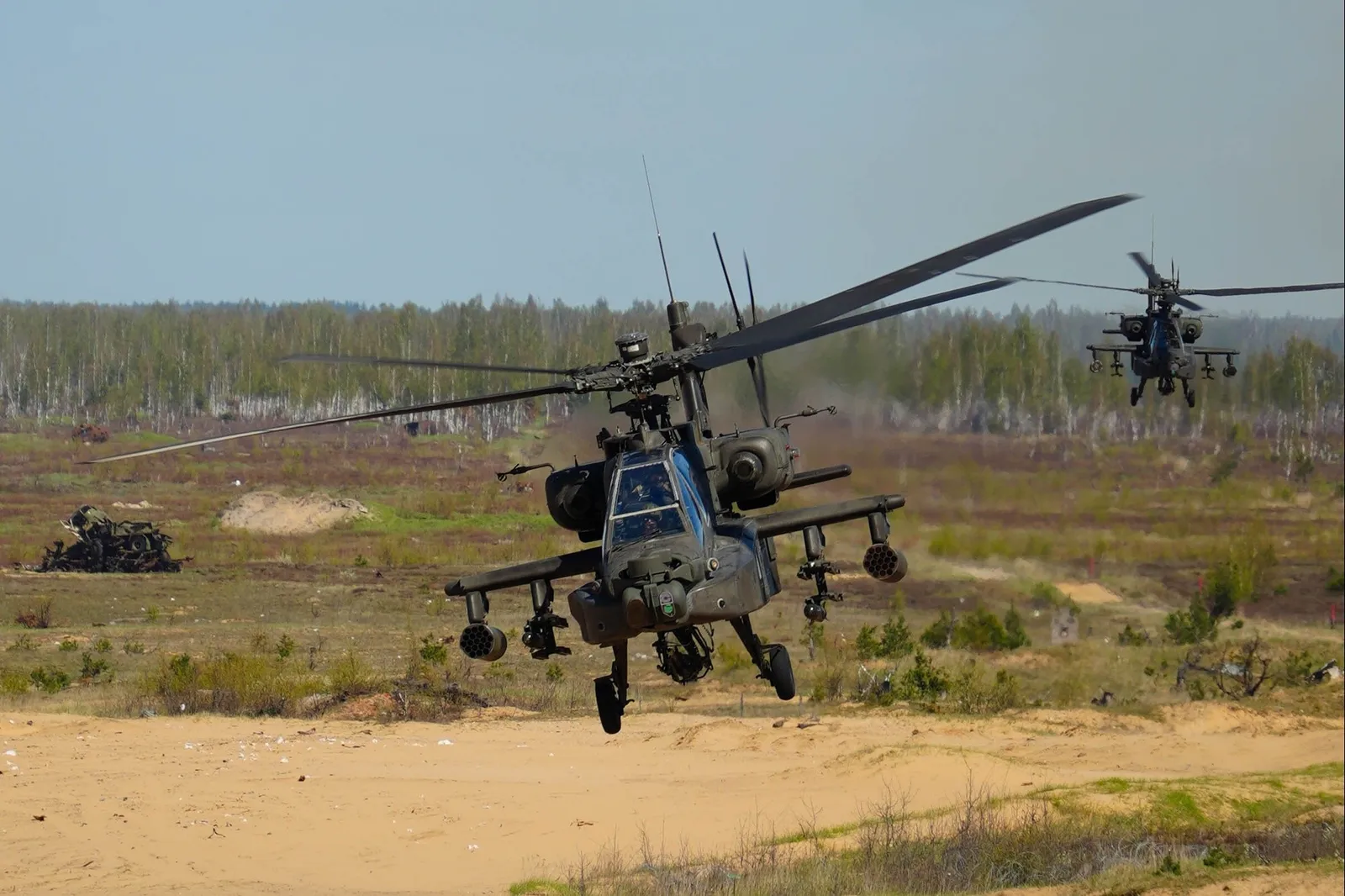
U.S. Army Redstone history records AH-64 Apaches firing 2.75-inch Hydra-70 rockets with Hellfire missiles against Iraqi early-warning radar sites at the opening of Operation Desert Storm.
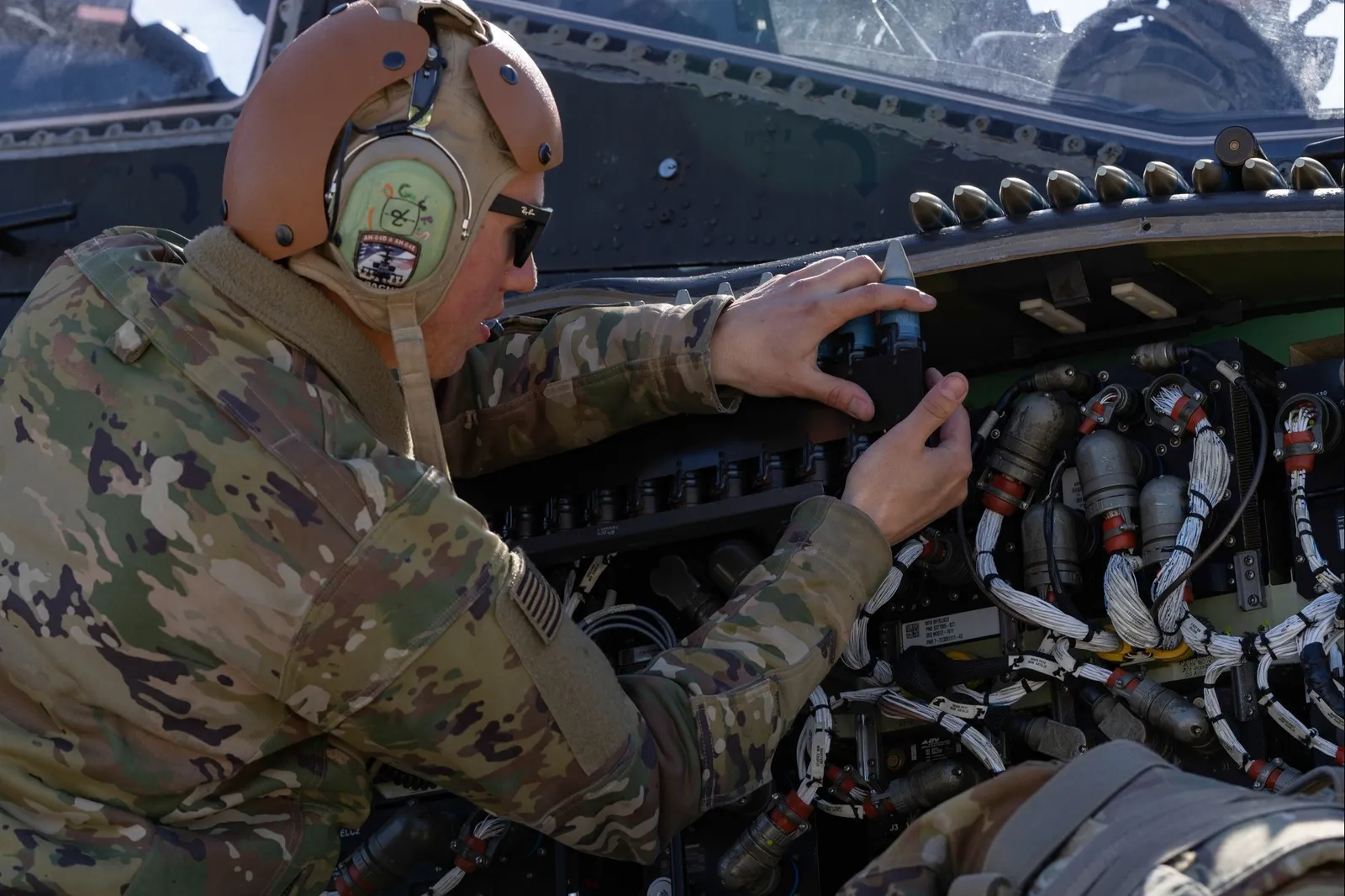
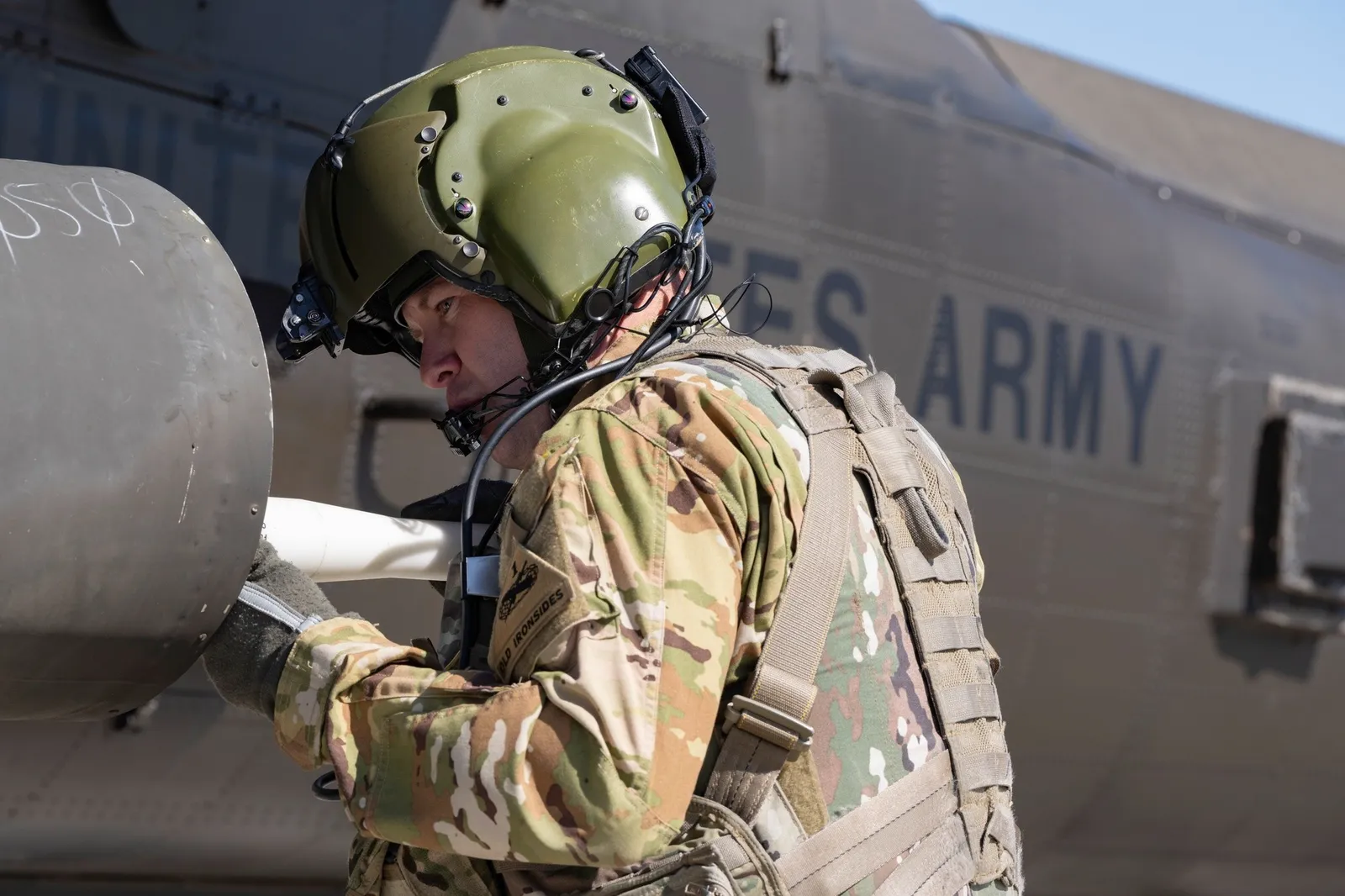
Role detailsU.S. Air Forces Central reported A-10s employing 2.75-inch rockets from Bagram, and DVIDS documented U.S. Army AH-64E crews loading Hydra 70 rockets for Afghanistan missions during Operation Freedom's Sentinel.
Role detailsU.S. Army Center of Military History accounts document AH-64 Apache crews firing and expending Hydra 2.75-inch rockets during Iraq War engagements near Taji in 2007.
Role detailsDVIDS documented U.S. Army Apache crews in Iraq loading Hydra 70 air-to-surface rockets for Operation Inherent Resolve offensive operations and fires support to Iraqi security forces.
Role detailsU.S. Defense Department security-assistance fact sheets listed more than 20,000 Hydra-70 aircraft rockets committed to Ukraine, and 2023 reporting by TWZ and The Aviationist documented Ukrainian Mi-24 helicopters armed with U.S.-supplied 70 mm Hydra rockets.
Role detailsThe 2.75-inch family is best read as a modular rocket-and-launcher ecosystem rather than one fixed round. Early FFAR designations belong to the Mk 4 and Mk 40 folding-fin path, while modern Hydra-70 rounds center on the Mk 66 motor and mission-selected payloads.
GD-OTS describes Hydra-70 as a Mk 66 MOD 4 motor combined with one of nine warheads and a point-detonating or remote-set fuze.
Mk 4 and Mk 40 identify the earlier FFAR line; Mk 66 / Hydra-70 identifies the later wrap-around-fin motor family.
GD-OTS lists training, unitary, and cargo configurations supporting suppression, obscuration, illumination, marking, and point or area target effects.
APKWS-class kits convert unguided 2.75-inch rockets such as Hydra 70 Mk 66 into precision-guided munitions; detailed guided-rocket coverage belongs on 2.75-inch guided rockets.
Sources: HYDRA 70 Product Brochure 2024; Air-Launched 2.75-Inch Rockets; APKWS Precision Guidance Kit.
The catalog entry treats 2.75-inch rockets as the broader unguided 70 mm aerial rocket family. Hydra-70 is the modern U.S. Mk 66-based rocket system, while guided 2.75-inch rockets such as APKWS add precision guidance to the same rocket diameter and are tracked separately.
| Variant | Configuration | Designation notes |
|---|---|---|
| Mk 4 Mighty Mouse FFAR | Early 2.75-inch folding-fin rocket | Designation Systems identifies the Mk 4 FFAR as a late-1940s Naval Ordnance Test Station rocket originally intended for air-to-air use and later adapted to air-to-ground roles. Sources: Air-Launched 2.75-Inch Rockets |
| Mk 40 FFAR | Improved folding-fin rocket motor family | Designation Systems describes the Mk 40 as a 2.75-inch motor developed for better performance and spin stability from armed helicopters and other slower launch platforms. Sources: Air-Launched 2.75-Inch Rockets |
 | Modern Mk 66-based unguided rocket system | GD-OTS describes Hydra-70 as the 2.75-inch / 70 mm family using the Mk 66 MOD 4 rocket motor, interchangeable warheads, and associated fuzes. Sources: HYDRA 70 Product Brochure 2024 |
 | Guided derivative family | BAE Systems describes APKWS as a guidance kit that converts unguided 2.75-inch rockets such as Hydra 70 Mk 66 into precision-guided munitions. Sources: APKWS Precision Guidance Kit |
Official aircraft fact sheets and program pages identify these catalog aircraft as carriers or launch platforms for 2.75-inch rockets and Hydra-70 rockets.
| Carrier | Carrier type | Carriage evidence |
|---|---|---|
 | V/STOL attack aircraft | The Navy AV-8B fact file lists 2.75-inch rockets among the Harrier's air-to-ground stores. Sources: NHHC AV-8B PDF Fact File |
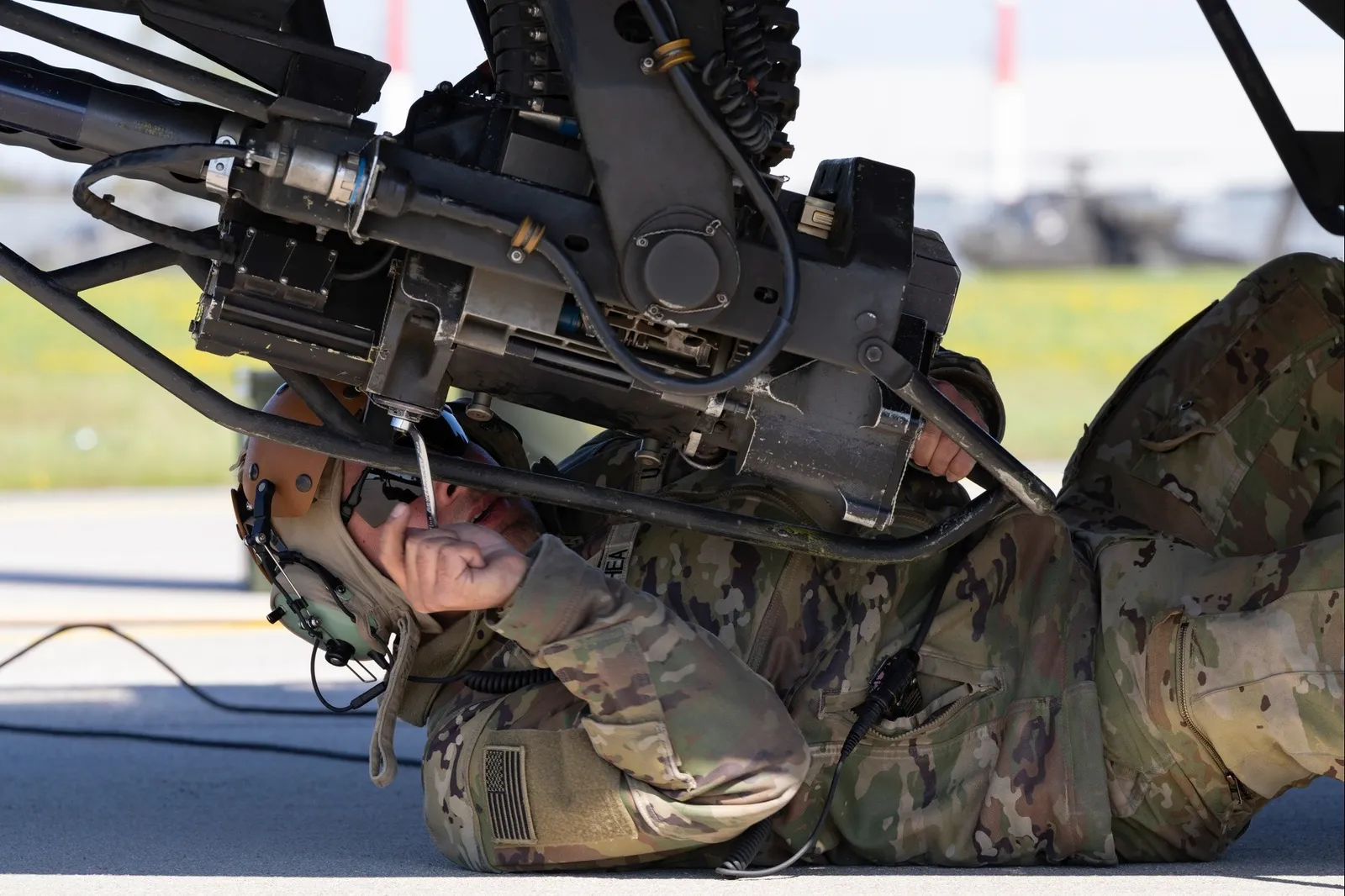
 | Attack helicopter | The Army AH-64D/E fact sheet states that the Apache is equipped with Hydra-70 2.75-inch rockets. Sources: Army Apache AH-64D/E PDF |
 | Close air support aircraft | The Air Force A-10C fact sheet lists unguided and laser-guided 2.75-inch rockets in the aircraft's armament. Sources: Air Force A-10C Fact Sheet |
 | Multirole fighter | Shaw Air Force Base described an F-16 loadout using six LAU-131 rocket launchers capable of expending 42 2.75-inch rockets. Sources: Shaw F-16 Rocket Load Article |
 | Attack helicopter | NAVAIR reported AH-1Z and UH-1Y H-1 test aircraft firing more than 2,000 2.75-inch rockets during developmental testing. Sources: NAVAIR H-1 Development Testing |
 | Armed special operations helicopter | The USSOCOM 2021 Fact Book lists the MH-60L/M Black Hawk Defensive Armed Penetrator armament as including 70 mm Hydra rockets. Sources: USSOCOM 2021 Fact Book |
The 2.75-inch family connects to cataloged Hydra-70, guided-rocket, launcher, and pod records that cover narrower parts of the ecosystem.
| Compatible item | Item type | Compatibility evidence |
|---|---|---|
| Modern unguided rocket system | GD-OTS describes Hydra-70 as the modern 2.75-inch / 70 mm rocket family built around the Mk 66 MOD 4 motor, interchangeable warheads, and associated fuzes. Sources: HYDRA 70 Product Brochure 2024 |
| Guided derivative family | BAE Systems describes APKWS as transforming unguided 2.75-inch rockets such as Hydra 70 Mk 66 into precision-guided munitions. Sources: APKWS Precision Guidance Kit |
 | Aircraft launcher class | GD-OTS says Hydra-70 fires from existing seven- and 19-tube launchers, linking the rocket family to the broader 2.75-inch rocket-pod class. Sources: HYDRA 70 Product Brochure 2024 |
 | 19-round 70 mm launcher | GD-OTS identifies 19-tube launchers as part of the Hydra-70 launch ecosystem, and the M261 catalog record covers a 19-round Hydra-70 launcher. Sources: HYDRA 70 Product Brochure 2024 |
Designation Systems identifies the Mk 66 Mod 0 as ready by 1972, before later production versions became the Hydra-70 motor family.
Sources: Air-Launched 2.75-Inch Rockets
GD-OTS product material states that General Dynamics has produced Hydra-70 rockets since 1996 in support of the Army rocket program.
Sources: HYDRA 70 Product Brochure 2024
Army Redstone history records AH-64 Apaches firing 2.75-inch Hydra-70 rockets during the initial strike on Iraqi early-warning radar sites.
Sources: Redstone Desert Shield Desert Storm Role
General Dynamics announced a five-year U.S. Army production contract for 2.75-inch / 70 mm Hydra-70 air-to-ground rockets for all U.S. military services.
Sources: General Dynamics Hydra-70 Rocket Program Contract
GD-OTS's May 2024 Hydra-70 brochure states that General Dynamics had produced more than eight million Hydra-70 rockets since 1996.
Sources: HYDRA 70 Product Brochure 2024