- Side
- Israel

Secondary armor references identify the Makmat 160 mm as a Sherman-based carrier for the Soltam M-66 mortar and state that it was used by Israel in the 1973 Yom Kippur War.
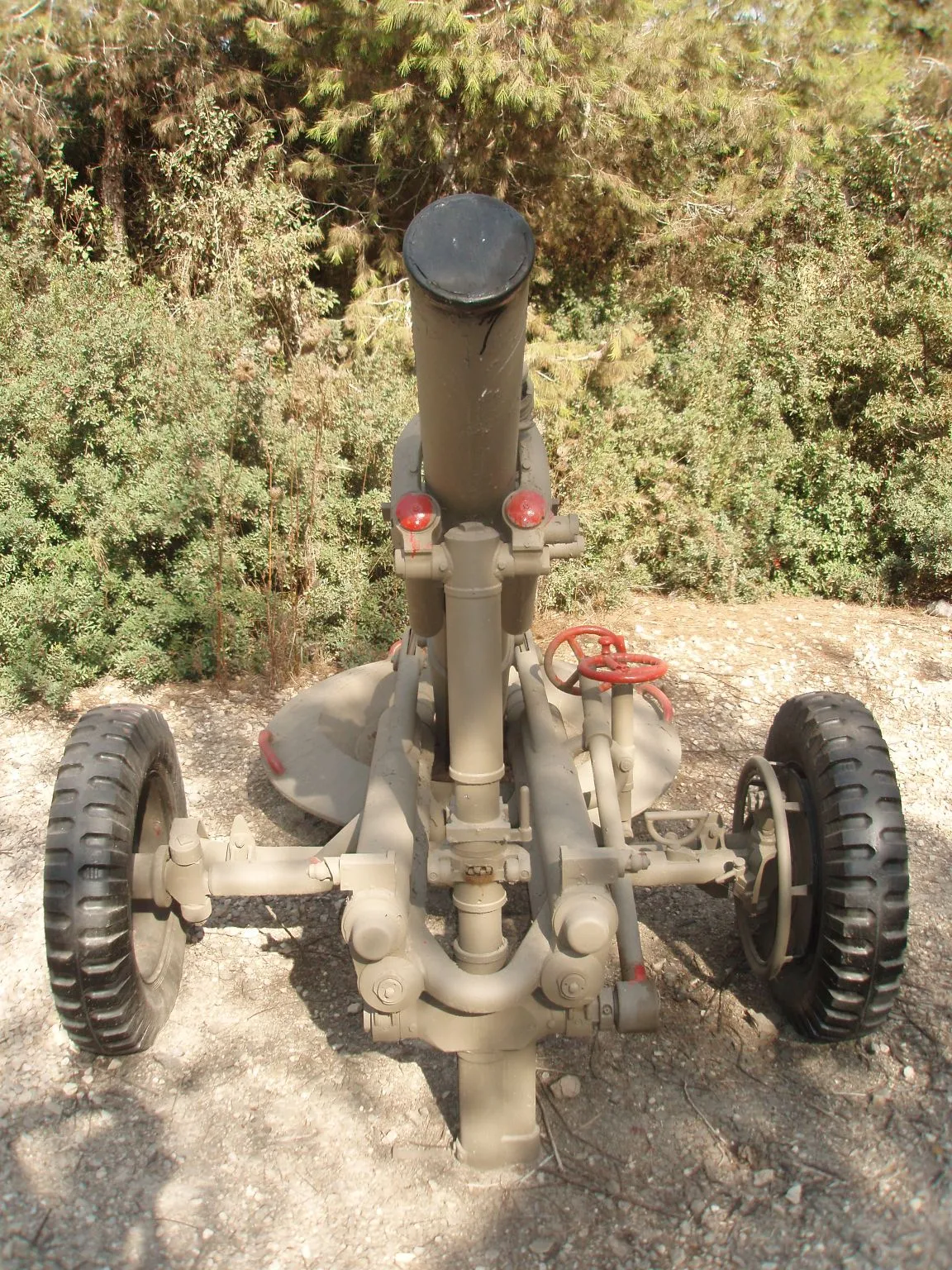
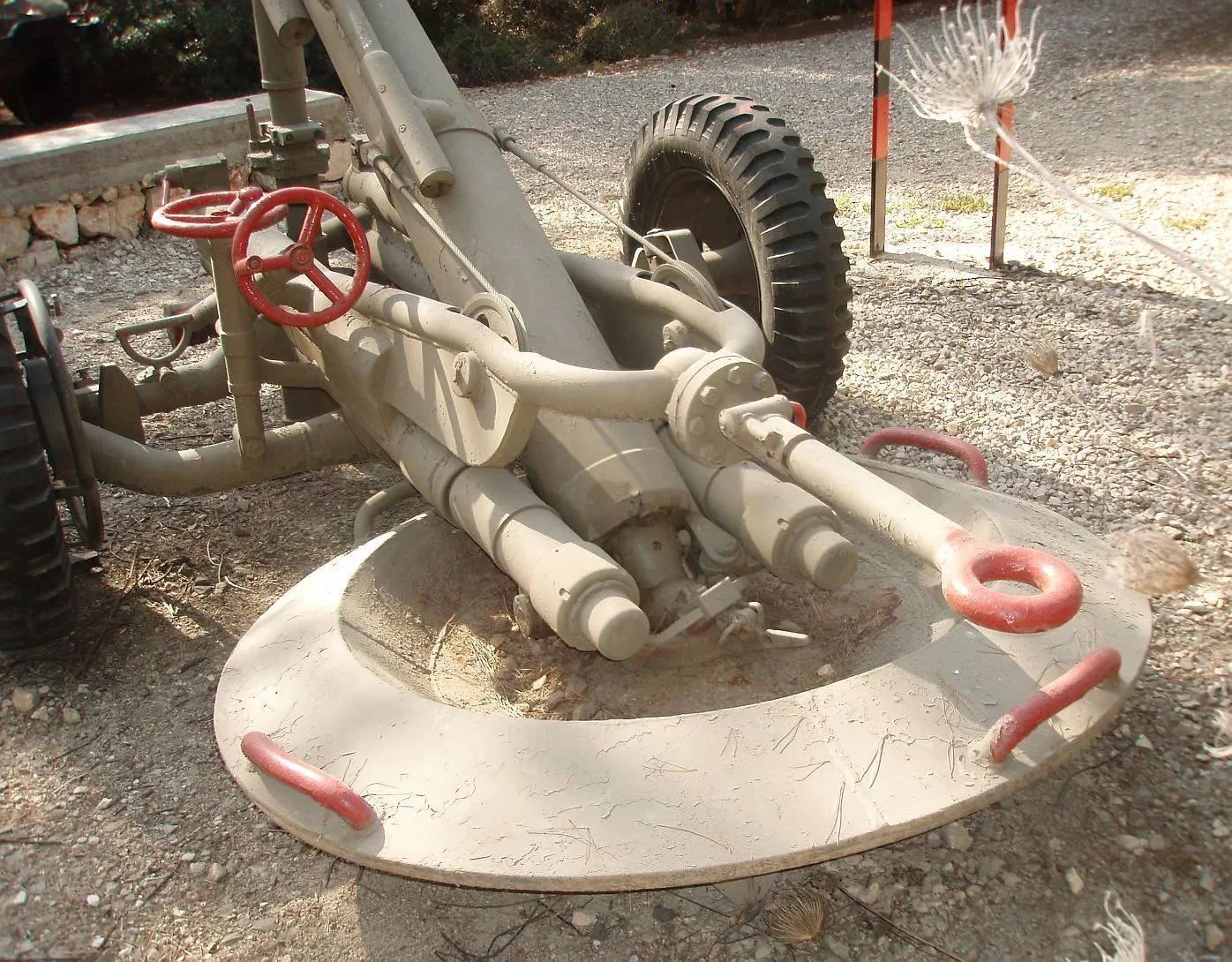
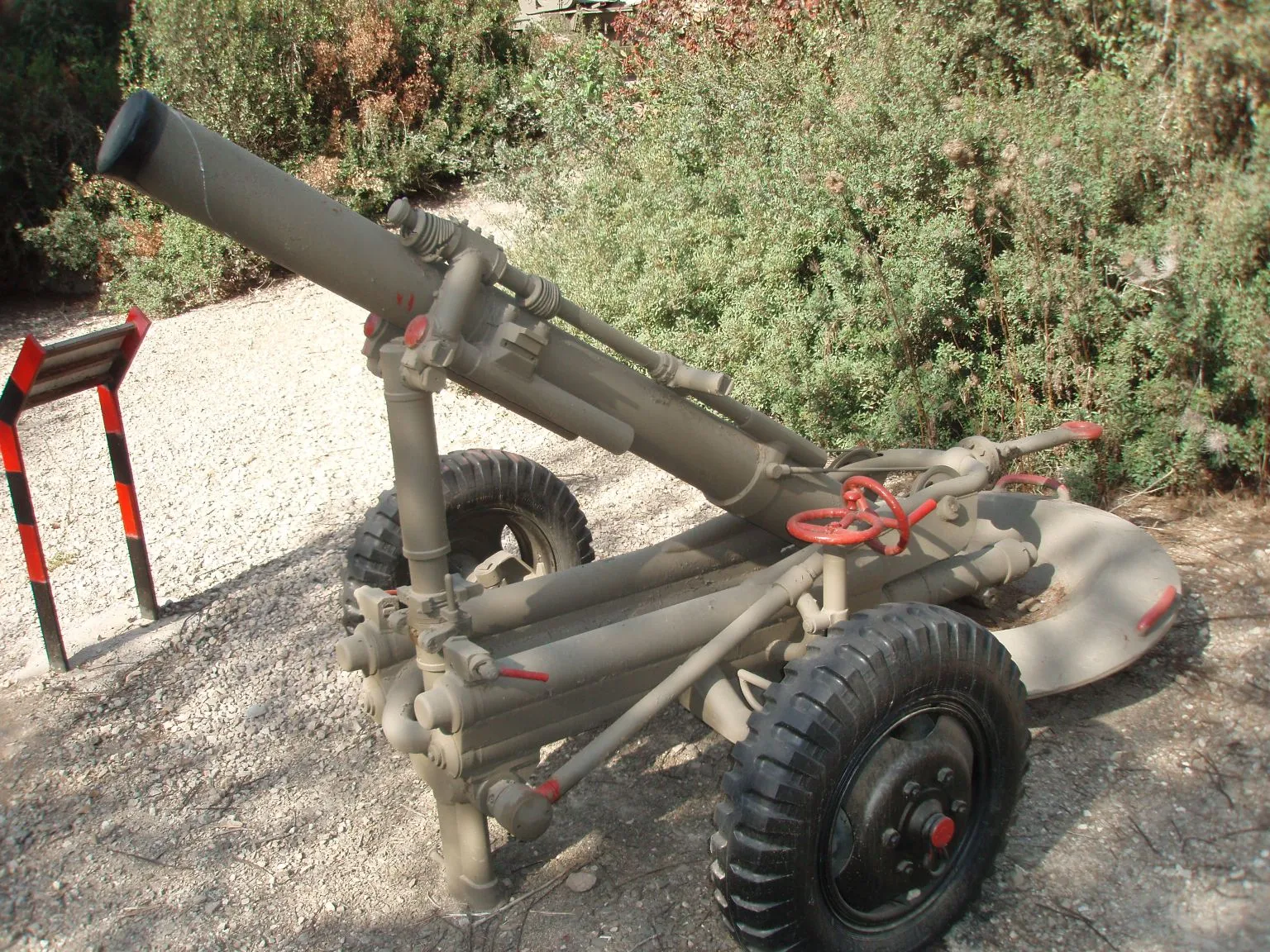
The 160 mm Soltam M-66 is an Israeli heavy mortar derived from the Finnish Tampella 160 Krh/58C lineage and built around a large 38 kg-class bomb, a wheel-supported firing carriage, and truck-towed mobility. Open sources document both the towed mortar and the Makmat self-propelled installation, which mounted the M-66 on a modified M4 Sherman chassis for Israeli heavy fire-support use.
Secondary armor references identify the Makmat 160 mm as a Sherman-based carrier for the Soltam M-66 mortar and state that it was used by Israel in the 1973 Yom Kippur War.
The documented 1982 Lebanon War evidence is for the Makmat self-propelled installation of the Soltam M-66 mortar rather than a separately identified towed battery.
The M-66 kept the unusually heavy 160 mm mortar role but used a firing layout closer to a small artillery piece than to a man-portable mortar. Sources describe a round baseplate, a two-wheel carriage used as the firing support, and a loading cycle shaped by the weight of the 38 kg-class bomb.
ARES identifies the Soltam M66 as an Israeli version of Tampella's 160 Krh/58C mortar family.
WeaponSystems.net and GlobalSecurity list a 38 kg bomb and a standard maximum range of 9.6 km.
The towed weapon needed a truck and separate baseplate handling; Makmat solved part of that problem by mounting the mortar on a Sherman-family chassis.
The M-66 designation is used for the Soltam 160 mm heavy mortar itself. Makmat was the Israeli self-propelled installation that placed the same mortar on a modified M4 Sherman chassis; Soltam M-65 is a separate 120 mm mortar family, not an M-66 variant.
| Variant | Configuration | Designation notes |
|---|---|---|
| Makmat 160 mm | Sherman-mounted self-propelled installation | ARES, WeaponSystems.net, Tank-AFV, and Armored Warfare all describe Makmat as the M-66/160 mm Soltam mortar fitted to a Sherman or M4 Sherman chassis for greater mobility. Sources: ARES Tampella 160 mm Mortar, WeaponSystems.net Soltam M66, Tank-AFV Makmat 160mm, Armored Warfare Sherman 75 Years |
The best-documented vehicle relationship is the Makmat installation, which put the 160 mm Soltam mortar onto a modified Sherman-family chassis.
| Compatible item | Item type | Compatibility evidence |
|---|---|---|
 | Tank chassis | ARES and armor references describe the Makmat as a self-propelled M-66/160 mm Soltam mortar installation on an M4 Sherman or Sherman-derived chassis. Sources: ARES Tampella 160 mm Mortar, Tank-AFV Makmat 160mm, Armored Warfare Sherman 75 Years |
ARES traces the 160 Krh/58C to Tampella's postwar Finnish mortar work and identifies it as the line from which the Soltam M66 version emerged.
Sources: ARES Tampella 160 mm Mortar
Open references describe the M-66 as an Israeli Soltam-built 160 mm mortar adapted from the Finnish Vammas/Tampella design lineage.
Sources: WeaponSystems.net Soltam M66, Military Periscope M-66 Overview
ARES and later armor references identify Makmat as the Sherman-chassis self-propelled installation of the Soltam M-66/160 mm mortar.
Sources: ARES Tampella 160 mm Mortar, Tank-AFV Makmat 160mm, Armored Warfare Sherman 75 Years
Armor references describe the Makmat installation of the M-66 mortar as used by Israel in the 1973 Yom Kippur War.
Sources: Tank-AFV Makmat 160mm, Armored Warfare Sherman 75 Years
Tank-AFV and Armored Warfare both connect the Makmat M-66 mortar installation to Israeli use during the 1982 Lebanon War / Peace for Galilee operation.
Sources: Tank-AFV Makmat 160mm, Armored Warfare Sherman 75 Years