Artillery

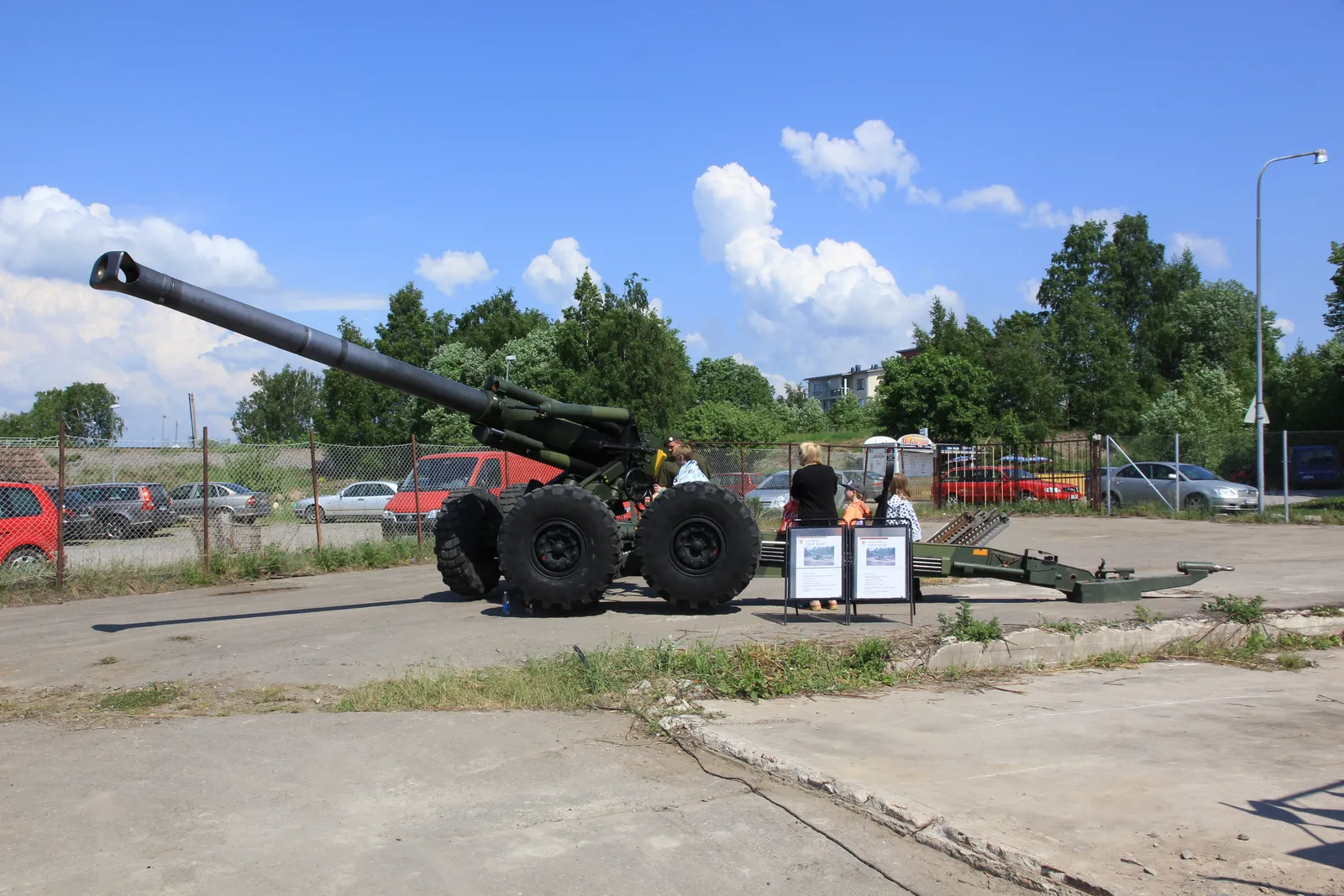
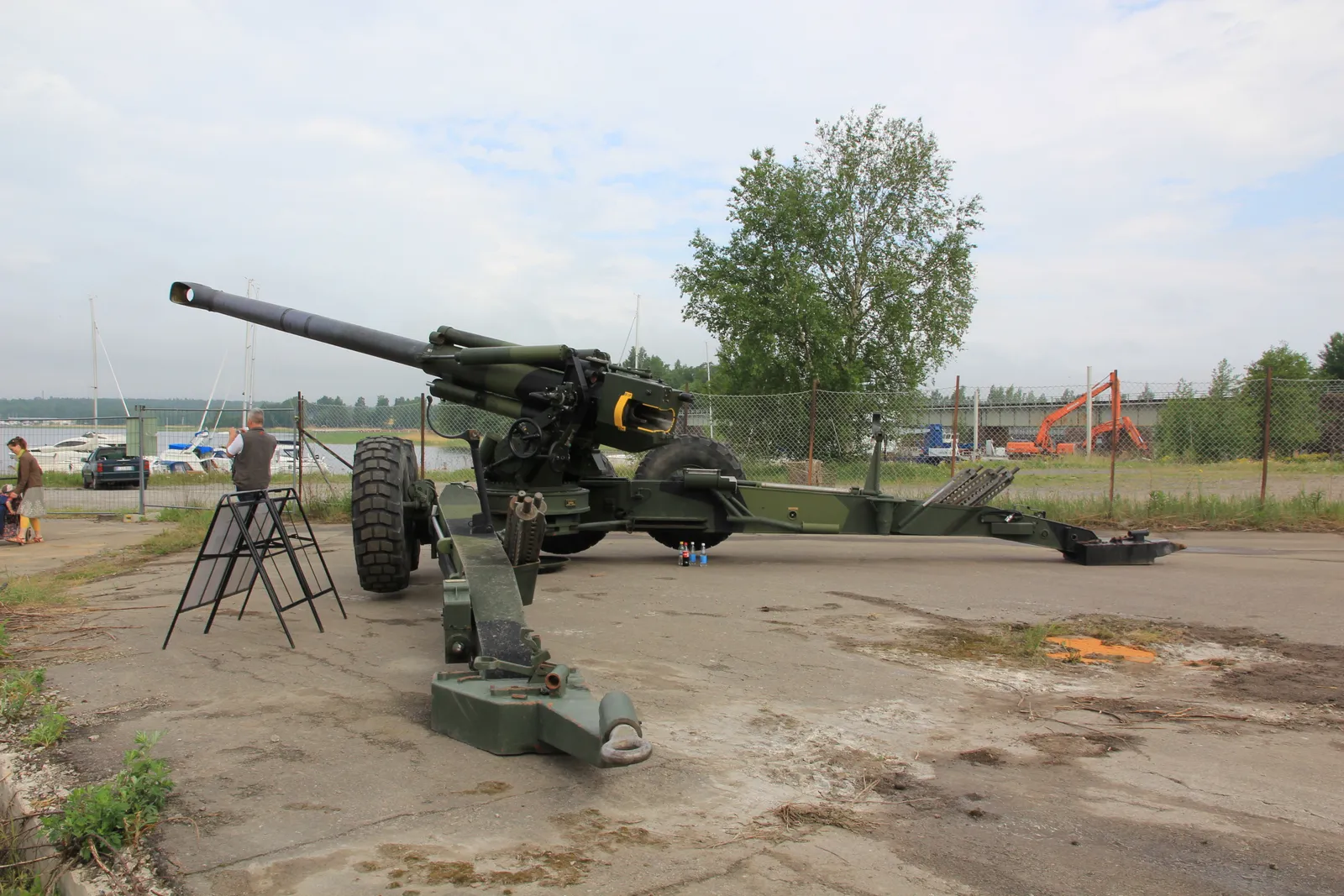
155mm Tampella M-83

Also known as
  • Tampella M-83
  • 155 K 83
  • 155 K 83-97
  • Tampella 155 K 83
  • Kanuuna 155 K 83-97

The 155mm Tampella M-83 is a Finnish 155 mm L/39 towed gun-howitzer adopted by Finland as the 155 K 83 and later modernized as the 155 K 83-97. It remains documented in Finnish Defence Forces service and training material as a heavy indirect-fire cannon; direct combat-use sourcing was not found for a conflict-use row.

Profile / Specs

Profile

Origin
Finland
Built by
TampellaPatria
Type
155 mm towed gun-howitzer
Service note
Cold War and post-Cold War Finnish service
Designer
Tampella; Patria names Marcus Collin as the 155 K 83 designer
Designed
Late 1970s to early 1980s
Produced
Manufacturing began in 1985 according to Patria; WeaponSystems.net describes early-1980s production
Number built
Not publicly settled; WeaponSystems.net notes conflicting public figures

Specifications

Caliber
155 mm
Barrel
L/39 ordnance; approximately 6 m gun tube on the Finnish Defence Forces page
Combat weight
About 9.5 t in firing position
Crew
7-8
Range
About 23-23.5 km with standard ammunition; about 30 km with base-bleed ammunition
Rate of fire
Burst fire reported as 3 rounds in 12-15 seconds; maximum rates vary by source
Elevation
-5 to +70 degrees
Traverse
45 degrees left and right
Mobility
Four-wheel split-trail towed carriage; no auxiliary power unit
Propelling charges
Finnish Ministry of Defence procurement identifies 155 mm full charges used for firing 155 K 83-97, 155 K 98, and 155 PSH K9 Thunder artillery systems
Design And Service Notes

The M-83 sits in Finland's domestic heavy-artillery line between the earlier Tampella 122 K 60 design lineage and the later 155 K 98 / 155 GH 52 APU family. WeaponSystems.net describes the M-83 as a 155 mm 39-caliber towed howitzer with a split-trail carriage, turntable baseplate, single-baffle muzzle brake, and no auxiliary power unit. A 2025 Finnish Ministry of Defence procurement notice still names the 155 K 83-97 among Finnish 155 mm artillery systems using full propelling charges.

Finnish designation

Finnish service uses 155 K 83 for the original gun and 155 K 83-97 for the modernized standard.

Ammunition class

The gun fires NATO-standard 155 mm ammunition; public range figures cluster around 23 km with standard projectiles and 30 km with base-bleed ammunition.

Mobility limit

Unlike the later 155 K 98 / 155 GH 52 APU, the M-83 is a truck-towed gun without its own auxiliary power unit.
Variants

The Finnish service designation separates the original 155 K 83 from the 155 K 83-97 modernization, which updated earlier guns for later NATO-standard propelling-charge arrangements.

VariantConfigurationDesignation notes
155 K 83Original Finnish service model

WeaponSystems.net identifies 155 K 83 as the original production model of the Tampella M-83 in Finnish service.

Sources: WeaponSystems.net Tampella M-83

155 K 83-97Modernized Finnish service model

The Finnish Defence Forces list the 155 K 83-97 as a Finnish-made heavy cannon for indirect fire support; detailed public modernization claims remain source-limited.

Sources: Finnish Defence Forces 155 K 83-97

Ammunition Fired

The M-83 family sits in the NATO-standard 155 mm artillery ammunition class, with firing data and approved charge combinations remaining system-specific.

AmmunitionAmmunition typeFiring evidence
155 mm NATO ammunition, 155 mm NATO-standard artillery ammunition family for 39-, 45-, and 52-caliber howitzers, Munitions155 mm NATO ammunition155 mm artillery ammunition family

WeaponSystems.net describes the M-83 as firing NATO-standard 155 mm shells, while BAE Systems describes current 155 mm ammunition products designed around NATO JBMOU and STANAG requirements for use with a range of 155 mm guns.

Sources: WeaponSystems.net Tampella M-83, BAE Systems 155mm Artillery Ammunition

Timeline

155mm Tampella M-83 Key Events

  1. Tampella manufacturing starts

    Patria's company history states that Tampella began manufacturing the 155 K 83 field gun in 1985 and names Marcus Collin as designer.

    Sources: Patria legacy history

  2. Vammas merges into Patria

    Patria states that Vammas Oy and other Finnish defence-industry entities were merged into Patria in 1997, placing the Tampella/Vammas field-gun lineage in Patria's later industrial context.

    Sources: Patria legacy history

  3. Finnish Army training use documented

    The Finnish Army reported Kainuu Artillery Regiment training at Rovajarvi with ten field guns and identified a soldier serving as a layer on a 155 K 83-97 field gun.

    Sources: Finnish Army Rovajarvi training article

  4. Full-charge procurement names 155 K 83-97

    Finland's Ministry of Defence authorized a Nammo Lapua order for 155 mm artillery full charges and identified the 155 K 83-97 as one of the guns that uses them.

    Sources: Finnish Ministry of Defence Nammo Lapua charges

Media
Related Weapon Systems
K9 Thunder, 155 mm tracked self-propelled howitzer, ArtilleryArtilleryK9 Thunder155 mm tracked self-propelled howitzerThe K9 Thunder is a South Korean 155 mm / 52-caliber tracked self-propelled howitzer built around protected mobility, rapid displacement, and high-rate indirect fire. Hanwha markets the family through K9A1 and K9A2 modernization paths, while Finnish Army data, Hanwha material, and U.S. Army Yuma Proving Ground reporting document its 47-ton tracked chassis, five-person baseline crew, 40 km-plus range class, burst-fire capability, K10 resupply link, and U.S. 155 mm munition compatibility work. Its directly sourced combat-use row here is the South Korean K9 response during the 2010 Yeonpyeongdo artillery exchange; Russia-Ukraine War links are treated as export and backfill context, not as Ukrainian K9 fielding.
M198 155 mm howitzer, 155 mm towed howitzer, ArtilleryArtilleryM198 155 mm howitzer155 mm towed howitzerThe M198 is a U.S.-designed 155 mm towed howitzer developed at Rock Island Arsenal to replace older M114-series guns. Its split-trail carriage, nine-person crew, air-transportable layout, and 22-30 km range made it a standard U.S. Army and Marine Corps fire-support weapon before the lighter M777 replaced it in U.S. service. Direct conflict sourcing now traces M198 fielding from Desert Storm through U.S. use in Afghanistan and Iraq, Islamic State capture and cross-border use in Iraq and Syria, Iraq-aligned militia firing, and coalition-backed Iraqi Army live-fire training.

Sources