Artillery

M114 155 mm Howitzer

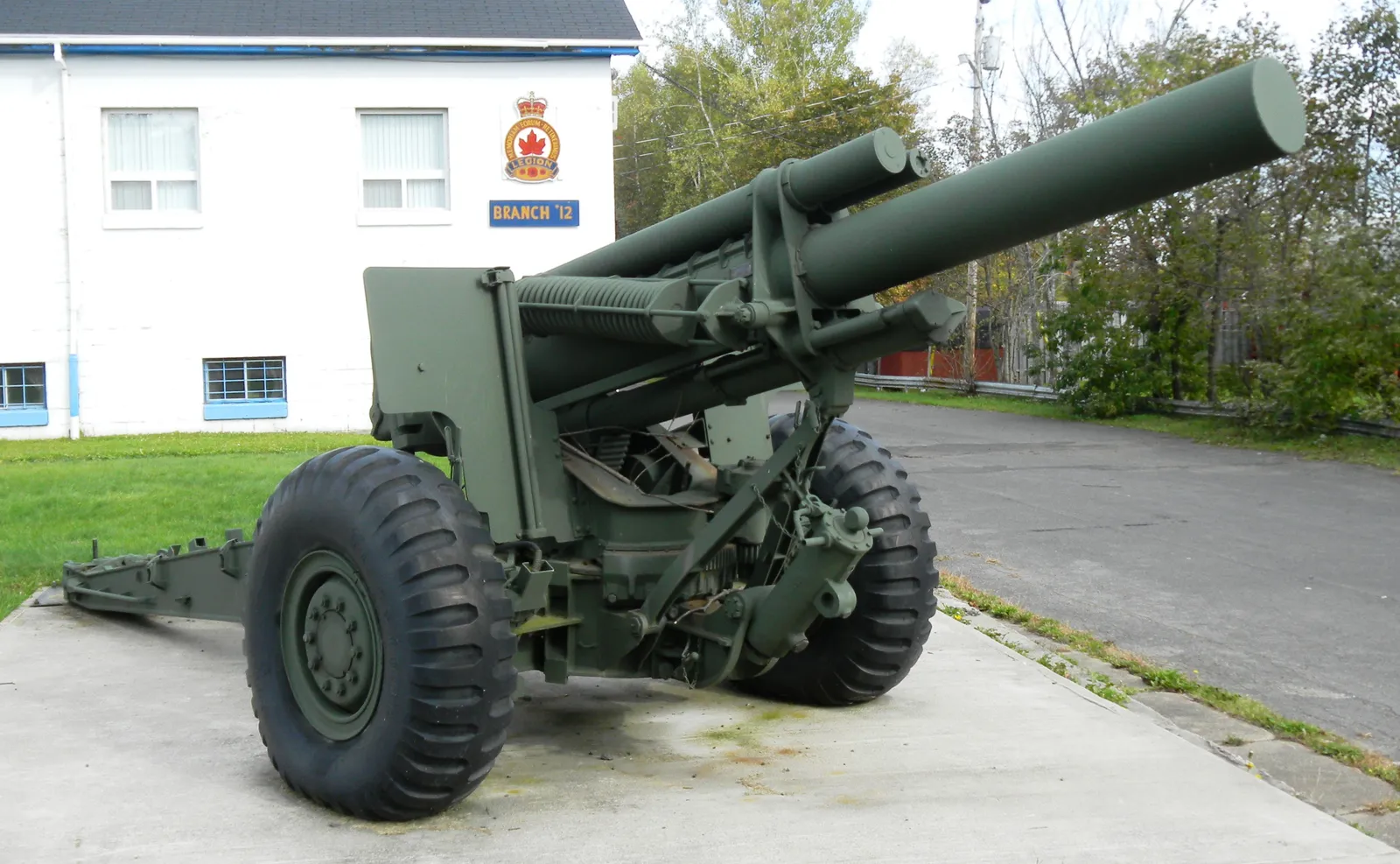
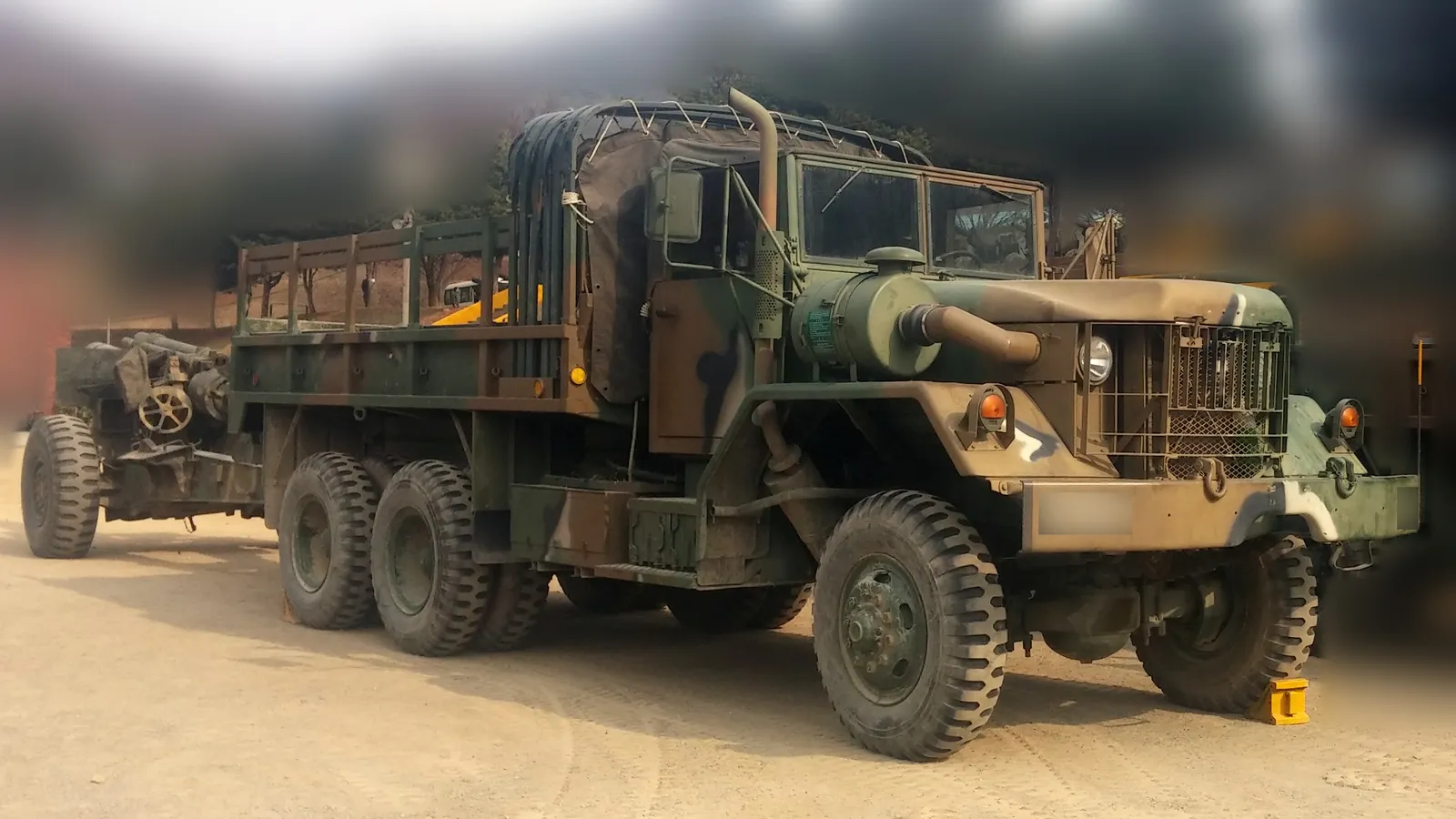
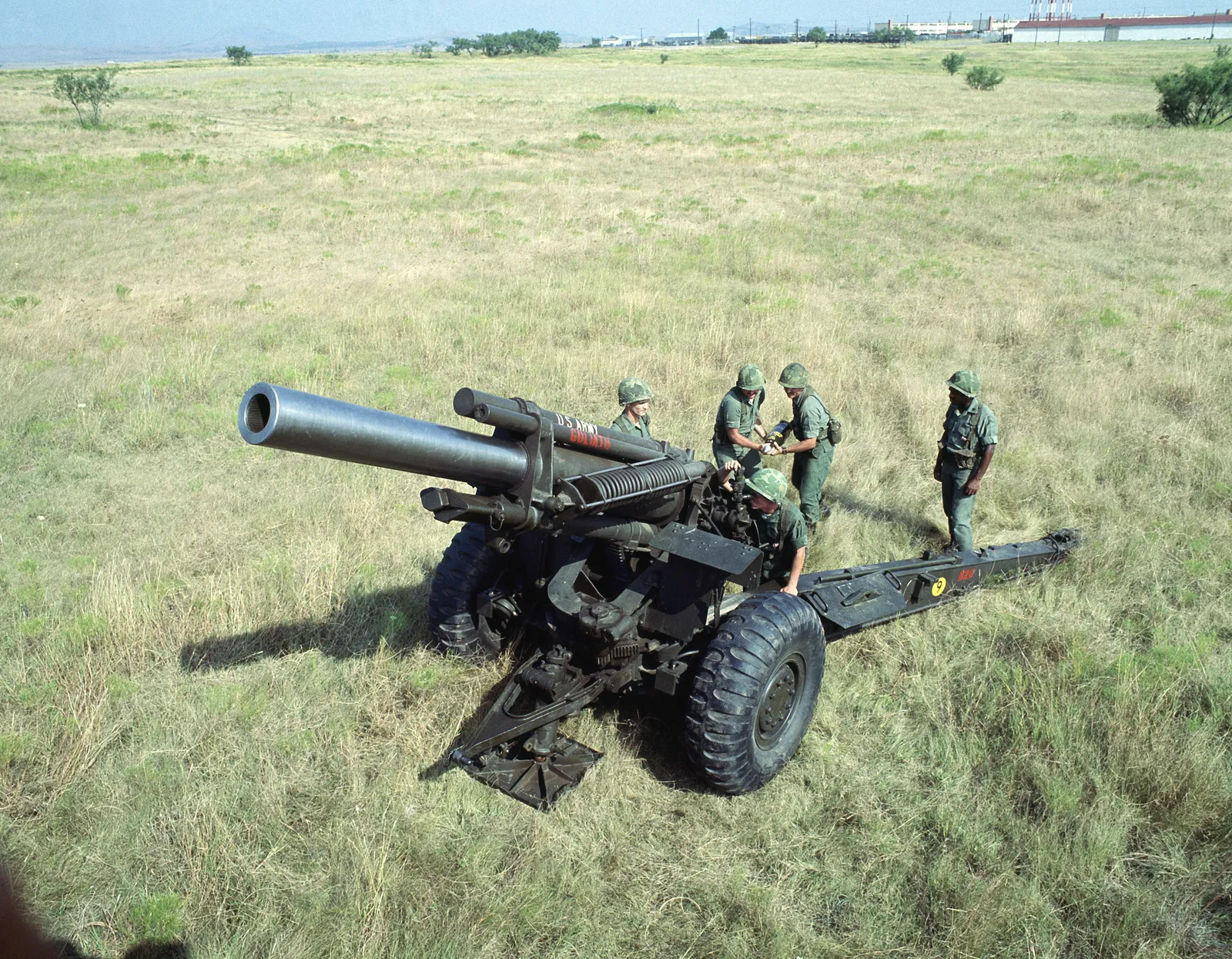
The M114 is a U.S.-origin 155 mm towed howitzer first fielded as the M1 during World War II and later redesignated M114. In Yemen, open-source evidence points to legacy Yemeni Army examples remaining available after the state arsenal fragmented, with Houthi-aligned forces publicly displaying M114 howitzers in 2022 rather than newly importing the system.

Conflict side
Houthi-aligned forces
Built by
Rock Island Arsenal
Built in
United States
M114 155 mm Howitzer, 155 mm towed field howitzer, Artillery

Profile

Type
155 mm towed field howitzer
Conflict side
Houthi-aligned forces
Origin
United States
Service note
World War II-era U.S. design retained in some foreign inventories during the Yemen Civil War
NATOtowed artillerystrike

Service History

In service
Entered U.S. service in 1942; retained by multiple foreign operators after U.S. replacement by the M198
Used by
Houthi-aligned forces, Yemeni Army
Wars
Yemen Civil War

Production History

Designer
U.S. Army Ordnance Department
Designed
1939-1941
Built by
Rock Island Arsenal
Built in
United States
Produced
1941-1953
Number built
About 10,300 U.S.-built examples
Variants
M114, M114A1, M114A2

Specifications

Caliber
155 mm
Configuration
Split-trail towed howitzer
Crew
About 11
Combat weight
About 5,600 kg
Maximum range
About 14.6 km with standard ammunition
Elevation
-2 degrees to +63 degrees
Traverse
25 degrees left and 25 degrees right
Ammunition
Separate-loading 155 mm bag-charge ammunition

Conflict Usage

Yemen Civil War
Side: Houthi-aligned forcesRole: Heavy towed artillery fielded from legacy Yemeni stocksstrike

Open-source inventories list M114 howitzers among pre-war Yemeni Army towed artillery available to battlefield parties, and a 2022 Houthi parade in Hodeidah was identified as displaying U.S.-made 155 mm M114 howitzers; the available sources support fielding and display, not a specific firing incident.

M114 155 mm Howitzer Images

Related Weapon Systems

F-35C Lightning II, Carrier-based stealth multirole fighter, Aircraft & UAVsAircraft & UAVsF-35C Lightning IICarrier-based stealth multirole fighterThe F-35C Lightning II is the carrier variant of the Joint Strike Fighter, built for catapult launches and arrested landings with larger wings, folding wingtips, strengthened landing gear, internal fuel for long-range carrier operations, and a sensor suite intended for strike, air-to-air, reconnaissance, and electronic-warfare missions. U.S. Marine Corps F-35Cs made the variant's first documented combat strikes against Houthi targets in Yemen in 2024, and an F-35C was later reported shooting down an Iranian Shahed-139 drone near USS Abraham Lincoln in 2026.
MQ-9 Reaper, Medium-altitude long-endurance unmanned combat aerial vehicle, Aircraft & UAVsAircraft & UAVsMQ-9 ReaperMedium-altitude long-endurance unmanned combat aerial vehicleThe MQ-9 Reaper is a General Atomics medium-altitude, long-endurance remotely piloted aircraft built for persistent intelligence collection and precision strike. Larger and more powerful than the MQ-1 Predator, it combines satellite control, electro-optical and infrared sensors, laser designation, and weapons such as Hellfire missiles and guided bombs, making it a recurring U.S. and coalition platform in counterterrorism, maritime-security, and regional-strike operations.
Panavia Tornado, Twin-engine variable-sweep wing multirole strike aircraft, Aircraft & UAVsAircraft & UAVsPanavia TornadoTwin-engine variable-sweep wing multirole strike aircraftThe Panavia Tornado is a European twin-engine, variable-sweep wing combat aircraft built by a UK-German-Italian consortium for low-level strike, interdiction, reconnaissance, and air-defense variants. In the Yemen Civil War, Royal Saudi Air Force Tornados formed part of the Saudi-led coalition's air campaign, with direct reporting documenting a Tornado on a close-air-support mission in al-Jawf in February 2020.

Sources