- Role in conflict
- Captured rifle for urban defense

Captured M1 Garand rifles were documented among the small arms used by local IS-aligned militants defending positions during the 2017 urban battle for Marawi.
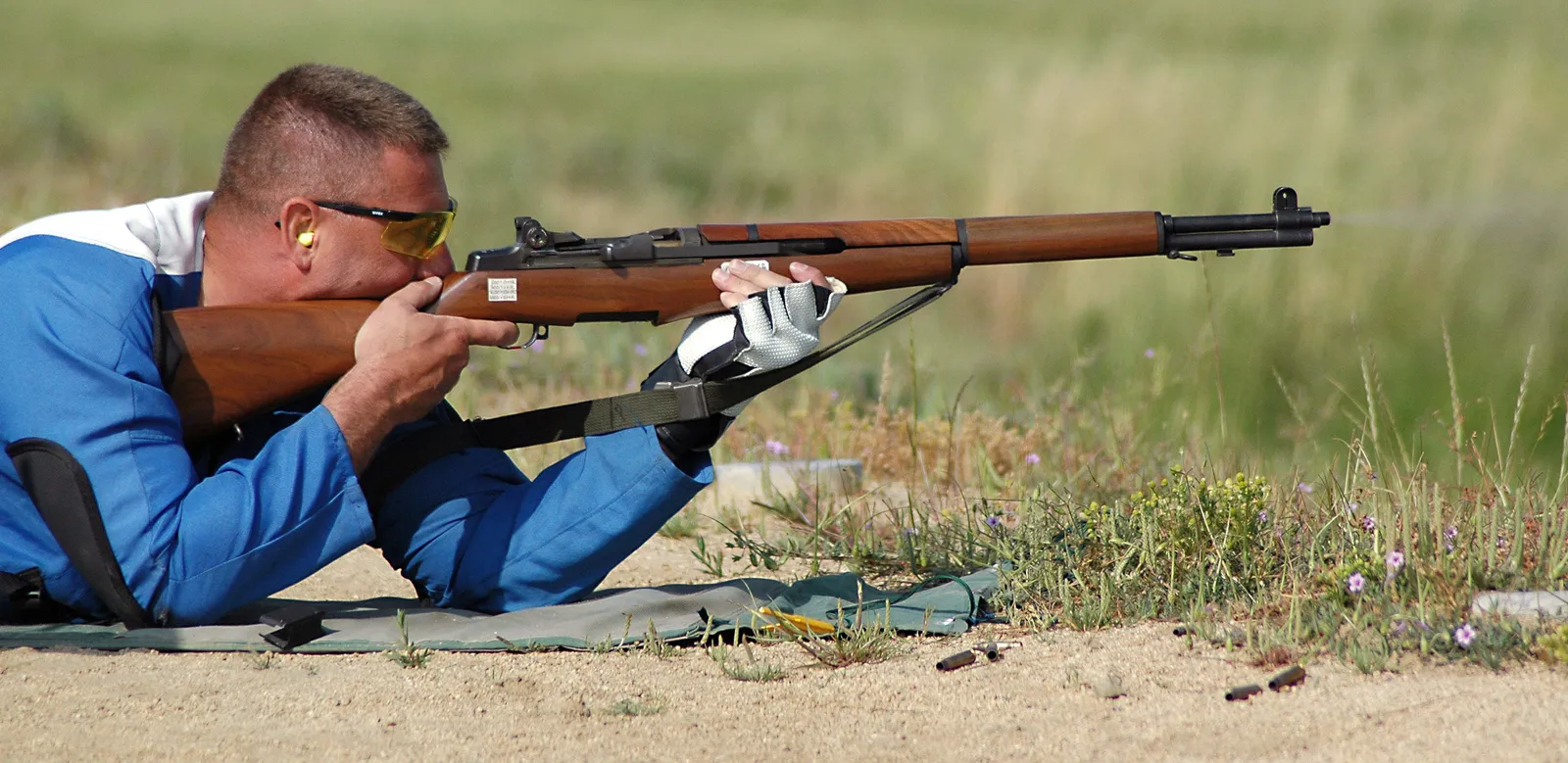
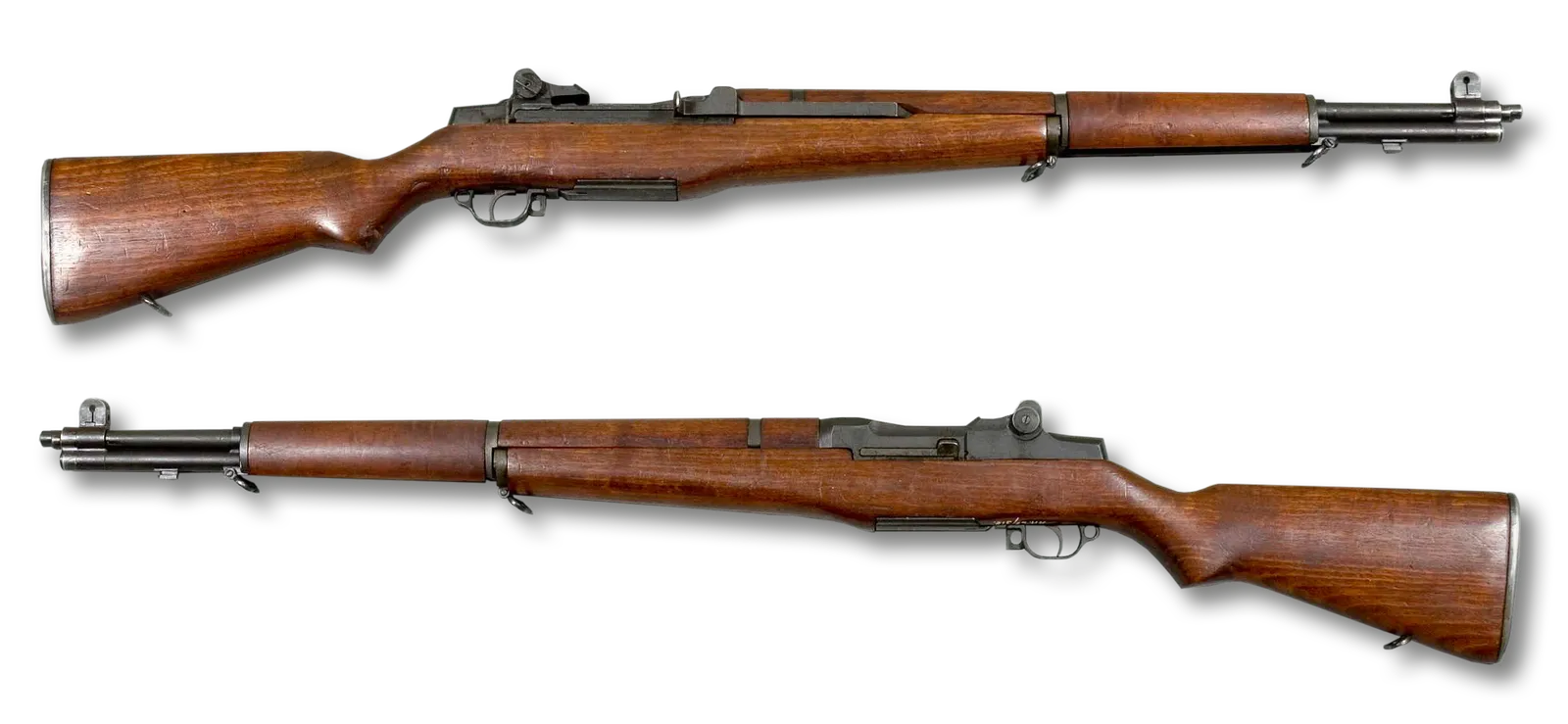
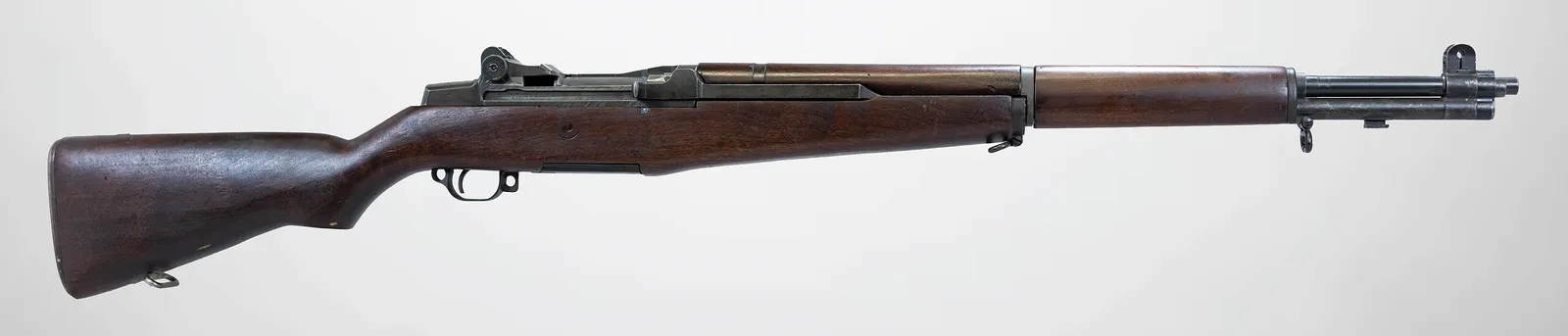
The M1 Garand is a U.S.-origin .30-06 semi-automatic service rifle designed by John C. Garand and mass-produced for World War II and Korean War service. Modern catalog relevance comes from documented legacy circulation: captured examples appeared with IS-aligned militants in Marawi, while Philippine reporting later tied Garand rifles to New People's Army holdings in the ongoing communist insurgency.
Captured M1 Garand rifles were documented among the small arms used by local IS-aligned militants defending positions during the 2017 urban battle for Marawi.
Philippine News Agency reporting tied Garand rifles to NPA weapons holdings, including eight M1 Garands surrendered in Caraga in 2024 and a Garand rifle recovered after a 2025 clash in Leyte.
The Garand's identity comes from its gas-operated semi-automatic action, fixed internal magazine, and en bloc clip loading system rather than from later detachable-box-magazine rifle patterns.
| Feature | Sourced detail | Why it matters |
|---|---|---|
| Official designation | War Department FM 23-5 names the weapon as U.S. Rifle, Caliber .30, M1. | Supports search aliases and separates the rifle from later M1-designated U.S. weapons. |
| Feed system | NPS material describes the rifle as using an eight-shot clip, matching the Garand's internal-magazine loading system. | Explains the rifle's handling difference from later detachable-magazine service rifles. |
| Production base | NPS serial-number guidance separates Springfield Armory, Winchester, International Harvester, and Harrington & Richardson production ranges. | Clarifies why the manufacturer field lists several U.S. builders. |
The core infantry rifle was supplemented by offset-scope sniper variants, with the M1C adopted late in World War II and the simpler M1D configuration appearing as a follow-on sniper conversion.
| Variant | Configuration | Designation notes |
|---|---|---|
| M1C sniper rifle | Offset-scope sniper variant | American Rifleman describes the M1C as the standardized sniper variation of the Garand, using a Griffin & Howe side mount so the rifle could still load by en bloc clip. Sources: The M1C Garand Sniper Rifle |
| M1D sniper rifle | Follow-on sniper conversion | CMP material identifies the M1D as an M1 Garand sniper rifle variant associated with U.S. Army Marksmanship Unit museum support and later collector sales. Sources: CMP Auctions M1D Garand Sniper Rifle |
The Garand's standard service chambering links the rifle to the cataloged .30-06 Springfield cartridge entry.
| Ammunition | Ammunition type | Firing evidence |
|---|---|---|
 | Rifle cartridge | FM 23-5 identifies the weapon as a .30-caliber M1 rifle, and Winchester's M1 Garand ammunition line lists .30-06 Springfield loads made for legacy Garand rifles. Sources: FM 23-5 U.S. Rifle, Caliber .30, M1, Winchester M1 Garand |
The U.S. Army adopted John Garand's semi-automatic rifle as the standard service rifle, giving U.S. infantry an eight-round clip-fed rifle before World War II.
Sources: Springfield Armory: The Best Battle Implement Ever Devised
War Department FM 23-5 documented the official nomenclature as U.S. Rifle, Caliber .30, M1 and covered soldier-level handling for the service rifle.
Sources: FM 23-5 U.S. Rifle, Caliber .30, M1
The M1C sniper rifle was standardized late in World War II to add telescopic sight capability while preserving the Garand's clip-loading system.
Sources: The M1C Garand Sniper Rifle
Captured Garand rifles were reported among weapons used by IS-aligned militants during the 2017 Battle of Marawi in the Philippines.
Sources: Unexpected Longevity: Foreign Use Of The M1 Garand
Philippine News Agency reporting from Caraga said NPA members surrendered eight M1 Garand rifles among other firearms.
Sources: 16 NPA rebels yield, 2 killed in Caraga Region
Philippine Army reporting carried by PNA said troops recovered a Garand rifle after a firefight with an NPA unit in Leyte.
Sources: Clash foils NPA extortion attempt in Leyte