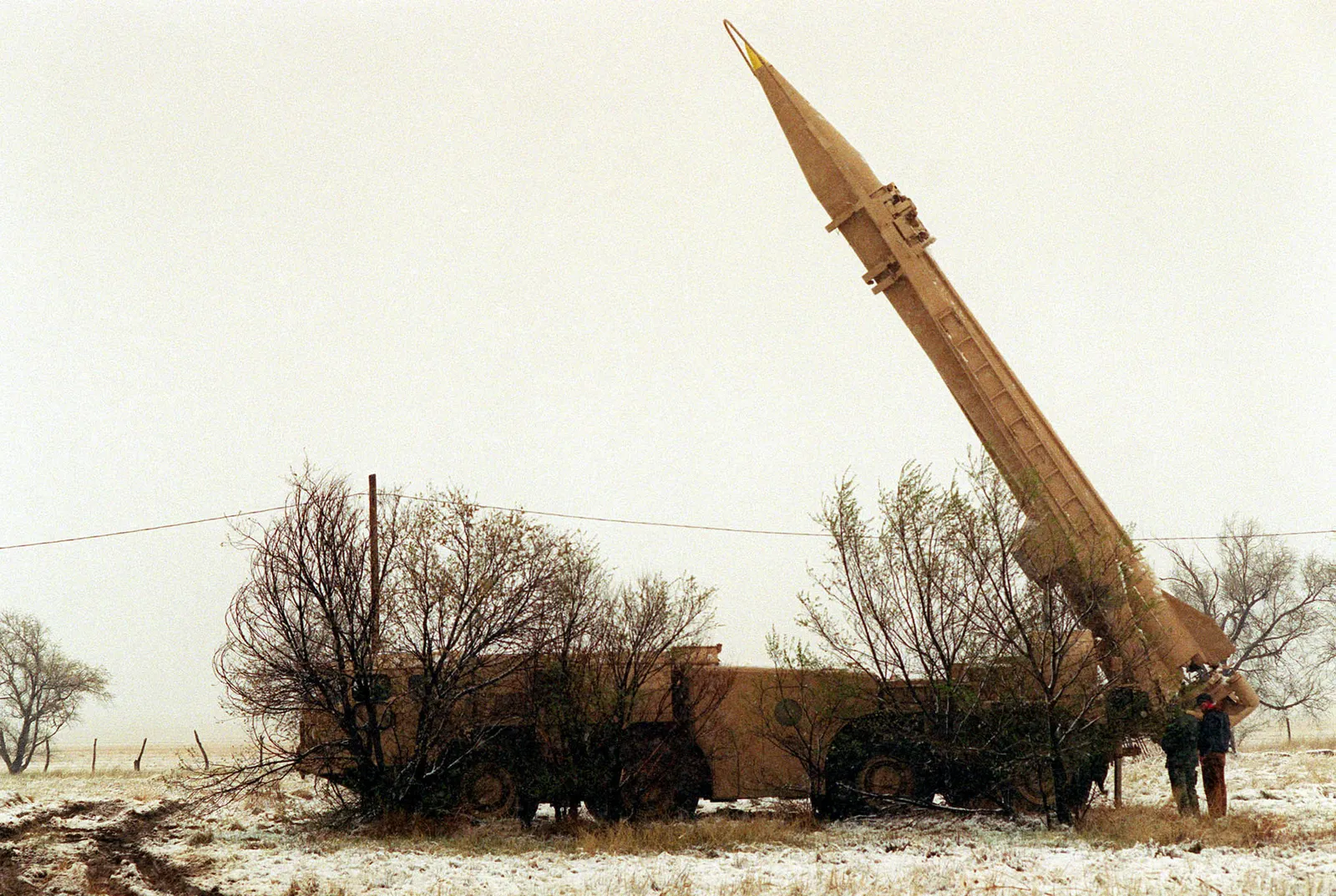

Houthi-aligned forces fired Scud-C/Hwasong-6-class missiles from inherited Yemeni stocks during cross-border attacks on Saudi Arabia; CSIS identifies a confirmed Scud-C launch on June 29, 2015, a likely June 6 launch, and later reporting cites a May 2017 Hwasong-6 derivative attack on Najran.
Role detailsMunitions
Scud-C ballistic missile
Also known as
- Scud C
- Scud-C
- SS-1d
- SS-1D Scud-C
- Scud Mod C
- Scud-C type SRBM
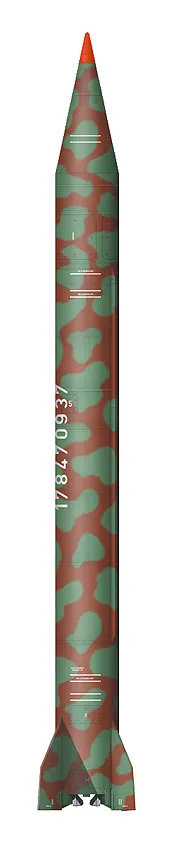
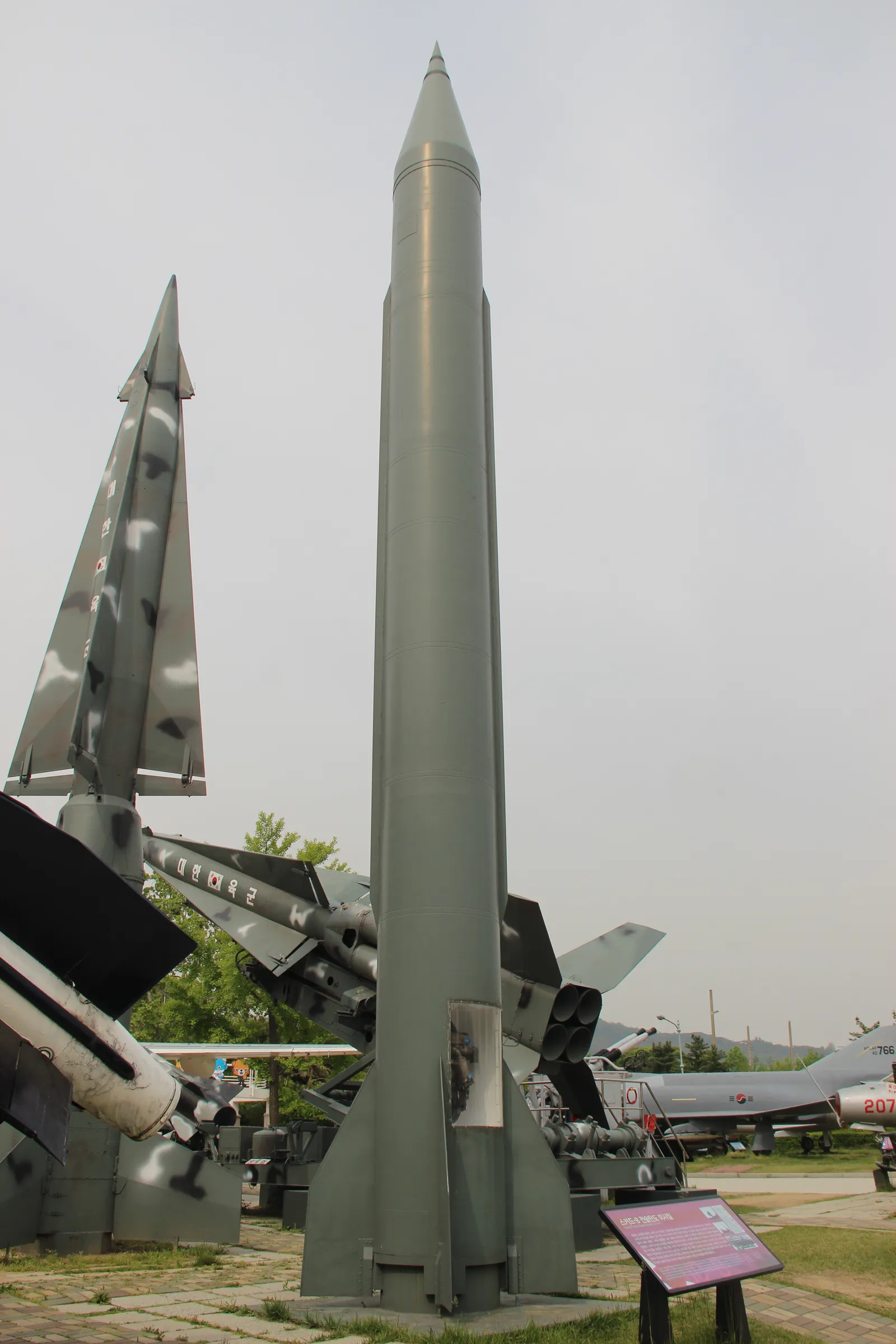
The Scud-C is the extended-range Scud-family short-range ballistic missile class most closely represented in export service by North Korea's Hwasong-6. It traded payload and accuracy for roughly 500-550 km reach, used road-mobile launchers, and appeared in the 2014 Yemen Civil War when Houthi-aligned forces fired Scud-C/Hwasong-6-class missiles from inherited Yemeni stocks into Saudi Arabia.
Role in Conflicts
Profile / Specs
Profile
- Origin
- Soviet Union; Yemeni stocks included North Korean-supplied Scud-C/Hwasong-6 missiles
- Built in
- Soviet UnionNorth Korea
- Type
- Short-range liquid-fueled ballistic missile
- Service note
- Cold War design with documented 2014 Yemen Civil War use in 2015
- Designer
- Makeyev OKB / Soviet missile design organizations
- Designed
- 1960s extended-range Scud development
- Unit cost
- Not publicly established
- Produced
- 1960s onward for Scud-C and derivative export variants
- Number built
- Unknown; Yemen stockpile estimates cited by CSIS vary from 25 to 90 Scud-C missiles before the war.
Specifications
- Class
- Short-range ballistic missile
- Range
- About 500-550 km
- Payload
- About 600-770 kg single warhead depending on source and variant
- Length
- 11.25 m
- Diameter
- 0.88 m
- Launch weight
- About 6,400 kg
- Guidance
- Inertial guidance
- Propulsion
- Single-stage liquid propellant
- Basing
- Road-mobile
- Accuracy
- Roughly 700-1,500 m CEP depending on Scud-C/Hwasong-6/Shahab-2 source estimate
Designation Notes
Scud-C is a family designation rather than a single national production label. CSIS uses Hwasong-6 for the North Korean-produced Scud-C variant and Shahab-2 for Iran's Scud-C variant, while Yemen reporting ties the conflict-use evidence here to inherited Scud-C/Hwasong-6-class stocks. The catalog's similarly named Shehab-2 entry is a Hamas UAV and is not a linked missile variant.
Scud-C / SS-1d
Extended-range Scud-family short-range ballistic missile label.
Hwasong-6
North Korean-produced Scud-C variant and export reference.
Shahab-2
Iranian Scud-C variant; kept unlinked here to avoid confusing it with the UAV record.
Sources: Hwasong-6; Shahab-2 (Scud C-Variant); The Missile War in Yemen.
Variants
Public sources use Scud-C as a family label and Hwasong-6 for the North Korean-produced Scud-C variant. Some export derivatives use local names, so designation rows below separate the family label from directly linked catalog entries.
| Variant | Configuration | Designation notes |
|---|---|---|
 | Earlier Scud-family baseline | The Scud-C/Hwasong-6 lineage extended the Scud-B/Hwasong-5 class by reducing payload and increasing propellant capacity to reach longer ranges. Sources: Hwasong-6 |
 | North Korean Scud-C variant | CSIS identifies Hwasong-6 as the North Korean-produced Scud-C variant and lists it as a short-range, road-mobile missile in service since 1992. Sources: Hwasong-6 |
| Shahab-2 | Iranian Scud-C/Hwasong-6 derivative | CSIS identifies Shahab-2 as Iran's Scud-C variant, with Iranian service beginning in 1997; this is not linked to the catalog's similarly named Hamas UAV record. Sources: Shahab-2 (Scud C-Variant) |
Launch Platform
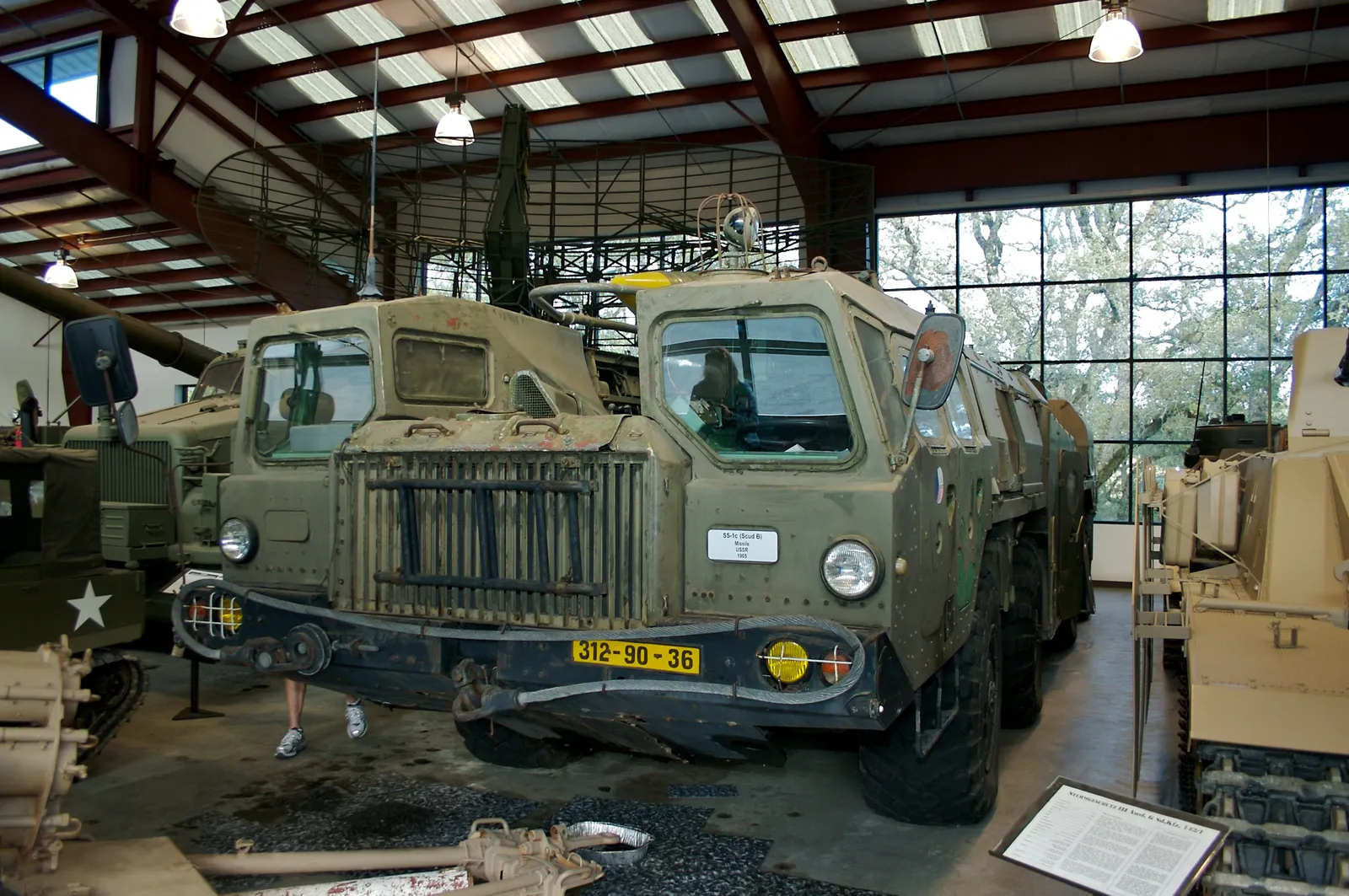
Scud-C/Hwasong-6 missiles relied on road-mobile transporter-erector-launchers, with North Korean work adapting existing Scud TELs and pursuing MAZ-543-family chassis access.
| Launcher | Launcher type | Launch evidence |
|---|---|---|
 | Road-mobile transporter-erector-launcher | CNS describes Hwasong-6 support-arm modifications on existing TELs and North Korean attempts to obtain additional MAZ-543 chassis, TELs, and spare parts for Scud-family launch operations. Sources: A History of Ballistic Missile Development in the DPRK |
Timeline
Scud-C ballistic missile Key Events
North Korean Hwasong-6 development begins
CSIS places the start of Hwasong-6 development around 1984 as North Korea pursued a longer-range Scud-C derivative.
Sources: Hwasong-6
Initial Hwasong-6 production starts
CSIS reports initial Hwasong-6 production in 1989, followed by peak production in the early 1990s.
Sources: Hwasong-6
First reported Hwasong-6 test
CNS reporting places the first Hwasong-6 test launch at Musudan-ri in June 1990.
Sources: A History of Ballistic Missile Development in the DPRK
Export users emerge
CSIS reports Iranian purchases in 1991 and Syrian receipt from North Korea in 1991, establishing the missile's wider Scud-C export context.
Sources: Hwasong-6
Confirmed Scud-C launch in Yemen
CSIS cites UN reporting for a confirmed June 29, 2015 Scud-C launch by Houthi-aligned forces during the 2014 Yemen Civil War.
Sources: The Missile War in Yemen
Hwasong-6 derivative attack on Najran
Reporting on UN Panel work identifies a May 2017 Houthi attack on Najran as involving a Hwasong-6 derivative.
Sources: Houthi Terror Scuds Now Threaten Most of Saudi Arabia
Media
Scud-C ballistic missile Videos

Related Weapon Systems





Sources
R-11 (SS-1) ScudPublisher: CSIS Missile Threat | Note: Supports Scud-C background, dimensions, range, payload, guidance, propulsion, and general Scud-family context. | Accessed: 2026-06-20Hwasong-6Publisher: CSIS Missile Threat | Note: Supports Hwasong-6 as the North Korean-produced Scud-C variant, including designation, road-mobile basing, specifications, service date, export users, and Shahab-2 derivative context. | Accessed: 2026-07-01Shahab-2 (Scud C-Variant)Publisher: CSIS Missile Threat | Note: Supports Shahab-2 as the Iranian Scud-C variant, including origin, road-mobile basing, 500 km range, payload, and 1997 service-entry context. | Accessed: 2026-07-01A History of Ballistic Missile Development in the DPRKPublisher: Center for Nonproliferation Studies | Note: Supports Hwasong-6 test, production, export, and launcher/TEL adaptation context for the Scud-C family. | Accessed: 2026-07-01The Missile War in YemenPublisher: Center for Strategic and International Studies | Note: 2014 Yemen Civil War: documents Scud-C missiles fired by Houthi-aligned forces, including a confirmed June 29, 2015 launch and likely June 6, 2015 launch, and supports Yemen stockpile context. | Accessed: 2026-07-01Houthi Terror Scuds Now Threaten Most of Saudi ArabiaPublisher: Breaking Defense | Note: 2014 Yemen Civil War: reports UN Panel evidence that a Houthi missile fired at Najran in May 2017 was a Hwasong-6 derivative and gives broader Scud-family strike context. | Accessed: 2026-07-01Final Report of the Panel of Experts on Yemen, 2018Publisher: United Nations Security Council | Note: 2014 Yemen Civil War: cited by CSIS for the Scud-C fired by Houthi-aligned forces and for the confirmed June 29, 2015 Scud-C launch. | Accessed: 2026-07-01Saudi Intercepts Scud Missile Fired From YemenPublisher: Defense News | Note: 2014 Yemen Civil War: reports a Scud fired by rebel forces from Yemen into Saudi Arabia and intercepted by Saudi air defenses on June 6, 2015. | Accessed: 2026-06-20Commons Scud Launcher ImagePublisher: Wikimedia Commons | Note: Supports image provenance for a public-domain U.S. Navy photograph of a Scud launcher used as representative Scud-family imagery. | Accessed: 2026-06-20Commons Hwasong 6 ImagePublisher: Wikimedia Commons | Note: Supports image provenance and CC BY 3.0 licensing for a Hwasong-6 illustration used as secondary Scud-C/Hwasong-6-specific gallery imagery. | Accessed: 2026-07-01Commons SS-1c Scud B Missile ImagePublisher: Wikimedia Commons | Note: Supports image provenance and CC BY-SA licensing for a Scud-family missile display image used as representative imagery. | Accessed: 2026-06-20Commons Scud-B Tactical Ballistic Missile ImagePublisher: Wikimedia Commons | Note: Supports image provenance and CC0 licensing for a museum Scud-family missile photograph used as representative imagery. | Accessed: 2026-06-20Commons Scud Downed by Patriot ImagePublisher: Wikimedia Commons | Note: Supports image provenance for a public-domain U.S. Department of Defense photograph showing Scud missile debris after Patriot interception. | Accessed: 2026-06-20