Profile
- Type
- Road-mobile short-range ballistic missile family
- Conflict side
- Russia
- Origin
- North Korea
- Service note
- Introduced through flight tests from 2019 and documented in Russian use during the full-scale Russia-Ukraine War
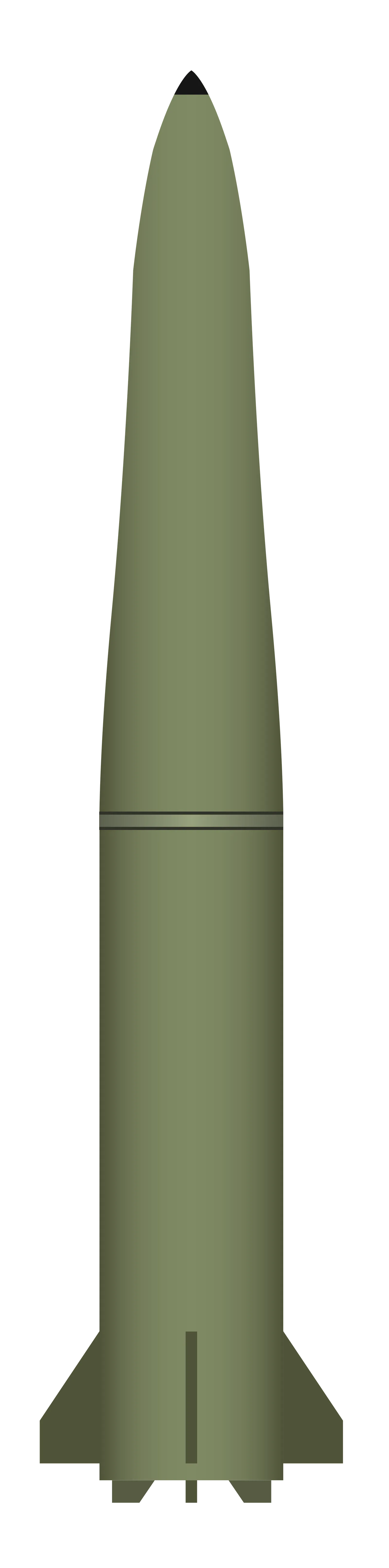
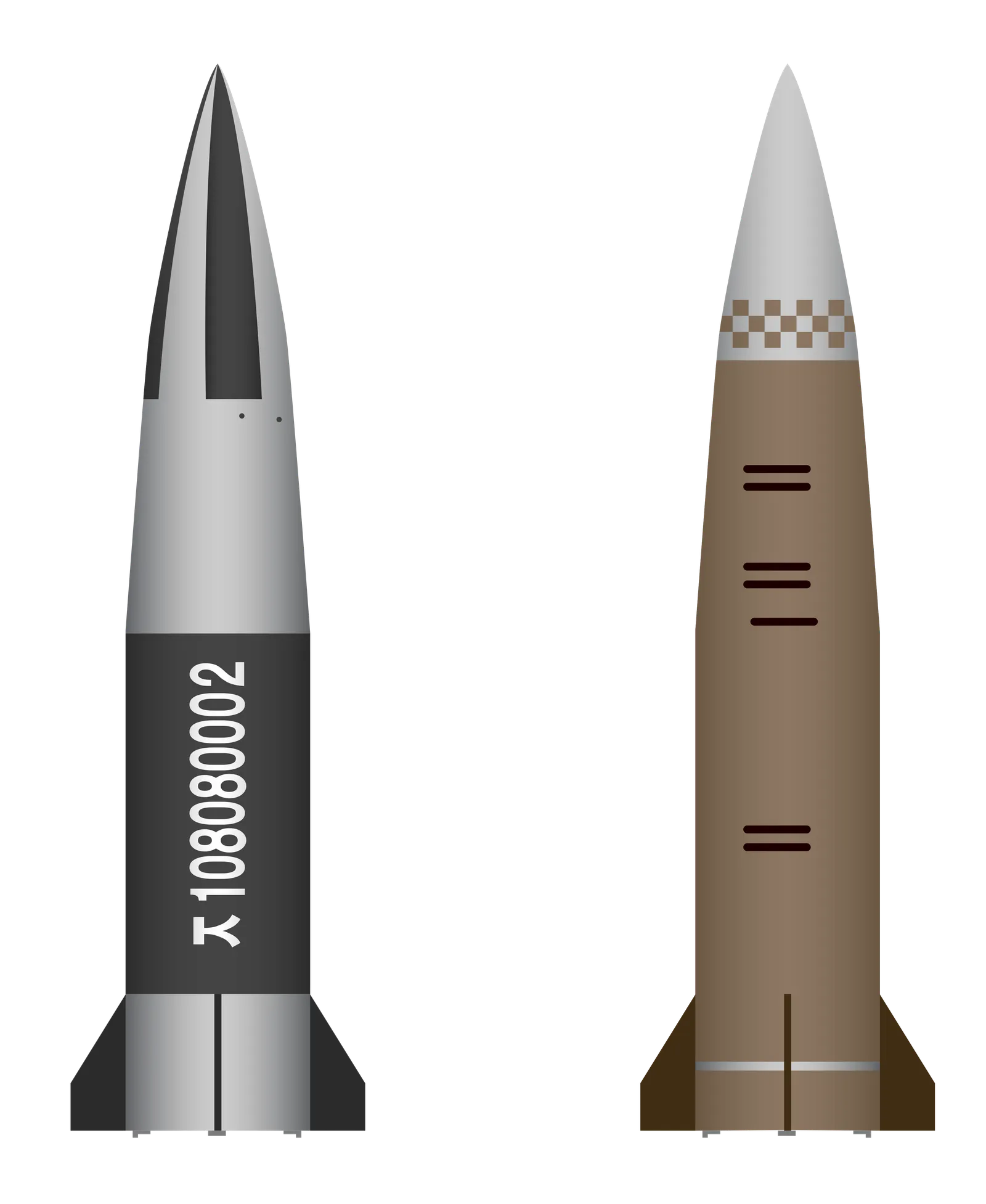
The KN-23 and KN-24 are North Korean solid-fuel short-range ballistic missiles associated with the Hwasong-11 family. The KN-23 is a quasi-ballistic, Iskander-like system with an estimated range up to about 690 km, while the KN-24 is an ATACMS-like tactical ballistic missile assessed around 410 km. Their appearance in Russian strikes against Ukraine made them a documented example of North Korean missile proliferation into a high-intensity European war.
Russian forces used North Korean KN-23 and KN-24 short-range ballistic missiles in attacks on Ukrainian cities; Ukrainian Ministry of Defence specialists examined recovered missile debris from combat use, including fragments from a missile that fell in Kharkiv on 2 January 2024.
Haj QassemRoad-mobile solid-fuel medium-range ballistic missileHaj Qassem, also rendered Haj Qasem or Shahid Haj Qasem, is an Iranian road-mobile solid-fuel medium-range ballistic missile in the Fateh-family design line. Public reference data gives it a roughly 1,400 km range and a 500 kg-class warhead, placing it among Iran's longer-range solid-propellant precision-strike systems for attacks on regional bases and cities.
SejjilRoad-mobile medium-range ballistic missileSejjil is an Iranian road-mobile, two-stage solid-propellant medium-range ballistic missile developed as a faster-launching alternative to Iran's older liquid-fueled Shahab-family systems. Open-source assessments credit it with roughly 2,000 km range, a heavy single warhead, and an operational role in Iran's long-range strike force, with 2026 reporting documenting IRGC use during Operation True Promise 4.
Fateh-110Road-mobile short-range ballistic missileThe Fateh-110 is an Iranian road-mobile, solid-propellant short-range ballistic missile family developed from the Zelzal rocket with added guidance and control. Its later Fateh-313 and Fateh-e Mobin derivatives extend the family into the 300-500 km range class, and Fateh-type missiles were documented in Iran's January 2020 strikes on U.S. bases in Iraq.
GhadrMedium-range ballistic missileGhadr is an Iranian medium-range ballistic missile family derived from the Shahab-3 line, with a lighter airframe, conic reentry vehicle, and range class intended to hold regional targets at risk. It is associated with Shahid Hemmat Industrial Group and Iran's Aerospace Industries Organization, and recent reporting directly documents Ghadr use by Iran during the June 2025 missile exchange connected to the United States-Iran Conflict archive.
Ghadr-1Road-mobile medium-range ballistic missileThe Ghadr-1 is an Iranian road-mobile medium-range ballistic missile derived from the Shahab-3 line, with a stretched liquid-fueled airframe, reduced warhead mass, and a reshaped reentry vehicle intended to extend reach toward roughly 1,600 km. Open sources describe it as part of Iran's strategic strike inventory, with Ghadr-family missiles documented in Iranian attacks on Israel during the 2025 Israel-Iran Conflict.
Kheybar ShekanSolid-fuel medium-range ballistic missileKheybar Shekan is an Iranian solid-fuel medium-range ballistic missile associated with the IRGC Aerospace Force and intended for rapid-launch long-range strikes. Open-source assessments list it as a deployed 1,450 km-class system with a 450-600 kg payload, and Iran has used it in documented post-2024 missile strikes against Islamic State-linked targets in Syria and Israeli military targets.