- Side
- EgyptSyria

ARES reports that Syrian and Egyptian S-23 guns were used against Israel in 1973, mainly in artillery duels near the Golan Heights, and that Israeli forces captured at least one Egyptian gun.
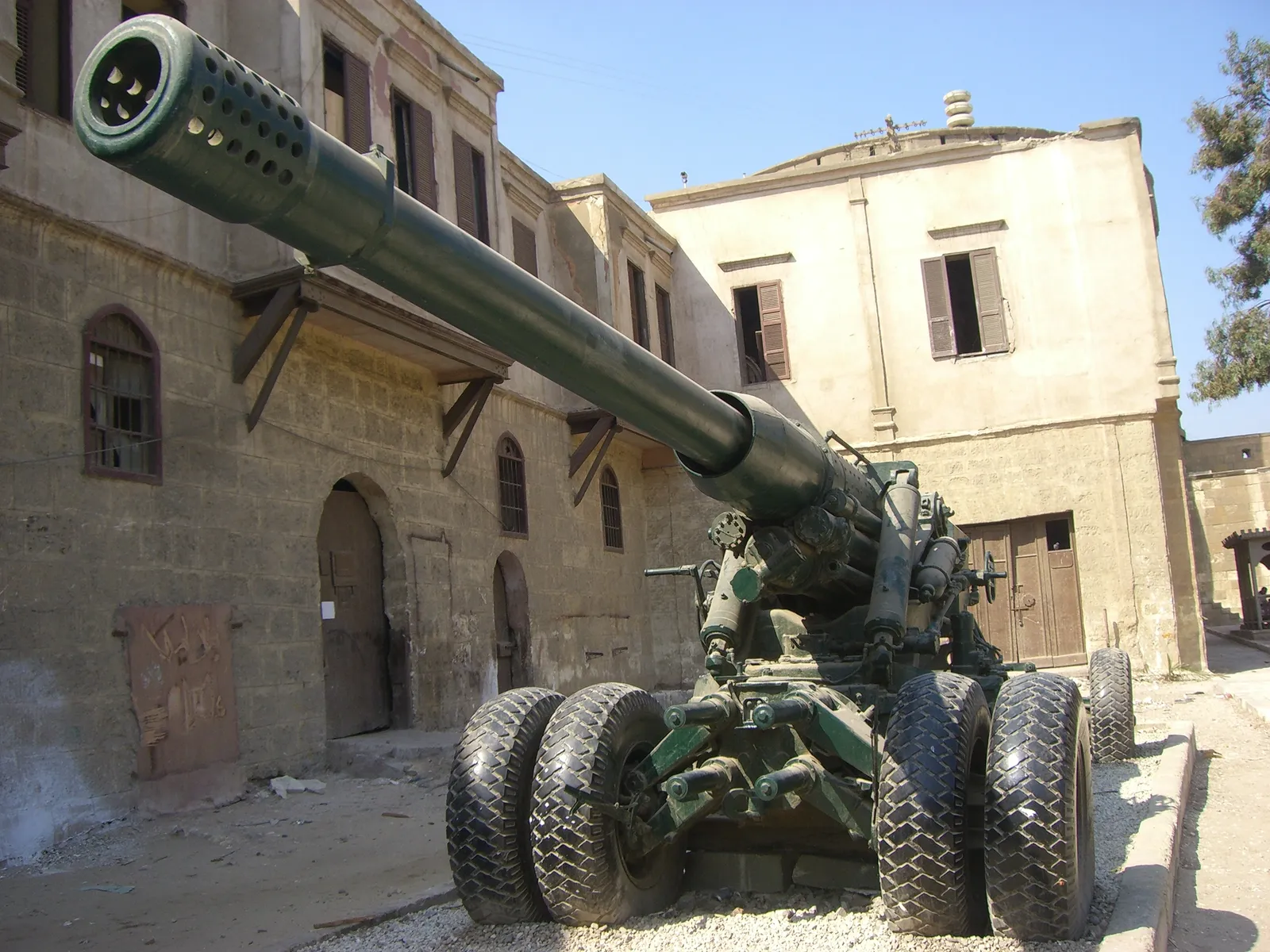
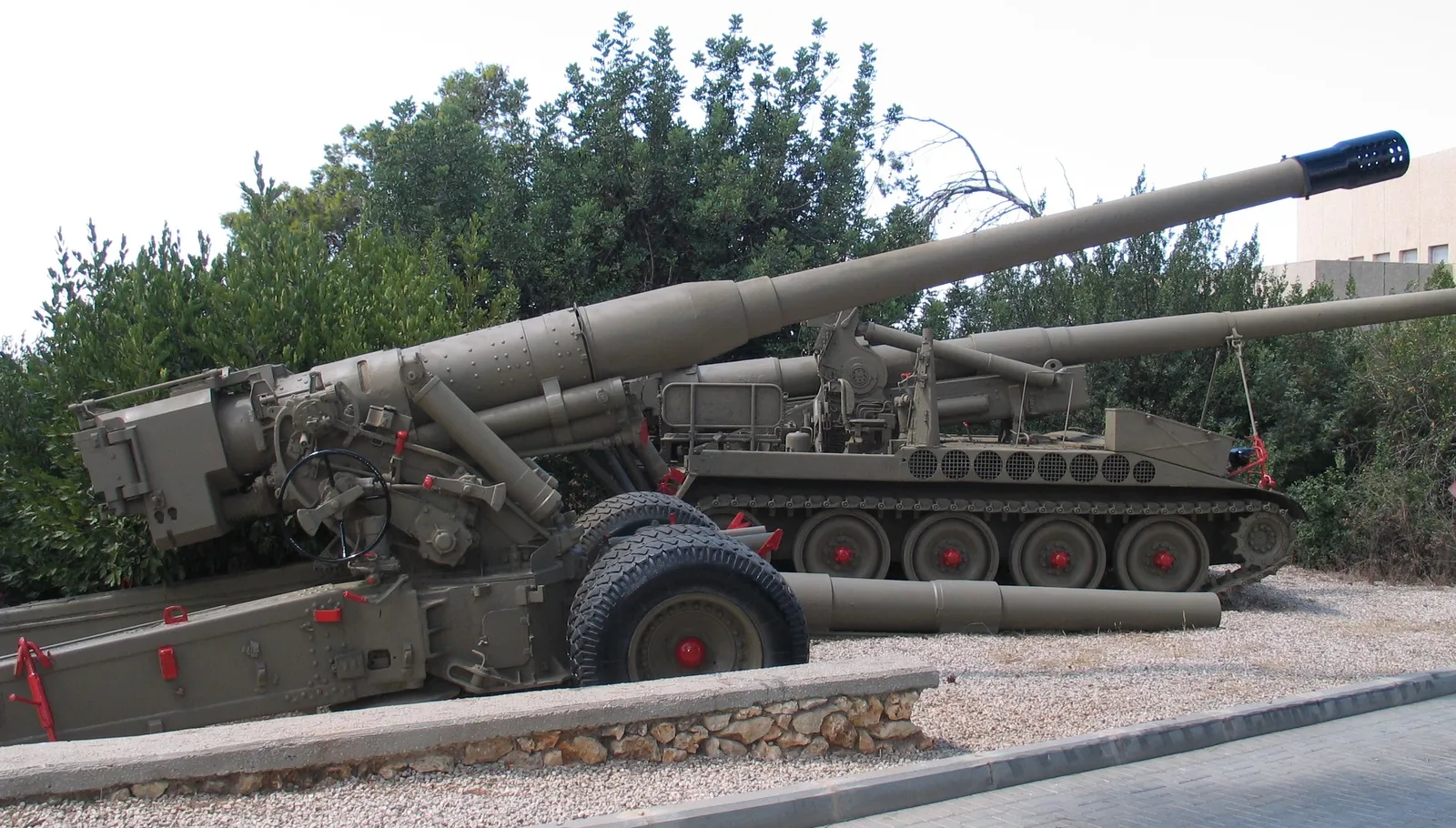
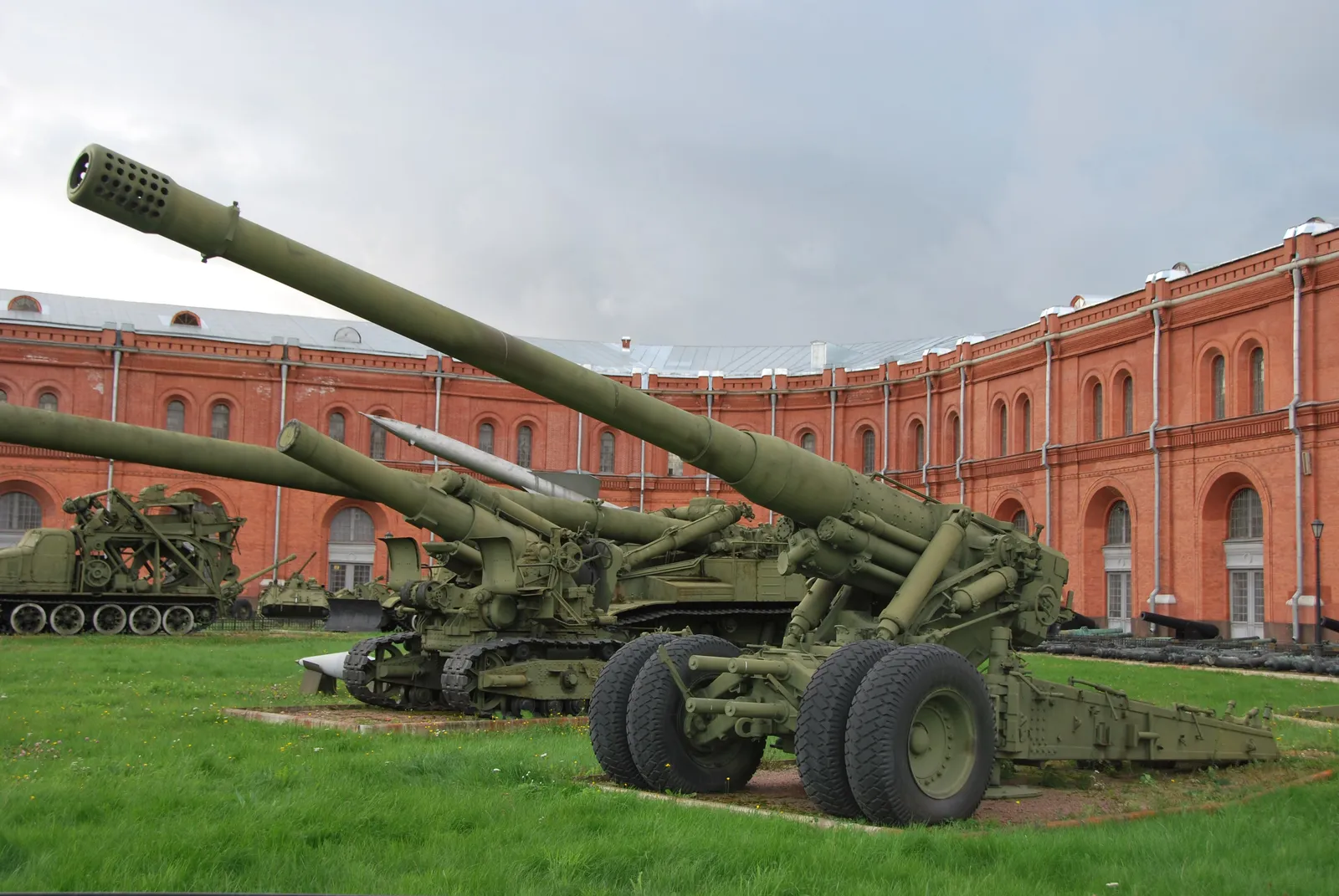
The S-23 is a Soviet 180 mm towed heavy gun built for long-range corps or army-level fire rather than close tactical support. Its unusual caliber, heavy split-trail carriage, and rocket-assisted ammunition gave Syrian and Egyptian forces a long-reach artillery option in the 1973 Yom Kippur War, while later Syrian Civil War evidence shows the type still present in Syrian Army artillery stocks decades after production ended.
ARES reports that Syrian and Egyptian S-23 guns were used against Israel in 1973, mainly in artillery duels near the Golan Heights, and that Israeli forces captured at least one Egyptian gun.
After anti-government forces captured a Syrian Arab Army artillery school near Aleppo in August 2016, ARES identified an S-23 gun in imagery from the facility and noted earlier Syrian Army photographs of the same type.
The S-23 traded mobility for range. WeaponSystems.net describes a heavy split-trail carriage, a two-wheel limber for travel, and an AT-T artillery tractor in Soviet service; ARES gives a 21-ton class in-battery mass and road towing speed of 35 km/h.
53-F-572 high-explosive projectile, listed by ARES at 88 kg with a maximum range of 30.39 km.
53-G-572 projectile, listed by ARES at 97.5 kg and 27.38 km maximum range.
3OF23 rocket-assisted projectile, introduced with the later ammunition set and listed by ARES at 43.7-43.8 km maximum range.
Sources describe the S-23 as the 180 mm member of a proposed heavy artillery family on a common carriage, with production centered on the gun rather than the companion heavy howitzer and mortar concepts.
| Variant | Configuration | Designation notes |
|---|---|---|
| S-23 prototype | early 180 mm gun configuration | ARES notes a prototype with a horizontal sliding-wedge breech before the later interrupted-screw breech design. Sources: ARES S-23 Syria |
ARES traces the heavy wheeled 180 mm gun project to a 1944 development start under Vasiliy Grabin's design bureau.
Sources: ARES S-23 Syria
Acceptance tests began in 1955, but the first production run was halted quickly as Soviet priorities shifted toward rocket systems.
Sources: ARES S-23 Syria, WeaponSystems.net S-23
Production restarted for a Syrian order, with ARES and WeaponSystems.net both identifying a 12-gun 1971 batch while wider delivery totals remain disputed.
Sources: ARES S-23 Syria, WeaponSystems.net S-23
ARES reports Syrian and Egyptian use during the 1973 war, including fighting near the Golan Heights and an Egyptian gun captured by Israel.
Sources: ARES S-23 Syria
Anti-government forces captured a Syrian Arab Army artillery school during operations around Aleppo; subsequent imagery showed an S-23 gun at the facility.
Sources: ARES S-23 Syria
The open-source record points to a small Soviet production base followed by Middle Eastern combat service. ARES notes that production totals vary by source, that the Syrian order drove the 1971 restart, and that 1989 reporting also connected Syrian 180 mm guns with fighting in Lebanon.