Artillery

152 mm ML-20

Also known as
  • ML-20
  • M1937 ML-20
  • 152 mm howitzer-gun M1937
  • 152mm ML-20
  • 152-mm howitzer-gun model 1937
  • 52-G-544A
  • 152 H37
  • 15.2 cm KH.433/1(r)
  • ML-20S

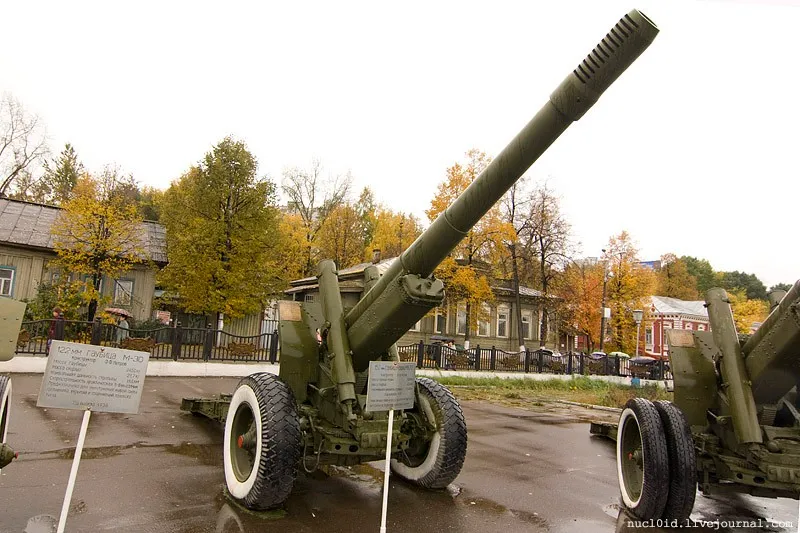
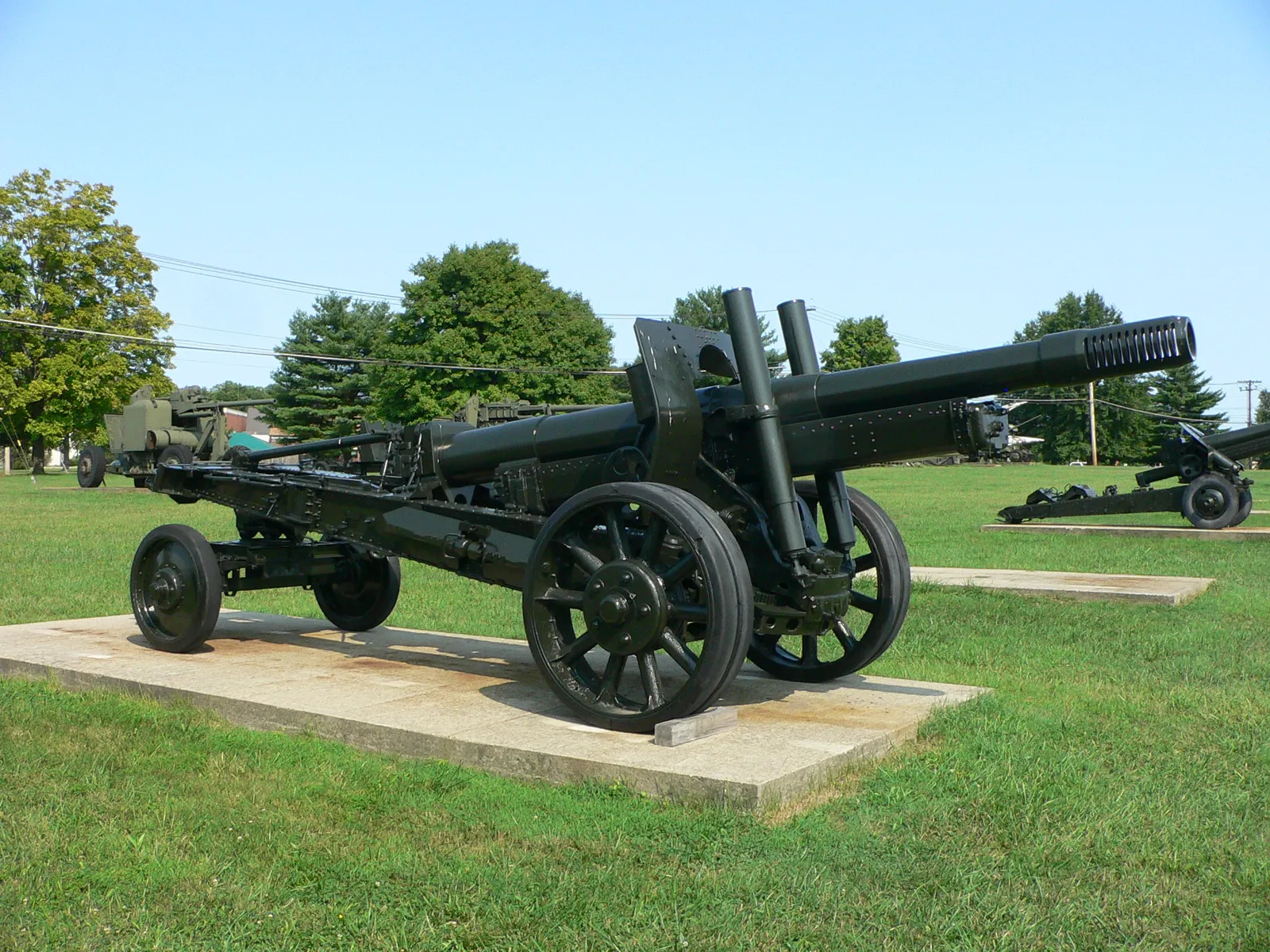
The 152 mm ML-20 is a Soviet heavy towed gun-howitzer designed at Plant No. 172 in Motovilikha under F. F. Petrov and adopted in 1937. It combined a 152.4 mm barrel, split-trail carriage, large muzzle brake, separate-loading ammunition, and a 17.2 km high-explosive range in a weapon built for corps and army artillery. Its modern catalog relevance comes from residual stock use: Ukrainian reporting in October 2025 documented Russian forces towing and losing an ML-20 in Donetsk region during the 2014 Russia-Ukraine War.

Role in Conflicts

Side
Russia

Defense Express reported that Ukrainian gunners from the 55th Separate Artillery Brigade destroyed a Russian ML-20 during counter-battery operations in Donetsk region in October 2025, documenting the 1937 gun-howitzer's reappearance in Russian wartime artillery use.

Role details
Profile / Specs

Profile

Origin
Soviet Union
Type
152 mm towed gun-howitzer
Service note
Late-1930s Soviet corps and army artillery retained in reserve stocks and museum inventories
Designer
F. F. Petrov and the Plant No. 172 design bureau
Designed
1935-1937
Produced
1937-1946
Number built
6,884 towed ML-20 guns; WeaponSystems.net also lists 3,533 ML-20S guns for self-propelled mounts

Specifications

Crew
9 (WeaponSystems.net); Ukraine's National Defence University museum page lists 8
Caliber
152.4 mm
Ordnance
152 mm L/28 howitzer-gun with multi-slotted muzzle brake
Combat weight
7.27 t in firing configuration
Travel weight
8.93 t with limber
Barrel length
4.24 m
Maximum range
17.2 km with 53-OF-540 high-explosive fragmentation ammunition
Rate of fire
3-4 rounds per minute maximum
Muzzle velocity
655-670 m/s
Elevation
-2 degrees to +65 degrees
Traverse
29 degrees left and 29 degrees right
Carriage
Two-wheel split-trail carriage with gun shield and limber
Towed speed
20 km/h in WeaponSystems.net reference data
Design Profile

The ML-20 was a heavy howitzer-gun rather than a light divisional howitzer. Public reference data describes a 152 mm L/28 ordnance with separate-loading ammunition, a split-trail carriage, a shielded crew position, and a multi-slotted muzzle brake. That package gave Soviet corps and army artillery a heavier shell and longer reach than shorter 152 mm howitzers, but it also made the weapon too heavy for crew manhandling.

Fire envelope

WeaponSystems.net lists a maximum range of 17.2 km with the 53-OF-540 high-explosive fragmentation round, with elevation from -2 degrees to +65 degrees.

Mobility cost

The same reference gives a 7.27 t firing weight and notes that the gun required a towing vehicle because it was too heavy to be moved by hand.

Legacy use signal

The 2025 Donetsk-region report is residual-stock evidence: it shows Russian forces drawing on very old towed artillery rather than a current-production ML-20 line.

Sources: WeaponSystems.net 152mm ML-20; Defense Express ML-20 Donetsk.
Variants

The ML-20 designation covers the towed 1937 gun-howitzer and a smaller family of self-propelled, captured-service, and modernization designations.

VariantConfigurationDesignation notes
Baseline towed gun-howitzerTowed production gun-howitzer

The baseline weapon was the 152 mm howitzer-gun model 1937, built at Motovilikha and cataloged by WeaponSystems.net under GRAU index 52-G-544A.

Sources: WeaponSystems.net 152mm ML-20

ML-20SSelf-propelled-gun ordnance

WeaponSystems.net lists ML-20S guns for self-propelled installations and identifies the ISU-152 as armed with the ML-20S.

Sources: WeaponSystems.net 152mm ML-20

152 H37Finnish service designation

WeaponSystems.net lists 152 H37 among the ML-20 designations used after captured or transferred examples entered Finnish service.

Sources: WeaponSystems.net 152mm ML-20

15.2 cm KH.433/1(r)German captured-weapon designation

WeaponSystems.net identifies 15.2 cm KH.433/1(r) as the German Beutewaffen designation for captured ML-20 guns.

Sources: WeaponSystems.net 152mm ML-20

Shared Artillery Lineage

The ML-20 sits in a small Soviet heavy-artillery cluster: public reference data directly connects it to the A-19 shared carriage and the later D-1 alternative.

Compatible itemItem typeCompatibility evidence
A-19 122 mm field gun, 122 mm towed corps gun, ArtilleryA-19 122 mm field gunShared-carriage field gun

WeaponSystems.net states that the late M1931/37 A-19 used the same carriage as the ML-20, making the two weapons a practical Soviet corps-artillery duplex.

Sources: WeaponSystems.net 152mm ML-20

152 mm D-1 gun-howitzer, Towed 152 mm howitzer, Artillery152 mm D-1 gun-howitzerLighter 152 mm alternative

WeaponSystems.net describes the D-1 as a lighter and more mobile alternative to the ML-20, trading range for much lower weight.

Sources: WeaponSystems.net 152mm ML-20

Timeline

152 mm ML-20 Key Events

  1. Plant No. 172 begins the ML-20 design lane

    Ukraine's National Defence University museum page describes the Plant No. 172 design bureau in Motovilikha developing the ML-15 and ML-20 after earlier 152 mm modernization work no longer met Red Army needs.

  2. ML-20 adopted

    The same museum page gives 22 September 1937 as the formal adoption date for the 152 mm howitzer-gun model 1937.

  3. Wartime production run ends

    WeaponSystems.net lists ML-20 production from 1937 to 1946 and separates the towed production total from the ML-20S self-propelled-gun ordnance total.

  4. Russian ML-20 loss reported in Donetsk region

    Defense Express reported that Ukrainian gunners destroyed a Russian ML-20 in Donetsk region during counter-battery operations.

Media
Related Weapon Systems
152 mm D-1 gun-howitzer, Towed 152 mm howitzer, ArtilleryArtillery152 mm D-1 gun-howitzerTowed 152 mm howitzerThe 152 mm D-1 gun-howitzer is a Soviet towed heavy howitzer that put a short 152.4 mm ordnance on a lighter split-trail carriage. Its modern record is mostly residual-use evidence: Russia drew D-1 guns from stocks during the full-scale phase of the 2014 Russia-Ukraine War, while open loss records tie the same World War II-era system to Armenian/Artsakh equipment in 2020 Nagorno-Karabakh and Syrian government artillery losses in the 2011 Syrian Civil War.
2B16 Nona-K, 120 mm towed gun-mortar, ArtilleryArtillery2B16 Nona-K120 mm towed gun-mortarThe 2B16 Nona-K is the towed member of the Soviet/Russian Nona 120 mm gun-mortar family, combining a rifled breech-loading weapon with a split-trail carriage light enough for air-assault fire support. It shares the Nona ammunition concept with the 2S9 and 2S23, allowing mortar bombs, special 120 mm projectiles, and selected guided rounds from one compact artillery piece. In the 2014 Russia-Ukraine War it has appeared in Russian loss tracking and in Ukrainian service, including captured guns used for infantry and position-defense fire missions.

Sources