Naval Systems

Livadiya-ME mine-hunting sonar

Also known as
  • Livadiya-ME
  • Livadia-ME
  • Livadiya ME
  • Livadia ME

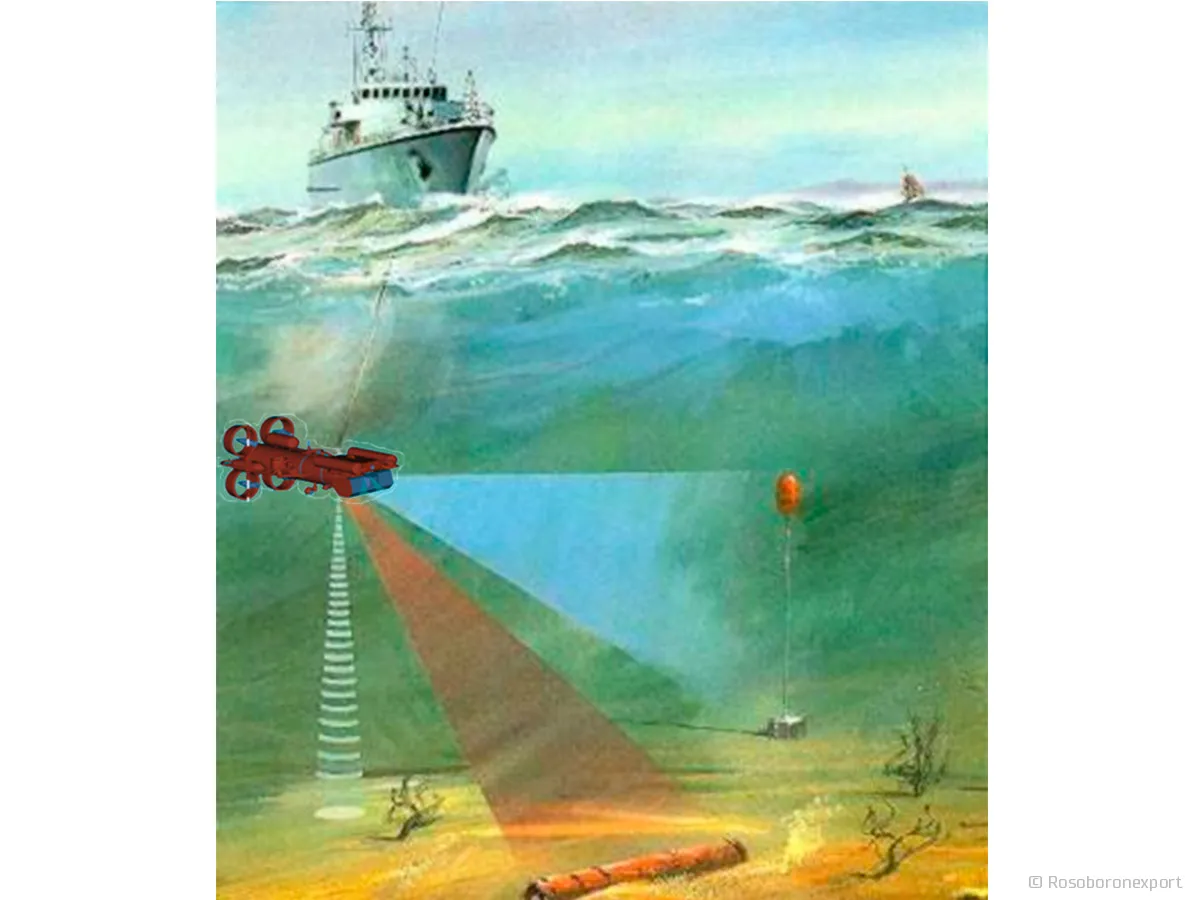
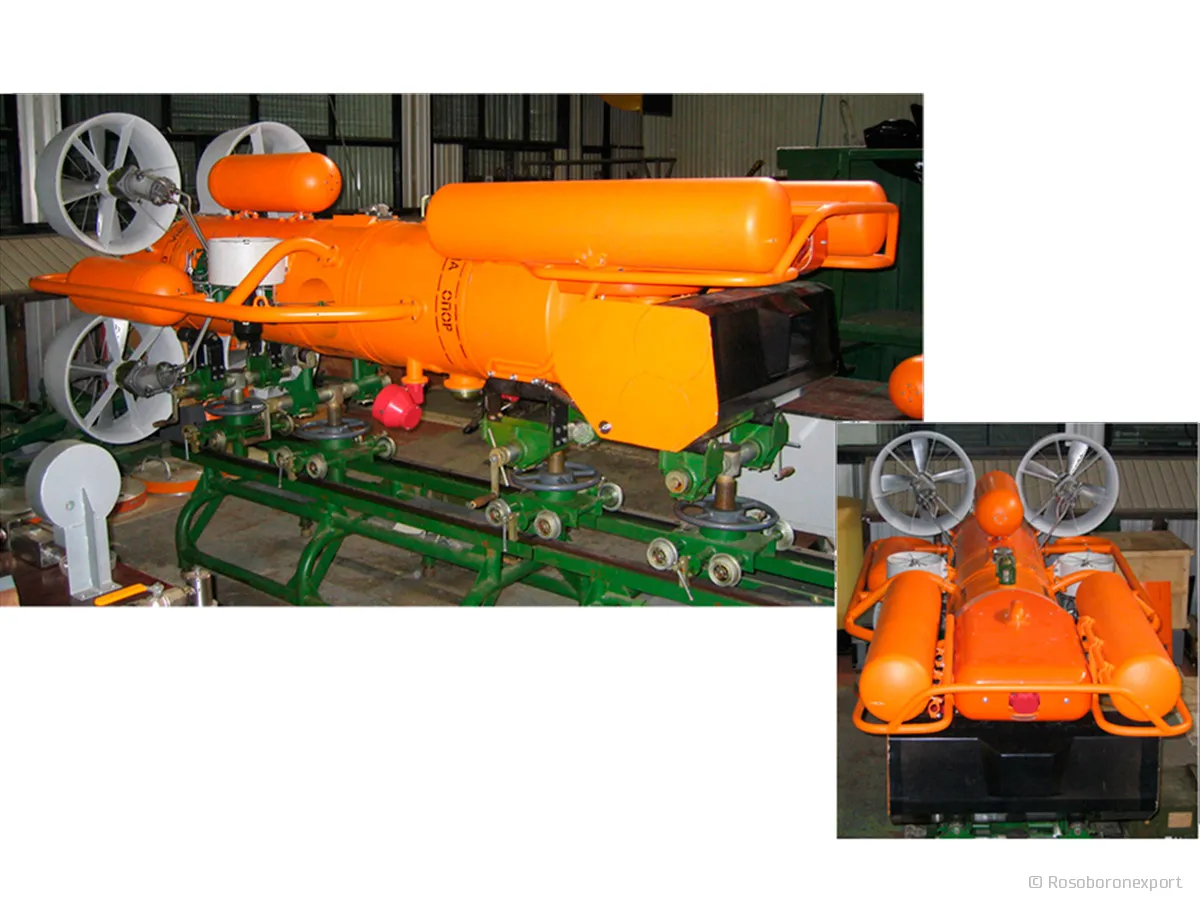
Livadiya-ME is a Russian shipborne mine-hunting sonar system for detecting, classifying, and cueing action against moored, bottom, and near-bottom mines. Public product-reference material describes low- and high-frequency antenna elements, automated coordinate measurement, mine-countermeasures control-system cueing, and an antenna package carried by a remotely operated underwater vehicle. Open reporting ties the sonar to the Project 12700/12701 Alexandrit mine-countermeasures family, while Weapons.rf identifies Aquamarin as developer and Taganrog Plant Priboy as producer.

Profile / Specs

Specifications

Maximum detection range against moored mines
800 m at 0.9 detection probability
Maximum detection range against bottom and near-bottom objects
560 m at 0.9 detection probability
High-frequency classification range
100 m
Low-frequency detection sector
60 degrees
Low-frequency classification sector
90 degrees
High-frequency classification sector
20 degrees
Horizontal search sector
180 degrees
Search depths
3-300 m
Maximum search speed
8 knots
Ship Integration

Open references tie Livadiya-ME to the Russian Alexandrit mine-countermeasures family rather than to a standalone combat role.

CarrierCarrier typeCarriage evidence
Alexandrit class / Project 12700, Coastal mine countermeasures vessel, Naval SystemsAlexandrit class / Project 12700Mine countermeasures vessel

Naval News lists Livadiya-ME in the Project 12701 Alexandrit-E sensor suite, and Russian reporting describes Project 12700 ships using Livadiya-ME as part of their onboard mine-search equipment.

Sources: Naval News: Project 12700 minehunters, RIA Novosti: Project 12700 minehunting fit, MediaPaluba: Pacific Fleet Project 12700 training

Mine-Countermeasures Role

Livadiya-ME is documented as one element of a broader mine-countermeasures chain, not as an independent weapon. The product description centers on finding mine-like objects, classifying them, measuring coordinates, and passing target data to a shipboard mine-countermeasures control system.

Target set

Moored, bottom, and near-bottom mines or mine-like objects.

Sensor layout

Low-frequency detection, dual-frequency classification, telescopic antenna equipment, and an antenna system carried by a remotely operated underwater vehicle.

Platform context

Published Project 12700/12701 coverage places Livadiya-ME alongside Diez-family control systems, mine-sweeping gear, and unmanned mine-countermeasures vehicles.

Sources: Livadiya-ME product page; Naval News: Project 12700 minehunters; RIA Novosti: Project 12700 minehunting fit.

Timeline

Livadiya-ME mine-hunting sonar Key Events

  1. Project 12700 fit described

    RIA Novosti described the Project 12700 mine-countermeasures ship Ivan Antonov as carrying Livadiya-ME with Diez-E control equipment, Alister 9 UUVs, K-Ster vehicles, and an Inspector-MK2 USV.

    Sources: RIA Novosti: Project 12700 minehunting fit

  2. Export-family sensor suite listed

    Naval News, citing Russian reporting, listed Livadiya-ME as the mine-detection sonar in the Project 12701 Alexandrit-E sensor suite.

    Sources: Naval News: Project 12700 minehunters

  3. Pacific Fleet training use reported

    MediaPaluba reported that Project 12700 ships Yakov Balyaev and Anatoly Shlemov used Diez automatic complexes and Livadiya-ME mine-hunting sonars during Pacific Fleet mine-search training.

    Sources: MediaPaluba: Pacific Fleet Project 12700 training

Media

Livadiya-ME mine-hunting sonar Images

Related Weapon Systems
Alexandrit class / Project 12700, Coastal mine countermeasures vessel, Naval SystemsNaval SystemsAlexandrit class / Project 12700Coastal mine countermeasures vesselThe Alexandrit class, Russian Project 12700, is a Russian mine-countermeasures vessel class designed by Almaz and built by Sredne-Nevsky Shipyard for the Russian Navy. The class combines a monolithic fiberglass vacuum-infusion hull with trawls and unmanned mine-hunting vehicles, and it entered the Russia-Ukraine war record when Ukrainian intelligence said it disabled the Baltic Fleet lead ship Aleksandr Obukhov at Baltiysk in October 2024.
MG-757 Anapa-M anti-saboteur sonar, Anti-saboteur sonar, Naval SystemsNaval SystemsMG-757 Anapa-M anti-saboteur sonarAnti-saboteur sonarMG-757 Anapa-M, also described as Anapa-ME, is a Russian shipborne anti-saboteur sonar built by Taganrog Plant Priboy for harbor-defense and close ship-protection work. It is described as detecting and tracking combat swimmers or diver-propulsion targets, passing target coordinates to anti-saboteur grenade-launcher control systems, and appearing in the sensor fits of several Russian patrol, corvette, frigate, and mine-countermeasures classes.
Thales MCM USV, Mine countermeasures uncrewed surface vessel, Naval SystemsNaval SystemsThales MCM USVMine countermeasures uncrewed surface vesselThales MCM USV is the 12 m uncrewed surface-vessel element of the Franco-British MMCM/SLAM-F mine-countermeasure system. The craft works from shore, a portable command center, or a mothership with payloads such as TSAM towed sonar, a remotely operated vehicle, and supporting command-and-control software, keeping operators outside the minefield while the system searches, classifies, and supports neutralisation of underwater threats. Public sources document prototype deliveries from 2021 and French and Royal Navy production deliveries from 2024 onward; this entry does not claim verified combat employment.
Hunt class, Mine countermeasures vessel class, Naval SystemsNaval SystemsHunt classMine countermeasures vessel classThe Hunt class is a British mine countermeasures vessel class built by Vosper Thornycroft and Yarrow Shipbuilders for low-signature minehunting, route clearance, and coastal patrol work. Royal Navy and Ministry of Defence sources document HMS Brocklesby clearing mined approaches in the Gulf, Iraq, and Libya, while the remaining Royal Navy ships use sonar, clearance divers, glass-reinforced plastic hulls, and SeaFox mine-disposal vehicles to find and neutralize mines.

Sources