- Side
- India

During the 1999 Kargil War, Indian forces used 105 mm Indian field guns in direct-firing artillery support against Pakistani positions, including visible sangars before the Tololing assault in the Drass sector.
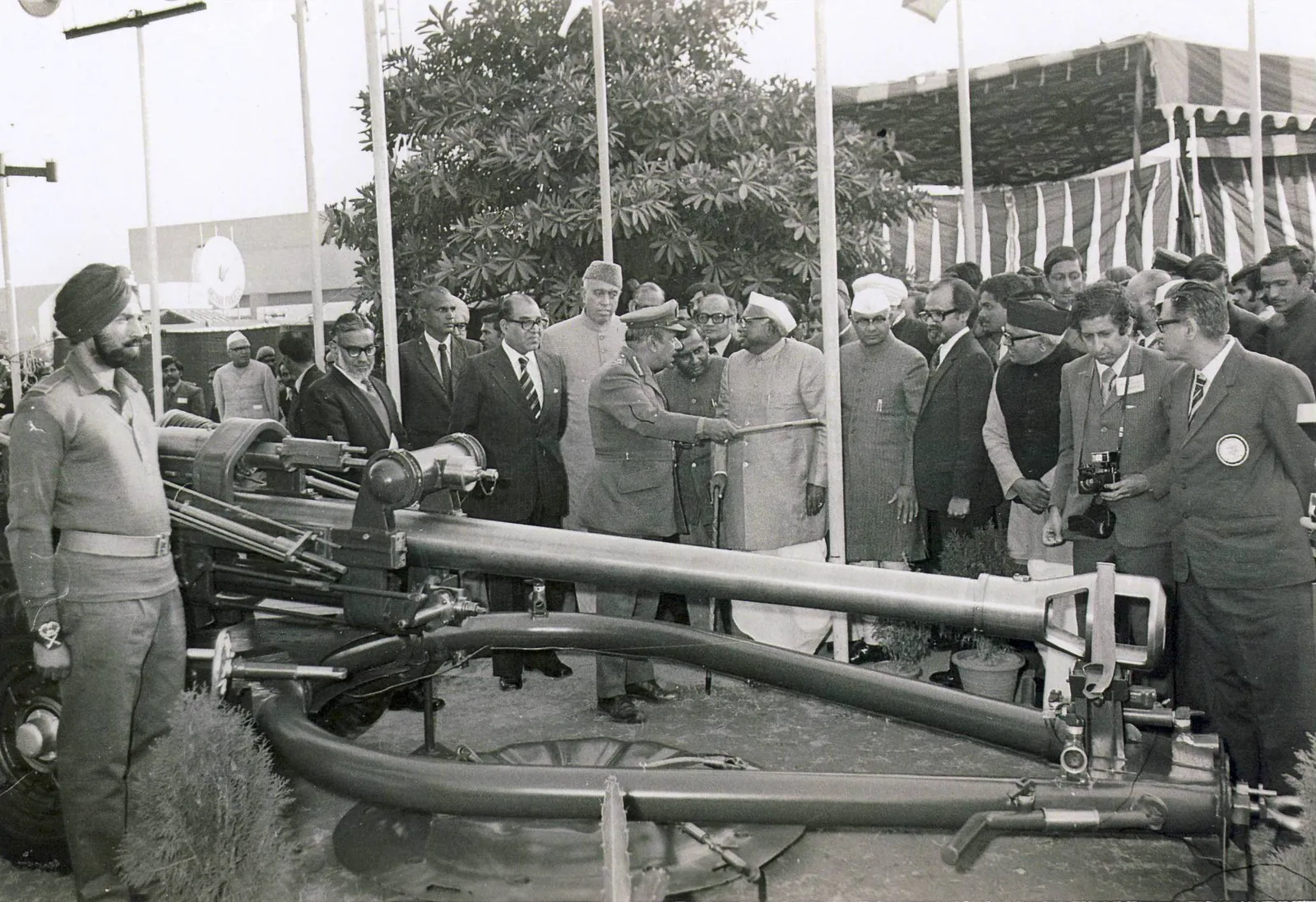
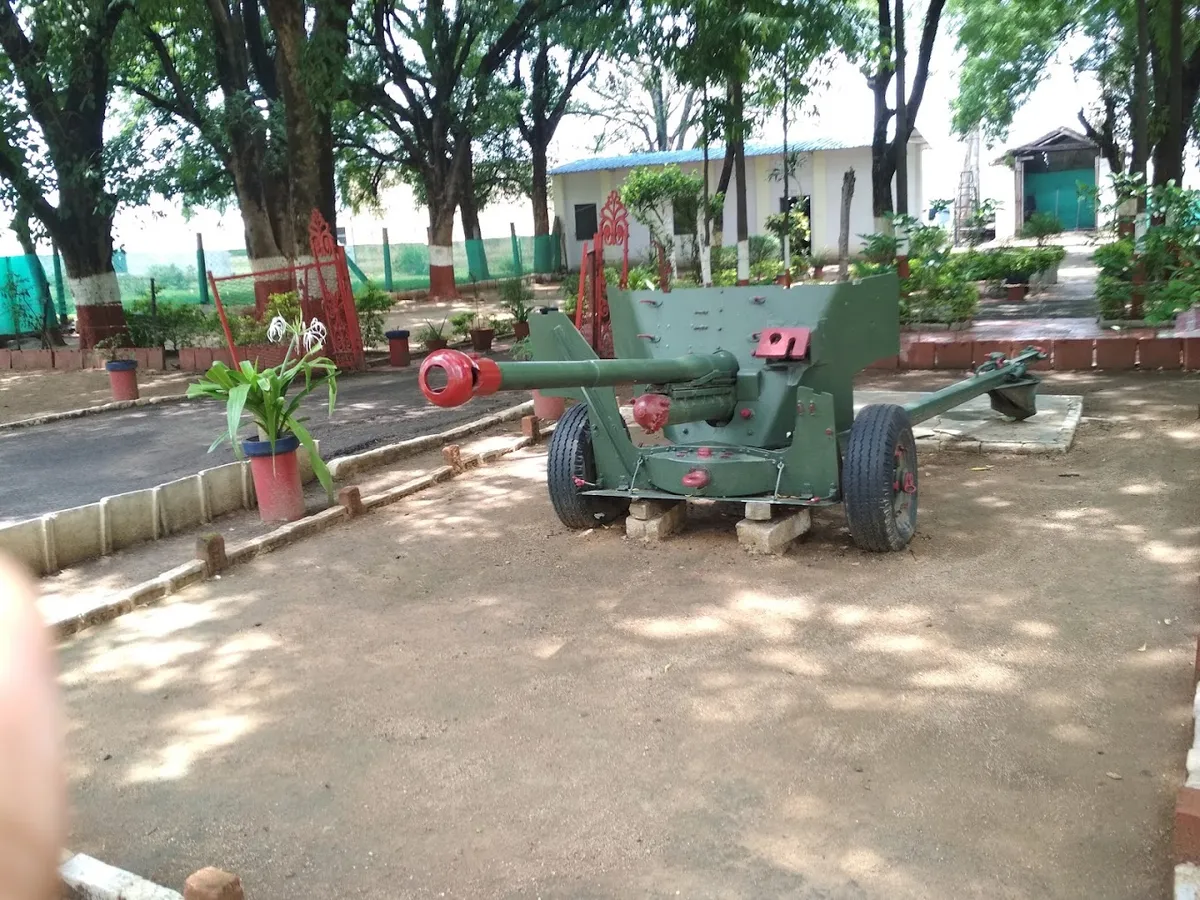
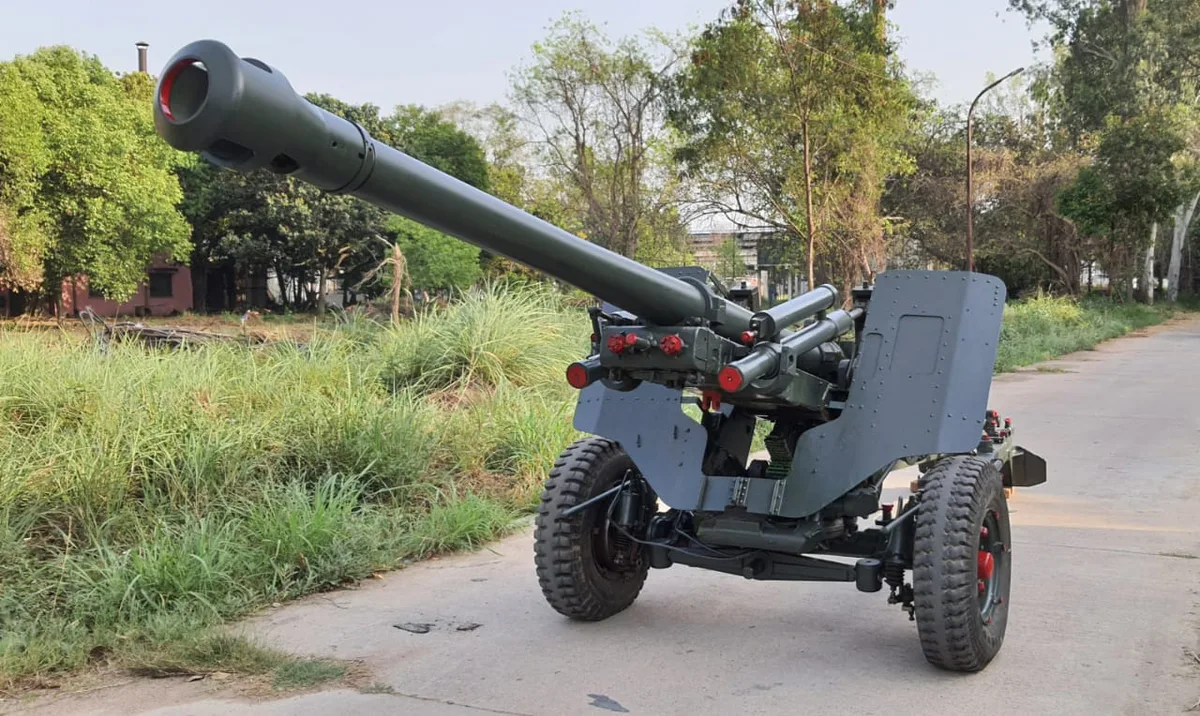
The Indian Field Gun is an Indian 105 mm towed artillery family designed by ARDE to replace older 25-pounder guns and keep light fire support workable in mountain, plain, and desert terrain. The family includes the original IFG and lighter LFG, with Field Gun Factory Kanpur and Gun Carriage Factory Jabalpur tied to production and support, and 2020s reporting still connecting the guns to border deployments, ceremonial salutes, and automatic-laying modernization.
During the 1999 Kargil War, Indian forces used 105 mm Indian field guns in direct-firing artillery support against Pakistani positions, including visible sangars before the Tololing assault in the Drass sector.
During the 2025 India-Pakistan Conflict, Indian reporting tied 105 mm Light Field Guns to Operation Sindoor and described artillery guns deployed along the western front; available public sourcing does not identify specific firing missions or targets for the family.
The Indian Field Gun page is best read as a 105 mm family profile. Sources distinguish the original IFG from the lighter LFG, and later Indian artillery modernization places both in a force moving toward newer 155 mm systems such as Dhanush.
ARDE's 1972 design effort is described as a domestic replacement path for the British-era 25-pounder.
The LFG kept the same 105 mm role while emphasizing lower weight, terrain mobility, and helilift suitability.
In 2026, reporting described an Indian Army IFG modified with automatic gun-laying technology and digital fire-control integration.
Public sources describe the entry as a family split between the original Indian Field Gun and the lighter Light Field Gun, with some mark-level designations less securely sourced in open material.
| Variant | Configuration | Designation notes |
|---|---|---|
| Indian Field Gun (IFG) | Original 105 mm family member | Bharat Shakti describes ARDE's 1972 design work and first guns being ready by 1978; later reporting identifies the 105 mm Indian Field Gun as the platform modified for automatic laying. Sources: Modernisation Of Indian Artillery Picks Up Pace - Bharat Shakti, Indian Army makes its artillery arm more lethal by giving its guns automatic aiming capability |
| Light Field Gun (LFG) | Lighter mountain-mobility variant | FAS describes the LFG as a light, helilift-capable close-support gun for mountain terrain, while AWEIL reporting lists 105 mm LFG manufacture and IFG/LFG overhaul. Sources: 105 mm Indian and Light Field Guns (IFG/LFG), AWEIL Annual Report 2024-25 |
| Light Field Gun Mark 1 / Mark 2 | Open-source mark designations | The Mark 1 and Mark 2 names are retained as search and family context, but stronger official detail on their exact changes was not found in the sources reviewed for this update. Sources: Republic Day parade 2023: British-era 25-pounder guns to be replaced with 105mm Indian field guns |
Reporting on the program says ARDE designed the Indian Field Gun from 1972 as a domestic 105 mm replacement for older British 25-pounder guns.
Sources: Modernisation Of Indian Artillery Picks Up Pace - Bharat Shakti, Republic Day parade 2023: British-era 25-pounder guns to be replaced with 105mm Indian field guns
Bharat Shakti says the first Indian Field Guns were ready by 1978.
Sources: Modernisation Of Indian Artillery Picks Up Pace - Bharat Shakti
India Sentinels described the lighter 105 mm Indian Field Gun variant as being in service from 1984.
Sources: Republic Day parade 2023: British-era 25-pounder guns to be replaced with 105mm Indian field guns
GlobalSecurity describes 105 mm Indian field guns and 155 mm Bofors guns being used in a direct-firing role against Pakistani positions before the capture of Tololing during the Kargil War.
Sources: 1999 Kargil Conflict
India Today reported that 105 mm Light Field Guns would perform the Independence Day salute after the guns were tied to Operation Sindoor and western-front artillery deployment.
Sources: India's indigenous guns to perform 21-gun salute on Independence Day
The Times of India reported that the Indian Army had upgraded a 105 mm Indian Field Gun with automatic laying capability using a computer-based fire-control approach.
Sources: Indian Army makes its artillery arm more lethal by giving its guns automatic aiming capability