Aircraft & UAVs

IAI Harpy

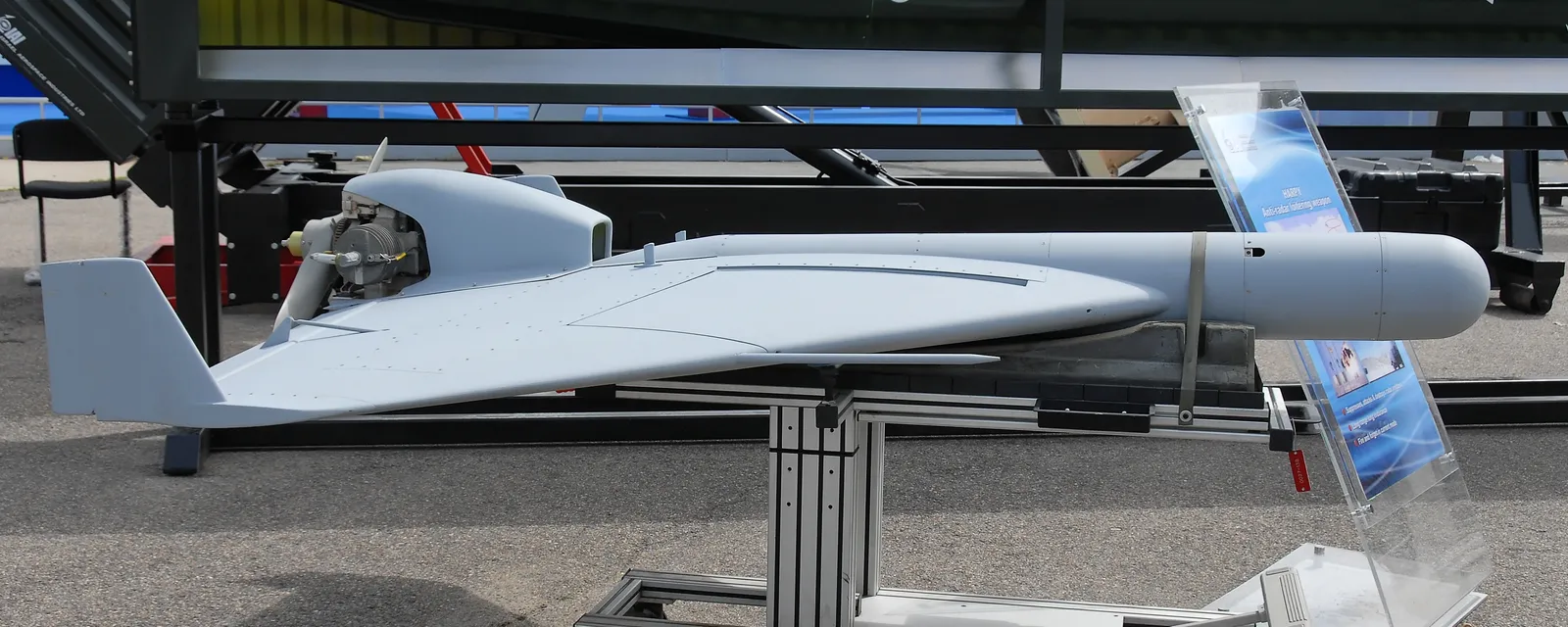
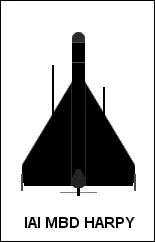
The IAI Harpy is an Israeli anti-radiation loitering munition built to autonomously hunt and destroy emitting radar and air-defense targets. IAI describes it as the world's first operational anti-radiation loitering munition, launched from ground or naval canisters for long-endurance SEAD and DEAD missions.

Role in Conflicts

Role in conflict
Anti-radiation loitering munition for air-defense suppression

Azerbaijani forces fielded Israeli Harpy-family loitering munitions in the Nagorno-Karabakh fighting; public sources often identify 2020 combat use as Harop or Harpy-2, so this entry treats the original Harpy as the anti-radiation family baseline rather than claiming every strike used the first-generation variant.

Profile / Specs

Profile

Origin
Israel
Type
Anti-radiation loitering munition
Service note
1990s-present loitering munition family
Designer
Israel Aerospace Industries
Designed
Late 1980s
Unit cost
About $300,000 per munition for modern Harpy variants in U.S. Army blog reporting.
Produced
1990s-present family
Number built
Not publicly confirmed

Specifications

Guidance
Anti-radiation seeker for autonomous attacks on emitting radar targets
Launch platform
Ground-based or naval canister launcher
Endurance
Up to 9 hours
Range
About 200 km cited for baseline Harpy in secondary references
Warhead
About 16 kg high-explosive warhead cited for baseline Harpy
Mission
Suppression and destruction of enemy air defenses
Variants
  • Harpy
  • Harpy NG
  • Harop / Harpy-2
  • Mini Harpy
Related Family Member

Harpy and Harop share IAI's canister-launch loitering-munition architecture, which makes Harop the closest cataloged comparison for the family line.

Compatible itemItem typeCompatibility evidence
IAI Harop, Long-range loitering munition, Aircraft & UAVsIAI HaropRelated loitering-munition family member

IAI's Harpy and Harop pages both describe canister launch from land or naval platforms, and Harpy-family reporting in Nagorno-Karabakh often identifies the later Harop/Harpy-2 variant.

Sources: Harpy, HAROP Advanced Loitering Munition System, The Air and Missile War in Nagorno-Karabakh

Timeline

IAI Harpy Key Events

  1. China buys Harpy

    Air University says the People's Liberation Army purchased Harpy loitering munitions from Israel in 1994, beginning the system's documented Chinese service.

    Sources: The PLA's Unmanned Aerial Systems

  2. U.S. blocks a Harpy upgrade deal

    FlightGlobal reported that Washington demanded Israel scrap a planned upgrade to China's Harpy inventory, turning the sale into a diplomatic dispute.

    Sources: USA and Israel in crisis over China Harpy deal

  3. Israel cancels the China Harpy deal

    The Washington Post reported that Israel agreed to cancel the Harpy-related China arms deal under U.S. pressure and to tighten review of future weapons transactions.

    Sources: Israel Set to End China Arms Deal Under U.S. Pressure

  4. Harpy-family use reported in Nagorno-Karabakh

    Secondary reporting on the 2020 fighting said Azerbaijan fielded Israeli Harpy-family loitering munitions; public accounts often name Harop or Harpy-2 for the combat variant, so the page keeps Harpy as the family baseline.

    Sources: Have Loitering Munitions Made Tanks Obsolete?, Defending Taiwan: Lessons from the 2020 Nagorno-Karabakh War, The Air and Missile War in Nagorno-Karabakh

Export And Service Context

Harpy's public paper trail is unusually clear for an early loitering munition: it appears in Chinese procurement history, a U.S.-driven export dispute, and later Nagorno-Karabakh reporting.

YearDocumented contextSource
1994The People's Liberation Army purchased Harpy loitering munitions from Israel.The PLA's Unmanned Aerial Systems
2005FlightGlobal reported a U.S. demand that Israel scrap a Harpy upgrade for China, and The Washington Post later reported the deal was cancelled under U.S. pressure.USA and Israel in crisis over China Harpy deal; Israel Set to End China Arms Deal Under U.S. Pressure
2020Secondary reporting on Nagorno-Karabakh described Azerbaijani use of Harpy-family loitering munitions, often naming Harop or Harpy-2 for the combat variant.Have Loitering Munitions Made Tanks Obsolete?; Defending Taiwan: Lessons from the 2020 Nagorno-Karabakh War
Media

IAI Harpy Videos

Related Weapon Systems
IAI Harop, Long-range loitering munition, Aircraft & UAVsAircraft & UAVsIAI HaropLong-range loitering munitionThe IAI Harop is an Israeli long-range loitering munition that combines UAV-style search and surveillance with an expendable precision-strike role. Israel Aerospace Industries presents it as a second-generation electro-optical attack system launched from land or naval canisters, controlled by a remote human operator, and able to attack high-value targets from multiple dive angles. Direct public sourcing ties Harop to Azerbaijan's 2020 Nagorno-Karabakh campaign and India's 2025 Operation Sindoor.
IAI Heron UAV, Medium-altitude long-endurance UAV, Aircraft & UAVsAircraft & UAVsIAI Heron UAVMedium-altitude long-endurance UAVThe IAI Heron is an Israeli medium-altitude long-endurance UAV family built for persistent ISR, target acquisition, maritime patrol, and multi-sensor surveillance missions. IAI describes Heron 1, known in Israeli service as Shoval, and Heron Mk II as SATCOM-capable MALE platforms with automatic taxi, takeoff, and landing, while conflict sourcing ties the family to Israeli operations in Gaza and Iran, Azerbaijani reconnaissance and targeting in Nagorno-Karabakh, and Indian Heron Mk II operations during Operation Sindoor.
IAI Searcher UAV, Tactical reconnaissance unmanned aerial vehicle, Aircraft & UAVsAircraft & UAVsIAI Searcher UAVTactical reconnaissance unmanned aerial vehicleThe IAI Searcher is an Israeli tactical UAV family built by Israel Aerospace Industries for surveillance, reconnaissance, target acquisition, artillery adjustment, and battle-damage assessment. Searcher Mk II and Mk III extended the line with longer endurance, heavier payload options, and export service, including Sri Lankan Air Force use in the civil war and Azerbaijani reconnaissance/fire-control use in the 2020 Nagorno-Karabakh war.
Barak LR / LRAD interceptor, Long-range surface-to-air interceptor, Air DefenseAir DefenseBarak LR / LRAD interceptorLong-range surface-to-air interceptorBarak LR, also identified in Israeli operational reporting as LRAD, is Israel Aerospace Industries' 70 km long-range interceptor in the Barak MX air and missile defense family. It combines vertical launch, a dual-pulse motor, an active RF seeker, and battle-management data links for land and naval air defense, including Barak Magen use from Israeli Navy Sa'ar 6 missile ships against Iranian-launched UAVs during the 2025 Israel-Iran Conflict.

Sources