Aircraft & UAVs

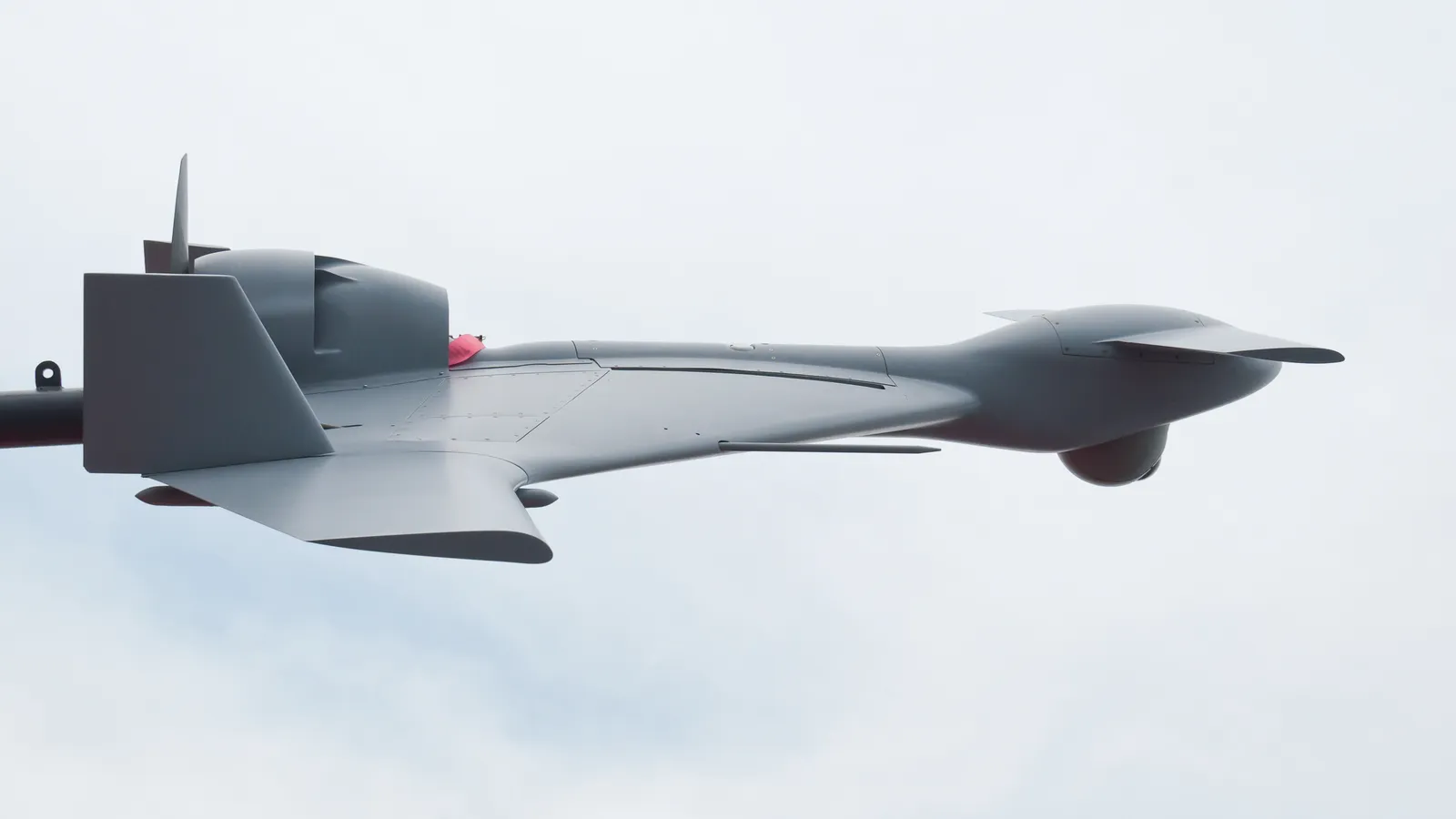
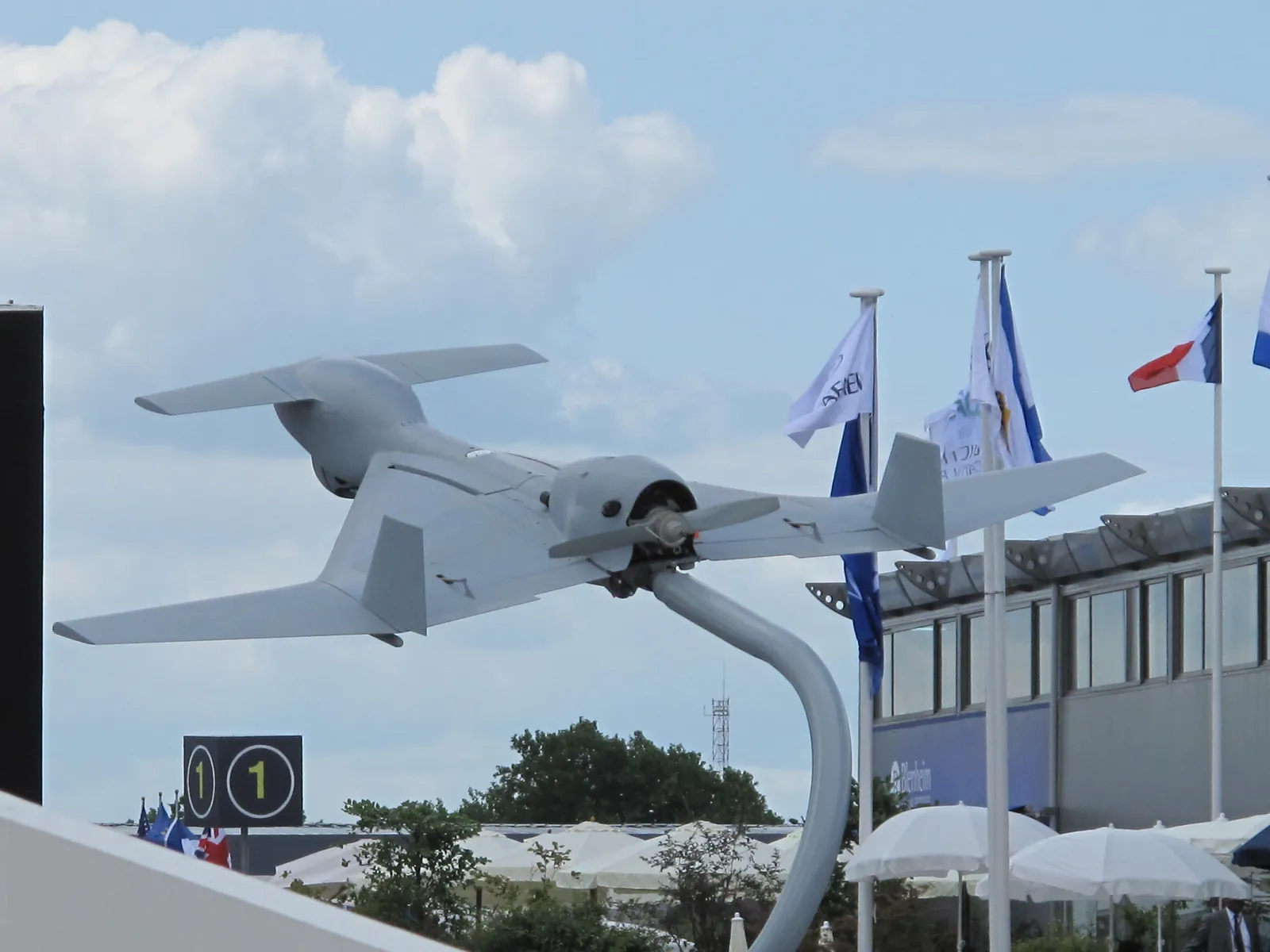
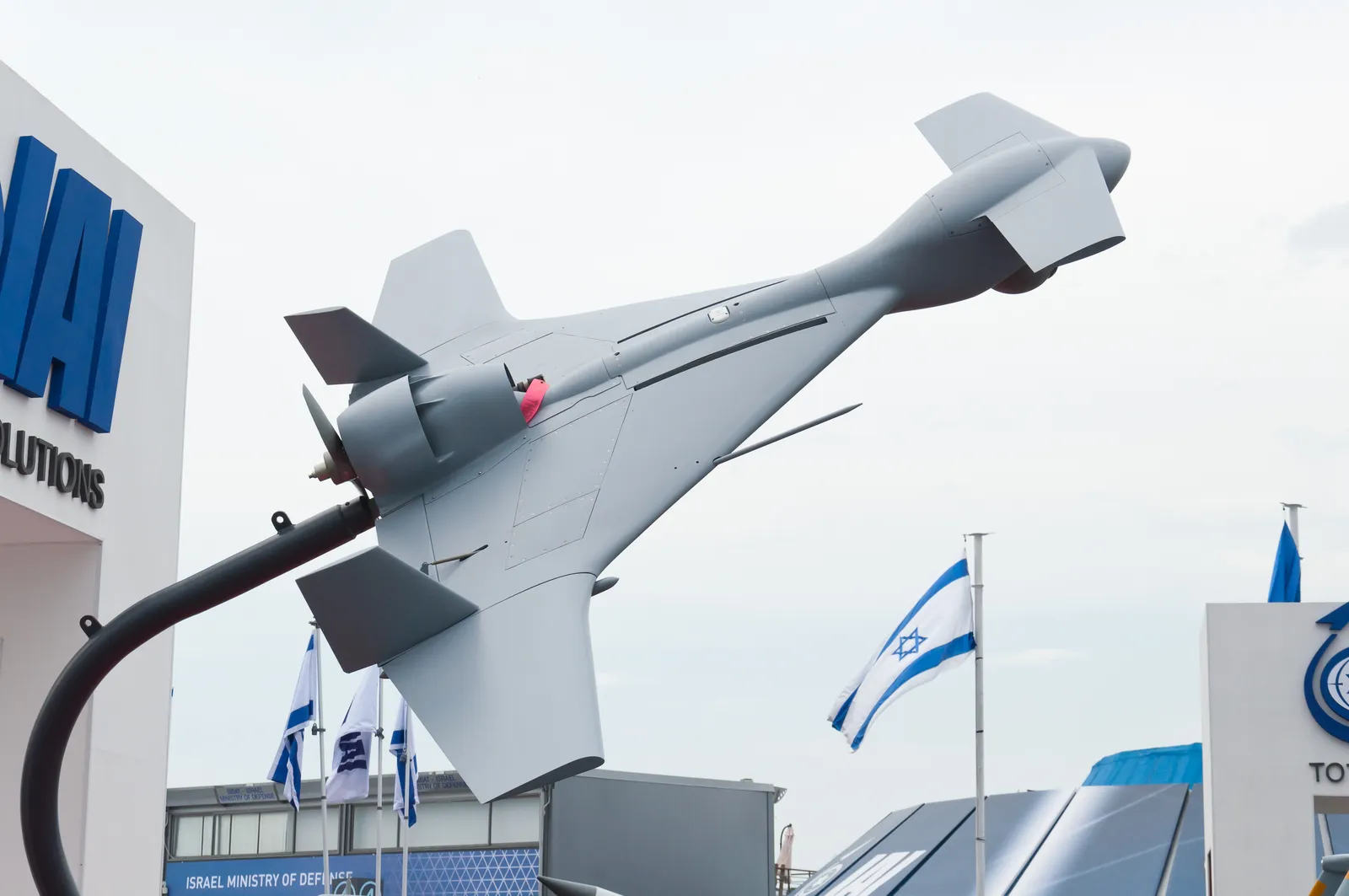
IAI Harop

The IAI Harop is an Israeli long-range loitering munition that combines UAV-style sensing with a one-way precision strike payload. In the 2020 Nagorno-Karabakh war, Azerbaijan used Harop alongside other Turkish and Israeli unmanned systems to attack Armenian forces and air-defense-related targets.

Conflict side
Azerbaijan
Built by
Israel Aerospace Industries
Built in
Israel
IAI Harop, Long-range loitering munition, Aircraft & UAVs

Service History

In service
Export service by the 2010s; documented Azerbaijani use in 2020
Used by
Azerbaijani Armed Forces
Wars
Nagorno-Karabakh Conflict

Specifications

Launch method
Canister-launched from land vehicles or naval vessels
Endurance
Up to 9 hours
Guidance and control
Electro-optic seeker with remote human-in-the-loop mission control
Attack profile
Can loiter, identify targets, and strike from shallow or steep dive angles
Resilience
Advertised by IAI as immune to GNSS jamming

Conflict Usage

Nagorno-Karabakh Conflict
Side: AzerbaijanRole: Loitering munition strikes against Armenian forcesprecision firesstrikeUAV

Azerbaijan fielded Israeli-made Harop loitering munitions during the 2020 Nagorno-Karabakh fighting, where Azerbaijani officials said the drones were effective and CSIS described Israeli loitering munitions as part of Azerbaijan's drone strike arsenal.

IAI Harop Images

Related Weapon Systems

MQ-9 Reaper, Medium-altitude long-endurance unmanned combat aerial vehicle, Aircraft & UAVsAircraft & UAVsMQ-9 ReaperMedium-altitude long-endurance unmanned combat aerial vehicleThe MQ-9 Reaper is a General Atomics medium-altitude, long-endurance remotely piloted aircraft built for persistent intelligence collection and precision strike. Larger and more powerful than the MQ-1 Predator, it combines satellite control, electro-optical and infrared sensors, laser designation, and weapons such as Hellfire missiles and guided bombs, making it a recurring U.S. and coalition platform in counterterrorism, maritime-security, and regional-strike operations.

Sources