Infantry Weapons

Hunting rifle

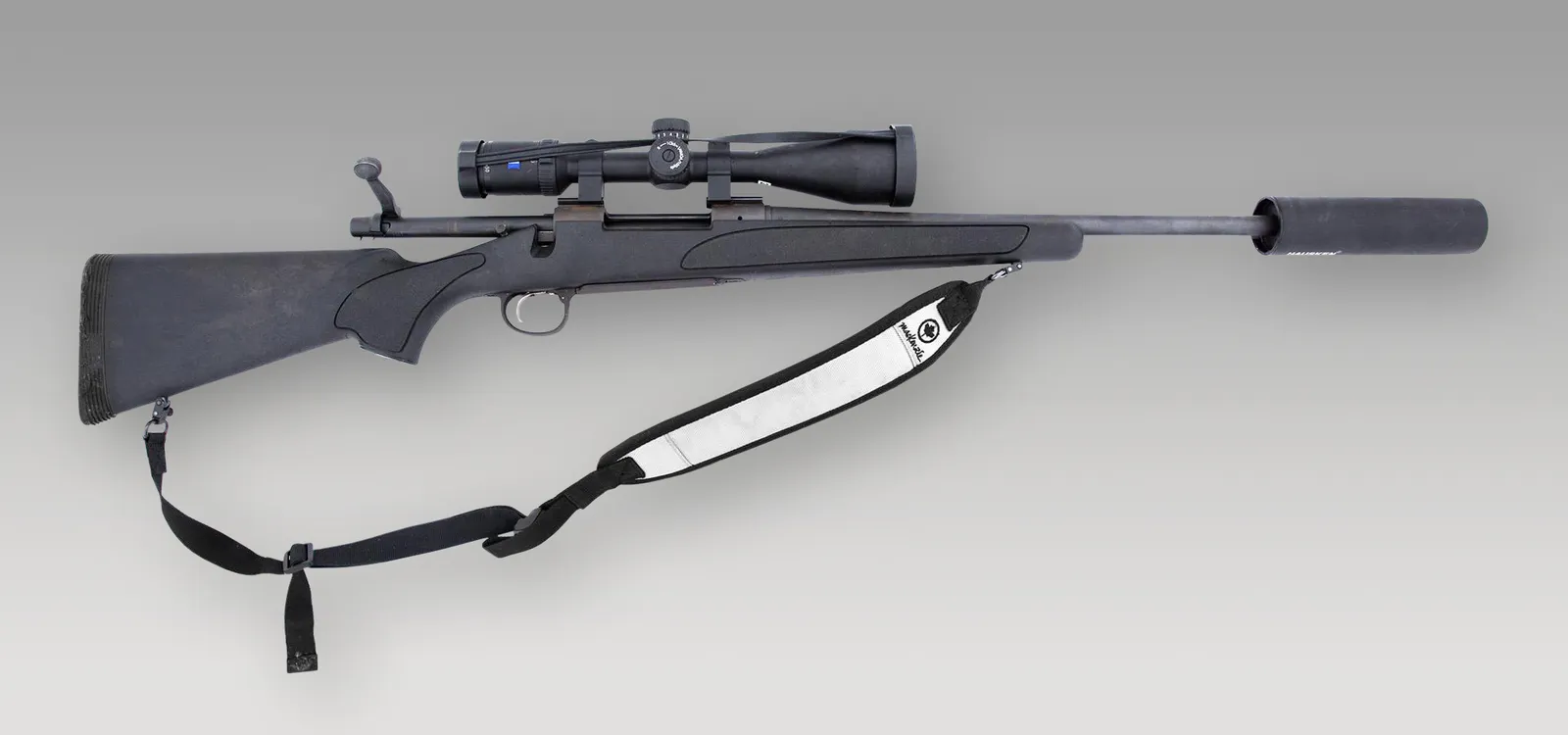
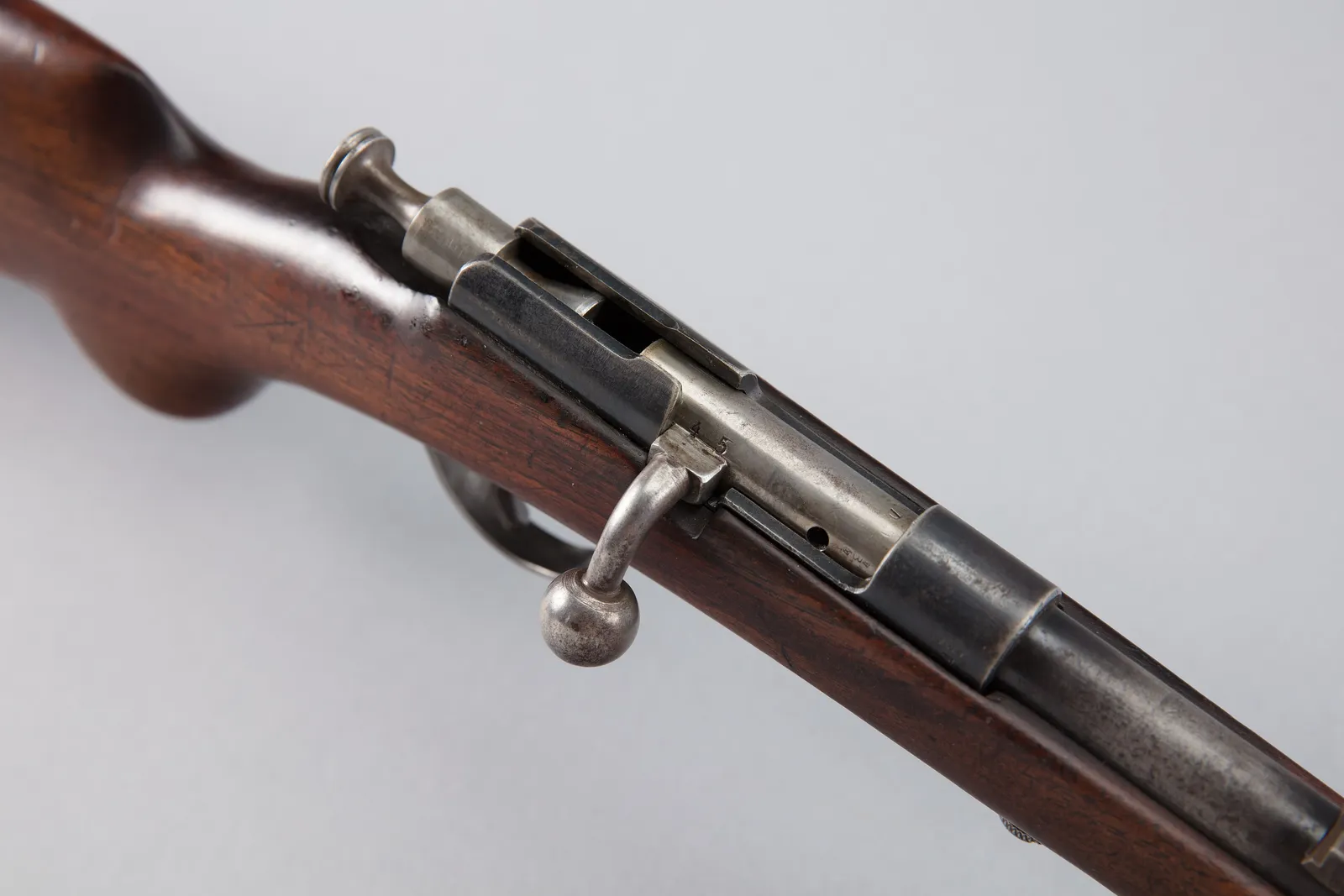
Hunting rifles are civilian shoulder-fired rifles, usually single-shot, bolt-action, lever-action, pump-action, or semiautomatic long guns, that appear in the Boko Haram Insurgency through community security actors rather than as standard military issue. UNIDIR research documents CJTF/Yan Gora affiliates and hunter/charmer auxiliaries in northeast Nigeria carrying locally obtained or craft-produced hunting rifles for protection, local defense, and guide roles alongside Nigerian and regional counter-insurgency forces.

Conflict side
Nigerian government and allied forces
Built by
Various manufacturers
Built in
Various

Profile

Type
Civilian shoulder-fired rifle
Conflict side
Nigerian government and allied forces
Origin
Various commercial and craft-production sources
Service note
Commercial and craft-produced rifles documented in the post-2015 conflict environment
portablesmall armscounter-insurgency

Service History

In service
Civilian and auxiliary security use; not a standardized military service rifle
Used by
Civilian Joint Task Force and Yan Gora affiliates, Hunters and Charmers auxiliaries
Wars
Boko Haram Insurgency

Production History

Designer
Various
Designed
Varies by model
Built by
Various manufacturers
Built in
Various
Produced
Varies by model and local production source
Variants
Bolt-action hunting rifle, Single-shot rifle, Craft-produced hunting rifle

Specifications

Firearm class
Shoulder-fired rifle with a rifled barrel
Action types
Single-shot, bolt-action, lever-action, pump-action, or semiautomatic designs are common rifle action types
Feed system
Single-shot, internal magazine, removable box magazine, rotary magazine, or tubular magazine depending on model
Caliber range
Varies widely by model; documented examples of hunting rifles range from small .22 caliber rifles to centerfire sporting calibers
Conflict sourcing limit
Boko Haram Insurgency sources document the weapon class, not a single standardized model, caliber, or manufacturer

Conflict Usage

Boko Haram Insurgency
Side: Nigerian government and allied forcesRole: Local defense patrol and guide weaponreconnaissance

Civilian Joint Task Force, Yan Gora, and hunter/charmer auxiliaries used locally obtained or craft-produced hunting rifles for community defense, patrol, and guide roles against Boko Haram and ISWAP in northeast Nigeria.

Hunting rifle Images

Related Weapon Systems

AK-103-2 assault rifle, 7.62x39mm assault rifle variant, Infantry WeaponsInfantry WeaponsAK-103-2 assault rifle7.62x39mm assault rifle variantThe AK-103-2 is the three-round-burst export variant of the Russian AK-103, a 7.62x39mm AK-100-series rifle derived from the AK-74M layout but chambered for the older AKM cartridge. In the Boko Haram Insurgency context, available open-source evidence is limited: the specific AK-103-2 identification comes from visual reporting of Boko Haram militants around Lake Chad, while separate Nigerian court reporting documents alleged AK-103 rifle trafficking from Diffa toward a Boko Haram recipient.
AKM, 7.62x39mm assault rifle, Infantry WeaponsInfantry WeaponsAKM7.62x39mm assault rifleThe AKM is the stamped-receiver modernization of the Soviet Kalashnikov assault rifle, chambered for 7.62x39mm and built around a long-stroke gas piston and rotating bolt. Its lower production burden, broad Warsaw Pact and licensed manufacture, and large legacy stocks keep it visible in modern conflicts, including the Israel-Hamas War, where AP reported Hamas fighters using AK-47 assault rifles in Gaza after the Oct. 7 attack and in the wider Kalashnikov rifle family.
Craft-produced firearm, Locally fabricated small arm, Infantry WeaponsInfantry WeaponsCraft-produced firearmLocally fabricated small armCraft-produced firearms in Nigeria are locally fabricated small arms made outside formal industrial production, ranging from muzzle-loading Dane guns and break-action shotguns to pistols and AK- or G3-style copies. In the Boko Haram Insurgency, Small Arms Survey documented craft-produced weapons in a Boko Haram cache captured during 2018 operations, while UNIDIR notes their wider relevance to armed actors and community-security forces in northeast Nigeria.

Sources