Infantry Weapons

RPG Launcher

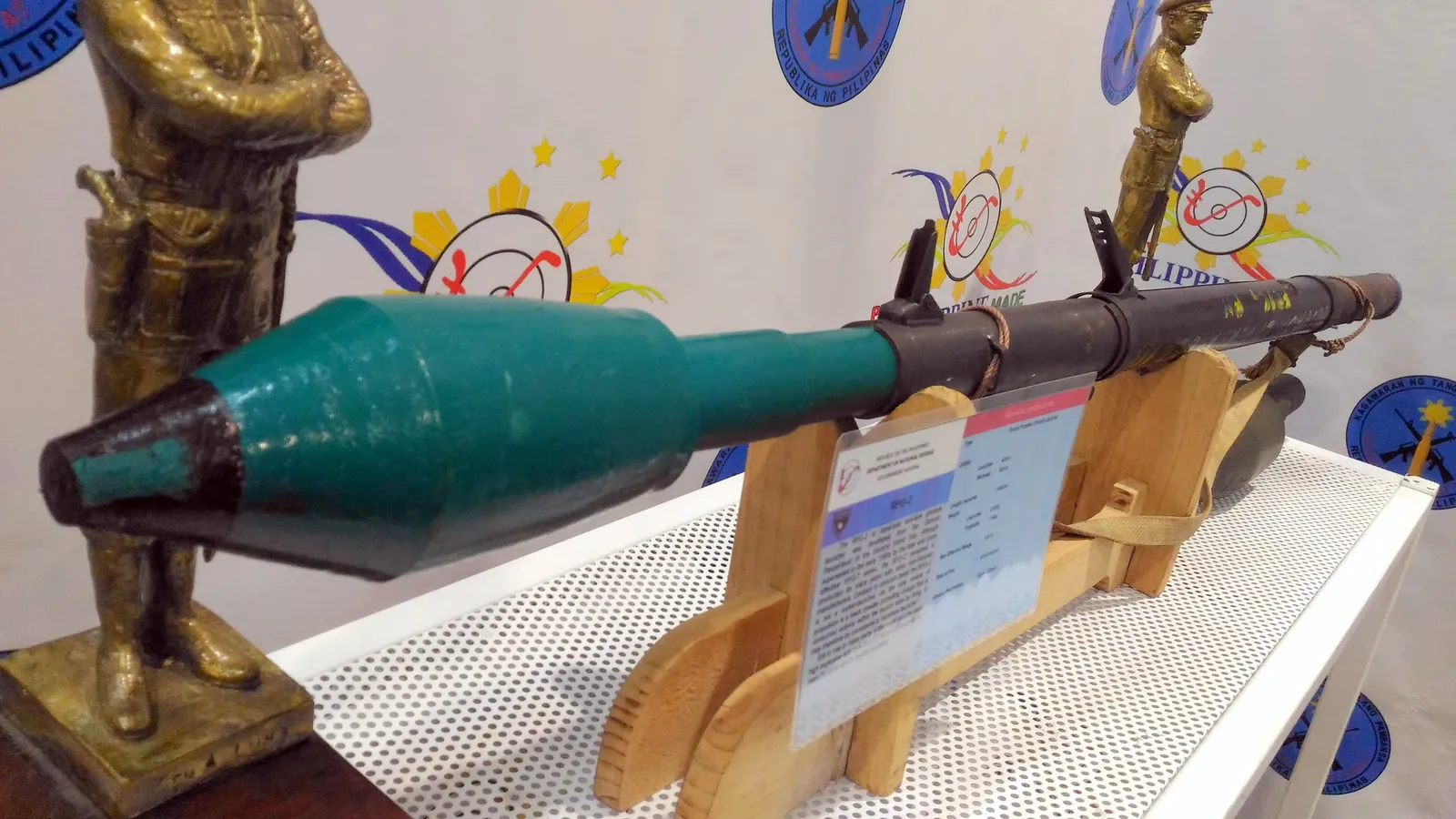
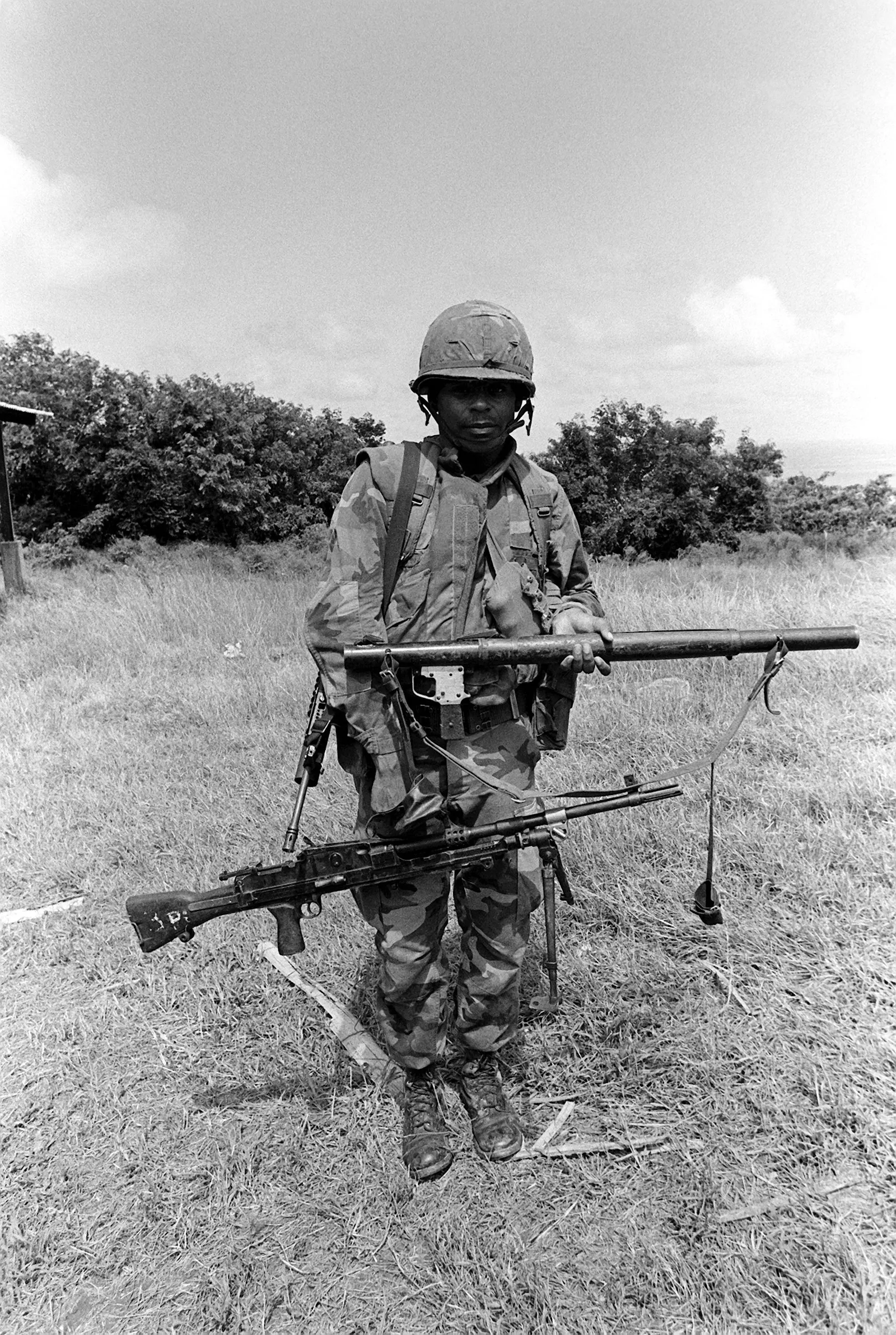
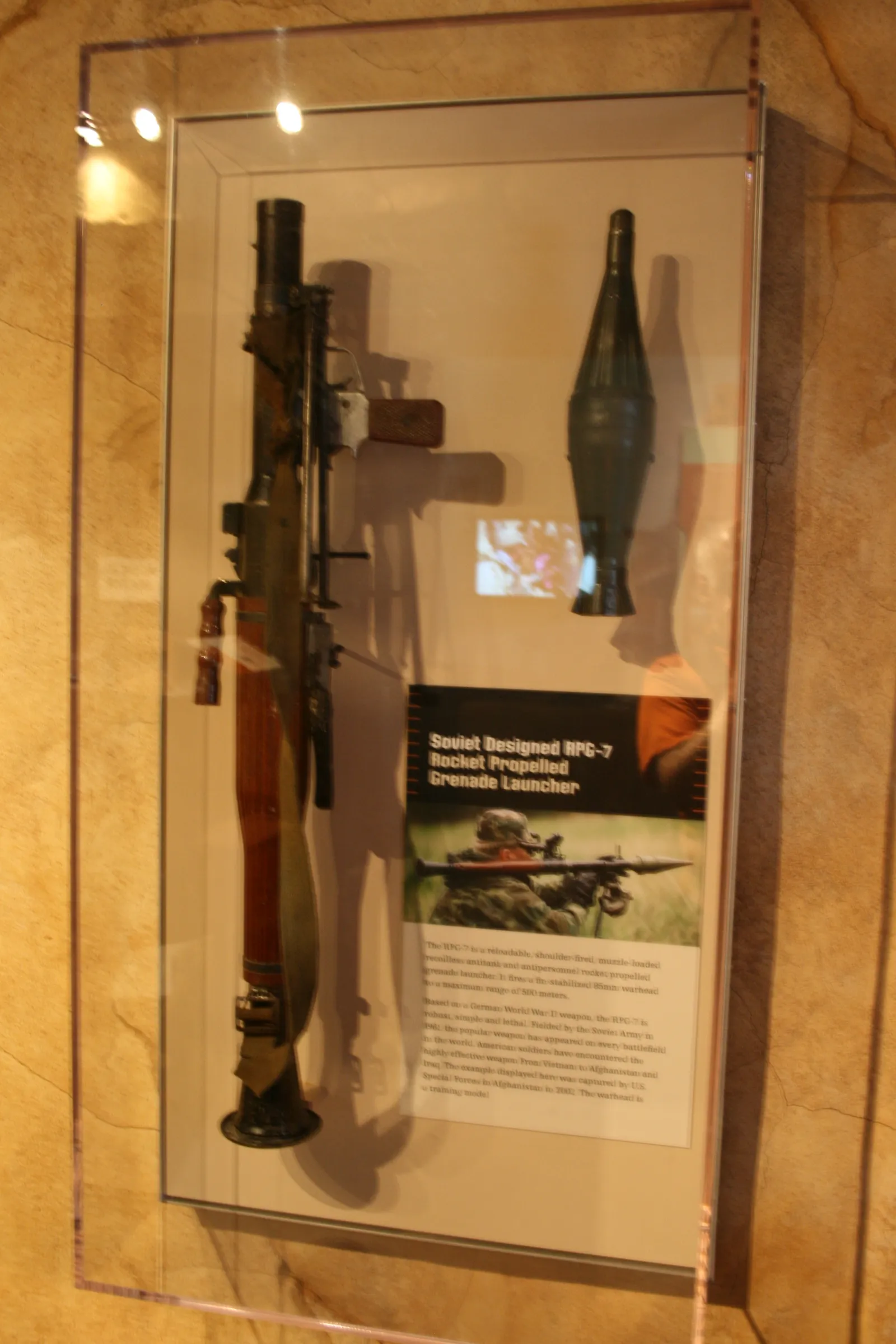
RPG launchers are portable infantry anti-armor and direct-fire weapons used to fire explosive grenades against vehicles, buildings, and fortified positions. In Marawi, sources identify IS-aligned militants using RPG launchers against Philippine armored vehicles and show RPG launchers and high-explosive RPG rounds recovered after the battle, while leaving the exact model unresolved.

Conflict side
IS-aligned militants
Built by
Various manufacturers
Built in
Multiple, including Soviet UnionRussia, China, Bulgaria, Iraq, Iran, Pakistan, Romania, and Egypt

Profile

Type
Shoulder-fired anti-armor rocket-propelled grenade launcher
Conflict side
IS-aligned militants
Origin
Soviet-designed RPG family and foreign copies; exact Marawi model not publicly identified
Service note
Post-World War II RPG-family launchers, with documented use in the 2017 Battle of Marawi

Service History

In service
Widely distributed infantry rocket/grenade launcher family; exact Marawi model not identified in public reporting
Used by
IS-aligned militants
Wars
Battle of Marawi

Production History

Designer
Varies by RPG model; RPG-2 and RPG-7 families originated in Soviet design programs
Designed
RPG-2 developed in the late 1940s; RPG-7 first produced in the early 1960s
Built by
Various manufacturers
Built in
Multiple, including Soviet UnionRussia, China, Bulgaria, Iraq, Iran, Pakistan, Romania, and Egypt
Unit cost
Varies by model, country, and source
Produced
Varies by model; RPG-7-family production has continued across multiple countries
Number built
RPG-7 family exceeds nine million according to the National Museum of the U.S. Air Force
Variants
RPG-2 and Type 56 family, RPG-7 family, Other RPG-family and local-copy launchers

Specifications

Crew
Usually one operator, with an ammunition bearer often used in military practice
Launcher class
Man-portable, shoulder-fired grenade or rocket-assisted grenade launcher
Common caliber
RPG-2/Type 56 and RPG-7-family launchers use a 40 mm launch tube; warhead diameter varies by round
Operation
Single-shot firing cycle, with reusable tubes on RPG-2 and RPG-7-family launchers
Effective range
Varies by model and target; U.S. Air Force museum material gives RPG-7 effective range of about 1,000 ft against moving targets and 1,600 ft against stationary targets
Marawi identification
Public Battle of Marawi sources identify RPG launchers and high-explosive RPG rounds, but do not identify the exact RPG model

Conflict Usage

Battle of Marawi
Side: IS-aligned militantsRole: Urban anti-armor and direct-fire harassmentanti-tankstrike

IS-aligned Maute militants used RPG launchers during the Battle of Marawi, including a reported RPG attack on an armored personnel carrier; Philippine recovery teams later recovered RPG launchers and high-explosive RPG rounds from the main battle area, but public sources did not identify the exact launcher model.

RPG Launcher Images

Related Weapon Systems

9K115 Metis, Man-portable anti-tank guided missile system, Infantry WeaponsInfantry Weapons9K115 MetisMan-portable anti-tank guided missile systemThe 9K115 Metis is a Soviet/Russian man-portable, wire-guided anti-tank guided missile family developed for company-level infantry anti-armor fire. The original AT-7 Saxhorn system emphasized a light launcher and short-range portability, while the later 9K115-2 Metis-M and Metis-M1 variants use larger 130 mm missiles, tandem HEAT or thermobaric warheads, and ranges up to 2 km. In the Russia-Ukraine War, Russian forces have been documented using the upgraded AT-13 Saxhorn-2 / Metis-M variant against Ukrainian armor.
9M113 Konkurs, SACLOS wire-guided anti-tank guided missile, Infantry WeaponsInfantry Weapons9M113 KonkursSACLOS wire-guided anti-tank guided missileThe 9M113 Konkurs, NATO reporting name AT-5 Spandrel, is a Soviet wire-guided anti-tank guided missile family built for infantry launchers and vehicle mounts such as BMP-series vehicles and the BRDM-2-based 9P148. Its SACLOS guidance, 135 mm missile body, and 4 km class engagement range kept it useful after the Cold War, including documented employment in Ukraine and Armenian/Artsakh 9P148 Konkurs losses during the 2020 Nagorno-Karabakh fighting.

Sources