Infantry Weapons

Craft-produced firearm

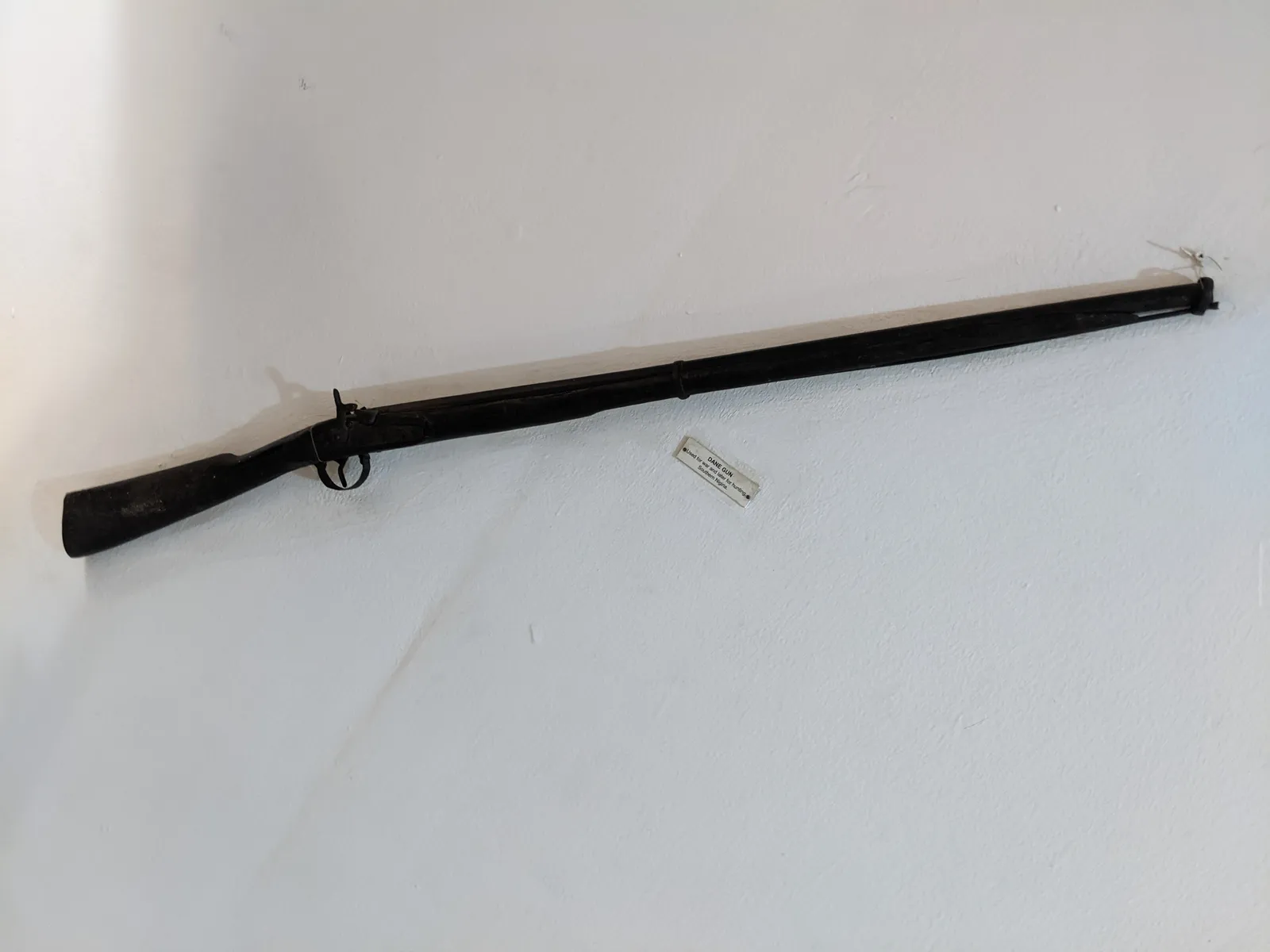
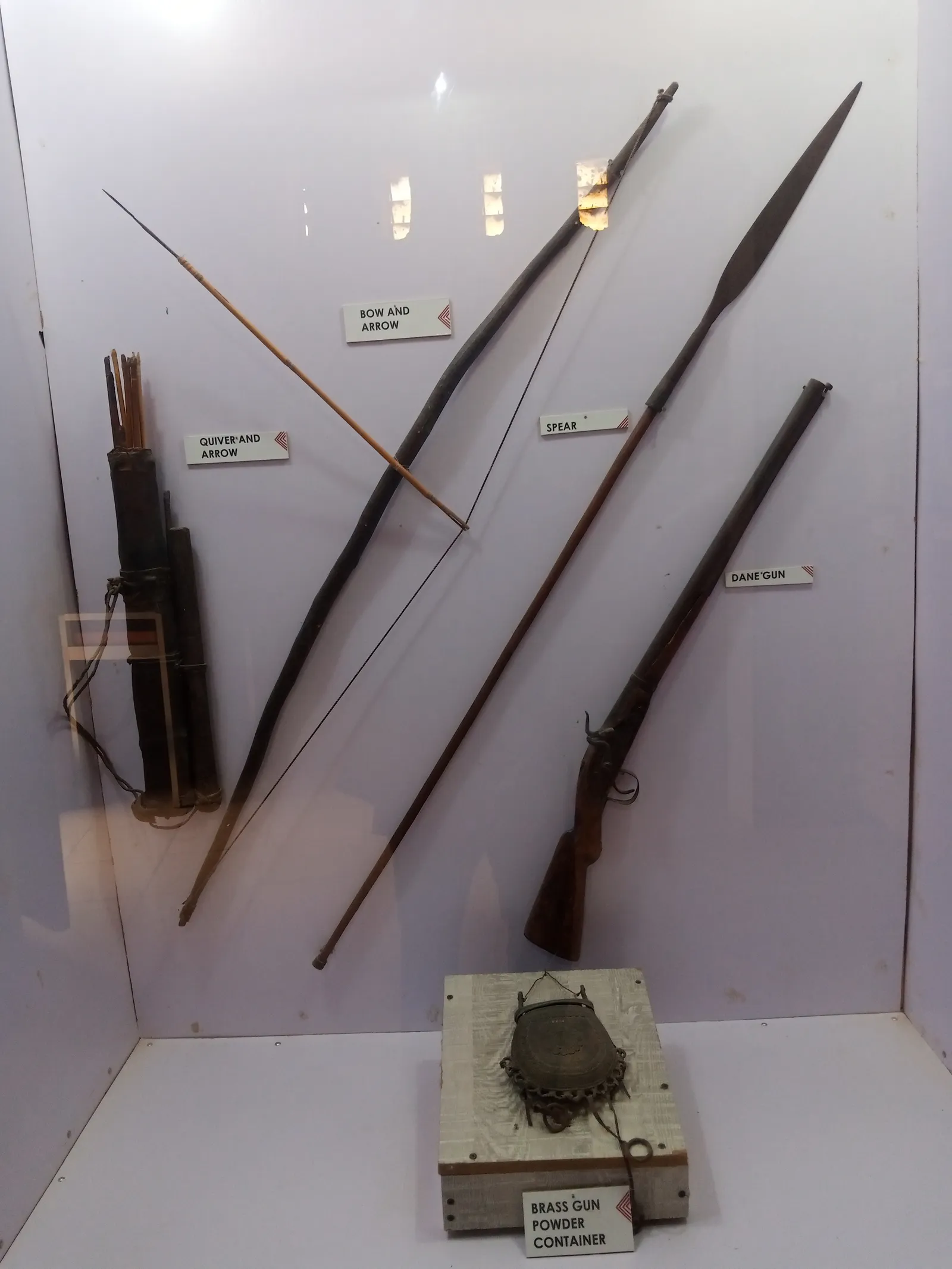
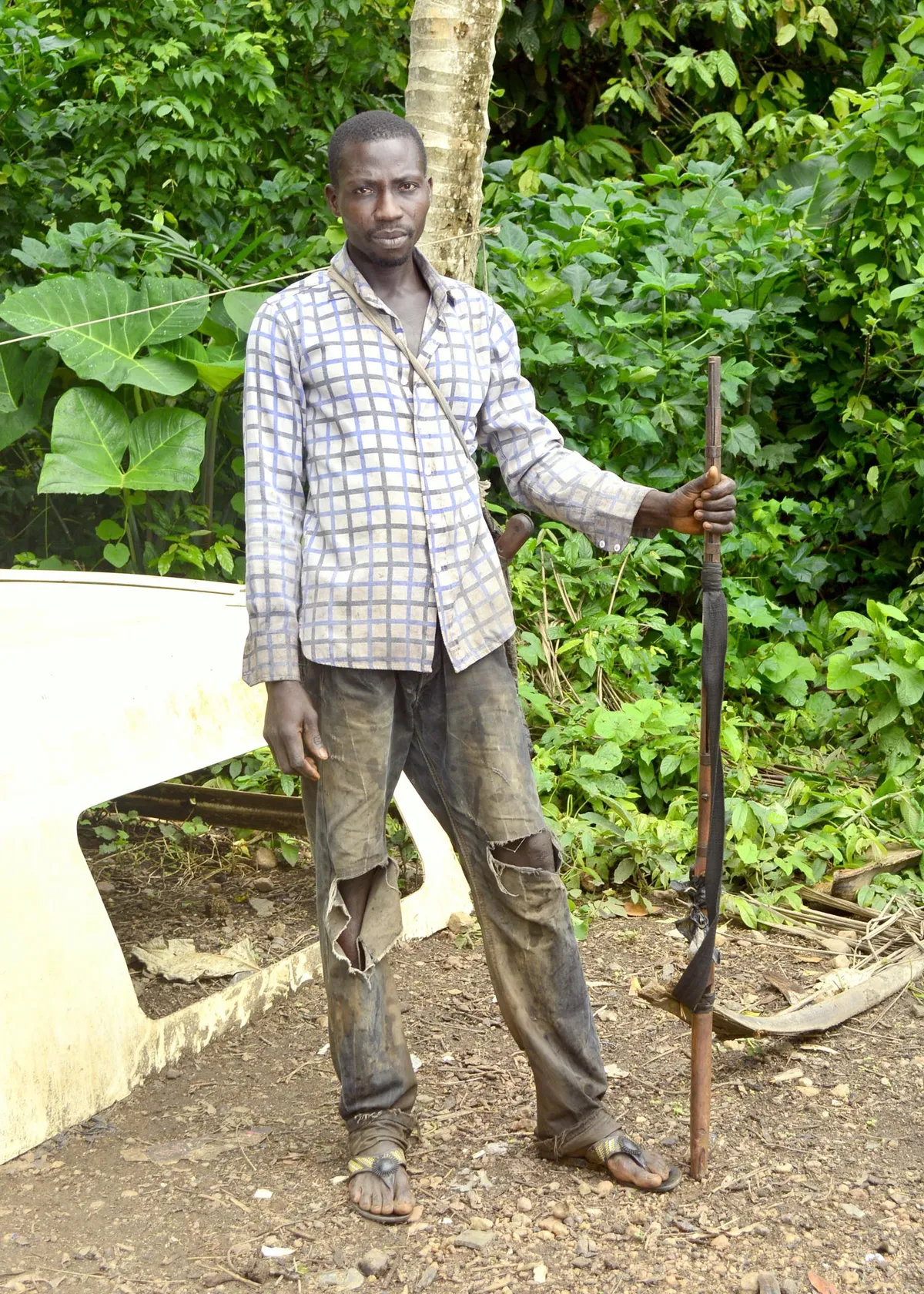
Craft-produced firearms in Nigeria are locally fabricated small arms made outside formal industrial production, ranging from muzzle-loading Dane guns and break-action shotguns to pistols and AK- or G3-style copies. In the Boko Haram Insurgency, Small Arms Survey documented craft-produced weapons in a Boko Haram cache captured during 2018 operations, while UNIDIR notes their wider relevance to armed actors and community-security forces in northeast Nigeria.

Conflict side
Boko Haram and ISWAP
Built by
Local craft producers and blacksmith workshops
Built in
Nigeria

Profile

Type
Locally fabricated small arm
Conflict side
Boko Haram and ISWAP
Origin
Nigeria
Service note
Contemporary Nigerian insurgency and community-security use
portablesmall armsimprovised weapons

Service History

In service
Documented in Nigerian illicit-weapons seizures and local armed use during the 2010s and 2020s
Used by
Boko Haram and ISWAP, Nigerian hunters and community security actors
Wars
Boko Haram Insurgency

Production History

Designer
Local gunsmiths and blacksmiths
Designed
Varies by workshop and pattern
Built by
Local craft producers and blacksmith workshops
Built in
Nigeria
Unit cost
Reported up to four times cheaper than industrially produced counterparts
Produced
Ongoing craft production
Number built
Unknown; dispersed small-batch production
Variants
Dane gun muzzle loader, Break-action shotgun, Craft-produced pistol or revolver, AK- or G3-style craft rifle

Specifications

Production method
Hand-built in small quantities by local producers, often using blacksmithing and welding techniques
Common actions
Muzzle-loading, break-action, revolving-action, pump-action, semi-automatic, or automatic patterns reported
Common calibers
Varies; documented examples include 9 x 19 mm, 7.62 x 39 mm, and 7.62 x 51 mm patterns, plus loose powder muzzle loaders
Typical construction
Smoothbore or locally fabricated barrels, wood stocks, improvised metal parts, and workshop-specific firing mechanisms
Portability
Individual small arm carried by one person

Conflict Usage

Boko Haram Insurgency
Side: Boko Haram and ISWAPRole: Illicit close-range small-arms firepowerstrike

Nigerian and Cameroonian forces reported capturing a Boko Haram weapons cache in early 2018 that included 15 craft-produced weapons, showing insurgent possession of locally made firearms alongside industrial arms.

Craft-produced firearm Images

Related Weapon Systems

AK-103-2 assault rifle, 7.62x39mm assault rifle variant, Infantry WeaponsInfantry WeaponsAK-103-2 assault rifle7.62x39mm assault rifle variantThe AK-103-2 is the three-round-burst export variant of the Russian AK-103, a 7.62x39mm AK-100-series rifle derived from the AK-74M layout but chambered for the older AKM cartridge. In the Boko Haram Insurgency context, available open-source evidence is limited: the specific AK-103-2 identification comes from visual reporting of Boko Haram militants around Lake Chad, while separate Nigerian court reporting documents alleged AK-103 rifle trafficking from Diffa toward a Boko Haram recipient.
AKM, 7.62x39mm assault rifle, Infantry WeaponsInfantry WeaponsAKM7.62x39mm assault rifleThe AKM is the stamped-receiver modernization of the Soviet Kalashnikov assault rifle, chambered for 7.62x39mm and built around a long-stroke gas piston and rotating bolt. Its lower production burden, broad Warsaw Pact and licensed manufacture, and large legacy stocks keep it visible in modern conflicts, including the Israel-Hamas War, where AP reported Hamas fighters using AK-47 assault rifles in Gaza after the Oct. 7 attack and in the wider Kalashnikov rifle family.
Galil assault rifle, Selective-fire assault rifle family, Infantry WeaponsInfantry WeaponsGalil assault rifleSelective-fire assault rifle familyThe Galil is an Israeli Kalashnikov-derived assault rifle family originally produced by Israel Military Industries and later modernized by Israel Weapon Industries as the Galil ACE line. Recent conflict reporting places Galil or Galil ACE rifles in irregular small-arms stocks from the Lake Chad Basin to FARC dissident operations in Colombia and trafficked gang arsenals in Haiti, where they appear as portable infantry weapons rather than heavy support systems.

Sources