Munitions

Improvised rocket

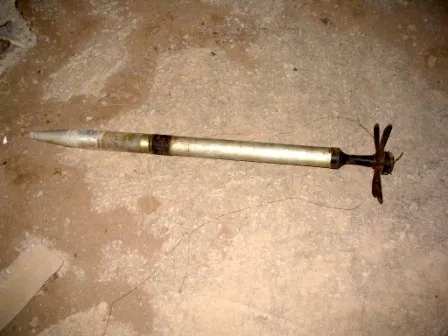
Improvised rockets in the 2009 Boko Haram Insurgency were locally fabricated or adapted 122 mm munitions used for insurgent standoff attacks in northeast Nigeria. Reporting from 2015 documented a Boko Haram rocket-making site near Bama with locally made rocket shells, while later HumAngle coverage described ISWAP firing captured Grad rockets from an improvised pickup-mounted launcher against Buni Yadi.

Role in Conflicts

Role in conflict
Unguided rocket harassment and standoff attack

Boko Haram and ISWAP used locally made rocket shells and captured 122 mm Grad rockets for standoff attacks in northeast Nigeria, including the improvised pickup-mounted launcher reported at Buni Yadi and rocket fire around Maiduguri and Gwoza.

Documented Rocket Forms

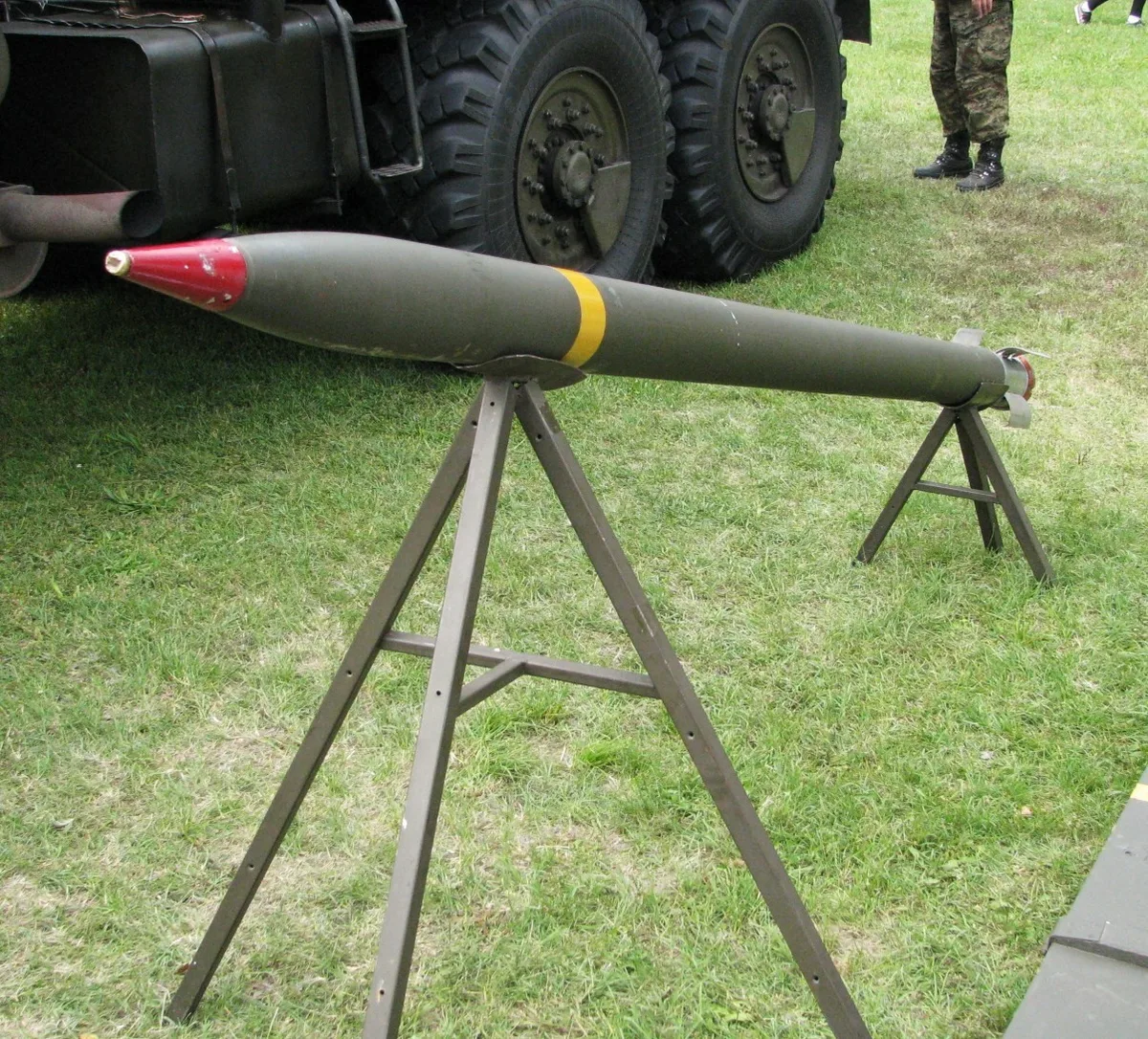
Open-source reporting describes two distinct forms on this page: locally made rocket shells recovered from a Boko Haram fabrication site, and captured 122 mm Grad rockets fired from an improvised pickup-mounted launcher.

FormSource-backed detailWhy it matters
Locally made rocket shellsRecovered near Bama with gas cylinders, a welding machine, pipes, poles, chemicals, and other workshop materials.Shows insurgent fabricators were making munition components locally, not only reusing captured stocks.
Captured 122 mm Grad rocketsISWAP later used captured Grad rockets in improvised launch arrangements, including a pickup truck fitted with four 122 mm tubes.Shows the same conflict network also relied on off-the-shelf rockets and adapted launch systems.
Profile / Specs

Profile

Origin
Nigeria
Type
Improvised unguided rocket munition
Service note
Documented in the 2009 Boko Haram Insurgency from 2015 onward
Designer
Locally improvised by insurgent fabricators
Designed
Documented by 2015
Unit cost
Not publicly documented
Produced
Documented from 2015
Number built
Not publicly documented

Specifications

Guidance
Unguided ballistic rocket
Construction
Locally made shells recovered from a Boko Haram workshop site, plus captured 122 mm Grad rockets used later by ISWAP
Launch method
Improvised static or pickup-mounted launcher arrangements
Range
About 20-40 km in the 2020 pickup-mounted Grad-launcher reporting
Warhead
Explosive payload, locally fabricated or adapted from captured rocket stocks
Variants
  • Locally made rocket shells
  • Captured 122 mm Grad rockets fired from improvised launchers
Reported Launch Arrangement

The clearest documented firing setup is the pickup-mounted improvised launcher described by HumAngle in 2020.

Firing weaponWeapon typeFiring evidence
Improvised launcher for 122mm rockets, Improvised multiple rocket launcher, ArtilleryImprovised launcher for 122mm rocketsPickup-mounted improvised launcher

HumAngle described a camouflage-painted pickup fitted with four 122 mm Grad tubes that ISWAP used to strike Buni Yadi, making the launcher the clearest documented firing arrangement for these rockets.

Sources: ISWAP Improvised Grad Rocket Launcher Poses New Threat To Civilians, Troops

Timeline

Improvised rocket Key Events

  1. Boko Haram rocket site found near Bama

    The Nigerian Army said troops destroyed a Boko Haram makeshift factory near Bama and recovered locally made rocket shells and other workshop materials.

  2. Grad rocket attacks reported on polling day

    Reporting described ISWAP-claimed Grad rocket attacks on Maiduguri and Boko Haram rocket fire at Gwoza during the election-day violence.

  3. Improvised pickup launcher appears in ISWAP imagery

    HumAngle reported that ISWAP shared a picture of a camouflage-painted pickup fitted with four 122 mm Grad tubes and tied it to April attacks on Buni Yadi.

Media

Improvised rocket Images

Related Weapon Systems
Improvised launcher for 122mm rockets, Improvised multiple rocket launcher, ArtilleryArtilleryImprovised launcher for 122mm rocketsImprovised multiple rocket launcherThe improvised launcher for 122mm rockets is a non-standard artillery system assembled from Grad-family rockets, tubes, or captured launch components. Public reporting documents pickup-mounted rebel launchers in the 2011 First Libyan Civil War and a four-tube ISWAP/Boko Haram-side pickup launcher in the 2009 Boko Haram Insurgency, giving irregular forces a mobile but inaccurate area-fire capability from standoff range.
Improvised armored vehicle, Improvised armored fighting vehicle, Armored VehiclesArmored VehiclesImprovised armored vehicleImprovised armored fighting vehicleImprovised armored vehicles in ISWAP and Boko Haram use are field-fabricated platforms built from commercial or captured vehicles and fitted with added armor, armored glass, or salvaged armored-vehicle sections. The best-documented examples in the Boko Haram insurgency include up-armored SVBIEDs used against Nigerian military positions and improvised armored carriers built on pickup-type chassis for assault support in northeast Nigeria.
Type 63 107 mm rocket, Unguided 107 mm artillery rocket, MunitionsMunitionsType 63 107 mm rocketUnguided 107 mm artillery rocketThe Type 63 107 mm rocket is a Chinese-origin, electrically initiated, spin-stabilized unguided artillery rocket built for Type 63-family light launchers and related single-tube, truck-mounted, or improvised launch arrangements. FAS describes the projectile as a one-piece rocket with its warhead attached to the motor and canted nozzles for spin stabilization, while Army Guide lists Type 63-2 and incendiary ammunition for the launcher family. Its roughly 8.5 km standard range and simple firing circuit made the family useful for light area fire, improvised insurgent attacks, and captured-materiel inventories from Iraq and Afghanistan to the Lake Chad basin.
Craft-produced firearm, Locally fabricated small arm, Infantry WeaponsInfantry WeaponsCraft-produced firearmLocally fabricated small armCraft-produced firearms in Nigeria are locally fabricated small arms made outside formal industrial production, ranging from muzzle-loading Dane guns and break-action shotguns to self-loading pistols, sub-machine guns, and AK- or G3-style rifle copies. Small Arms Survey documented craft-produced weapons in a Boko Haram cache captured in 2018, and UNIDIR reports their wider use by community-security actors in northeast Nigeria during the 2009 Boko Haram Insurgency.

Sources