- Role in conflict
- Long-range hard-target interdiction

Amnesty International reported that Chinese-made anti-materiel rifles were used by both sides of the 2023 Sudan War, including in Darfur.
Anti-materiel rifles are large-caliber rifles designed to disable vehicles, weapons, sensors, and other materiel from long range. The family traces back to World War I anti-tank rifles and modernized with Barrett's 1982 Model 82A1, the first shoulder-fired semi-automatic .50 BMG rifle. In the 2023 Sudan War, Amnesty International reported Chinese-made rifles used by both sides, including in Darfur.
Amnesty International reported that Chinese-made anti-materiel rifles were used by both sides of the 2023 Sudan War, including in Darfur.
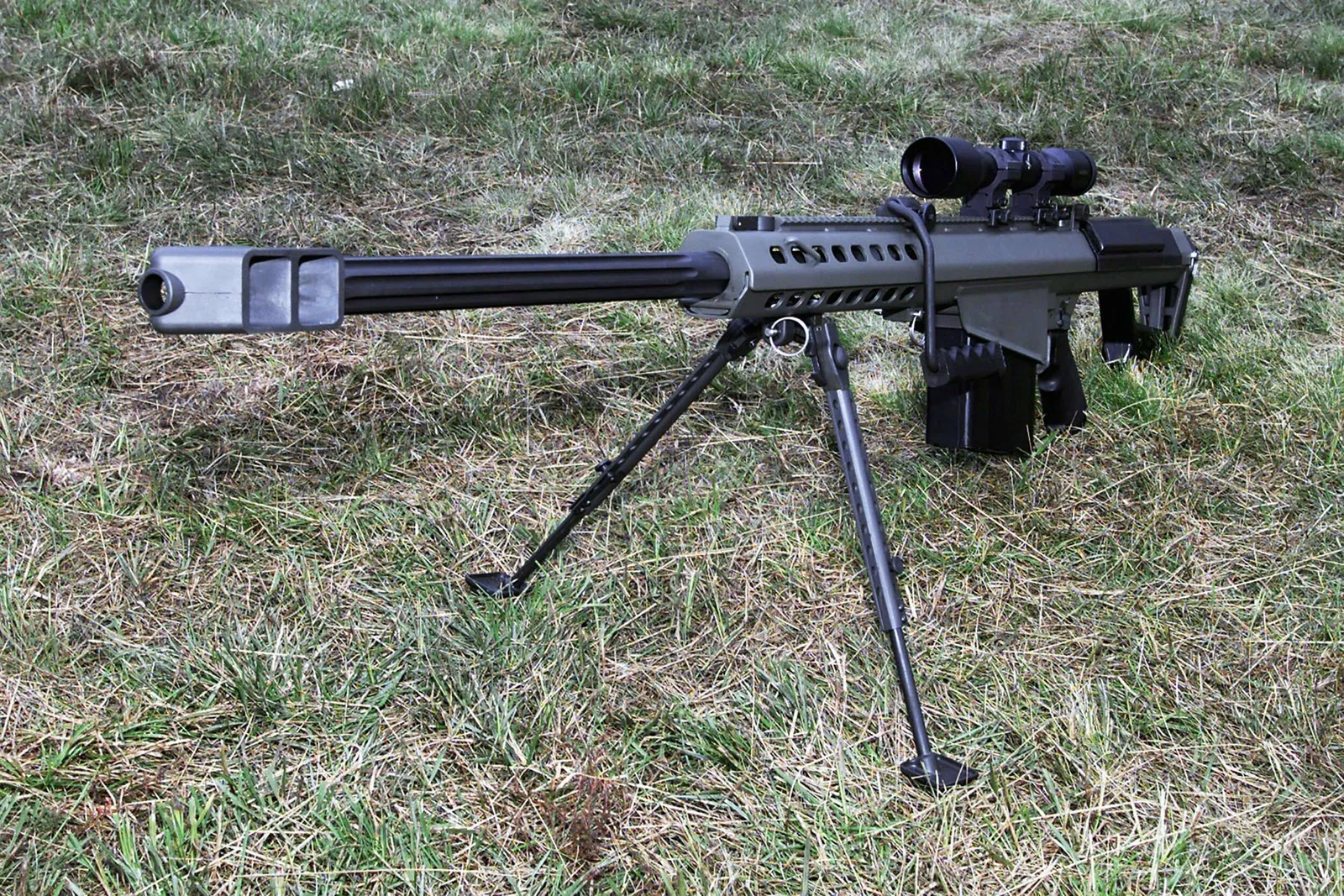
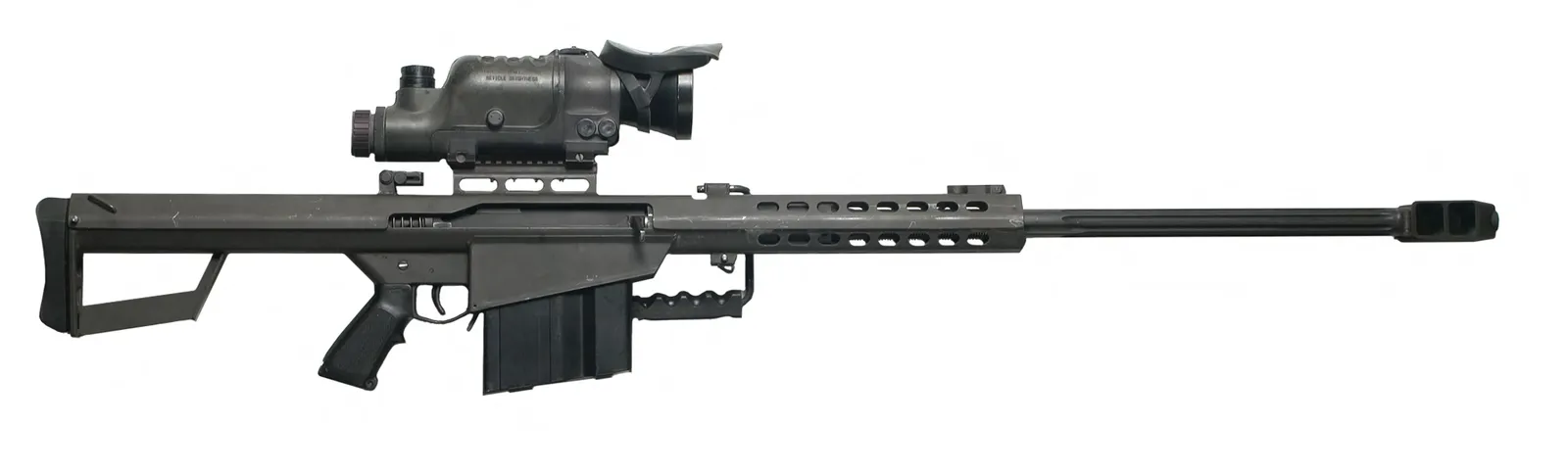
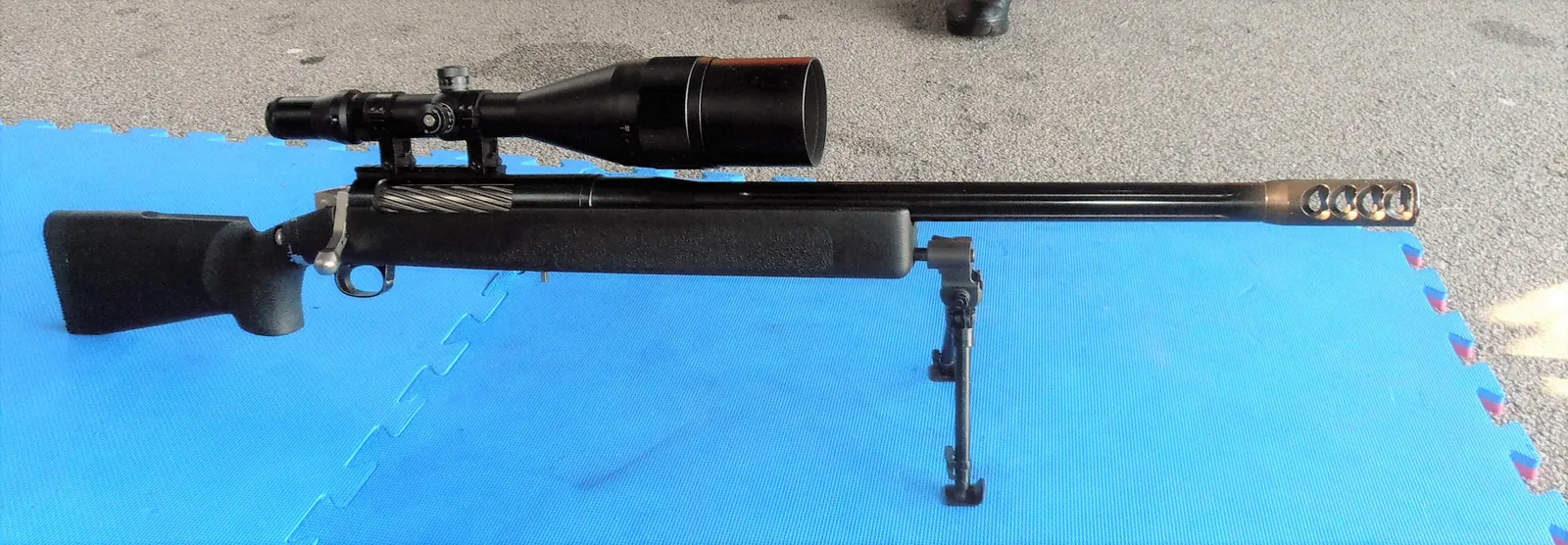
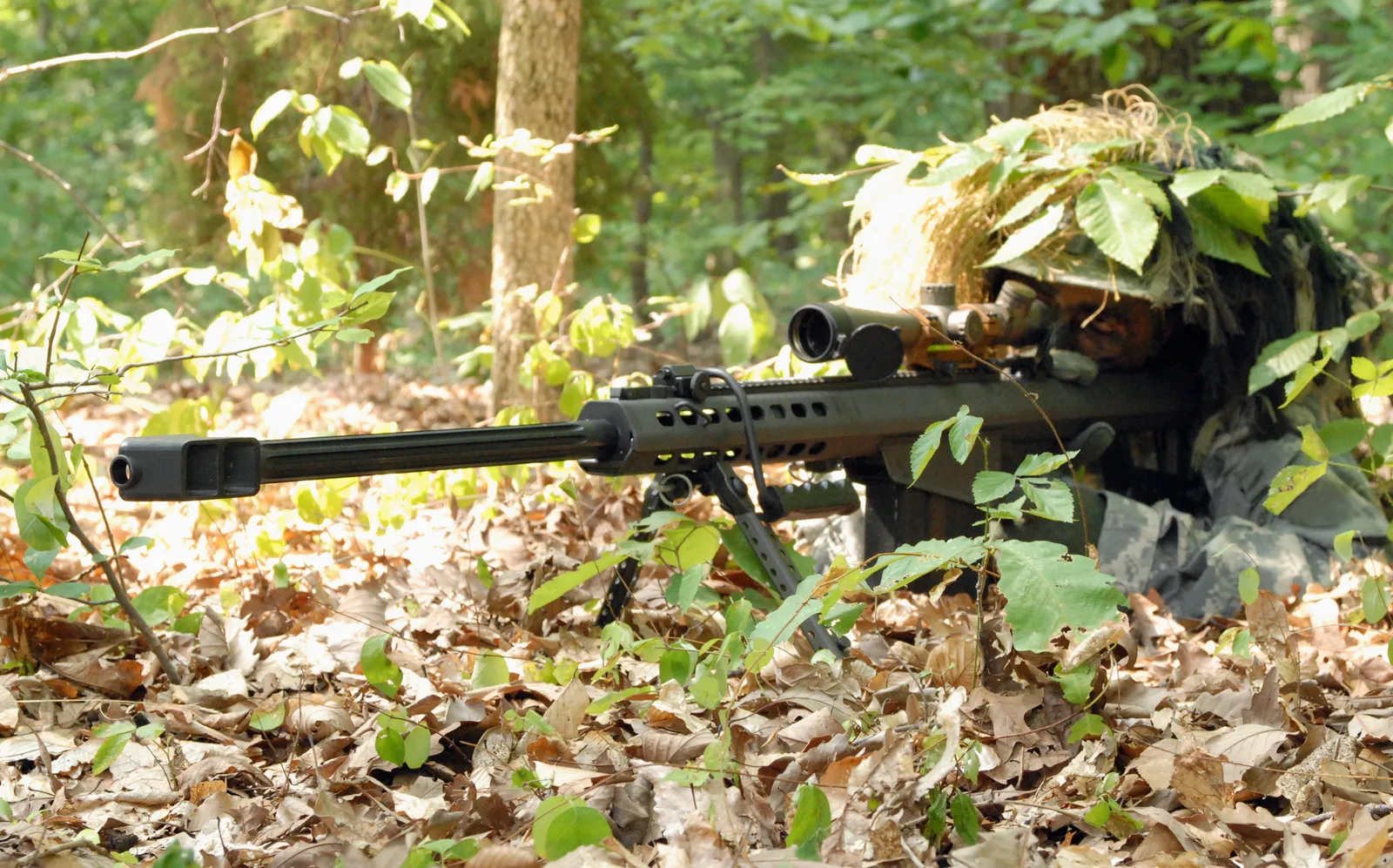
Anti-materiel rifles stay man-portable while targeting vehicles, optics, sensors, and other hard targets at long range.
| Topic | Reader note |
|---|---|
| Lineage | The category descends from World War I anti-tank rifles; Barrett's company history places the modern revival in 1982. |
| Representative model |  |
| Target set | The design is meant for materiel rather than armor alone: vehicles, weapons, optics, sensors, and similar hard targets. |
| Ammunition | Ammunition type | Firing evidence |
|---|---|---|
 | Large-caliber rifle cartridge | The U.S. Army says the M107 anti-materiel rifle fires .50-caliber ammunition, and Barrett identifies the Model 82A1 as chambered in .50 BMG. Sources: M107 Semi-Automatic Long Range Sniper Rifle (LRSR), Barrett Model 82A1 |
| Firing weapon | Weapon type | Firing evidence |
|---|---|---|
| Large-caliber rifle cartridge | Nammo describes its 12.7 mm x 99 .50 cal multipurpose ammunition as ideal for anti-material rifles and lists Barrett M82/M107 among qualified systems. Sources: NAMMO AMMUNITION HANDBOOK |
The family's lineage begins with anti-tank rifles built to answer the first battlefield tanks.
Sources: Anti-materiel Rifles (Research Note 7)
Small Arms Survey notes that anti-tank rifles largely disappear after World War II.
Sources: Anti-materiel Rifles (Research Note 7)
Barrett's company history places the Model 82 family's origin in 1982, marking the modern shoulder-fired .50-caliber rifle era.
Sources: Barrett Company History, Barrett Model 82A1
Barrett's company history says the U.S. Army adopted the M82A1 as the M107 in 2002.
Sources: Barrett Company History, M107 Semi-Automatic Long Range Sniper Rifle (LRSR)
Amnesty International reported Chinese-made anti-materiel rifles used by both sides of the 2023 Sudan War, including in Darfur.
Sources: New weapons fuelling the Sudan conflict