Aircraft & UAVs

Harrier GR3

Also known as
  • Hawker Siddeley Harrier GR.3
  • Harrier GR.3
  • Harrier GR3

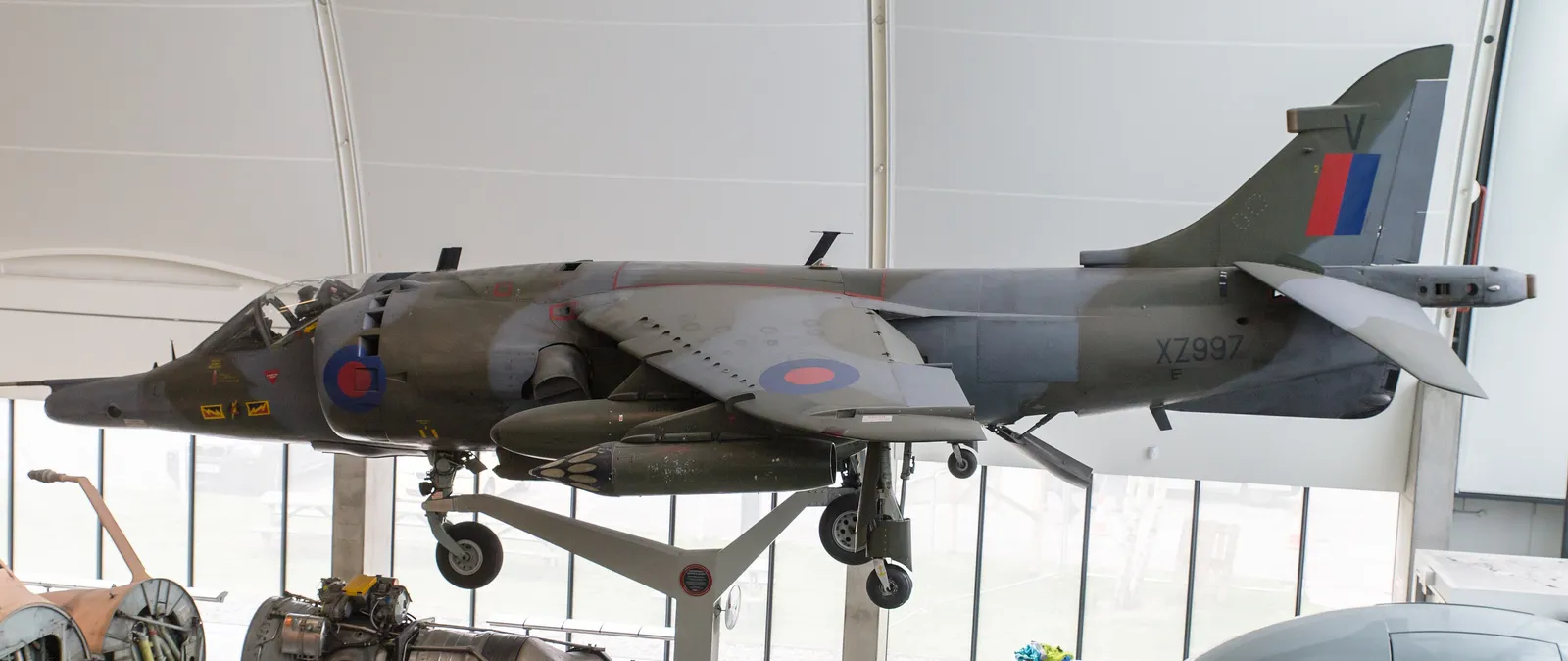
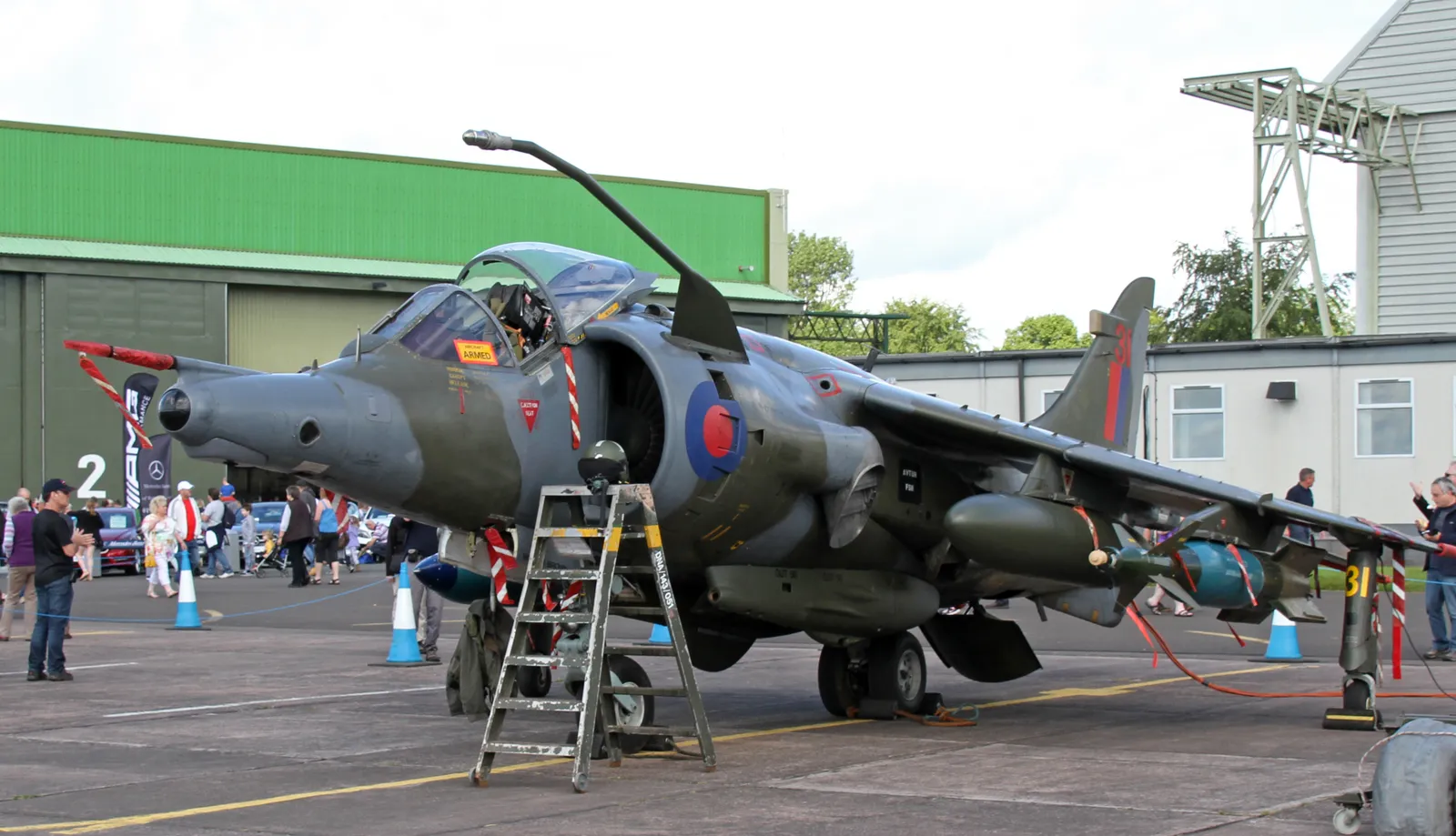
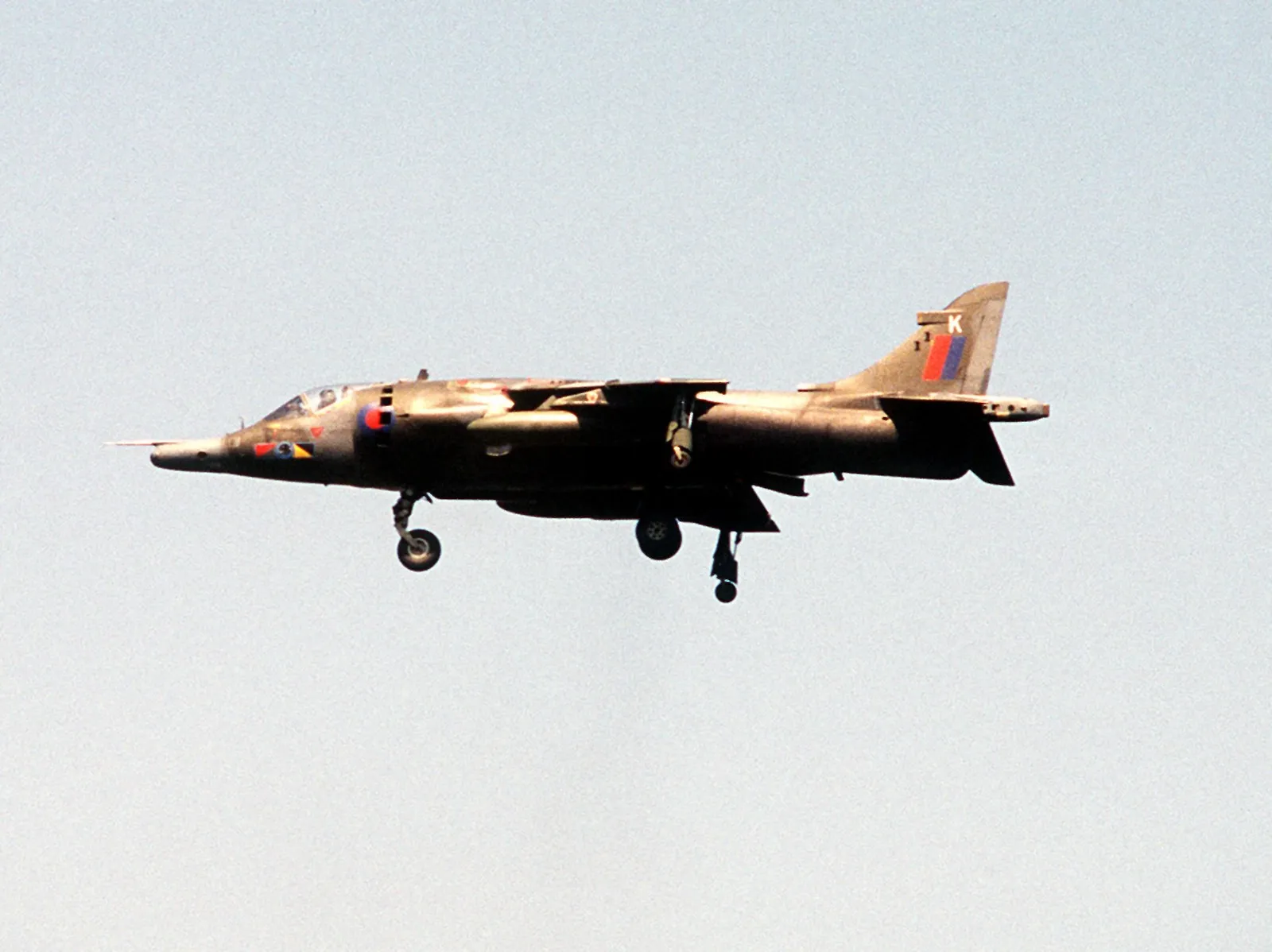
The Hawker Siddeley Harrier GR3 was a Royal Air Force V/STOL strike aircraft developed in Great Britain from the earlier Harrier GR1. RAF Museum and Pima Air & Space Museum material describe it as a ground-attack and reconnaissance variant with improved sensors, electronic countermeasures, and a more powerful Pegasus engine, and note its RAF service in Germany, Norway, Belize, and the Falklands era.

Profile / Specs

Specifications

Crew
1
Role
V/STOL ground attack and reconnaissance
Wingspan
25 ft 3 in.
Length
45 ft 6 in.
Height
11 ft 4 in.
Weight
25,000 lbs (loaded)
Maximum speed
746 MPH
Service ceiling
55,000 ft
Range
403 miles
Engine
One Rolls-Royce Pegasus 11 Mk. 103 turbofan with 21,500 pounds of thrust
Carried Munitions

The RAF Historical Society paper identifies the Harrier GR3 as one of the RAF aircraft that entered service with BL755 in 1973.

Carried itemItem typeCarriage evidence
BL-755 cluster bomb, Air-dropped anti-armor cluster bomb, MunitionsBL-755 cluster bombAir-dropped cluster bomb

The RAF Historical Society paper identifies the Harrier GR3 as one of the RAF aircraft that entered service with BL755 in 1973.

Sources: ROYAL AIR FORCE HISTORICAL SOCIETY JOURNAL 45 (RAF Museum)

Service And Conflict Use

Service History

In service
RAF ground-attack and reconnaissance variant; served in Germany, Norway, Belize, and the Falklands era.
Used by
Royal Air Force
Media

Harrier GR3 Images

Related Weapon Systems
AV-8B Harrier II, Vertical/short takeoff and landing attack aircraft, Aircraft & UAVsAircraft & UAVsAV-8B Harrier IIVertical/short takeoff and landing attack aircraftThe AV-8B Harrier II is the U.S. Marine Corps' V/STOL light attack aircraft, built for expeditionary close air support, armed reconnaissance, and deck-based strike missions from amphibious ships and forward sites. In the post-2015 archive it appears in Operation Inherent Resolve, the U.S. campaign against ISIS in Libya, and Afghanistan support operations, where Marine Harrier detachments remained a flexible ship- or land-based strike option.
SEPECAT Jaguar, Supersonic jet attack aircraft, Aircraft & UAVsAircraft & UAVsSEPECAT JaguarSupersonic jet attack aircraftThe SEPECAT Jaguar is a Franco-British supersonic jet attack aircraft built for low-level strike, close air support, reconnaissance, and tactical nuclear delivery. Jointly developed by SEPECAT and later license-produced by Hindustan Aeronautics Limited for India, it first flew in 1968 and went on to see documented combat use in the Western Sahara War, the Chadian-Libyan conflict, the Gulf War, the Bosnian War, the Kargil War, and the Cenepa War.

Sources