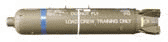
Direct proof of use
U.S. Central Command Air Forces' Operation Iraqi Freedom air-campaign summary listed 118 CBU-87 munitions under unguided munitions expended during the campaign. The same summary described its scope as the Combined Forces Air Component Commander's aggregate record for Operation Iraqi Freedom air operations from March 19 to April 18, 2003.
Human Rights Watch's Off Target report independently cited U.S. Air Force use of 118 CBU-87s in Iraq and placed them among the air-delivered cluster bombs used by U.S. and U.K. air forces during the first three weeks of the war.
Sources: USCENTAF Operation Iraqi Freedom By The Numbers, HRW Off Target Iraq Report
Timeline
The documented use belongs to the major air campaign that opened Operation Iraqi Freedom. USCENTAF's April 30, 2003 summary covered air operations from 0300Z on March 19 through 0259Z on April 18 and listed CBU-87s in its munitions-expended table.
HRW published its Iraq civilian-casualty investigation on December 11, 2003. Its air-war chapter repeated the 118-CBU-87 count and distinguished the unguided CBU-87 from the more numerous CBU-103 WCMD used in the same campaign.
Sources: USCENTAF Operation Iraqi Freedom By The Numbers, HRW Off Target Iraq Report
Narrative
In Iraq, the CBU-87 appeared as an unguided air-delivered cluster munition in a broader U.S. cluster-bomb mix that also included CBU-103, CBU-99, and CBU-105 weapons. HRW reported that CBU-87s and CBU-103s both carried 202 BLU-97 combined-effects bomblets, and that BLU-97 payloads made up most of the reported U.S. air-dropped cluster bombs in the campaign.
HRW described the coalition's air-delivered cluster-bomb role as largely area effect and anti-armor use. The report attributed common target categories to a CENTCOM official, including armored vehicles, guns, tanks, and paths of thin-skinned vehicles, while noting that most air-strike sites HRW visited contained military vehicles, missiles, artillery, or similar equipment.
The public sources establish the campaign-level CBU-87 expenditure count, but they do not identify individual CBU-87 strike locations in the same way HRW identifies some CBU-103 evidence. Incident-level BLU-97 debris in HRW's Iraq report should therefore not be treated as CBU-87-specific unless the source names the dispenser model.
Sources: HRW Off Target Iraq Report, USCENTAF Operation Iraqi Freedom By The Numbers