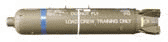
Direct proof of use
Human Rights Watch identified the CBU-105 Sensor Fuzed Weapon as one of the air-dropped cluster munitions used by the Saudi-led coalition in Yemen. Its February 2016 reporting said investigators had examined at least five CBU-105 attacks in four governorates since March 2015, including al-Amar in Saada governorate, Sanhan in Sanaa governorate, Harf Sofian in Amran governorate, and al-Hayma Port in Hodaida governorate.
The same reporting connected the weapon to battlefield remnants and witness material, including BLU-108 canisters and Skeet submunitions found after attacks. Human Rights Watch also reported that Saudi Arabia acknowledged one use of CBU-105 Sensor Fuzed Weapons in April 2015, while denying other cluster-munition use.
Sources: HRW Yemen cluster munitions wounding civilians, HRW Yemen Saudis using US cluster munitions, HRW Yemen technical briefing note
Timeline
The earliest documented CBU-105 attack listed by Human Rights Watch was at al-Shaaf in Saada governorate on April 17, 2015. Human Rights Watch then documented CBU-105 use near al-Amar on April 27, at Sanhan on May 21, at Harf Sofian on June 29, and at al-Hayma Port on December 12, 2015.
In 2016, Human Rights Watch reported another CBU-105 attack near the Amran Cement Factory on February 15 and said the strike produced video and remnants consistent with the weapon. The Cluster Munition Monitor later listed additional CBU-105 entries in Yemen through October 2016, while noting no evidence or allegations of Saudi cluster-munition use in 2023 or the first half of 2024.
Sources: HRW Yemen technical briefing note, HRW Yemen Saudis using US cluster munitions, Cluster Munition Monitor Saudi Arabia profile
Narrative
The CBU-105's Yemen role was air-delivered attack by Saudi-led coalition aircraft against targets the coalition described as military or vehicle-related. Human Rights Watch found that the documented strike locations did not show destroyed armored vehicles and reported civilian harm in some attacks, including wounded civilians near al-Amar and in Hodaida.
US transfer records provide the acquisition context. The Defense Security Cooperation Agency notified Congress in 2011 of a proposed sale of CBU-105D/B Sensor Fuzed Weapons to Saudi Arabia and stated that the agreement would require use only against clearly defined military targets and not where civilians were known to be present or in normally inhabited areas. The Cluster Munition Monitor states that Saudi Arabia purchased 404 CBU-105s under the 2011 deal and 1,300 more in 2013.
The evidence also separates Saudi and Emirati holdings from documented use. Human Rights Watch and the Cluster Munition Monitor noted that the United Arab Emirates possessed CBU-105s but denied using them in Yemen; the published Yemen use record is attributed to the Saudi-led coalition and, where specifically acknowledged, to Saudi Arabia.
Sources: DSCA Saudi CBU-105 notification, HRW Yemen cluster munitions wounding civilians, HRW Yemen Saudis using US cluster munitions, Cluster Munition Monitor Saudi Arabia profile