- Side
- India

Fielded by Indian forces during Operation Sindoor as part of the layered air-defense network used against Pakistani drone and missile attacks on northern and western Indian military targets.
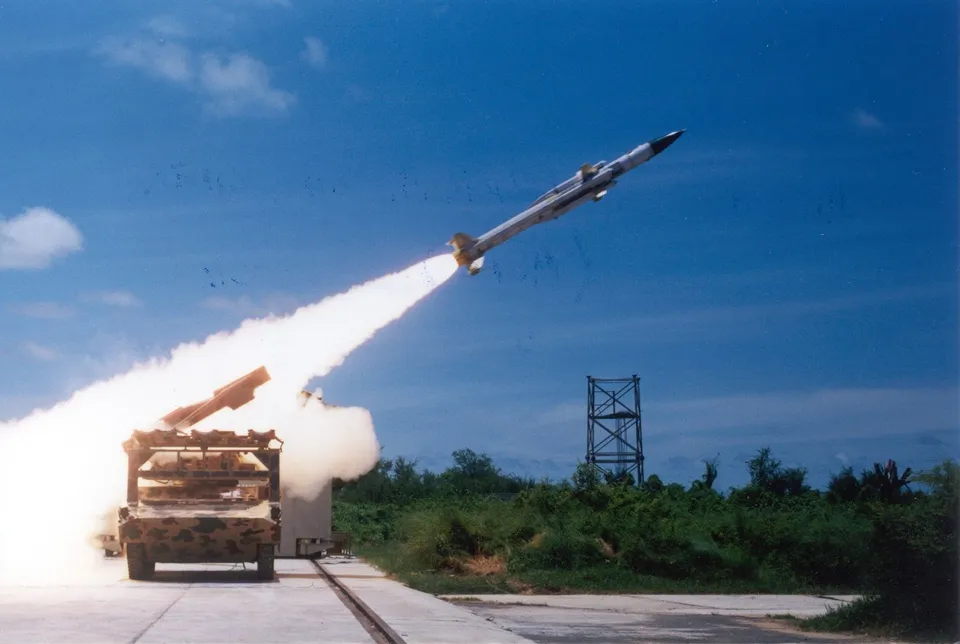
Akash is an Indian mobile surface-to-air missile system developed for point and area air defense of vulnerable sites and forces. During Operation Sindoor in the 2025 India-Pakistan Conflict, Indian official reporting identified Akash among the indigenous air-defense systems used in the layered network that countered Pakistani drone and missile attacks.
Fielded by Indian forces during Operation Sindoor as part of the layered air-defense network used against Pakistani drone and missile attacks on northern and western Indian military targets.
Akash is cataloged as a missile system rather than a missile round alone. BEL describes the weapon system as a networked air-defense package using multi-sensor processing, threat evaluation, command guidance, and phased-array radar support for engagements from multiple directions.
Group and autonomous modes, with simultaneous engagement of multiple targets using multiple missiles.
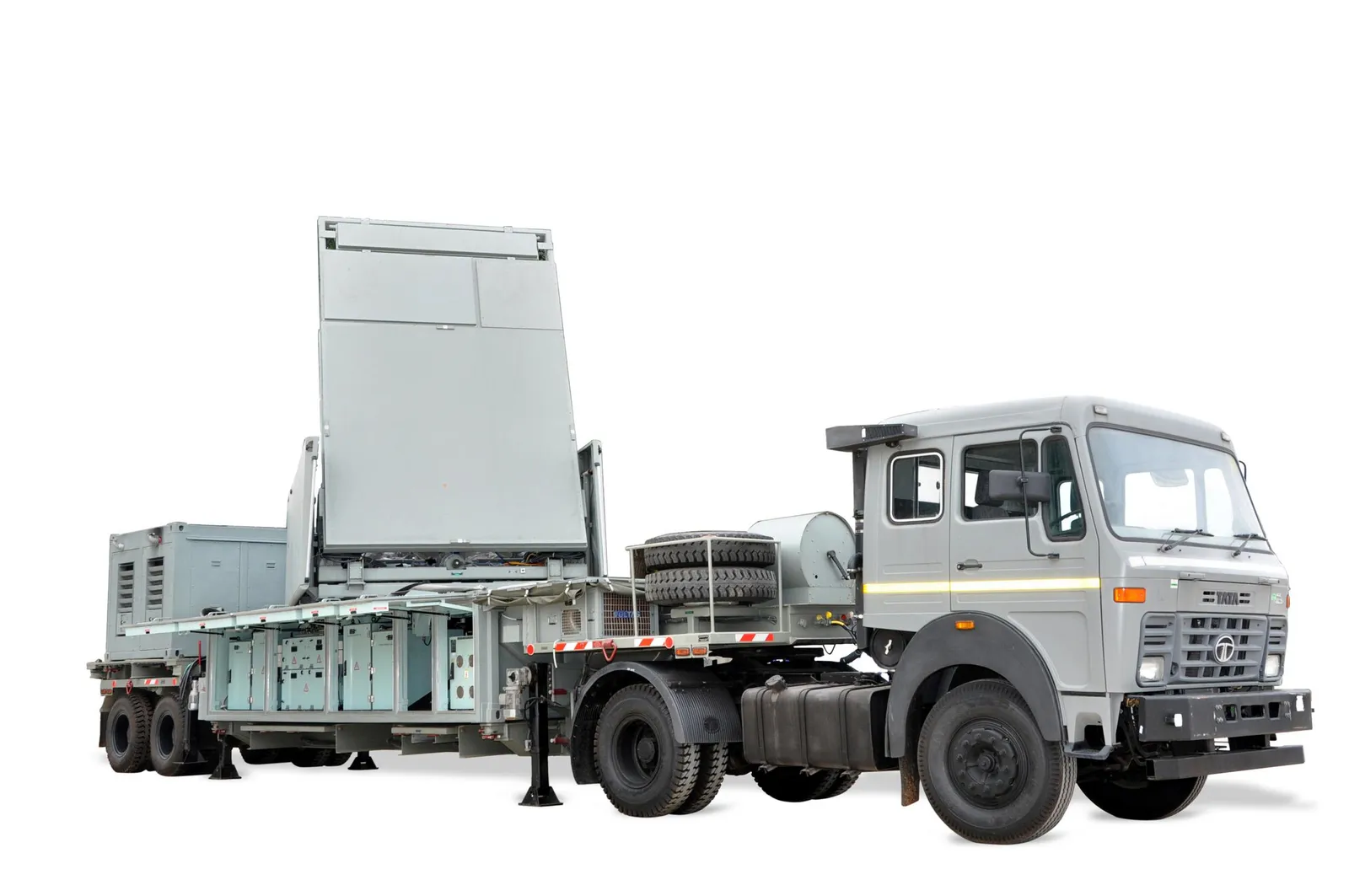
BEL lists multifunction radar coverage, central acquisition radar coverage, and target tracking in track-while-scan mode.
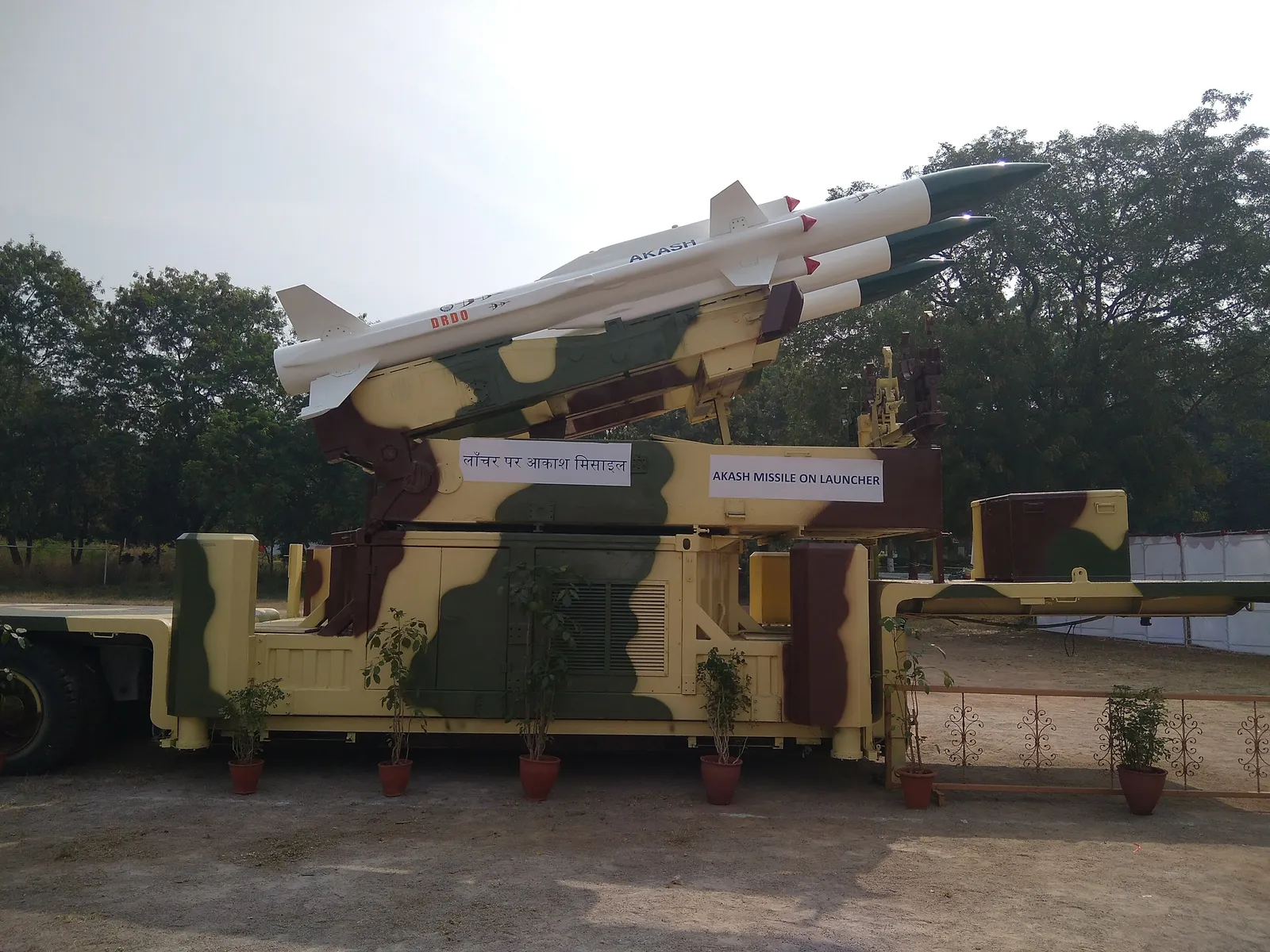
DRDO-hosted export reporting describes an Akash battery with a Rajendra radar and four launchers, each armed with three interlinked missiles.
Sources: Akash Missile System; DRDO Akash Export Note.
Akash is the baseline missile-system family name. Public DRDO material separates the legacy Akash weapon system from Akash Prime, which adds an indigenous active RF seeker, and the later Akash-NG development branch.
| Variant | Configuration | Designation notes |
|---|---|---|
| Akash Mk 1 | Baseline Indian Army and Indian Air Force Akash configuration | DRDO describes the original Akash weapon system as a mobile short-range SAM inducted and operational with both the Indian Air Force and Indian Army. Sources: DRDO Industry Partner - Akash |
| Akash Prime | Upgraded high-altitude configuration | DRDO says Akash Prime adds an indigenous active RF seeker for improved accuracy, combines command guidance with seeker-based terminal guidance, and had first-of-production equipment under integration in 2024. Sources: DRDO Akash Prime, Successful Trial of Akash Prime at High-Altitude |
| Akash-NG | New-generation development branch | DRDO's Akash-NG user-evaluation reporting identifies a next-generation system with an indigenous RF seeker, solid rocket motor, multifunction radar, command-and-control unit, and missile launch vehicle. Sources: DRDO Akash-NG User Evaluation Trials |
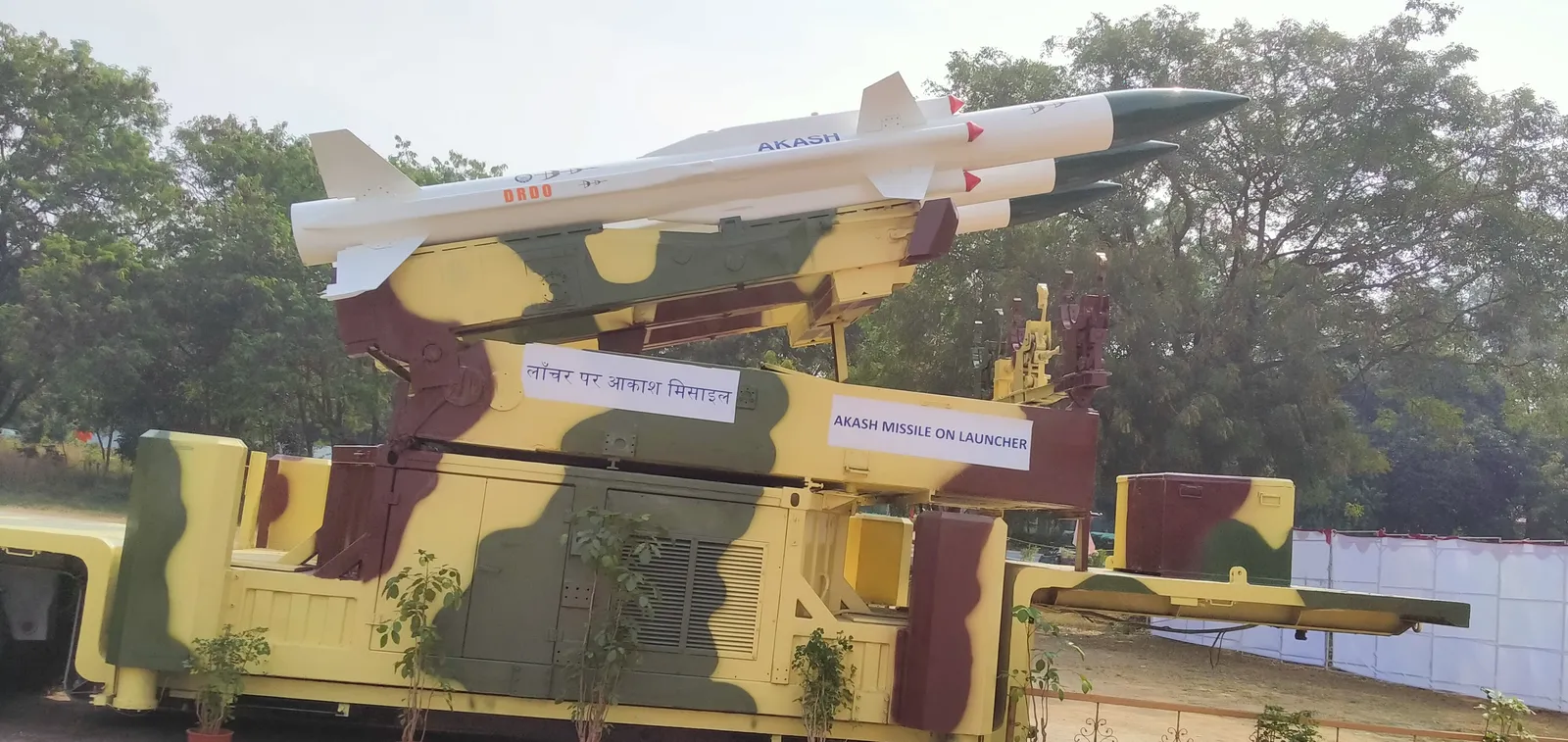
Tata Advanced Systems identifies dedicated Army and Air Force launcher platforms for Akash missiles.
| Launcher | Launcher type | Launch evidence |
|---|---|---|
 | Mobile launcher system | The Akash Army Launcher product page describes a self-powered launcher on an 8x8 HMV that can transport and launch Akash missiles in single or salvo mode. Sources: Tata Advanced Systems - Akash Army Launcher, DRDO Products - Akash |
 | Mobile launcher system | Tata Advanced Systems identifies the Akash Air Force Launcher as a mobile launcher system for Air Defence Missiles and says it can transport and launch up to three Akash Medium Range Surface to Air Missiles in single or salvo mode. |
DRDO-hosted reporting says Akash entered Indian Air Force service in 2014, followed by Indian Army induction in 2015.
Sources: DRDO Akash Export Note
DRDO handed over the Authority Holding Sealed Particulars for the Indian Army version of the Akash Weapon System to MSQAA at Hyderabad.
Sources: DRDO Akash AHSP Transfer
DRDO's Akash Prime product page said first-of-production equipment was ready and undergoing weapon-system integration, with missiles in phase checks at Bharat Dynamics Limited.
Sources: DRDO Akash Prime
DRDO-hosted reporting described the dispatch of a first Akash weapon-system battery and summarized the battery layout as a Rajendra radar with four launchers carrying three interlinked missiles each.
Sources: DRDO Akash Export Note
PIB and DRDO-hosted reporting identified Akash among the systems used in India's layered air-defense response during Operation Sindoor.
Sources: Operation SINDOOR: The Rise of Aatmanirbhar Innovation in National Security, DRDO in Operation Sindoor
PIB said Akash Prime destroyed two high-speed unmanned aerial targets at altitude in Ladakh, validating upgrades for high-altitude Indian Army air-defense use.
Sources: Successful Trial of Akash Prime at High-Altitude
DRDO-hosted reporting said Akash-NG completed user-evaluation trials against aerial targets at different ranges and altitudes, supporting induction readiness.
Sources: DRDO Akash-NG User Evaluation Trials