Infantry Weapons

Zastava M21 assault rifle

Also known as
  • M21
  • Zastava M21

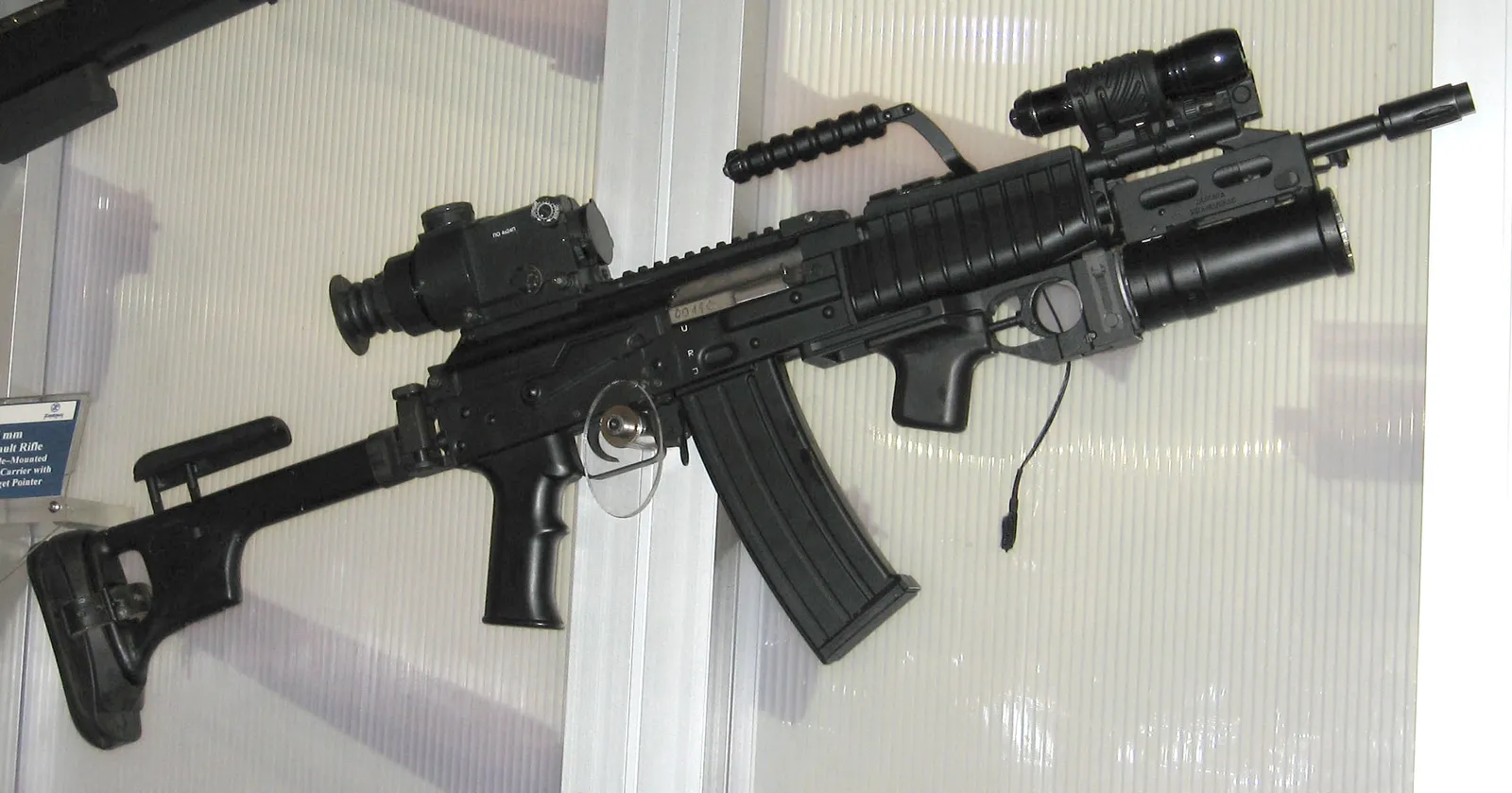
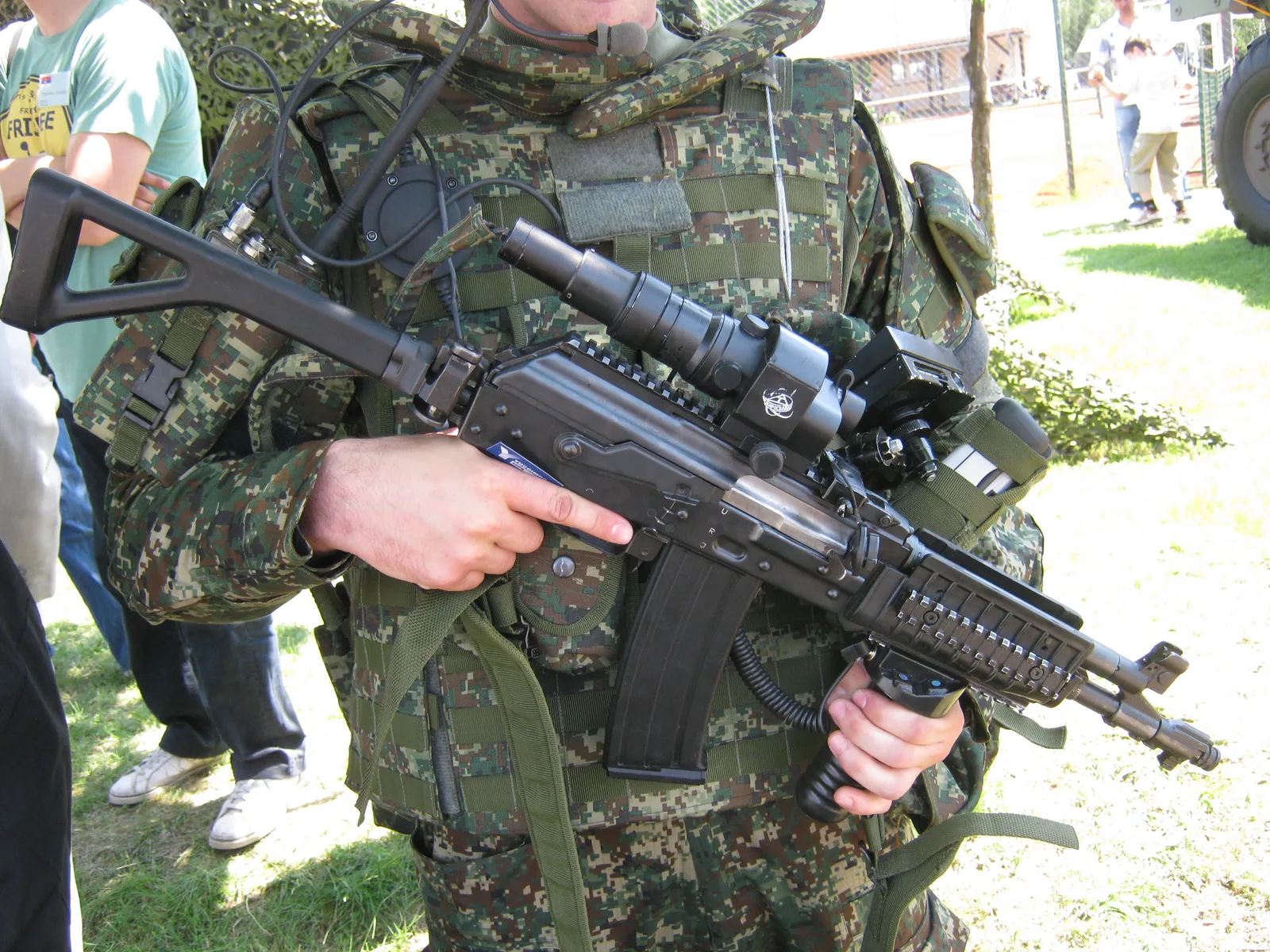
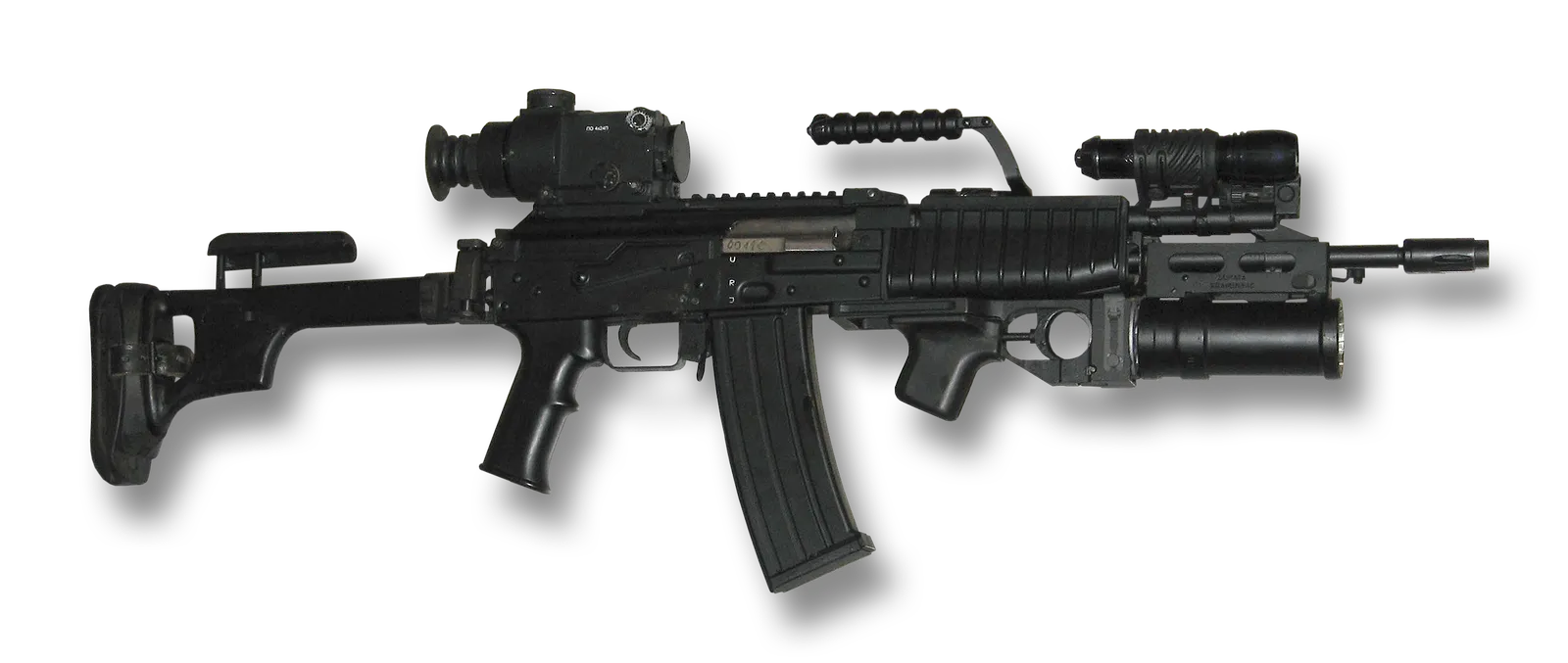
The Zastava M21 is a Serbian 5.56x45 mm NATO assault rifle derived from the Kalashnikov operating system and produced by Zastava Arms. In this catalog, its strongest conflict evidence is Cameroon-linked: Boko Haram and ISWAP material showed M21s in Lake Chad basin insurgent hands, while Amnesty International documented M21s with armed separatist groups during the 2016 Anglophone Crisis.

Role in Conflicts

Role in conflict
Insurgent small-arms combat and training

Documented in Boko Haram and ISWAP imagery, training footage, and surrendered-weapons reporting, with regional analysts identifying Zastava M21 rifles likely captured or diverted from Cameroonian security-force stocks.

Role in conflict
Separatist small-arms use in the Anglophone regions

Amnesty International documented Zastava M21 rifles among weapons used or displayed by armed separatist groups in Cameroon's North-West and South-West regions, tying the Serbian rifle family to the 2016 Anglophone Crisis through Cameroon-linked small-arms flows.

Cameroon Small-Arms Pathway

Cameroon is the connecting thread across the sourced conflict evidence. Serbian-made M21 rifles entered Cameroonian stocks for counter-Boko Haram service, then later appeared in two non-state contexts: Boko Haram and ISWAP material in the Lake Chad basin and armed separatist material in the Anglophone regions.

ContextDocumented sideSource-backed detail
2009 Boko Haram InsurgencyBoko Haram and ISWAPJamestown and HumAngle reporting documented M21 rifles in militant imagery, training footage, and surrendered weapons.
2016 Anglophone CrisisAnglophone separatist armed groupsAmnesty documented M21 rifles in material posted by armed separatist groups in Cameroon's North-West and South-West regions.
Cameroon state stocksCameroonian security forcesBalkan Insight and Amnesty reporting tied M21 rifles and other Serbian small arms to Cameroonian security-force stocks used for counter-Boko Haram operations.
Profile / Specs

Profile

Origin
Serbia
Built by
Zastava Arms
Type
5.56x45 mm NATO assault rifle
Service note
Introduced in the 2000s and documented in Cameroon-linked insurgent and separatist use after 2015
Designer
Zastava Arms
Designed
Early 2000s
Produced
2000s-present

Specifications

Caliber
5.56x45 mm NATO
Operating system
Gas-operated Kalashnikov-pattern long-stroke piston with rotating bolt
Magazine
30-round detachable box magazine
Barrel length
460 mm on the M21 ABS; 375 mm on the M21 SBS; shorter compact BS variant reported
Length
1000 mm with stock extended and 750 mm folded on the M21 ABS; 915/666 mm on the M21 SBS
Weight
4.3 kg with empty polymer magazine on the M21 ABS; 4.2 kg on the M21 SBS
Rate of fire
600 +/- 50 rounds per minute
Sights
Iron sights with tritium tubes for low-visibility aiming
Controls
Fire selector with safe, automatic, and semi-automatic positions; ambidextrous selector on Zastava product pages
Variants

The public M21 family is a 5.56x45 mm NATO Kalashnikov-pattern line built around full-length, short-barrel, and compact configurations.

VariantConfigurationDesignation notes
M21 ABSFull-length assault rifle

Zastava's ABS page lists a 460 mm barrel, 1000/750 mm extended/folded length, 4.3 kg empty-magazine weight, and 600 +/- 50 rpm rate of fire.

Sources: Assault Rifle M21 ABS

M21 SBSShort-barrel assault rifle

Zastava's SBS page keeps the same 5.56x45 mm caliber and 30-round magazine while shortening the barrel to 375 mm and folded length to 666 mm.

Sources: Assault Rifle M21 SBS

M21 BSCompact family member

Modern Firearms lists the BS as a compact member of the M21 family alongside the ABS and SBS configurations.

Sources: Zastava M21 assault rifle (Serbia)

Timeline

Zastava M21 assault rifle Key Events

  1. M21 family enters Zastava's 5.56 mm rifle line

    Zastava Arms and Modern Firearms describe the M21 as a 5.56x45 mm NATO Kalashnikov-pattern rifle family produced by Zastava Arms.

    Sources: Assault Rifle M21 ABS, Zastava M21 assault rifle (Serbia)

  2. Serbian rifles appear in Cameroon reporting

    Balkan Insight and Amnesty reporting tied Zastava M21 rifles and other Serbian small arms to Cameroonian security-force stocks used in counter-Boko Haram operations.

    Sources: Serbian Arms Spotted at Massacre in Cameroon: Report

  3. Boko Haram training footage shows M21 rifles

    HumAngle reported Boko Haram training footage that included Zastava M21 rifles, likely captured from Cameroonian security forces.

    Sources: Boko Haram Trains Next Generation Of Fighters In New Video

  4. Amnesty documents M21s with Anglophone separatists

    Amnesty International documented Zastava M21 rifles in material connected to armed separatist groups in Cameroon's North-West and South-West regions.

    Sources: The Call for a Total Arms Embargo on Cameroon

Media
Related Weapon Systems
M76 sniper rifle, Semi-automatic designated marksman/sniper rifle, Infantry WeaponsInfantry WeaponsM76 sniper rifleSemi-automatic designated marksman/sniper rifleThe M76 is a Zastava-built Yugoslav semi-automatic marksman rifle originally chambered for 7.92x57 mm Mauser and built around an enlarged Kalashnikov-pattern action. Its catalog significance is twofold: it was a Yugoslav People's Army precision rifle with distinctive 8 mm ammunition and optic arrangements, and it later appears in Lake Chad Basin reporting as a Serbian-origin sniper rifle associated with Boko Haram factions.
Galil assault rifle, Selective-fire assault rifle family, Infantry WeaponsInfantry WeaponsGalil assault rifleSelective-fire assault rifle familyThe Galil is an Israeli Kalashnikov-derived assault rifle family originally produced by Israel Military Industries and later modernized by Israel Weapon Industries as the Galil ACE line. Recent conflict reporting places Galil or Galil ACE rifles in irregular small-arms stocks from the Lake Chad Basin to FARC dissident operations in Colombia and trafficked gang arsenals in Haiti, where they appear as portable infantry weapons rather than heavy support systems.
AK-103-2 assault rifle, 7.62x39mm assault rifle variant, Infantry WeaponsInfantry WeaponsAK-103-2 assault rifle7.62x39mm assault rifle variantThe AK-103-2 is the three-round-burst export variant of the Russian AK-103, a 7.62x39mm AK-100-series rifle derived from the AK-74M layout but chambered for the older AKM cartridge. In the 2009 Boko Haram Insurgency context, available open-source evidence is limited: the specific AK-103-2 identification comes from visual reporting of Boko Haram militants around Lake Chad, while separate Nigerian court reporting documents alleged AK-103 rifle trafficking from Diffa toward a Boko Haram recipient.
AK-47/AKM rifle family, Selective-fire assault rifle family, Infantry WeaponsInfantry WeaponsAK-47/AKM rifle familySelective-fire assault rifle familyAK-47/AKM-family rifles are Kalashnikov-pattern small arms derived from the Soviet AK-47 and 1959 AKM modernization, usually chambered in 7.62 x 39 mm. In the post-2015 catalog they appear with FARC dissidents in Colombia, gangs in Haiti, PKK fighters, GNA scouts in Libya, insurgents in Mali, Islamic State forces in Iraq and Syria, militants in Sinai, RSF units in Sudan, Hamas fighters in Gaza, Taliban fighters in Afghanistan, Boko Haram-linked militants in the Lake Chad basin, and Houthi-linked supply chains in Yemen.
Type 56 assault rifle, 7.62x39mm Kalashnikov-pattern assault rifle, Infantry WeaponsInfantry WeaponsType 56 assault rifle7.62x39mm Kalashnikov-pattern assault rifleThe Type 56 is China's 7.62x39mm Kalashnikov-pattern assault rifle family, adopted in 1956, built in very large numbers, and exported widely through state, surplus, and illicit channels. Its early rifles followed the Soviet AK-47 with milled receivers, later production used AKM-style stamped receivers under the same designation, and many examples are recognizable by a permanently attached folding spike bayonet. In the 2009 Boko Haram Insurgency, Small Arms Survey and Stimson reporting link Chinese Type 56 rifles to weapons seized from Boko Haram members and to materiel captured during the 2016 Bosso camp attack in Niger.
M80 Zolja, Disposable 64 mm anti-tank rocket launcher, Infantry WeaponsInfantry WeaponsM80 ZoljaDisposable 64 mm anti-tank rocket launcherThe M80 Zolja is a Yugoslav-origin, single-shot 64 mm shoulder-fired anti-tank rocket launcher built around a disposable tube and HEAT rocket. Official Serbian export material presents the RBR M80 as a light infantry weapon for close-range engagements against armored vehicles and fortified positions, while conflict reporting documents Zolja-type weapons in the 2001 Insurgency in Macedonia, Boko Haram materiel evidence, and North Macedonian transfers to Ukraine.

Sources