Armored Vehicles

YPR-765

Also known as
  • YPR 765
  • AIFV
  • YPR-765 PRI
  • YPR-765 PRI.50
  • YPR-765 PRAT
  • YPR-765 PRGWT
  • AIFV-B
  • AIFV-B-C25
  • AIFV-B-25
  • AIFV-B-.50
  • AIFV-B-MILAN
  • AIFV-B-CP
  • AIFV-B-TRG
  • AIFV-APC
  • AIFV APC
  • Pantser Rups Infanterie

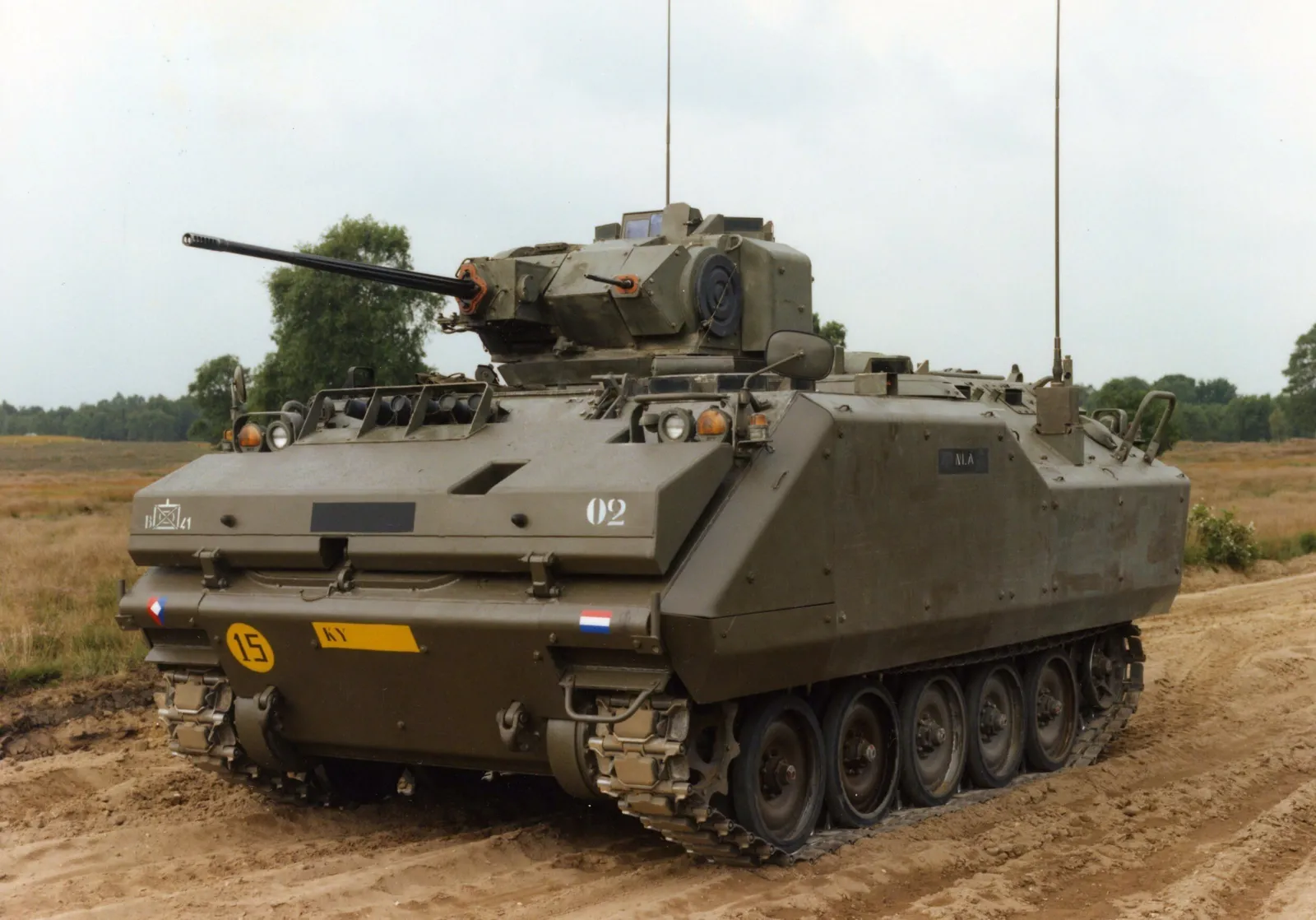
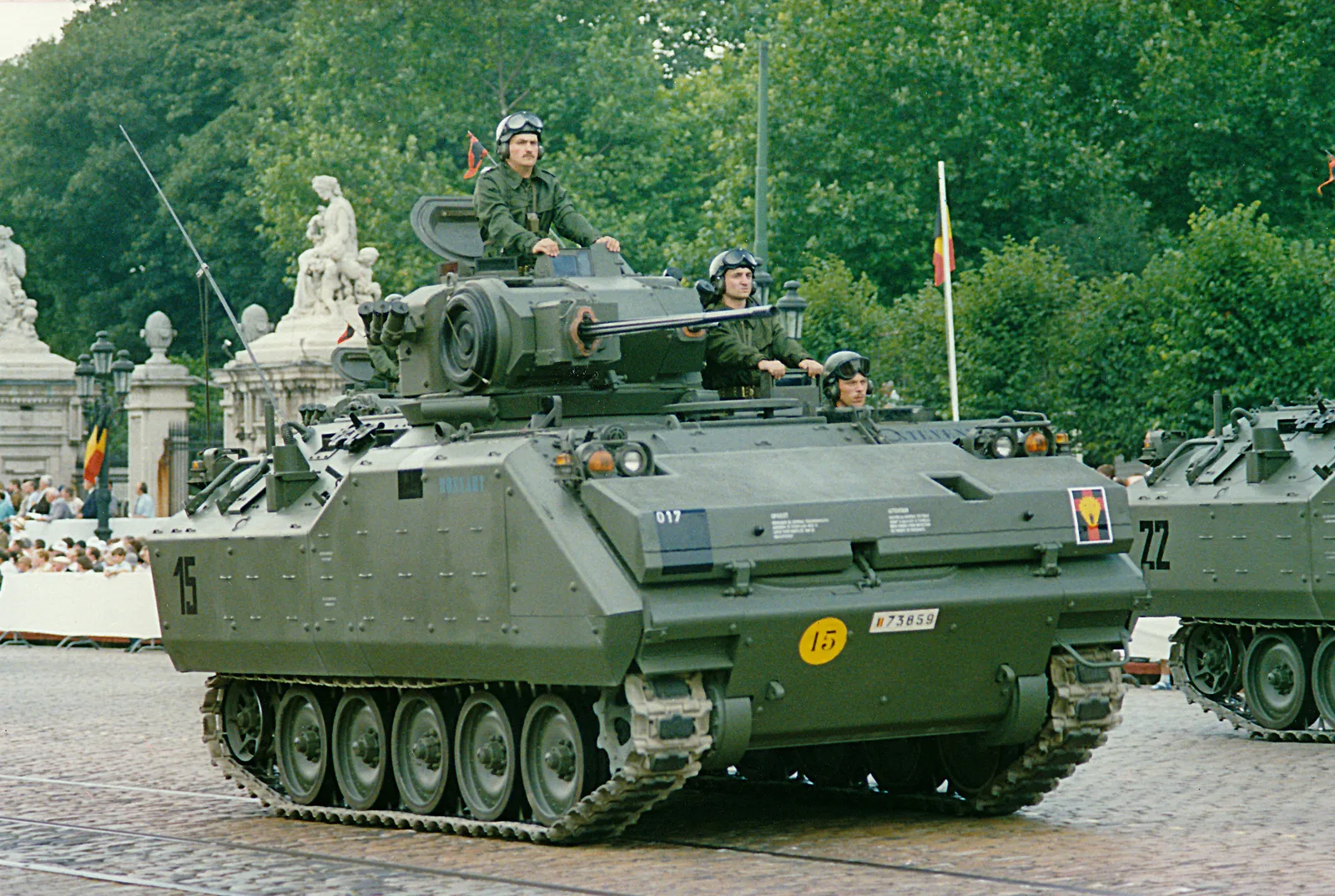
The YPR-765 and Belgian AIFV-B are closely related branches of FMC's AIFV family, a tracked infantry fighting vehicle and armored carrier derived from the M113 lineage. Dutch and Belgian vehicles combine aluminum armor with spaced steel applique, road and amphibious mobility, and variant-specific weapons ranging from a 25 mm cannon to machine guns, TOW missiles, MILAN launchers, medical-evacuation fittings, or remote weapon stations. SIPRI transfer data and Dutch official aid lists identify 353 AIFV-APC/YPR tracked armored vehicles delivered or pledged to Ukraine, and Ukrainian border-guard reporting cited by Army Recognition shows Belgian-made AIFV-B-C25 vehicles joining the same wartime AIFV/YPR family in Ukrainian service.

Role in Conflicts

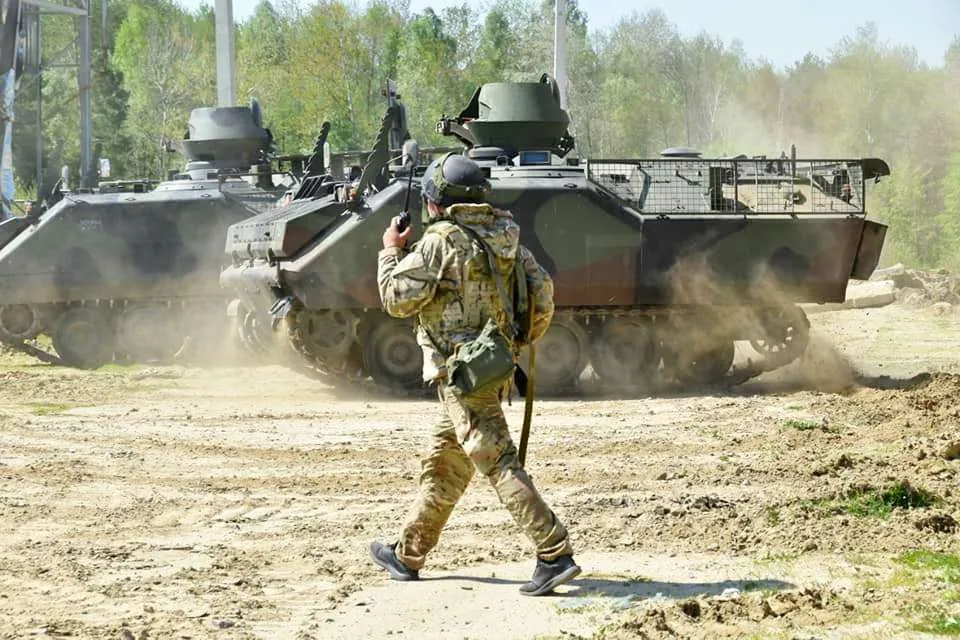
Ukrainian military media documented Ukrainian troops using or training with Dutch YPR-765 vehicles by May 2022. SIPRI transfer data and Dutch aid reporting identify 353 Dutch AIFV-APC/YPR tracked armored vehicles delivered or pledged, including RCWS-equipped vehicles for troop movement, reconnaissance, offensive and defensive roles, and battlefield fire support. Ukrainian Border Guard reporting cited by Army Recognition separately documents Belgian-made AIFV-B-C25 vehicles in Ukrainian service and crew training with their 25 mm cannon.

Role details
Role in conflict
Protected mobility and counterinsurgency fire support

Fielded by Egyptian forces during Operation Sinai 2018, with YPR-765 IFVs reported in the Gaza-border buildup; ISSP later displayed 25 mm Oerlikon KBA guns traced to captured Egyptian YPR-765-type vehicles.

Profile / Specs

Profile

Origin
United States / Netherlands / Belgium
Built by
FMCDAFRSVRDM
Type
Tracked infantry fighting vehicle and armored personnel carrier family
Service note
Late Cold War design in continuing Ukrainian wartime service
Designer
FMC Corporation
Designed
Mid-1970s
Produced
1970s-1980s
Number built
636 YPR-765 PRI listed by WeaponSystems.net; Army Guide describes 2,079 Dutch AIFV/YPR vehicles ordered in two batches, while Belgian AIFV-B production followed a 1979 order for 514 AIFVs

Specifications

Crew and passengers
3 crew plus 7 troops in PRI/AIFV-B-C25 infantry configurations
Combat weight
13.7 t combat load
Dimensions
5.26 m length, 2.82 m width, 2.62 m to turret roof
Baseline PRI/C25 armament
25 mm KBA-B02 autocannon with coaxial 7.62 mm MAG machine gun; 324 total 25 mm rounds listed for the AIFV/YPR family
Engine
Detroit Diesel 6V-53T V6 diesel, 267 hp
Mobility
61 km/h road speed, 6 km/h afloat, 490 km range
Protection
Aluminum armor with spaced steel applique armor; Belgian AIFV-B added NBC filtration and Halon fire suppression in AIFV family references
Original AIFV troop-compartment layout
Front-right engine, rear troop compartment with powered ramp and emergency door, seven infantry seats, and five firing ports in the original AIFV layout
Suspension family distinction
Dutch YPR-765 used torsion-bar-in-tube suspension; Belgian and Turkish AIFV/ACV vehicles are reported with torsion-bar-only suspension similar to the M113A2
Belgian C25 recognition feature
Smoke grenade launchers on the turret sides rather than the Dutch frontal placement
Variants

Dutch YPR designations use Pantser Rups role labels such as PRI, PRAT, and PRGWT; Belgian AIFV-B designations identify local infantry, machine-gun, MILAN anti-tank, command-post, and training variants.

VariantConfigurationDesignation notes
PRIInfantry fighting vehicle

Baseline Dutch infantry variant with an enclosed weapon station carrying the 25 mm Oerlikon KBA-B02 cannon and coaxial FN MAG machine gun.

Sources: YPR-765 PRI, YPR 765 Infantry fighting vehicle

PRI.50Armored personnel carrier

APC configuration replacing the 25 mm turret with a .50-caliber machine-gun cupola.

Sources: YPR 765 Infantry fighting vehicle

PRATAnti-tank missile carrier

Tank-destroyer configuration with an Emerson twin-TOW turret and missile reload stowage.

Sources: YPR 765 Infantry fighting vehicle

PRGWTArmored medical evacuation vehicle

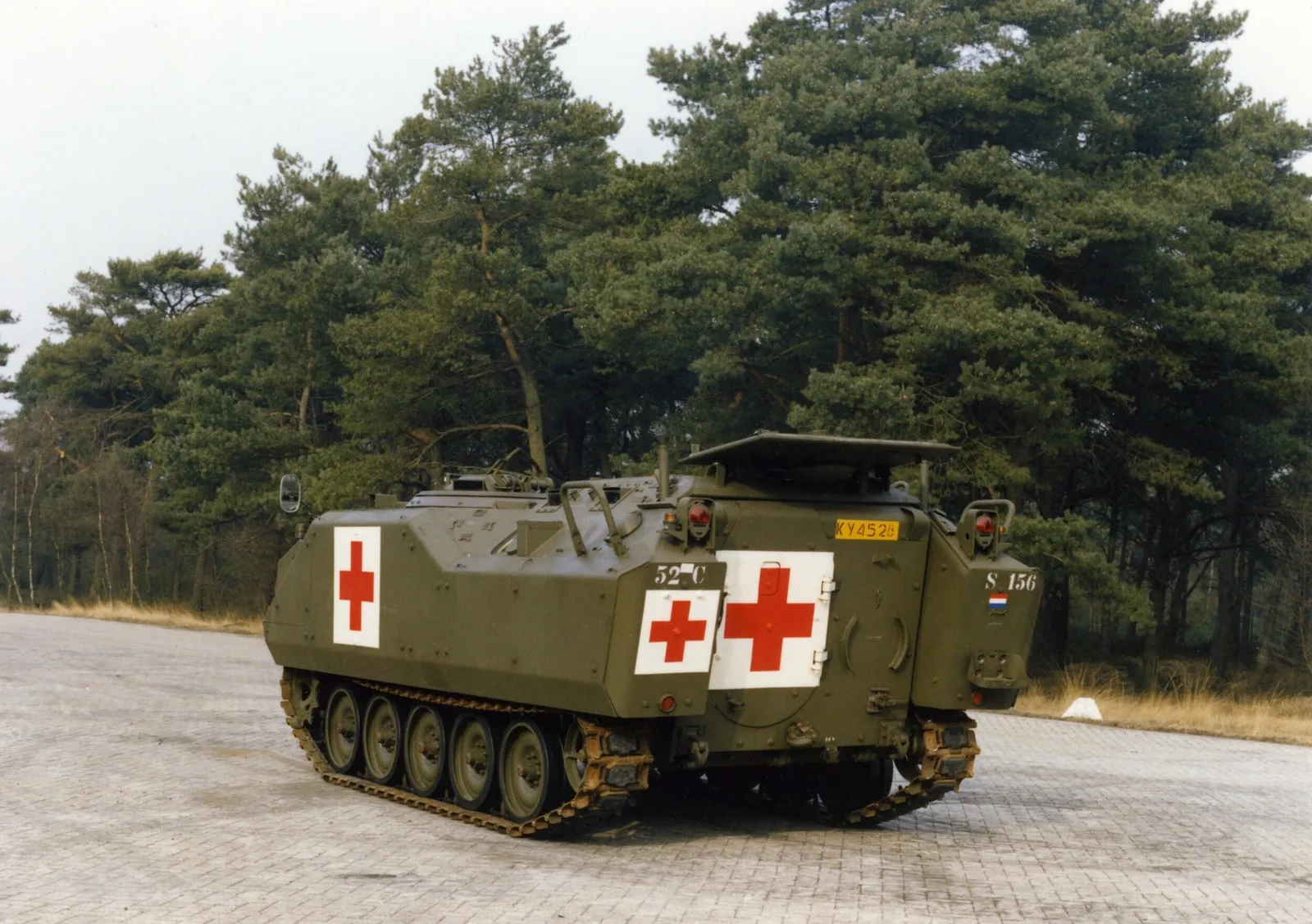
Unarmed casualty-transport variant; the Netherlands announced 25 YPR medical-evacuation vehicles for Ukraine in February 2025.

Sources: Rupsvoertuigen voor gewondentransport naar Oekraïne

PRCO / PRRDR / PRMR / PRVCommand, radar, mortar-tractor, and cargo variants

Specialized family variants covered command posts, battlefield surveillance radar, mortar towing, cargo, ambulance, and recovery roles.

Sources: YPR 765 Infantry fighting vehicle

AIFV-B-C25Belgian infantry fighting vehicle

Belgian AIFV-B infantry variant with a 25 mm KBA-B02 cannon, coaxial 7.62 mm FN MAG, and smoke-grenade launchers mounted on the turret sides.

Sources: Ukrainian Border Guards AIFV-B-C25, FMS AIFV Armored Infantry Fighting Vehicle

AIFV-B-.50Belgian machine-gun carrier

Belgian .50-caliber cupola configuration, described with 12.7 mm armament and additional MILAN and mortar stowage in AIFV family references.

Sources: FMS AIFV Armored Infantry Fighting Vehicle

AIFV-B-MILAN / AIFV-B-CP / AIFV-B-TRGBelgian anti-tank, command, and training variants

Belgian service variants included a MILAN anti-tank carrier, a command-post vehicle, and a driver-training configuration.

Sources: FMS AIFV Armored Infantry Fighting Vehicle

AIFV-APCArmored personnel carrier export designation

SIPRI-linked transfer records use AIFV-APC for APC-designated vehicles inside the wider AIFV/YPR export family, including second-hand YPR-765 versions and support variants.

Sources: SIPRI Yearbook 2001 Arms Transfers Register, Oxfam Novib SIPRI arms-transfer annex

Armament Links

YPR-765 and AIFV-B family variants used different weapon fits, from the PRI and C25 autocannon and coaxial gun to PRAT and Belgian MILAN anti-tank missile carriers.

AmmunitionAmmunition typeFiring evidence
FN MAG general-purpose machine gun, 7.62x51mm NATO general-purpose machine gun, Infantry WeaponsFN MAG general-purpose machine gunCoaxial machine gun

YPR-765 PRI and Belgian AIFV-B-C25 variants mounted 7.62 mm FN MAG coaxial machine guns alongside their 25 mm Oerlikon KBA-family cannons.

Sources: YPR-765 PRI, YPR 765 Infantry fighting vehicle, Ukrainian Border Guards AIFV-B-C25

BGM-71 TOW, Heavy anti-tank guided missile, Infantry WeaponsBGM-71 TOWAnti-tank guided missile

The YPR-765 PRAT used a twin-TOW anti-tank turret, making the family a tracked carrier for BGM-71 TOW missiles in Dutch and export service.

Sources: YPR 765 Infantry fighting vehicle

Variant Role Map

The YPR-765 page is best read as a family record: the same tracked AIFV hull appears as a Dutch or Belgian turreted infantry vehicle, machine-gun APC, missile carrier, command vehicle, radar vehicle, mortar tractor, cargo carrier, recovery vehicle, and medical-evacuation vehicle.

ConfigurationRoleReader note
PRIInfantry fighting vehicle25 mm KBA-B02 cannon and coaxial FN MAG in an enclosed weapon station.
PRI.50Armored personnel carrierMachine-gun cupola configuration for troop carriage without the 25 mm turret.
PRATAnti-tank missile carrierTwin-TOW turret variant for anti-armor fire from a tracked YPR hull.
PRGWTCasualty transportUnarmed armored medical-evacuation configuration; Dutch 2025 aid announcements name 25 for Ukraine.
PRCO / PRRDR / PRMR / PRVSupport variantsCommand, radar, mortar-tractor, cargo, and other support roles gave the family a wider unit-support footprint than a single IFV type.
AIFV-B-C25Belgian infantry fighting vehicleBelgian C25 configuration kept the 25 mm KBA-B02 cannon and coaxial FN MAG but is distinguished in later reporting by side-mounted turret smoke-grenade launchers.
AIFV-B-.50Belgian machine-gun carrierBelgian cupola vehicle with 12.7 mm armament and support fittings instead of the 25 mm turret.
AIFV-B-MILAN / CP / TRGBelgian support variantsBelgian family references list anti-tank missile, command-post, and driver-training configurations alongside the C25 and .50 variants.
Timeline

YPR-765 Key Events

  1. Product Improved M113A1 prototype completed

    FMC's private-venture development of the XM765 led to the Product Improved M113A1 prototype that became the Armored Infantry Fighting Vehicle family.

  2. Dutch YPR service begins

    The YPR-765 entered Royal Netherlands Army service in the late 1970s as the Dutch AIFV branch for infantry, reconnaissance, and support units.

  3. Belgian AIFV-B order placed

    Belgium ordered 514 AIFV-B vehicles for licensed Belgian production alongside M113A-B vehicles.

  4. Belgian AIFV-B deliveries begin

    Belgian AIFV-B deliveries began in 1982 and continued through the late 1980s before the vehicles entered Belgian service and later surplus export channels.

  5. Large Egyptian export package

    The Netherlands stated in 1994 that Egypt would purchase AIFV/YPR vehicles and variants, including PRI, PRCO, and PRAT configurations.

  6. YPR-765 documented with Ukrainian troops

    ArmyInform reported that Ukrainian troops were already using or training with Dutch YPR-765 infantry fighting vehicles, giving the compact record an early direct Ukrainian-service marker.

    Sources: ArmyInform YPR-765 Ukrainian Service

  7. Remote-weapon-station YPRs announced for Ukraine

    The Dutch Ministry of Defence announced YPR armored vehicles with remotely operated weapon stations for Ukrainian troop movement, reconnaissance, offensive and defensive operations, and fire support.

  8. Ukrainian border guards receive AIFV-B-C25 vehicles

    Army Recognition reported that Ukraine's State Border Guard Service had received Belgian-made AIFV-B-C25 infantry fighting vehicles and was training crews on the 25 mm cannon.

  9. Medical-evacuation YPRs announced for Ukraine

    The Netherlands announced 25 YPR tracked armored vehicles configured for casualty transport for Ukraine.

Media
Related Weapon Systems
M113, Armored personnel carrier, Armored VehiclesArmored VehiclesM113Armored personnel carrierA lightweight tracked armored personnel carrier that became a long-lived family of troop, command, mortar, medical, missile, and field-conversion vehicles. Its use spans Vietnam-era ACAV combat adaptations, Desert Storm coalition service, U.S. and partner-supplied Ukrainian evacuation and mobility vehicles, Israeli remote explosive conversions in Gaza, Egyptian M113s under IED threat in Sinai, Yemen service, and captured Iraqi Army vehicles used by Islamic State.
CV90, Tracked infantry fighting vehicle, Armored VehiclesArmored VehiclesCV90Tracked infantry fighting vehicleThe CV90 is a Swedish tracked infantry fighting vehicle family built by BAE Systems Hägglunds for protected troop movement, direct-fire support, and configurable combat-vehicle roles. Its Mk IV generation adds a higher-power drivetrain, upgraded digital architecture, D-series turret options, and active-protection integration, while Ukraine's documented wartime fleet is tied to Swedish-donated CV90s and later new CV9035 MkIIIC procurement rather than confirmed Mk IV deliveries.
VCC-1 Camillino, Tracked armored personnel carrier, Armored VehiclesArmored VehiclesVCC-1 CamillinoTracked armored personnel carrierThe VCC-1 Camillino is an Italian OTO Melara M113A1 derivative that traded some troop capacity for sloped side armor, firing ports, and a protected machine-gun position. It sits between the baseline M113 family and later Italian infantry fighting vehicles, and 2025-2026 open reporting documented VCC-1 vehicles transported toward Ukraine, identified in Ukrainian brigade service, and later listed among visually documented Ukrainian losses.
VAB, 4x4 wheeled armored personnel carrier, Armored VehiclesArmored VehiclesVAB4x4 wheeled armored personnel carrierThe VAB is a French armored personnel carrier family selected in the 1970s for protected troop movement, with the VAB-VTT/Véhicule Transport de Troupe as the baseline infantry transport configuration. Thousands were produced across command, ambulance, mortar, anti-tank, and remote-weapon variants; Arquus also markets VAB MK3 as a newer 6x6 medium armored-vehicle branch, while Ukraine-conflict sourcing for this record documents transferred legacy VAB armored personnel carriers and separate Mk3 delivery/testing evidence.
Dozor-B, 4x4 light armored personnel carrier, Armored VehiclesArmored VehiclesDozor-B4x4 light armored personnel carrierThe Dozor-B is a Ukrainian 4x4 light armored personnel carrier developed by Kharkiv Morozov Machine Building Design Bureau for protected patrol, reconnaissance, command, medical, and troop-transport roles. Its public record now divides between a small Ukrainian Dozor-B run and the Polish-built Oncilla derivative family, including Ukrainian wartime Oncilla deliveries, battlefield use, specialist Oncilla variants, and the Oncilla-Shturm configuration approved by Ukraine's Ministry of Defence in 2024.

Sources