- Side
- Georgia

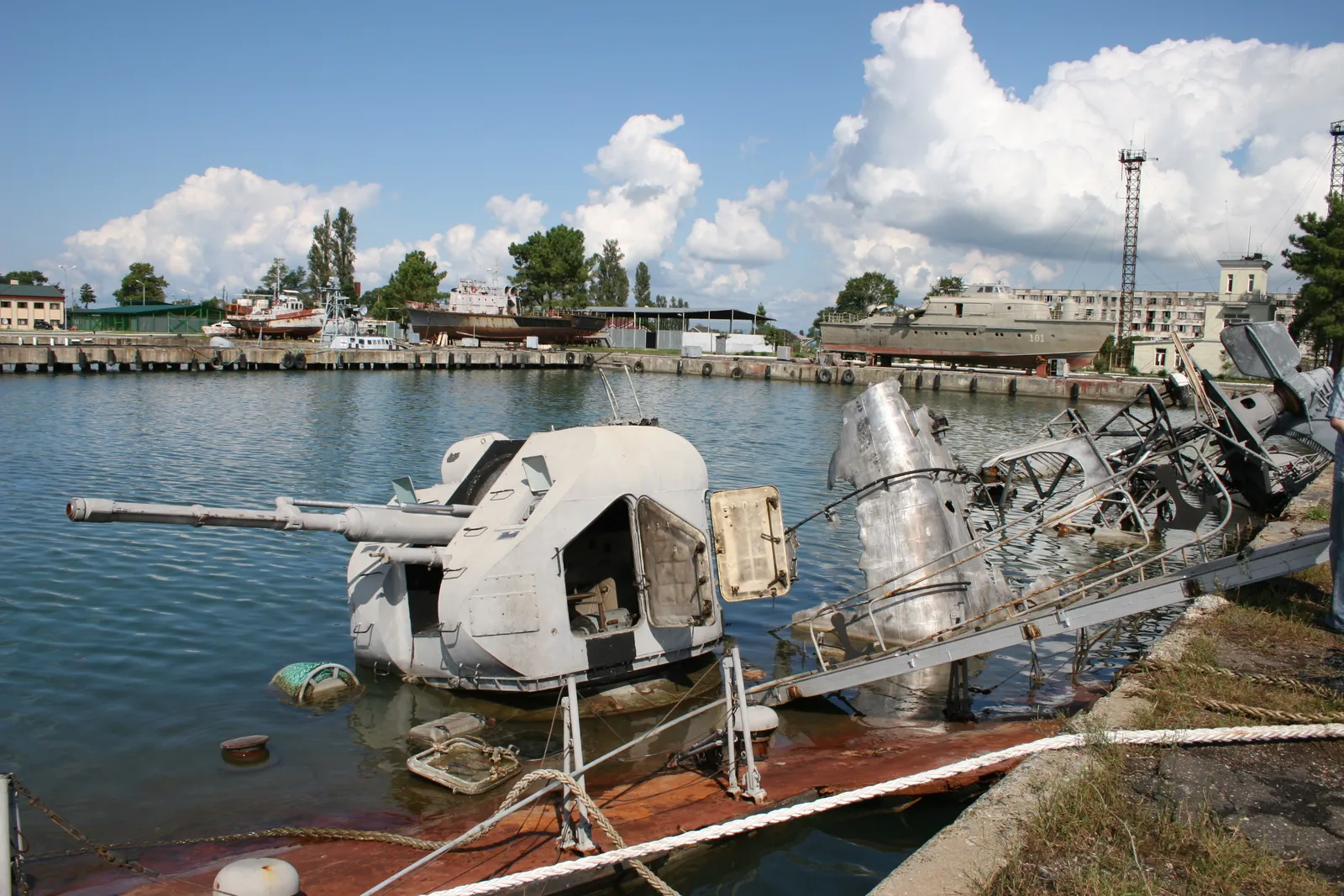
The Georgian Project 206MR boat Tbilisi was part of Georgia's small missile-boat force and was blown up or scuttled at Poti during Russian operations in August 2008.
Project 206MR Vikhr, known to NATO as the Matka class, is a Soviet hydrofoil missile-boat class built for high-speed coastal attack with P-15M anti-ship missiles, a 76 mm gun, and close-in 30 mm defense; surviving post-Soviet boats appeared in Georgian and Ukrainian service, including Tbilisi in the 2008 war and Pryluky during Ukraine's coastal defense in 2022.
The Georgian Project 206MR boat Tbilisi was part of Georgia's small missile-boat force and was blown up or scuttled at Poti during Russian operations in August 2008.
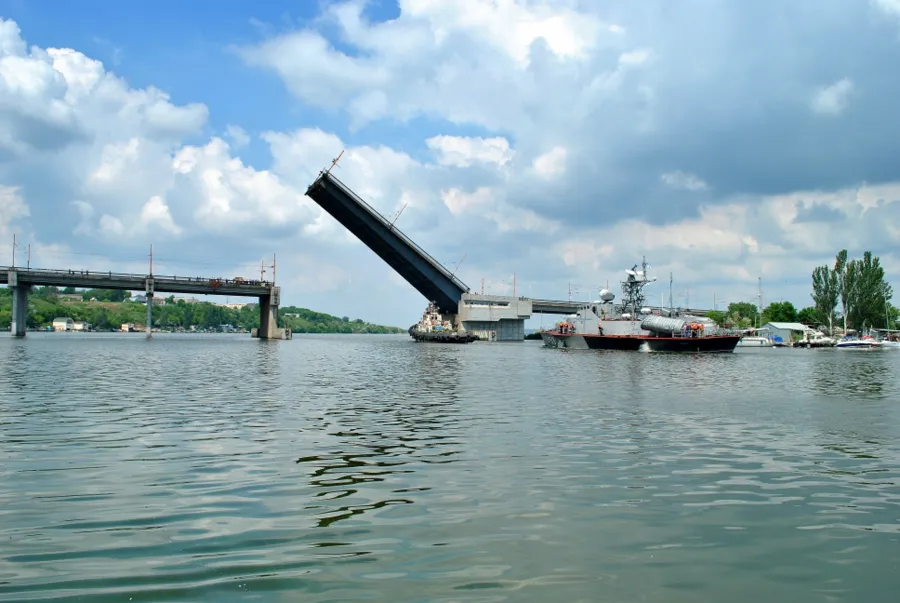
Ukrainian P153 Pryluky was reported at sea near Odesa on March 2, 2022, after its original P-15 missile launchers had already been removed and the boat had shifted toward patrol duties.
Role detailsProject 206MR combined a single forward foil with a planing aft hull, letting a small missile boat reach high coastal speeds while retaining gun and missile armament. The surviving Ukrainian boat is best read as a patrol and coastal-presence craft after its Termit launchers were removed; the 2022 source supports observation near Odesa, not a confirmed missile engagement.
Hydrofoil missile boat for near-sea attack and patrol work.
Russia, Ukraine, and Georgia operated or inherited examples after Soviet service.
The Ukraine-war row documents reported operation near Odesa, not a confirmed strike by Pryluky.
The class was built as Project 206MR Vikhr and later appeared in a few post-Soviet service configurations, including a Russian test/modernization boat and Ukrainian patrol conversion.
| Variant | Configuration | Designation notes |
|---|---|---|
| Project 206MR Vikhr | Baseline hydrofoil missile boat | Standard boats carried two KT-97M launchers for P-15M anti-ship missiles, an AK-176M gun, AK-630M close-in gun, and navigation/search radars. Sources: RussianShips Project 206MR |
| Project 02066 / R-44 Corsar | Experimental Kh-35/Uran missile modernization | R-44 was modernized with Uran launchers and later an AK-630M1-2 Roy close-in weapon in place of the standard fit. Sources: RussianShips Project 206MR |
| P153 Pryluky patrol configuration | Ukrainian boat after missile-launcher removal | By 2018 the Ukrainian Pryluky had its KT-97M Termit missile launchers removed, changing the surviving boat's practical role toward patrol and coastal presence. Sources: RussianShips Project 206MR, Ukrainian Military Portal Pryluky Repair |
Project 206MR's original strike fit centered on compact anti-ship missile launchers mounted on a fast hydrofoil hull.
| Carried item | Item type | Carriage evidence |
|---|---|---|
 | Baseline anti-ship missile | RussianShips lists two KT-97M launchers for the Termit anti-ship missile complex with two P-15M missiles on the standard Project 206MR fit. Sources: RussianShips Project 206MR |
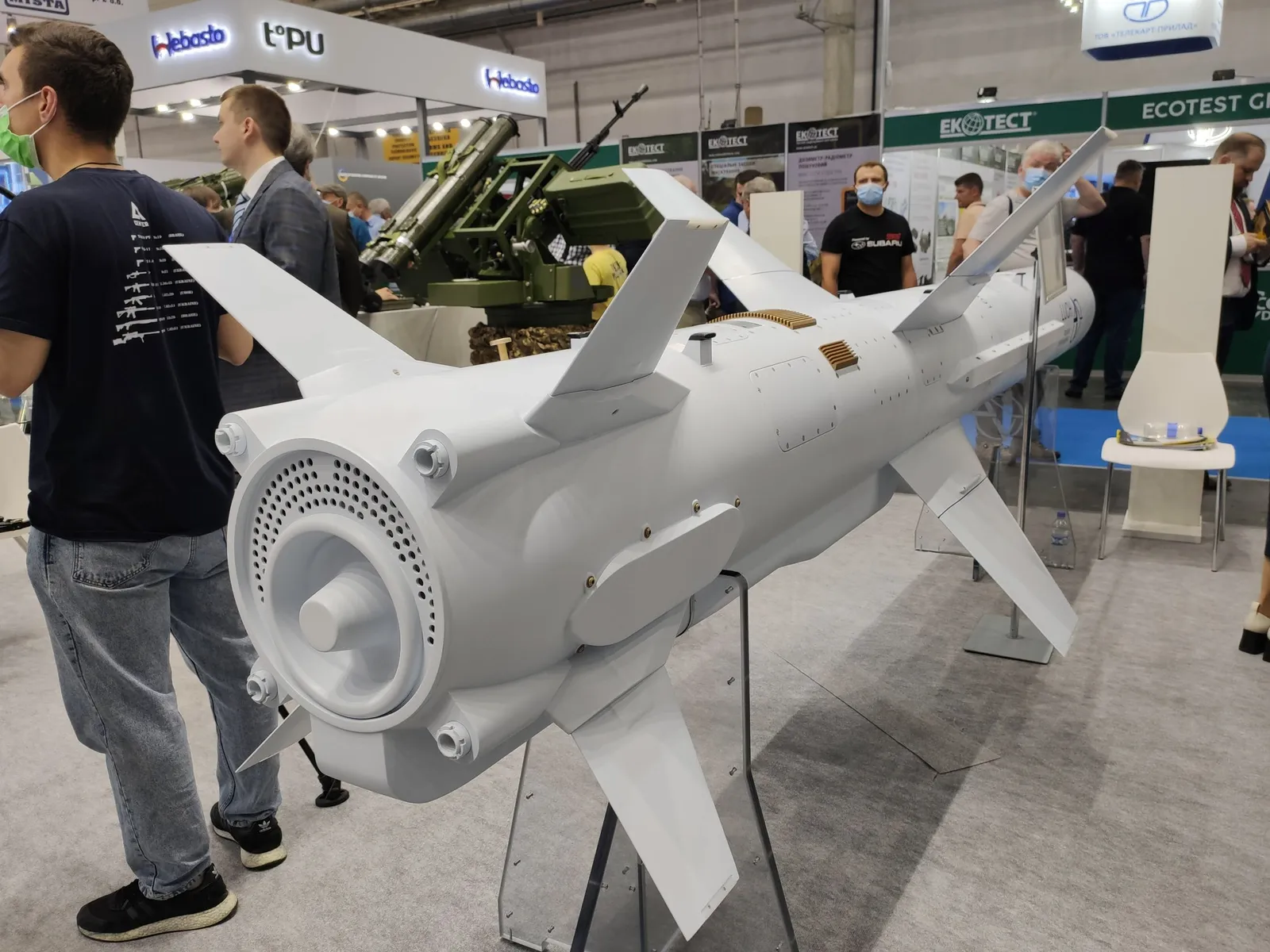 | Planned Ukrainian refit missile | Ukrainian coverage reported a plan to install Neptune missiles on Pryluky after removal of the older Termit launchers, but the entry treats that as a planned refit rather than a completed wartime armament. |
RussianShips lists R-27 as the first completed Project 206MR boat, commissioned on December 31, 1977.
Sources: RussianShips Project 206MR
The future Georgian Tbilisi was built as R-15, later passed through Ukrainian service as Konotop and was transferred to Georgia before the 2008 war.
Sources: RussianShips Project 206MR
Post-Soviet transfers left Ukraine with five Project 206MR boats, including Pryluky, Uman, Kakhovka, Tsuryupinsk, and Konotop.
Sources: RussianShips Project 206MR, MilitaryLand Pryluky Repair
RussianShips identifies Tbilisi as a former Ukrainian Project 206MR boat in Georgian service and says it was blown up at Poti by Russian airborne troops.
Sources: RussianShips Project 206MR, Moscow Defense Brief Georgia War
Ukrainian reporting described P153 Pryluky leaving the Mykolaiv shipyard after dock repair; related coverage notes the Termit missile-launcher removal that changed its role.
Sources: Ukrainian Military Portal Pryluky Repair
Russian Navy - News and Analysis reported that Ukrainian P153 Pryluky was observed patrolling near Odesa during early full-scale invasion naval activity.
Sources: Russian Fleet Analysis Ukraine War