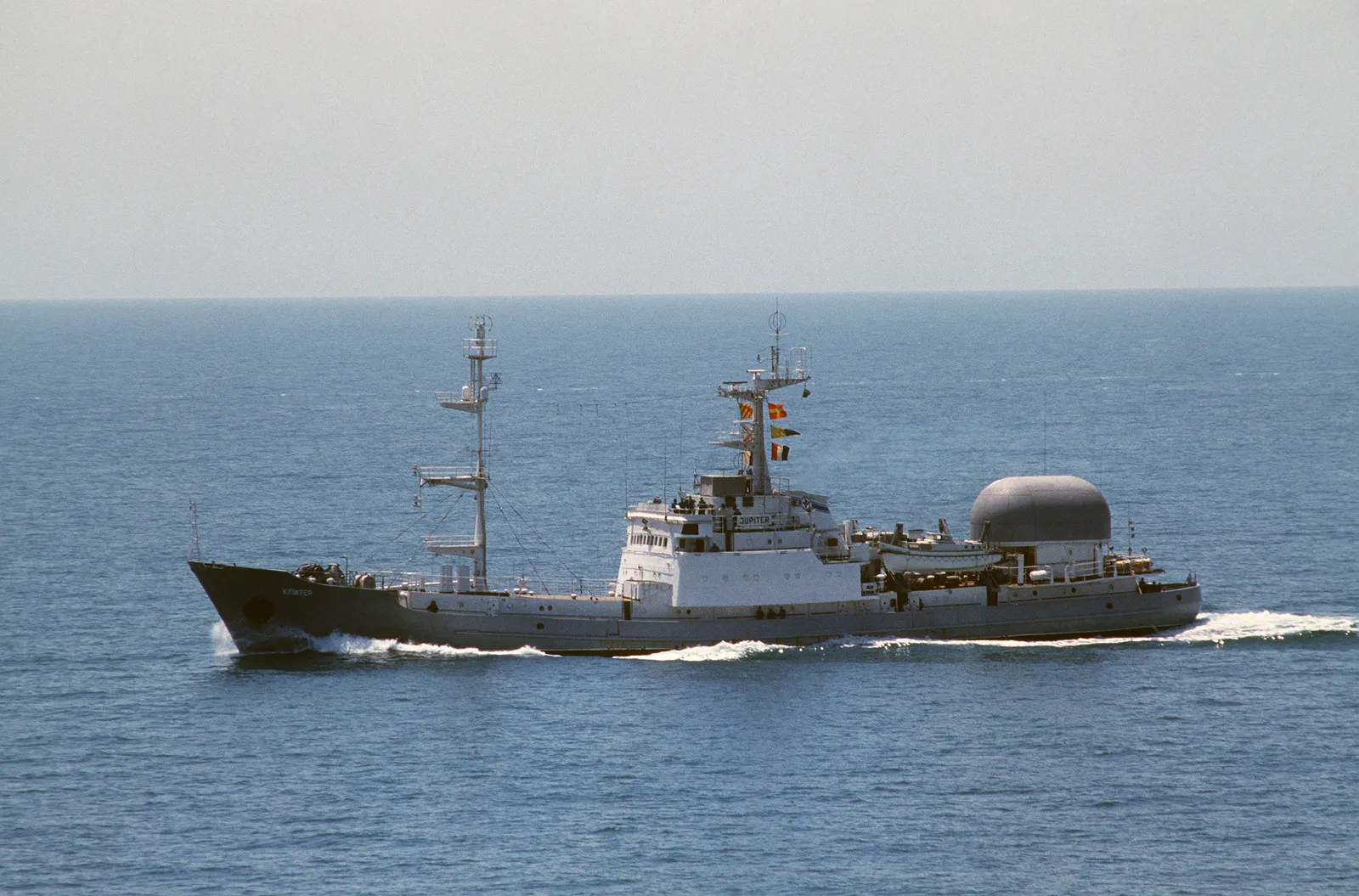

USNI reported that the Moma-class Liman had recently supported Russian operations in and around Syria before its 2017 sinking, while AP/Defense News reported Kildin gathering intelligence off Tartus in January 2025; the evidence supports intelligence and surveillance support rather than direct strike employment.
Role detailsNaval Systems
Moma class (Project 861M) intelligence ship
Also known as
- Moma class
- Project 861M
- Project 861M / Moma class
- Moma-class intelligence ship
- Moma-class survey vessel
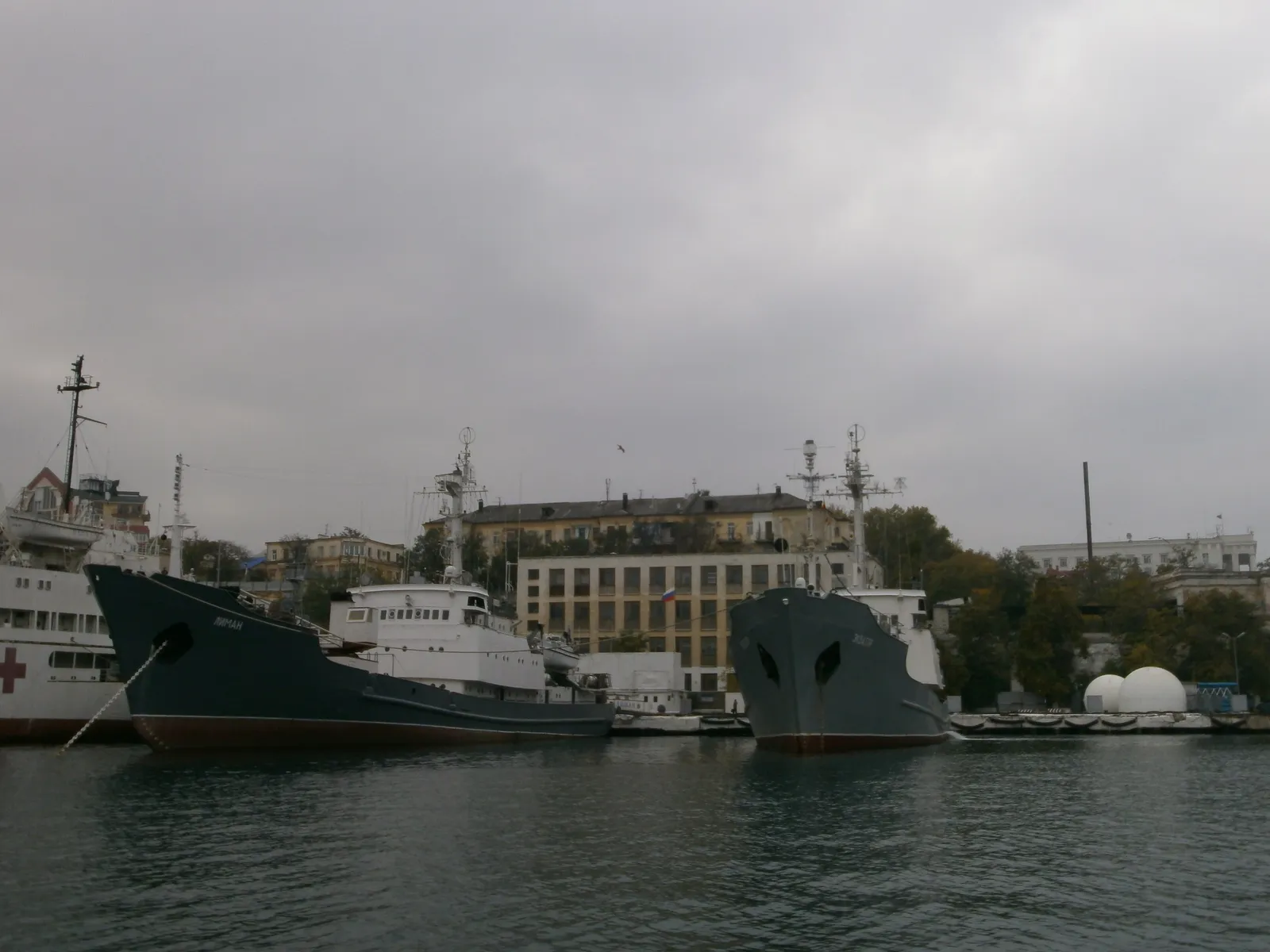
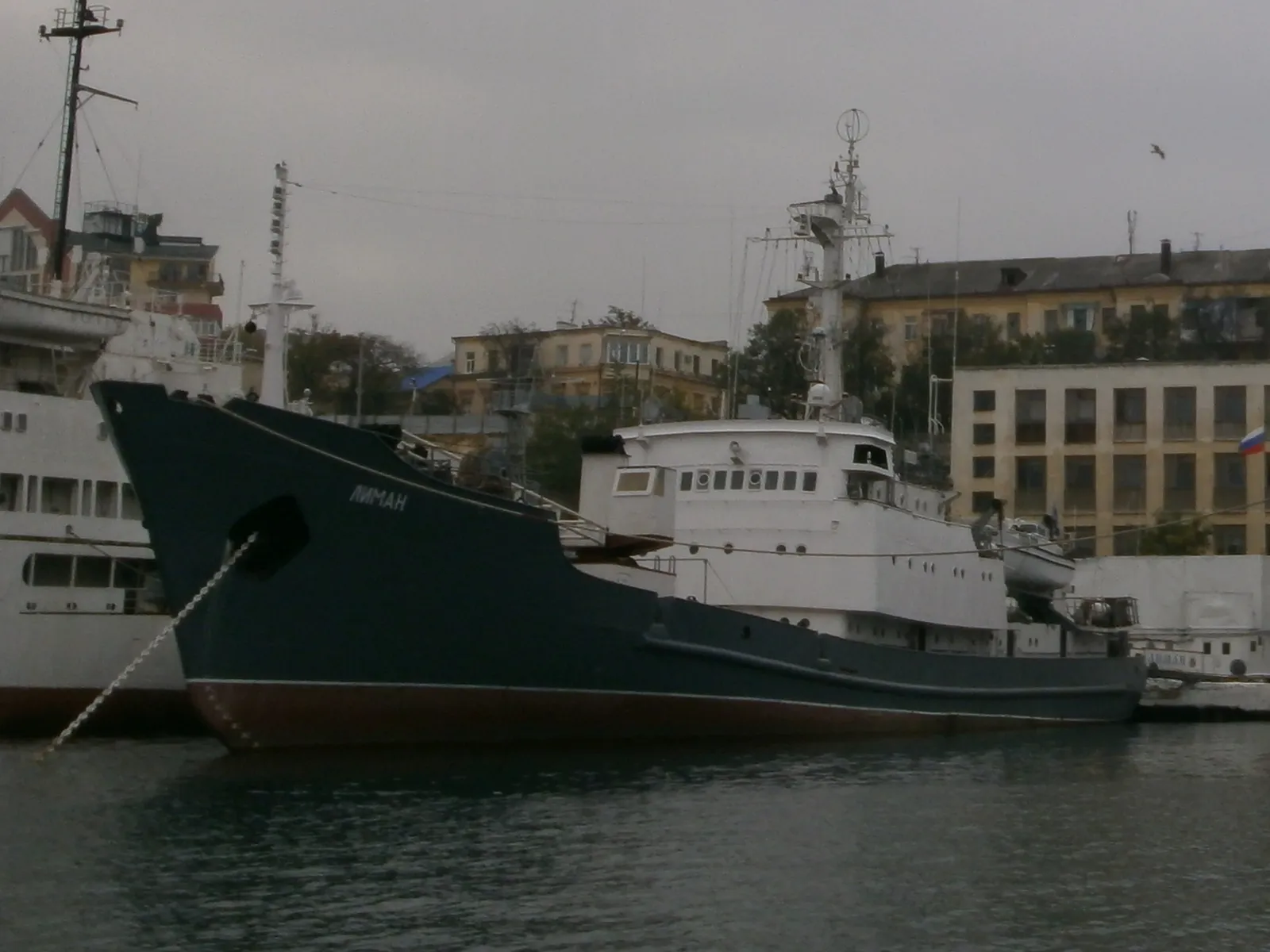
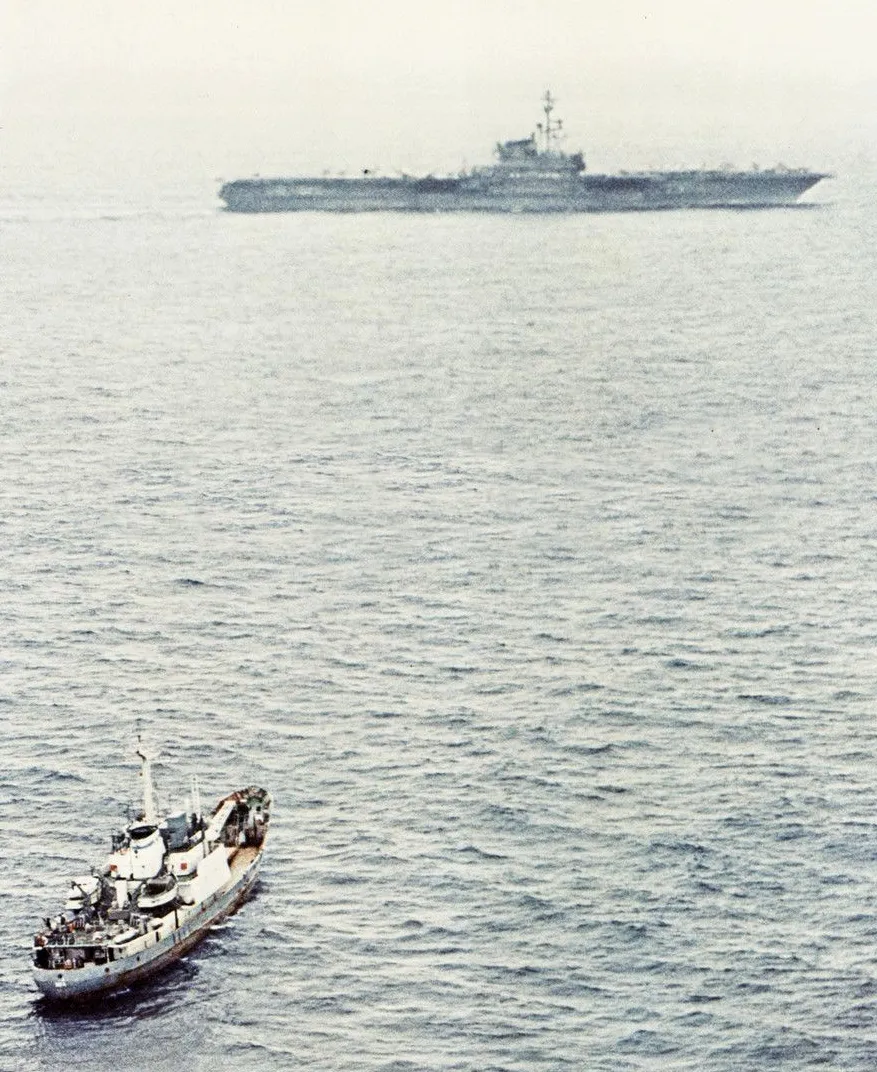
The Moma class (Project 861M) is a Soviet and Russian signals-intelligence ship conversion of Polish-built Project 861 survey vessels from Stocznia Polnocna in Gdansk. The class was converted for electronic intelligence work from 1970 onward, retained light self-defense armament, and included ships such as Liman and Kildin that were later reported in Russian naval intelligence activity around Syria and Tartus.
Role in Conflicts
Profile / Specs
Profile
- Origin
- Poland
- Built by
- Stocznia Polnocna shipyard
- Type
- Signals intelligence ship class
- Service note
- Cold War and post-Soviet service
- Produced
- 1967-1973
- Number built
- 29 Project 861 survey vessels; 9 converted to Project 861M intelligence ships
- Developed from
- Project 861 hydrographic survey vessel
Specifications
- Standard displacement
- 1,080 t
- Full load displacement
- 1,560 t
- Length
- 73.32 m
- Beam
- 10.8 m
- Draft
- 3.9 m
- Speed
- 17.3 knots
- Range
- 9,700 nmi at 11 knots
- Autonomy
- 35 days
- Propulsion
- 2 x 1,800 hp Zgoda-Sulzer 6TD-48 diesels, 2 controllable pitch propellers, and diesel generators
- Crew
- 73 (11 officers)
- Armament
- Strela SAM system with 16 missiles
- Electronics
- Bizan ESM radar, 2 Don navigation radars, MG-329 Sheksna sonar, and multiple special electronics suites
Timeline
Moma class (Project 861M) intelligence ship Key Events
Project 861 production begins
KCHF describes the parent Project 861 survey vessels as being built in Gdansk, Poland during the 1967-1973 period, with 29 vessels completed.
Sources: KCHF.ru: Intelligence Ship Kildin - Project 861M / Moma Class
Kildin converted to intelligence duty
The Kildin page says the ship was converted to intelligence service in 1970 and remained active in the Russian Navy.
Sources: KCHF.ru: Intelligence Ship Kildin - Project 861M / Moma Class
Liman converted to intelligence duty
The Liman page says the ship was converted to an intelligence ship in 1989 after earlier service as a hydrographic survey vessel.
Sources: KCHF.ru: Intelligence Ship Liman - Project 861M / Moma Class
Liman lost in the Black Sea
USNI reported that Liman sank after a collision in the Black Sea, and that it had recently returned from the Mediterranean after supporting Russian operations in and around Syria.
Sources: USNI News: Sinking of Surveillance Ship Highlights Increase in Russian Navy Operations
Kildin reported off Tartus
Defense News reported that Kildin was still stationed and gathering intelligence off Syria's Tartus port when the ship experienced a fire at sea.
Sources: Defense News: Russian spy ship caught fire off Syria’s coast, its broadcast recorded
Project 861M Hull Context
Project 861M was a conversion path for selected Polish-built Project 861 hydrographic hulls rather than a new-build intelligence-ship design. RussianShips.info lists nine Project 861M medium intelligence ships and separates later Project 861M2 and unnumbered conversions, while the KCHF Kildin and Liman pages show how individual hulls entered intelligence service in different years.
| Ship or group | Conversion or service marker | Why it matters |
|---|---|---|
| Kildin | Converted in 1970; listed by KCHF as still in service | Long-service example later reported gathering intelligence off Tartus in 2025. |
| Liman | Converted in 1989 after Black Sea Fleet service | Syria-linked example reported by USNI after its 2017 sinking. |
| Project 861M group | Nine converted medium intelligence ships listed by RussianShips.info | Shows that the entry covers a conversion family, not one hull or a purpose-built combatant. |
Sources: KCHF.ru: Intelligence Ship Kildin - Project 861M / Moma Class; KCHF.ru: Intelligence Ship Liman - Project 861M / Moma Class; RussianShips.info: Project 861 Hydrographic Survey Vessels.
Media
Moma class (Project 861M) intelligence ship Images
Related Weapon Systems


Sources
KCHF.ru: Intelligence Ship Kildin - Project 861M / Moma ClassPublisher: Black Sea Fleet Information Resource | Note: Supports the class's Polish shipyard origin, conversion history, service context, and key specifications. | Accessed: 2026-07-01KCHF.ru: Intelligence Ship Liman - Project 861M / Moma ClassPublisher: Black Sea Fleet Information Resource | Note: Supports the class's conversion history, Liman's service history, and technical specifications. | Accessed: 2026-07-01RussianShips.info: Project 861 Hydrographic Survey VesselsPublisher: RussianShips.info | Note: Supports the Project 861 production list, Project 861M conversion group, named converted hulls, and shared Project 861M specification context. | Accessed: 2026-07-01USNI News: Sinking of Surveillance Ship Highlights Increase in Russian Navy OperationsPublisher: U.S. Naval Institute | Note: Supports 2011 Syrian Civil War direct conflict-use context: Liman was reported to have recently supported Russian operations in and around Syria before its 2017 sinking. | Accessed: 2026-07-01Defense News: Russian spy ship caught fire off Syria’s coast, its broadcast recordedPublisher: Defense News | Note: Supports 2011 Syrian Civil War direct conflict-use context: Kildin was reported stationed and gathering intelligence off the Syrian port of Tartus in January 2025. | Accessed: 2026-07-01Wikimedia Commons: SSV-416 "Jupiter" 1.jpgPublisher: Wikimedia Commons | Note: Supports primary image provenance and public-domain licensing context. | Accessed: 2026-07-01Wikimedia Commons: Liman and Ekvator in port of Sevastopol (panoramio 1174).jpgPublisher: Wikimedia Commons | Note: Supports gallery image provenance and reuse context for the Liman and Ekvator image. | Accessed: 2026-07-01Wikimedia Commons: Liman in port of Sevastopol (panoramio 1174) (cropped).jpgPublisher: Wikimedia Commons | Note: Supports gallery image provenance and reuse context for the cropped Liman image. | Accessed: 2026-07-01Wikimedia Commons: Soviet SIGINT ship off USS Midway (CV-41), circa in 1978.jpgPublisher: Wikimedia Commons | Note: Supports gallery image provenance and reuse context for a representative Moma-class image. | Accessed: 2026-07-01