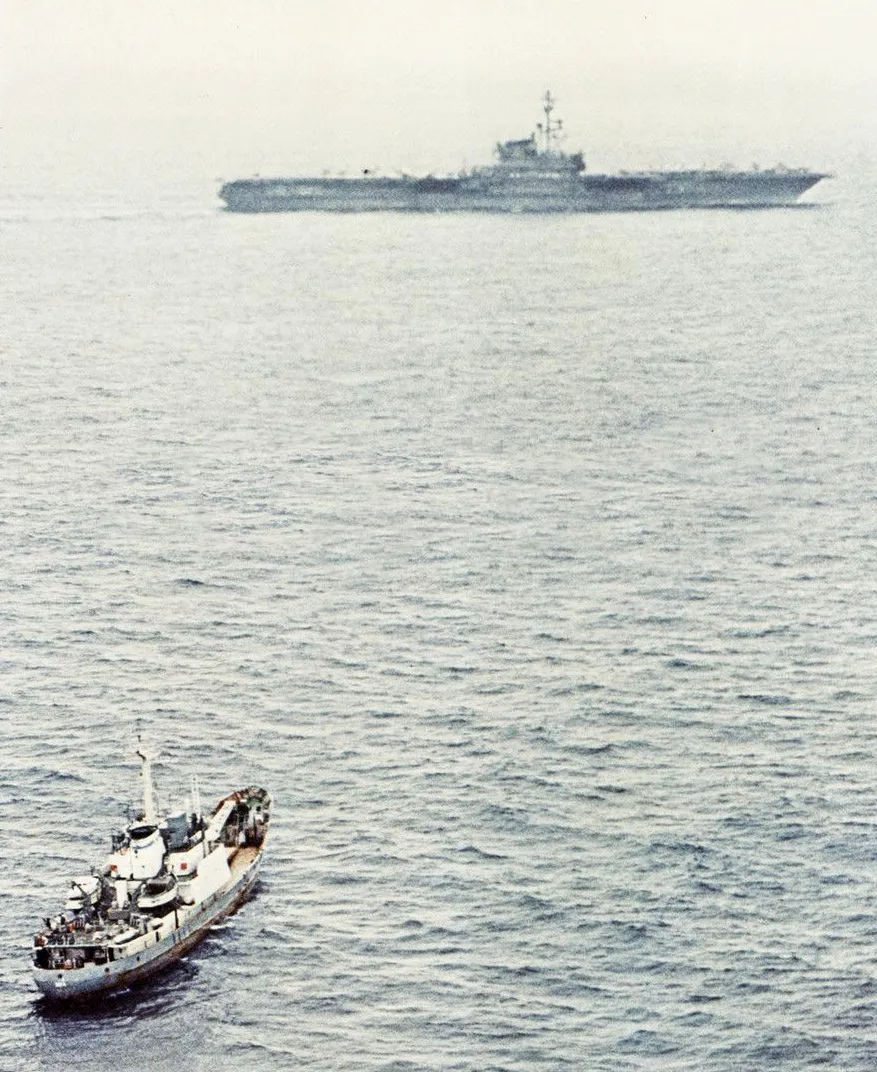

Russian Black Sea Fleet Moma-class AGI ships Liman and Kil'din made back-to-back Adriatic deployments from April to July 1999 to monitor NATO actions during the Kosovo air campaign.
Naval Systems
Project 861M Moma-class intelligence ship
Also known as
- Moma class
- Moma-class intelligence ship
- Project 861M
- Project 861M / Moma class
- Moma-class AGI
- Moma-class SSV
- Liman
- Kildin
- Kil'din
Project 861M Moma-class intelligence ships were Soviet and Russian electronic-intelligence conversions of the Project 861 hydrographic survey design built at Stocznia Polnocna in Gdansk, Poland. Public ship references distinguish the base survey hulls from 861M intelligence conversions fitted with ESM, sonar, communications, and Strela self-defense equipment, while USNI documents Liman and Kil'din monitoring NATO actions in Kosovo from the Adriatic during Operation Allied Force.
Role in Conflicts
Profile / Specs
Profile
- Origin
- Soviet Union
- Built by
- Stocznia Polnocna
- Built in
- Poland
- Type
- Electronic intelligence ship
- Service note
- Cold War and post-Soviet service
- Produced
- Project 861 hulls built 1967-1973; Project 861M intelligence conversions listed from 1968 onward
- Number built
- 29 Project 861 hulls; RussianShips.info lists 9 Project 861M intelligence conversions and several later intelligence conversions outside the 861M designation
Specifications
- Displacement
- 1,080 t standard / 1,560 t full load for KCHF-listed intelligence ships; base Project 861 listed at 1,200 t standard / 1,542.6 t full load
- Dimensions
- 73.32 m length, 10.8 m beam, about 3.85-3.9 m draft
- Speed
- 17.3 knots
- Range
- 8,900 nmi at 10.93 knots for base Project 861; KCHF lists 9,700 nmi at 11 knots for Liman and Kildin
- Endurance
- 35 days
- Complement
- 73 personnel including 11 officers for KCHF-listed intelligence ships; base Project 861 listed at 45 plus 10 researchers
- Propulsion
- 2 x 1,800 hp Zgoda-Sulzer 6TD-48 diesels, 2 controllable-pitch propellers, plus diesel generators
- Armament
- Strela SAM system with 16 missiles on KCHF-listed Project 861M intelligence ships
- Electronics
- Bizan ESM radar system, 2 Don navigation radars, MG-329 Sheksna sonar, MG-13 and MG-26 underwater communications, MI-110K station, and Vitok-AK/Vakhta/Vizit-M/Rotor-N/Uzel/Kayra/Oktava special electronics listed by KCHF
Conversion And Service Evidence
The open record is strongest where ship-history references identify individual hulls and where USNI connects the class to a named operation. The table separates base-hull data from intelligence conversion and conflict-use evidence.
| Evidence lane | What it supports | Source-backed limit |
|---|---|---|
| Base Project 861 hulls | Gdansk-built hydrographic survey vessels with the Moma NATO reporting name. | Base specifications do not by themselves identify an intelligence conversion. |
| Project 861M conversion | Selected hulls received electronic-intelligence equipment, sonar, communications systems, and Strela self-defense missiles. | Public references differ between formal 861M conversions and later intelligence conversions listed outside that designation. |
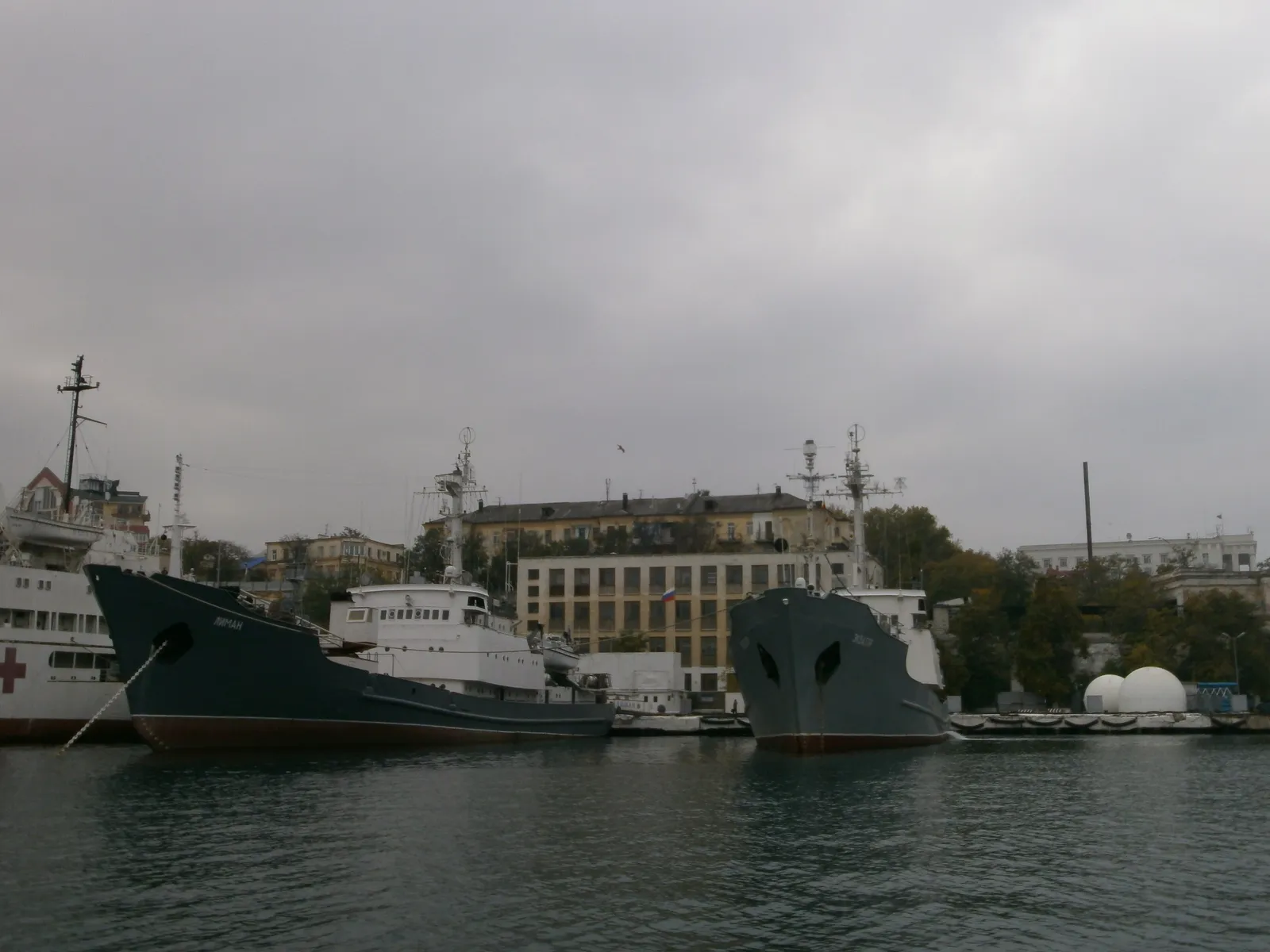
| Liman and Kildin | KCHF identifies both as Gdansk-built hulls converted for intelligence service and gives ship-specific specifications. | The ship pages support service history and equipment, not independent combat employment. |
| Kosovo / Allied Force | USNI directly documents Liman and Kil'din deploying to the Adriatic to monitor NATO actions in Kosovo. | The row is intelligence-monitoring context for Russian forces, not a claim that the ships fired weapons or joined NATO or Yugoslav combat operations. |
Sources: KCHF.ru: Intelligence Ship Liman; KCHF.ru: Intelligence Ship Kildin; RussianShips.info: Project 861 hydrographic survey vessel; USNI Proceedings: Combat Fleets.
Variants
The Moma label covers the Project 861 survey-ship hull family and later intelligence, export, and training-ship configurations. Public references separate the base hydrographic design from the Project 861M electronic-intelligence conversions.
| Variant | Configuration | Designation notes |
|---|---|---|
| Project 861 | Hydrographic survey vessel | Base Moma-class survey design built at Gdansk before some hulls were refitted for intelligence work. Sources: RussianShips.info: Project 861 hydrographic survey vessel |
| Project 861M2 | Modernized intelligence configuration | RussianShips.info lists selected 861M hulls later modernized as Project 861M2. Sources: RussianShips.info: Project 861 hydrographic survey vessel |
| Project 861MV | Bulgarian export intelligence ship | RussianShips.info lists Admiral Branimir Ormanov as a Bulgarian Project 861MV export vessel. Sources: RussianShips.info: Project 861 hydrographic survey vessel |
| Project 861J | Yugoslav survey/training-ship branch | RussianShips.info lists Andrija Mohorovichich as a Yugoslav Project 861J hull later associated with Croatian service. Sources: RussianShips.info: Project 861 hydrographic survey vessel |
Timeline
Project 861M Moma-class intelligence ship Key Events
Lead Project 861 hull commissioned
KCHF says the lead Project 861 survey ship Arktika was commissioned at Stocznia Polnocna in Gdansk, establishing the base design later converted into intelligence ships.
Sources: KCHF.ru: Project 861 hydrographic survey vessel
Kildin enters service
KCHF lists Kildin as a Gdansk-built Project 861 hull commissioned on May 23, 1970 and converted into an intelligence ship in 1970.
Sources: KCHF.ru: Intelligence Ship Kildin
Liman commissioned
KCHF lists Liman as a Project 861 hull commissioned on December 23, 1970, later transferred to the Black Sea Fleet and converted to intelligence-ship use in 1989.
Sources: KCHF.ru: Intelligence Ship Liman
Project 861 production run ends
RussianShips.info lists 29 completed Project 861 hulls from the 1967-1973 construction run at Gdansk.
Sources: RussianShips.info: Project 861 hydrographic survey vessel
Liman and Kil'din monitor Kosovo
USNI reported that the Black Sea Fleet's Liman and Kil'din made back-to-back Adriatic deployments to monitor NATO actions in Kosovo between April and July 1999.
Sources: USNI Proceedings: Combat Fleets
Liman lost off Kilyos
KCHF says Liman sank in the Black Sea after a collision with the livestock freighter Youzarsif H, with all 78 personnel rescued.
Sources: KCHF.ru: Intelligence Ship Liman
Media
Project 861M Moma-class intelligence ship Images
Related Weapon Systems


Sources
KCHF.ru: Project 861 hydrographic survey vesselPublisher: Black Sea Fleet Information Resource | Note: Supports the Project 861 base-hull dimensions, propulsion, crew, electronics, builder background at Stocznia Polnocna in Gdansk, and lead-ship commissioning context. | Accessed: 2026-07-01KCHF.ru: Intelligence Ship LimanPublisher: Black Sea Fleet Information Resource | Note: Supports Liman's Project 861M intelligence-ship identity, Gdansk construction, 1989 intelligence conversion, Project 861M specifications, equipment fit, and 2017 sinking context. | Accessed: 2026-07-01KCHF.ru: Intelligence Ship KildinPublisher: Black Sea Fleet Information Resource | Note: Supports Kildin's Project 861M intelligence-ship identity, Gdansk construction, 1970 intelligence conversion, current-service statement, and Project 861M specifications and equipment fit. | Accessed: 2026-07-01RussianShips.info: Project 861 hydrographic survey vesselPublisher: RussianShips.info | Note: Supports the Project 861 build run, base specifications, named hull list, and modernization/export notes distinguishing Project 861M, Project 861M2, Project 861MV, Project 861J, and later intelligence conversions. | Accessed: 2026-07-01GlobalSecurity: Moma classPublisher: GlobalSecurity.org | Note: Supports the conversion of Project 861 hulls into Moma-class ELINT gathering ships and the survey-ship / buoy-tender origin. | Accessed: 2026-07-01USNI Proceedings: Combat FleetsPublisher: U.S. Naval Institute | Note: Supports 1999 Kosovo War / Operation Allied Force direct conflict-use context: the article reports that the Black Sea Fleet's Liman and Kil'din made back-to-back Adriatic deployments to monitor NATO actions in Kosovo. | Accessed: 2026-07-01Wikimedia Commons: Soviet SIGINT ship off USS Midway, circa 1978Publisher: Wikimedia Commons | Note: Supports image provenance for the primary class photograph. | Accessed: 2026-07-01Wikimedia Commons: Liman and Ekvator in port of SevastopolPublisher: Wikimedia Commons | Note: Supports image provenance for the gallery image showing two Project 861M ships in port. | Accessed: 2026-07-01