- Side
- Ukraine

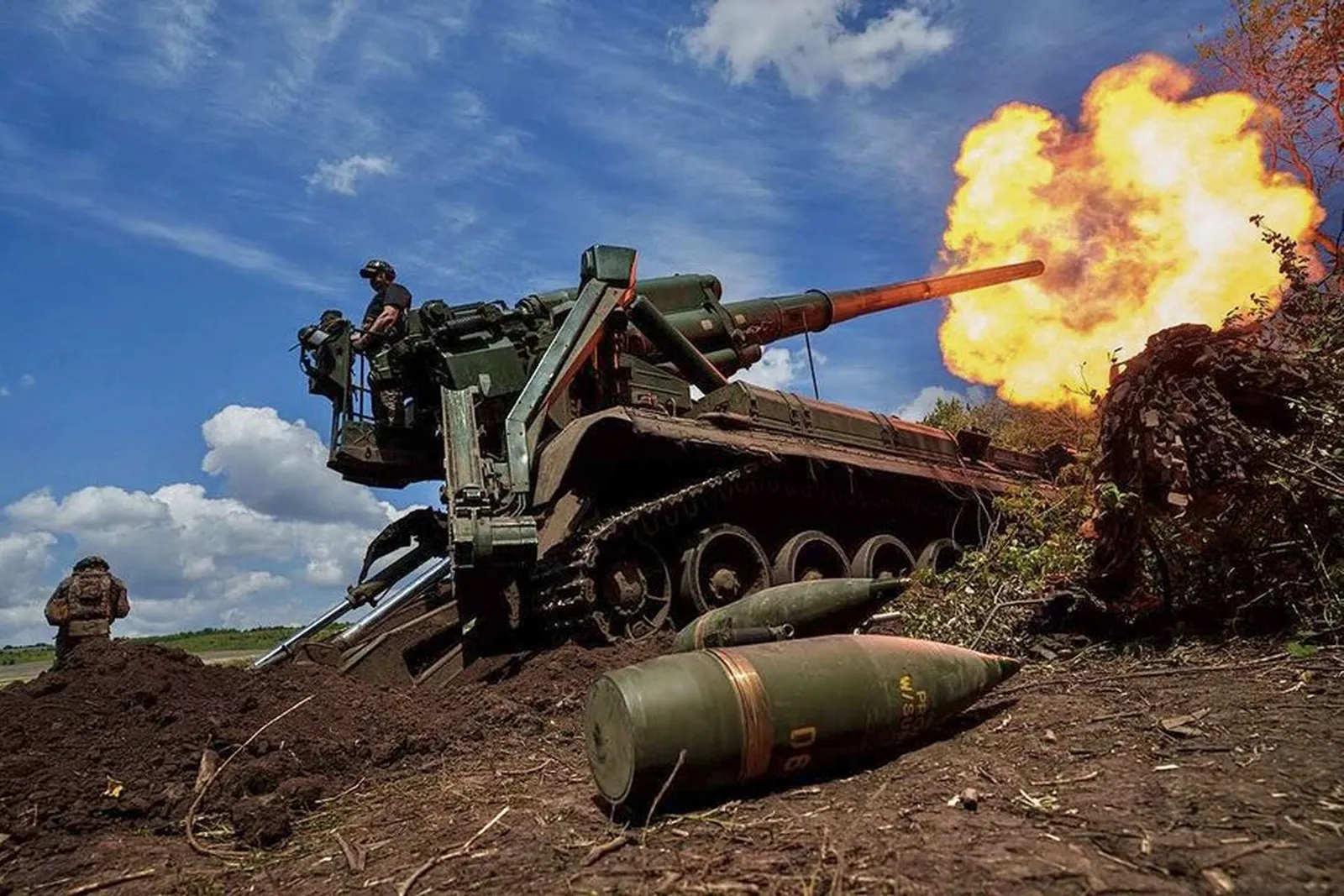
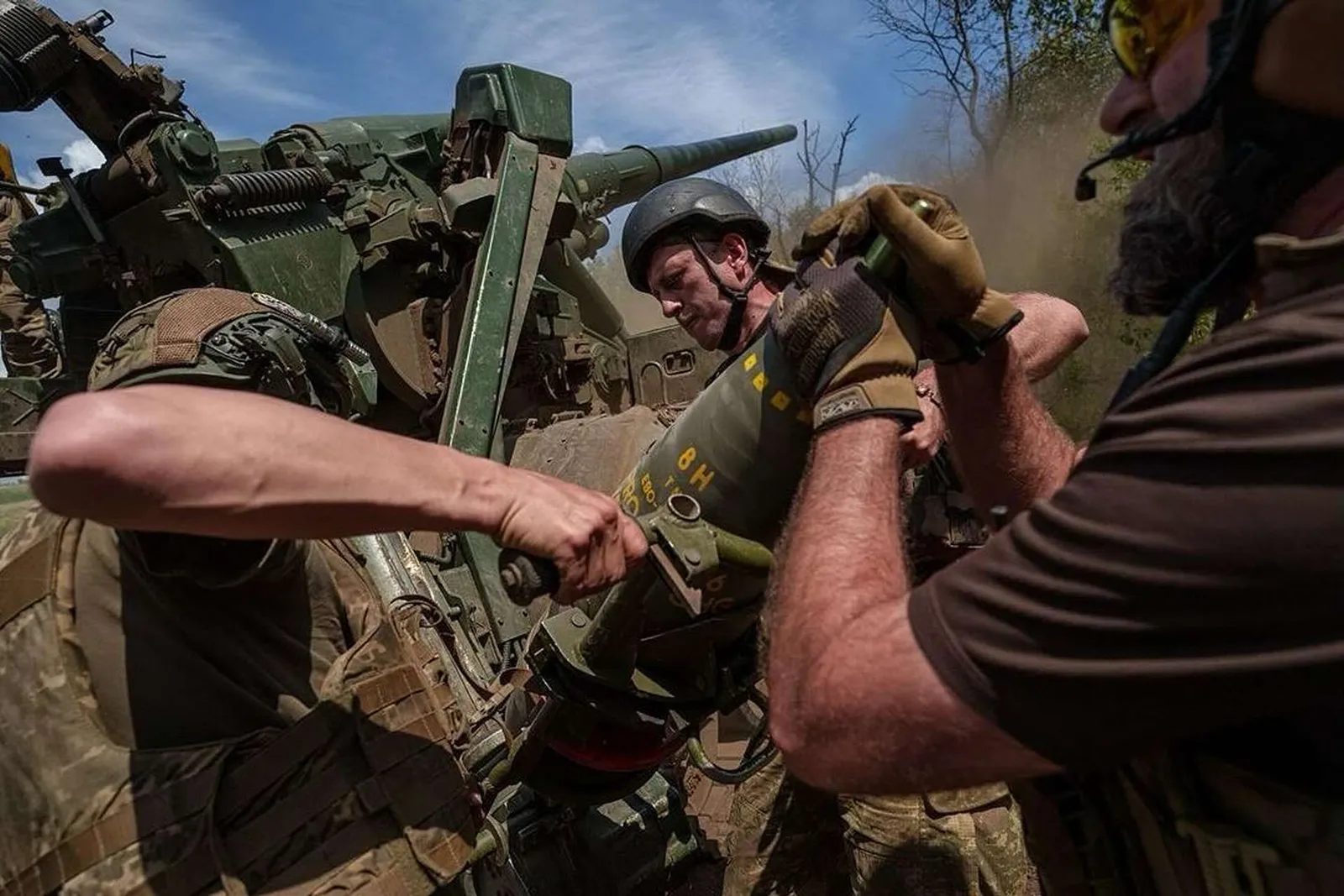
Ukrainian reporting in June 2023 identified U.S.-made 203 mm M106 projectiles received for 2S7 Pion guns, with follow-on reporting and imagery showing Ukrainian crews loading M106 ammunition in the 2014 Russia-Ukraine War.
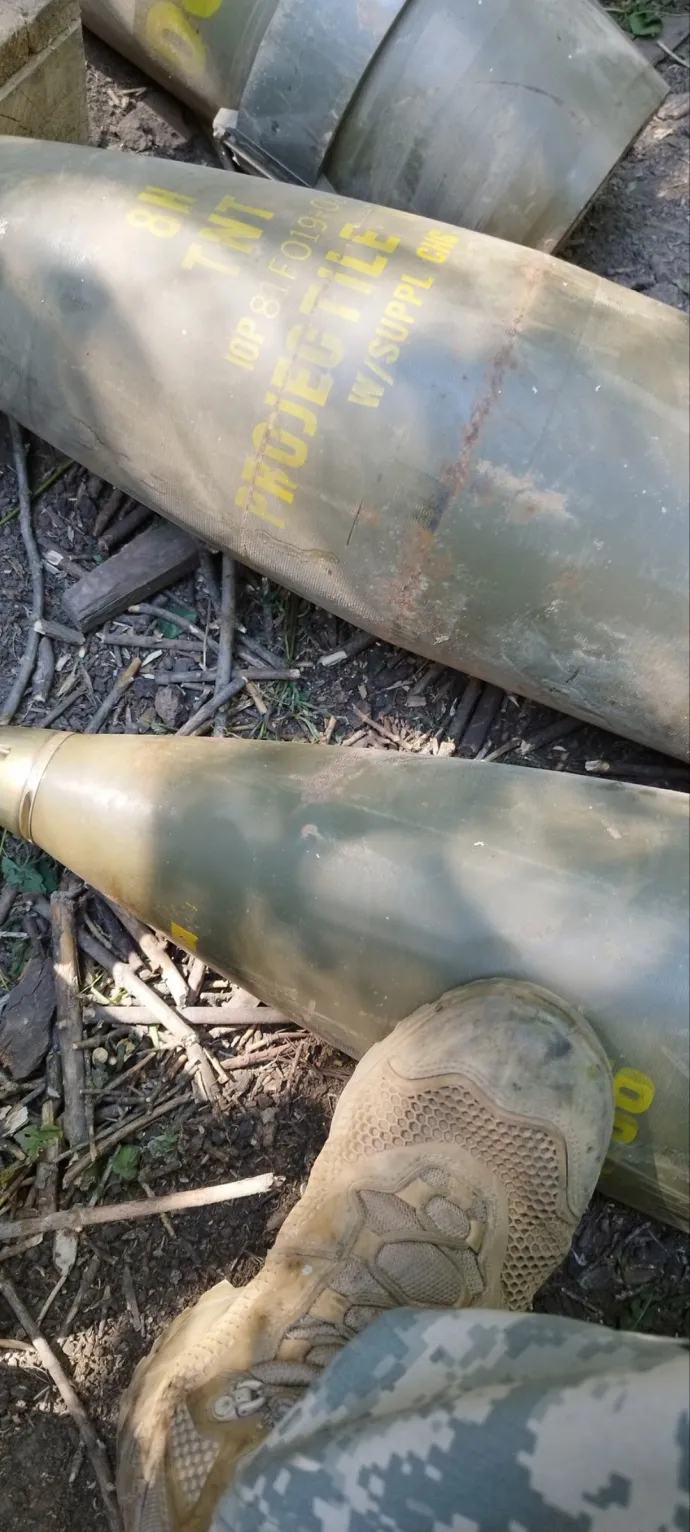
Role detailsThe M106 is a U.S. 8-inch, or roughly 203 mm, high-explosive fragmentation projectile built for American heavy artillery such as the M110. Open munition references describe a nose-fuzed, boat-tailed steel shell with TNT or Composition B filling, while Ukrainian and defense-reporting sources document M106 projectiles being adapted to Ukrainian 2S7 Pion guns during the 2014 Russia-Ukraine War as Soviet-pattern 203 mm stocks became scarce.
Ukrainian reporting in June 2023 identified U.S.-made 203 mm M106 projectiles received for 2S7 Pion guns, with follow-on reporting and imagery showing Ukrainian crews loading M106 ammunition in the 2014 Russia-Ukraine War.
Role detailsThe M106 is a U.S. 8-inch projectile, but wartime reporting also documents Ukrainian use with Soviet-origin 203 mm 2S7 Pion guns.
| Firing weapon | Weapon type | Firing evidence |
|---|---|---|
 | 203 mm self-propelled gun | Ukrainska Pravda and Army Recognition identify M106 projectiles in Ukrainian 2S7 Pion service, with Army Recognition showing a Ukrainian crew loading the round into the 2S7's 203 mm gun. Sources: Ukrainian Pion guns now fire US-made projectiles, Ukrainian Forces Use 203mm US Ammunition with Russian 2S7 Self-Propelled Howitzer |
The M106 page is useful because it links a U.S. 8-inch projectile to a wartime Ukrainian workaround for 203 mm heavy artillery. The evidence supports the exact M106-to-2S7 context, while leaving broader compatibility claims narrow.
| Topic | Source-backed detail | Reader caution |
|---|---|---|
| Projectile identity | METIS identifies M106 as a U.S. 8-inch HE-fragmentation projectile with a boat-tailed steel body and nose fuze. | The source describes the projectile, not a complete order of battle for all users. |
| Original U.S. context | Ukrainska Pravda describes the M106 as an HE projectile associated with the U.S. M110 203.2 mm self-propelled howitzer. | This explains the U.S. 203 mm caliber lineage, not Ukrainian manufacture. |
| Ukraine adaptation | Ukrainska Pravda and Army Recognition identify M106 rounds in Ukrainian 2S7 Pion service during the 2014 Russia-Ukraine War. | The available open sources document Ukrainian use; they do not establish how many shells were supplied or how widely they were issued. |
Ukrainian reporting connected the M106 shells to a June 2023 U.S. security-assistance package as Ukraine sought more 203 mm ammunition for Pion guns.
Sources: Ukrainian Pion guns now fire US-made projectiles
Ukrainska Pravda, citing Militarnyi and a 43rd Brigade-linked account, reported that Ukrainian gunners had received U.S.-made 203 mm M106 projectiles for 2S7 Pion guns.
Sources: Ukrainian Pion guns now fire US-made projectiles
Army Recognition published images attributed to Ukraine's defense ministry showing a Ukrainian 2S7 Pion and U.S. M106 203 mm ammunition, including a reload scene.
Sources: Ukrainian Forces Use 203mm US Ammunition with Russian 2S7 Self-Propelled Howitzer