Munitions

M795 155 mm high-explosive projectile

Also known as
  • M795
  • M795 HE
  • M795 high-explosive projectile
  • M795 IM
  • 155 mm HE M795

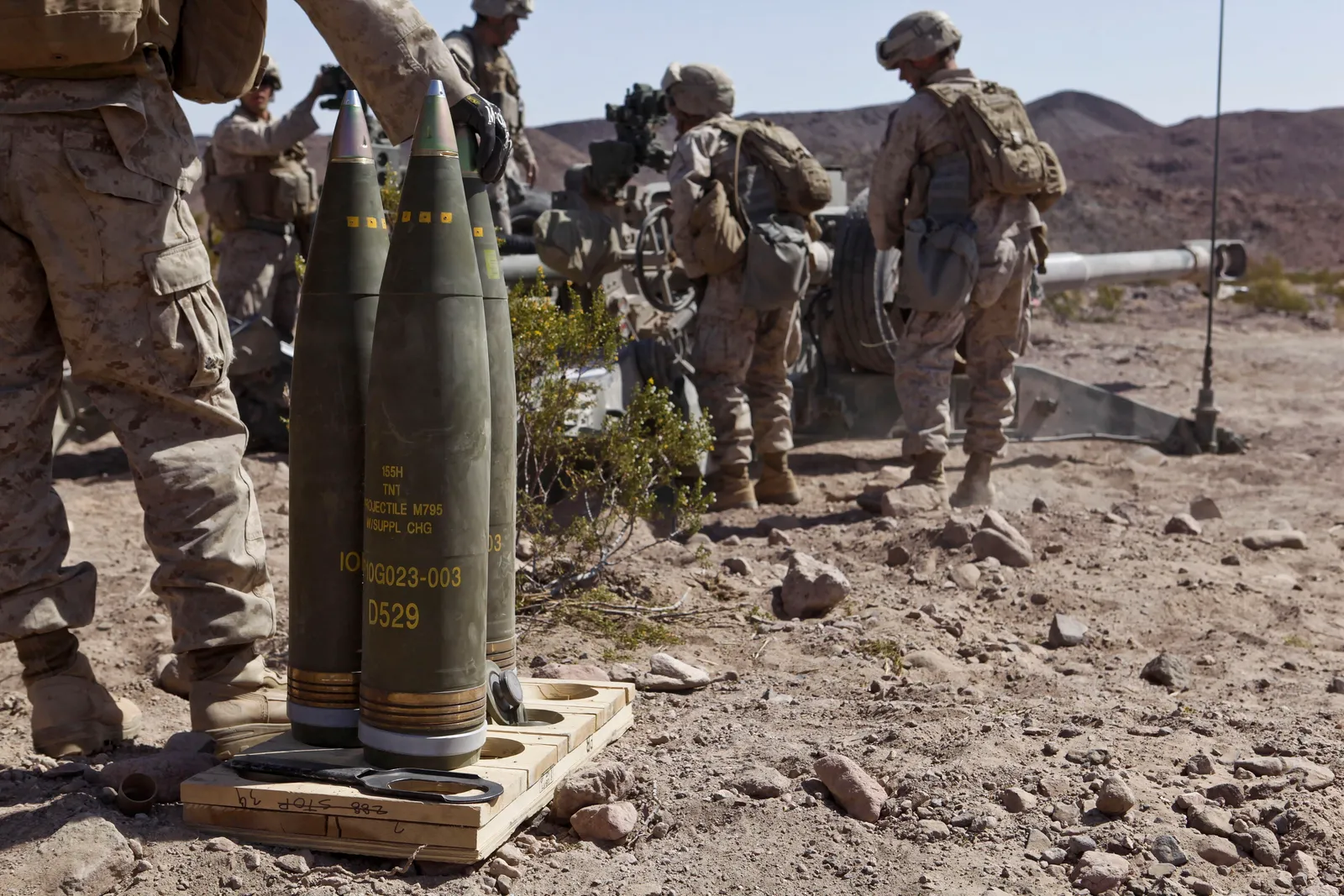
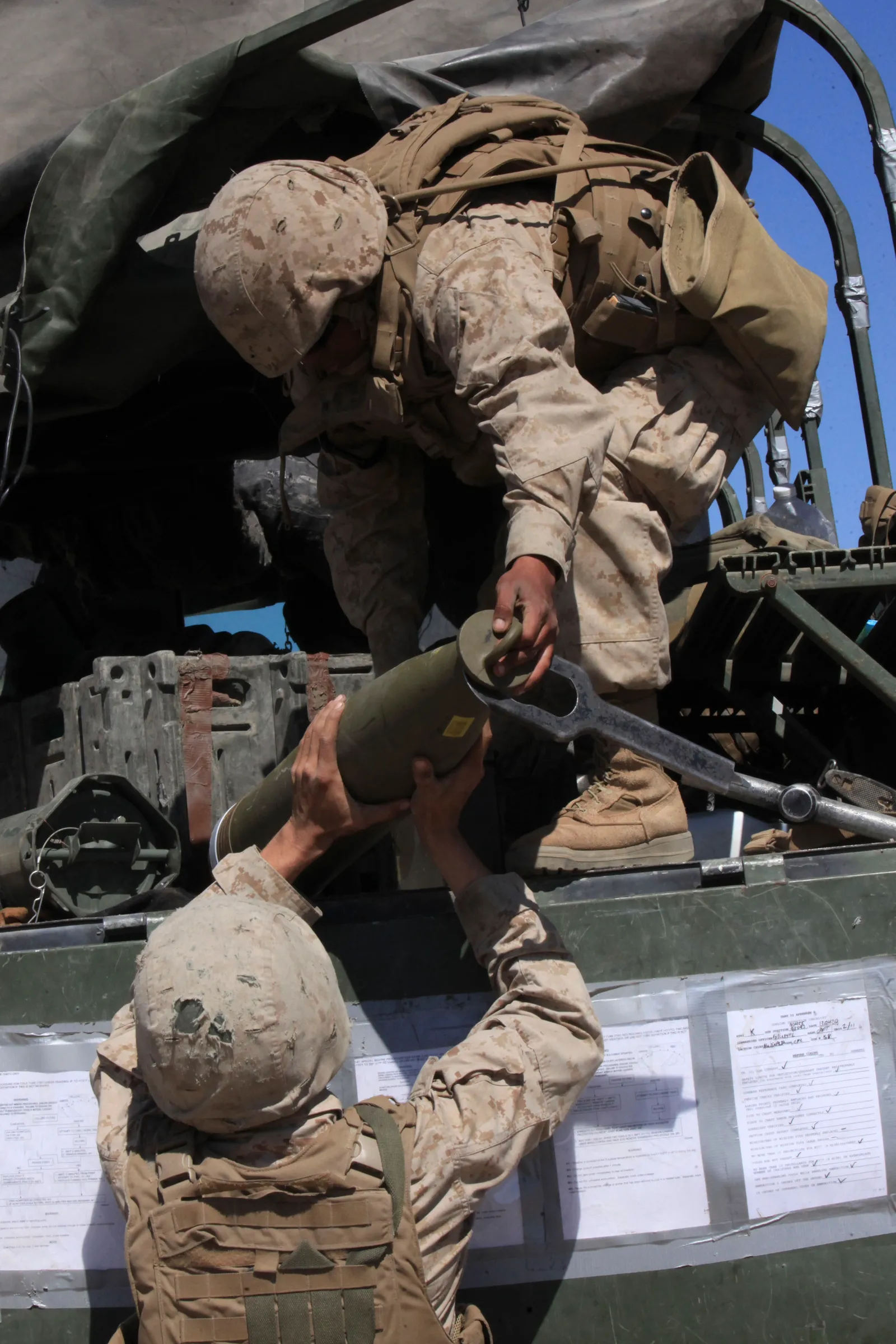
The M795 is a U.S.-made 155 mm high-explosive projectile built as a modern steel-body replacement for older conventional HE shells. General Dynamics Ordnance and Tactical Systems describes it as a 103-pound high-fragmentation round filled with TNT or IMX-101, while U.S. transfer records and GICHD's Ukraine guide place the projectile in 2014 Russia-Ukraine War artillery supply and battlefield ordnance context.

Role in Conflicts

Profile / Specs

Specifications

Caliber
155 mm
Weight
103 lb (46.7 kg)
Explosive fill
23.8 lb TNT or IMX-101
Body
High-fragmentation steel body
Compatibility
Current and future 155 mm towed and self-propelled howitzers
Rotating band
Gilded metal
Projectile And Production Context

The M795 page is most useful when the shell is treated as both a munition design and a production bottleneck item in modern 155 mm artillery supply.

TopicSource-backed detail
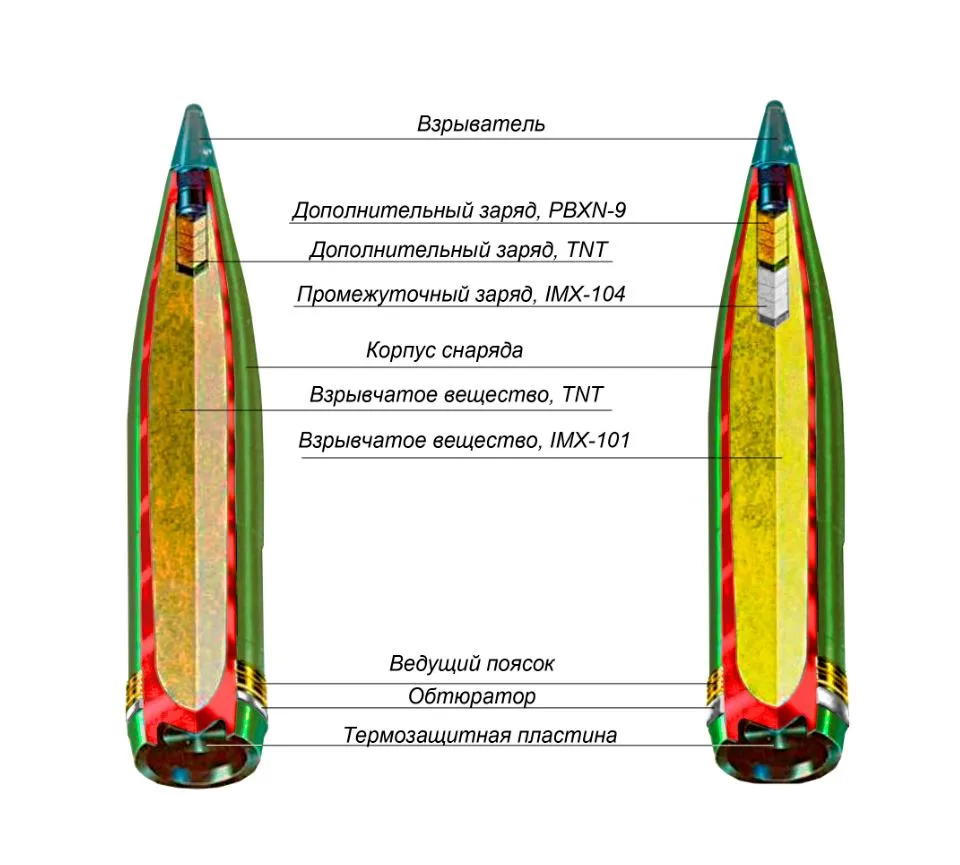
Design roleGDOTS describes the M795 as a 103 lb 155 mm HE projectile with a high-fragmentation steel body, gilded metal rotating band, and TNT or IMX-101 explosive fill.
Ukraine contextDoD replacement-transfer funding records list M795 HE projectiles among munitions transferred to Ukraine, while GICHD includes the M795 in its Ukraine explosive-ordnance guide.
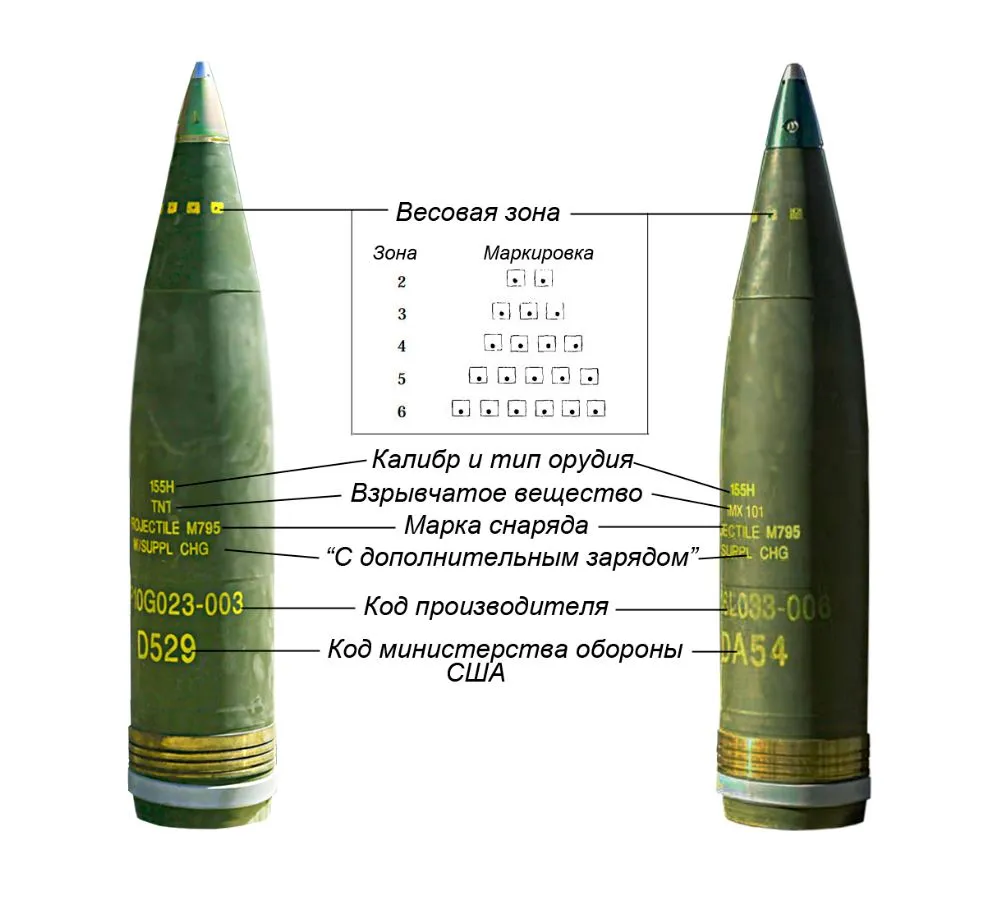
Fill splitThe public image record and GDOTS source support two visible fill contexts: TNT-filled M795 rounds and M795 IM rounds using IMX-101.
Production expansionThe Army reported that monthly M795 projectile production nearly quadrupled after 2022 and that the Camden expansion was designed for 50,000 completed projectiles per month.

Sources: GDOTS 155MM M795 HE; DoD Ukraine Replacement Transfer Fund Tranche 20; GICHD Explosive Ordnance Guide for Ukraine; Army artillery production facility.

Firing Weapons

The M795 is a conventional 155 mm projectile for NATO-standard howitzers; open references tie it to both U.S. 39-caliber guns and Ukrainian 155 mm systems.

Firing weaponWeapon typeFiring evidence
M777, 155 mm towed howitzer, ArtilleryM777155 mm towed howitzer

GICHD's Ukraine ordnance guide lists the M795 as usable with M777-family 155 mm howitzers.

Sources: GICHD Explosive Ordnance Guide for Ukraine

M109A6 Paladin, 155 mm tracked self-propelled howitzer, ArtilleryM109A6 Paladin155 mm tracked self-propelled howitzer

GICHD's Ukraine ordnance guide lists the M795 as usable with M109A6 155 mm self-propelled howitzers.

Sources: GICHD Explosive Ordnance Guide for Ukraine

M198 155 mm howitzer, 155 mm towed howitzer, ArtilleryM198 155 mm howitzer155 mm towed howitzer

GICHD's Ukraine ordnance guide lists the M795 as usable with M198 155 mm howitzers.

Sources: GICHD Explosive Ordnance Guide for Ukraine

2S22 Bohdana, 155 mm wheeled self-propelled howitzer, Artillery2S22 Bohdana155 mm wheeled self-propelled howitzer

Army Recognition says Bohdana's 155 mm L52 barrel can fire M795 among the NATO-standard rounds it lists.

Sources: Army Recognition Bohdana M795 compatibility

Timeline

M795 155 mm high-explosive projectile Key Events

  1. Ukraine artillery demand drives U.S. 155 mm production expansion

    The U.S. Army says monthly M795 projectile production nearly quadrupled after 2022 as the service expanded artillery ammunition output for readiness, allies, and partners.

    Sources: Army artillery production facility

  2. M795 appears in Ukraine replacement-transfer records

    A DoD Comptroller replacement-transfer reprogramming document lists 155 mm HE M795 projectiles among items transferred to Ukraine and funded for U.S. stock replacement.

    Sources: DoD Ukraine Replacement Transfer Fund Tranche 20

  3. Army announces Camden production expansion

    The Army reported a new Camden, Arkansas load, assemble, and pack facility designed to produce 50,000 completed projectiles per month as part of a wider 100,000-round monthly 155 mm objective.

    Sources: Army artillery production facility

Media
Related Weapon Systems
M107 155 mm high-explosive projectile, 155 mm high-explosive projectile, ArtilleryArtilleryM107 155 mm high-explosive projectile155 mm high-explosive projectileThe M107 is a conventional 155 mm high-explosive projectile with a forged-steel body, TNT or Composition B fill, and deep- or normal-cavity variants for different fuze fits. U.S. Army ammunition records list it as an operations-and-sustainment item, Modern War Institute reporting places the M107 family in Ukraine's 155 mm ammunition mix, and U.S. emergency-sale notices document M107 deliveries to Israel during the 2023 Israel-Hamas War.
155 mm artillery round, 155 mm artillery ammunition family, MunitionsMunitions155 mm artillery round155 mm artillery ammunition familyThe 155 mm artillery round is a family-level label for complete 155 mm howitzer shots rather than one projectile model. U.S. Army sources define a complete shot as fuze, primer, projectile, and propelling charge, while manufacturer and conflict records show high-explosive, extended-range, inert, precision-guided, smoke, illumination, cluster, white-phosphorus, and charge-system variants across NATO and NATO-compatible artillery use.
M106 203 mm high-explosive fragmentation projectile, 203 mm high-explosive fragmentation projectile, MunitionsMunitionsM106 203 mm high-explosive fragmentation projectile203 mm high-explosive fragmentation projectileThe M106 is a U.S. 8-inch, or roughly 203 mm, high-explosive fragmentation projectile built for American heavy artillery such as the M110. Open munition references describe a nose-fuzed, boat-tailed steel shell with TNT or Composition B filling, while Ukrainian and defense-reporting sources document M106 projectiles being adapted to Ukrainian 2S7 Pion guns during the 2014 Russia-Ukraine War as Soviet-pattern 203 mm stocks became scarce.
M549A1 rocket-assisted projectile, 155 mm high-explosive rocket-assisted projectile, MunitionsMunitionsM549A1 rocket-assisted projectile155 mm high-explosive rocket-assisted projectileThe M549A1 is a U.S. 155 mm high-explosive rocket-assisted projectile and the TNT-filled follow-on to the earlier Composition-B-filled M549. Army references describe it as a two-piece round with a high-fragmentation steel warhead and integral rocket motor, built to extend howitzer range to about 30 km and later treated as a legacy munition for replacement by XM1113. Conflict reporting also places M549A1 RAP in Ukrainian Bohdana howitzer combat use during the 2014 Russia-Ukraine War.
155 mm NATO ammunition, 155 mm NATO-standard artillery ammunition family for 39-, 45-, and 52-caliber howitzers, MunitionsMunitions155 mm NATO ammunition155 mm NATO-standard artillery ammunition family for 39-, 45-, and 52-caliber howitzers155 mm NATO ammunition is a family of separately loaded artillery projectiles, fuzes, primers, and propelling charges built around NATO and JBMoU interoperability standards rather than a single shell. Official records document 155 mm artillery rounds in Ukraine's wartime ammunition supply and in coalition M777A2 fire missions against ISIS, while manufacturer lines show high-explosive, extended-range, training, modular-charge, and specialty projectile examples.

Sources