Air Defense

Crotale

Also known as
  • Crotale NG
  • Crotale Next Generation
  • Crotale Nouvelle Generation
  • Shahine
  • R460 SICA
  • Cactus SAM
  • ItO 90
  • ItO 90M
  • Pegasus K-SAM
  • K-SAM
  • K-SAM Chunma
  • K-SAM Cheonma
  • Chunma
  • Cheonma
  • Sea Crotale
  • Crotale Naval
  • Crotale Navale
  • Crotale CN2

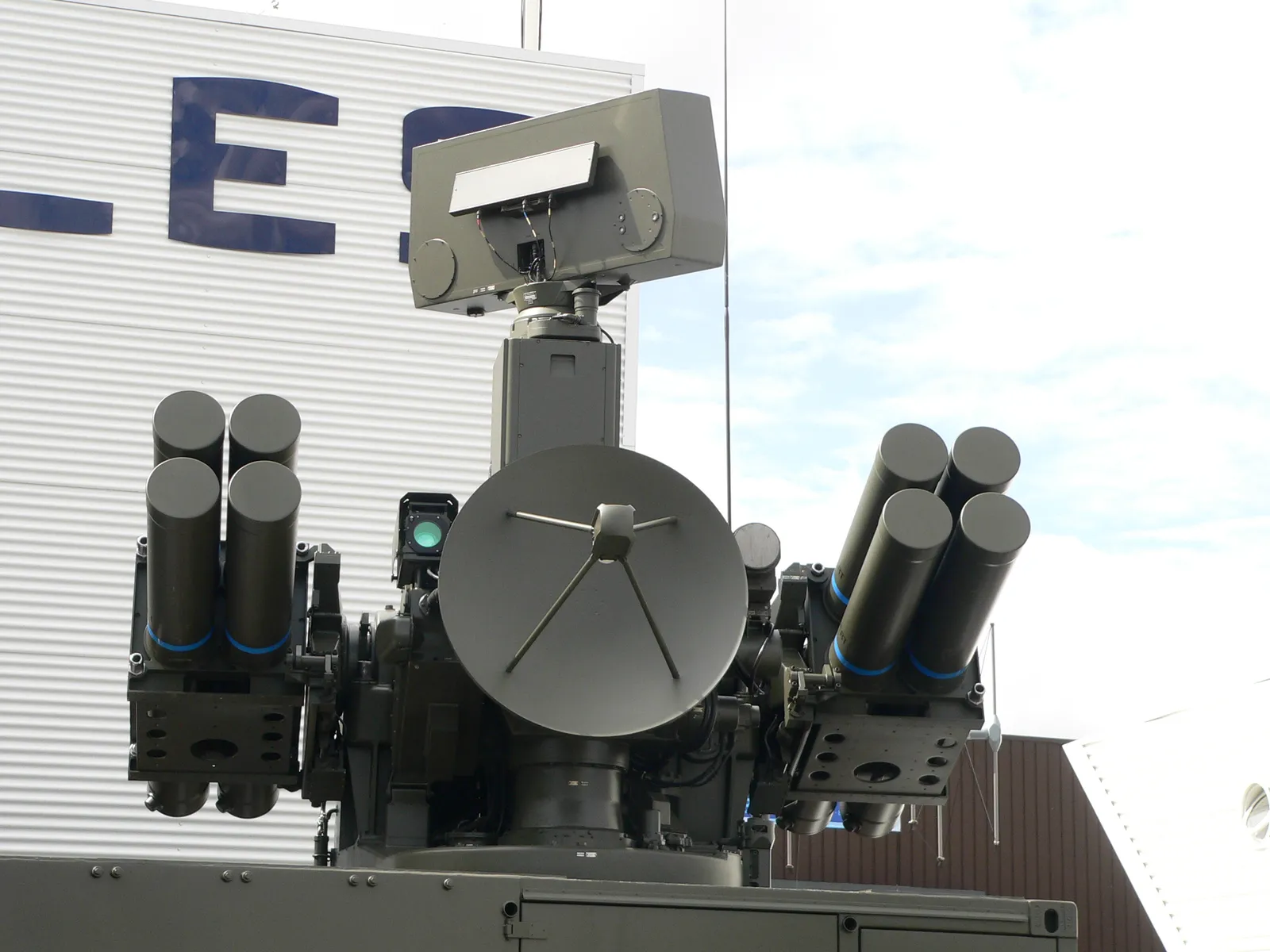
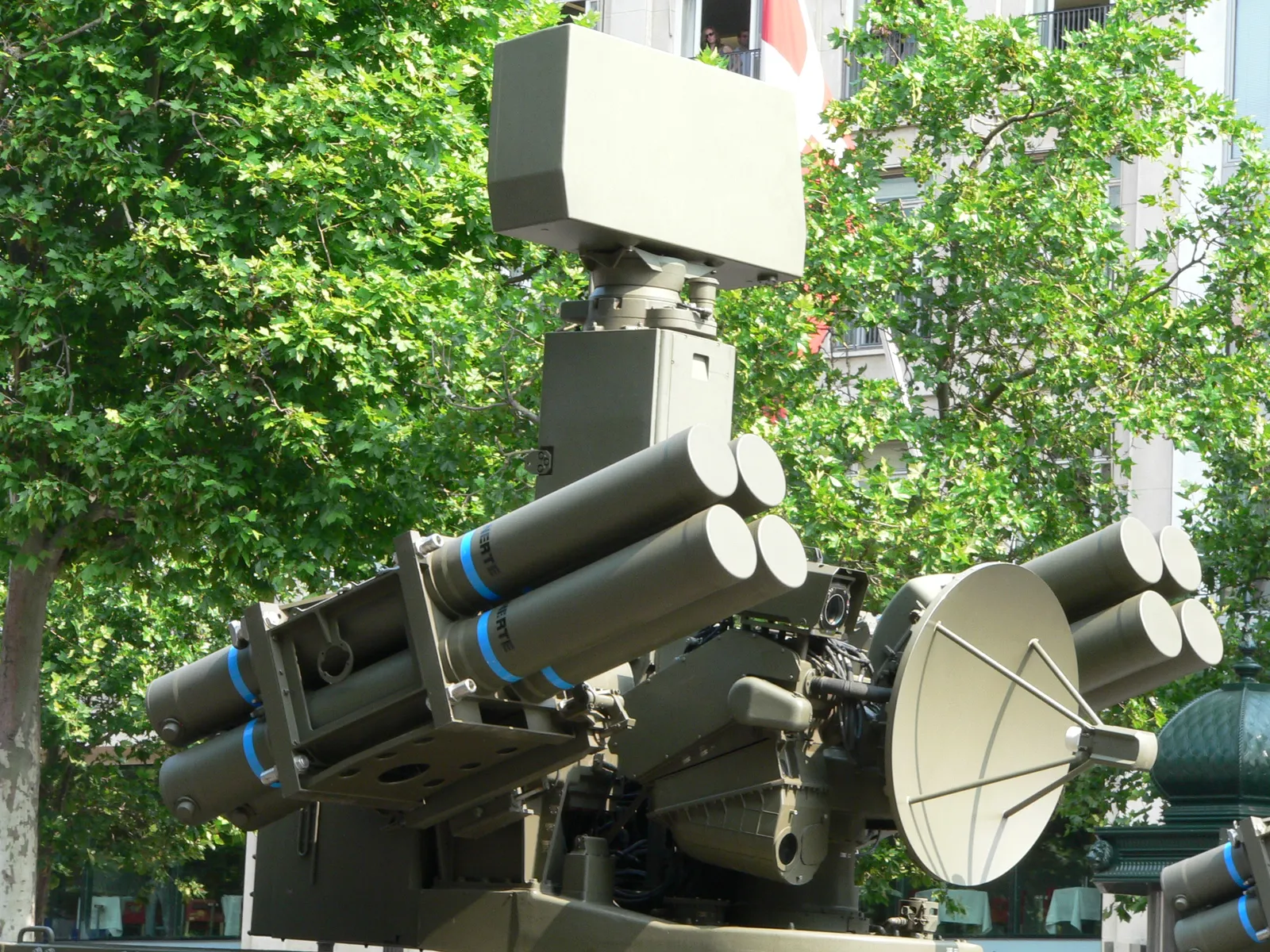
Crotale is a French short-range surface-to-air missile family built around radar and electro-optical target tracking for point defense of forces, bases, ships, and strategic sites. The family spans the original R440 Crotale, export derivatives such as Shahine and Cactus, and the Crotale NG/Crotale Mk3 line using VT-1-family interceptors. France supplied Crotale NG systems to Ukraine during the 2014 Russia-Ukraine War, while Shahine and Cactus variants give the system a longer conflict record in Saudi and South African service.

Role in Conflicts

Side
South Africa

South African forces used the Cactus, a Crotale-derived surface-to-air missile system, as forward air defense during the final phase of the South African Border War; a 2024 military-history article identifies Cactus service in Angola and notes a Cactus engagement that damaged a MiG-23.

Profile / Specs

Profile

Origin
France
Built by
Thales Group
Type
Short-range surface-to-air missile system
Service note
Introduced in the Crotale NG form in the 1990s; supplied to Ukraine from 2022
Designer
Thomson-CSF / Thales
Designed
Original Crotale development began in the 1960s; Crotale NG development followed in the early 1990s
Unit cost
Not publicly standardized for transferred Ukrainian systems
Produced
Original Crotale production from the late 1960s; Crotale NG production and upgrades from the 1990s
Number built
Not publicly confirmed across all variants

Specifications

Role
Short-range air and missile defense for point defense of forces, bases, and strategic sites
Missile
VT-1 surface-to-air missile on Crotale NG
Ready missiles
Eight ready-to-fire missile canisters on a typical Crotale NG launcher
Missile speed
VT-1 reaches Mach 3.5+ and covers 8 km in about 10.3 seconds in Army Recognition's Crotale NG data
Missile weight
76 kg VT-1 missile with a 13 kg focused blast-fragmentation warhead
Engagement range
Greater than 11 km for VT-1; up to about 16 km for Crotale Mk3
Engagement ceiling
Up to about 9 km for VT-1 in Crotale NG references
Guidance
Command to line-of-sight guidance using radar and electro-optical tracking
Sensors
S-band pulse-Doppler search radar, Ku-band tracking radar, thermal camera, daylight CCD camera, and infrared localizer
Mobility
Shelter launcher commonly towed by a 6x6 truck, with other wheeled and tracked carrier variants
Crew and setup
Army Recognition lists a three-person crew and about five minutes of preparation time before firing
Family And Export Derivatives

Crotale evolved through national and export configurations rather than a single fixed launcher. The same family record is useful because source material links the original R440 Crotale, Crotale NG, Shahine, Cactus, and Crotale Mk3 through related missiles, launchers, and command-guided engagement methods.

ConfigurationService contextDocumented distinction
R440 CrotaleOriginal French Crotale familyForecast International treats R.440 as the original Crotale missile lineage before later VT-1 and Shahine developments.
Crotale NGFrench and export point defenseArmy Recognition describes an eight-missile launcher with radar, thermal, daylight, and infrared tracking channels.
Shahine / R460 SICASaudi air-defense serviceForecast International identifies Shahine as an enhanced Crotale-derived missile, and CSIS documents Shahine batteries and static units in Saudi service.
CactusSouth African Border War serviceScientia Militaria identifies Cactus as a Crotale derivative used as South African forward air defense in Angola.
Crotale Mk3Later extended-range developmentMDAA describes Crotale Mk.3 as the long-range Crotale NG version and lists a roughly 16 km missile range.
Variants

Crotale is best treated as a family rather than a single launcher: legacy R440/R460 missiles, Crotale NG launchers, export derivatives, and later Mk3 improvements use related command-guided short-range air-defense architecture.

VariantConfigurationDesignation notes
R440 CrotaleOriginal Crotale family missile

Forecast International identifies R.440 with the original Crotale system and treats VT-1 as the later high-performance missile associated with Crotale NG.

Sources: Forecast International R.440/R.460/VT-1

Crotale NGNew-generation launcher and fire-control system

Army Recognition describes the Crotale NG launcher as carrying eight ready VT-1 missiles with search radar, tracking radar, thermal imaging, daylight camera, and infrared localizer channels.

Sources: Crotale NG New Generation

Crotale Mk3Extended Crotale NG development

MDAA describes Crotale Mk.3 as the long-range version of Crotale NG and credits the Mk3 missile with a range of about 16 km.

Sources: Crotale Next Generation (NG)

Shahine / R460 SICASaudi Crotale-derived system

Forecast International identifies R.460 Shahine as an enhanced Crotale-derived missile, and CSIS documents Shahine batteries and static units in Saudi air-defense service.

Sources: Forecast International R.440/R.460/VT-1, The Missile War in Yemen

CactusSouth African Crotale-derived system

South African military-history research identifies Cactus as a Crotale derivative fielded by South African forces during the South African Border War.

Sources: South African Responses to the Cuban Air Threat

K-SAM Pegasus / CheonmaSouth Korean tracked derivative

Army Recognition describes Pegasus, also known as K-SAM or Chunma, as a South Korean system developed with Samsung and Thales using a new missile, sensor system, and tracked chassis; MDAA describes K-SAM Chunma/Pegasus as the South Korean version of Crotale.

Sources: Crotale NG New Generation, K-SAM Pegasus

Launched Missiles

Crotale-family systems use related command-guided missiles across legacy R440/R460, Crotale NG, and Crotale Mk3 configurations.

Launched itemItem typeLaunch evidence
VT-1 missile, Command-guided surface-to-air missile, MunitionsVT-1 missileExtended-range Crotale-family interceptor

MDAA says the Crotale Mk3 missile is associated with the long-range Crotale Mk.3 version of Crotale NG and gives a range of about 16 km.

Sources: Crotale Next Generation (NG)

Timeline

Crotale Key Events

  1. Original Crotale family emerges

    The Crotale/R440 family began as a French short-range air-defense system and later generated related export missiles and derivatives.

    Sources: Forecast International R.440/R.460/VT-1

  2. Cactus used in southern Africa

    South African forces used the Crotale-derived Cactus system in Angola during the final phase of the South African Border War.

    Sources: South African Responses to the Cuban Air Threat

  3. Crotale NG adds VT-1 and integrated sensors

    The Crotale NG configuration paired VT-1 missiles with an integrated launcher, radar, and electro-optical tracking package.

    Sources: Crotale NG New Generation, Crotale Next Generation (NG)

  4. France supplies Crotale NG to Ukraine

    France listed two Crotale NG systems among military equipment delivered to Ukraine after the full-scale Russian invasion; Ukraine's defense ministry later named Crotale NG among French-provided air-defense systems used against mass air attacks.

    Sources: French Military Equipment Delivered to Ukraine, Ukraine and France Deepen Defense Cooperation

Media
Related Weapon Systems
VT-1 missile, Command-guided surface-to-air missile, MunitionsMunitionsVT-1 missileCommand-guided surface-to-air missileThe VT-1 is a high-speed command-guided surface-to-air missile associated with the Crotale NG and later Crotale Mk3 air-defense systems. It is not a stand-alone battlefield weapon: the missile is fired from Crotale launchers that provide radar, optical tracking, command guidance, and target engagement control. Open references distinguish the baseline VT-1 used by Crotale NG from the extended-range Mk3 configuration, and Ukrainian Crotale NG combat reporting connects the missile family to short-range air-defense use in the 2014 Russia-Ukraine War.
Mirage F1, Single-engine fighter and strike aircraft, Aircraft & UAVsAircraft & UAVsMirage F1Single-engine fighter and strike aircraftThe Dassault Mirage F1 is a French swept-wing fighter family built around all-weather interception but adapted into attack, reconnaissance, trainer, and export multirole versions. Its source-backed conflict record spans Iraqi Mirage F1EQ missions in the Iran-Iraq War and Gulf War, Ecuadorian Cenepa War sorties, French reconnaissance and strike-support deployments from Kosovo to Afghanistan, Libya, and Mali, and a 2019 Libyan shootdown tied to GNA strike activity during the Tripoli siege.
Skynex, Networked short-range air defense system, Air DefenseAir DefenseSkynexNetworked short-range air defense systemSkynex is Rheinmetall Air Defence's modular short-range air defense architecture built around the Oerlikon Skymaster battle management system, networked X-TAR3D-class sensors, and autonomous 35 mm Revolver Gun Mk3 effectors firing programmable AHEAD ammunition. German-funded Skynex systems in Ukrainian service have been reported in truck-mounted power-plant defense roles, while Italy received the first NATO-member Skynex battery in December 2025.
SAMP/T, Mobile long-range surface-to-air missile system, Air DefenseAir DefenseSAMP/TMobile long-range surface-to-air missile systemSAMP/T, known as MAMBA in French service, is a Franco-Italian truck-mounted air and missile defense system built around Aster interceptors, multifunction radar, engagement command modules, and road-mobile vertical launchers. Ukraine uses SAMP/T batteries for scarce long-range air defense against Russian aircraft, missiles, and drones, while the SAMP/T NG path adds newer radar, Aster 30 Block 1NT, and a multi-layer configuration integrating VL MICA.

Sources