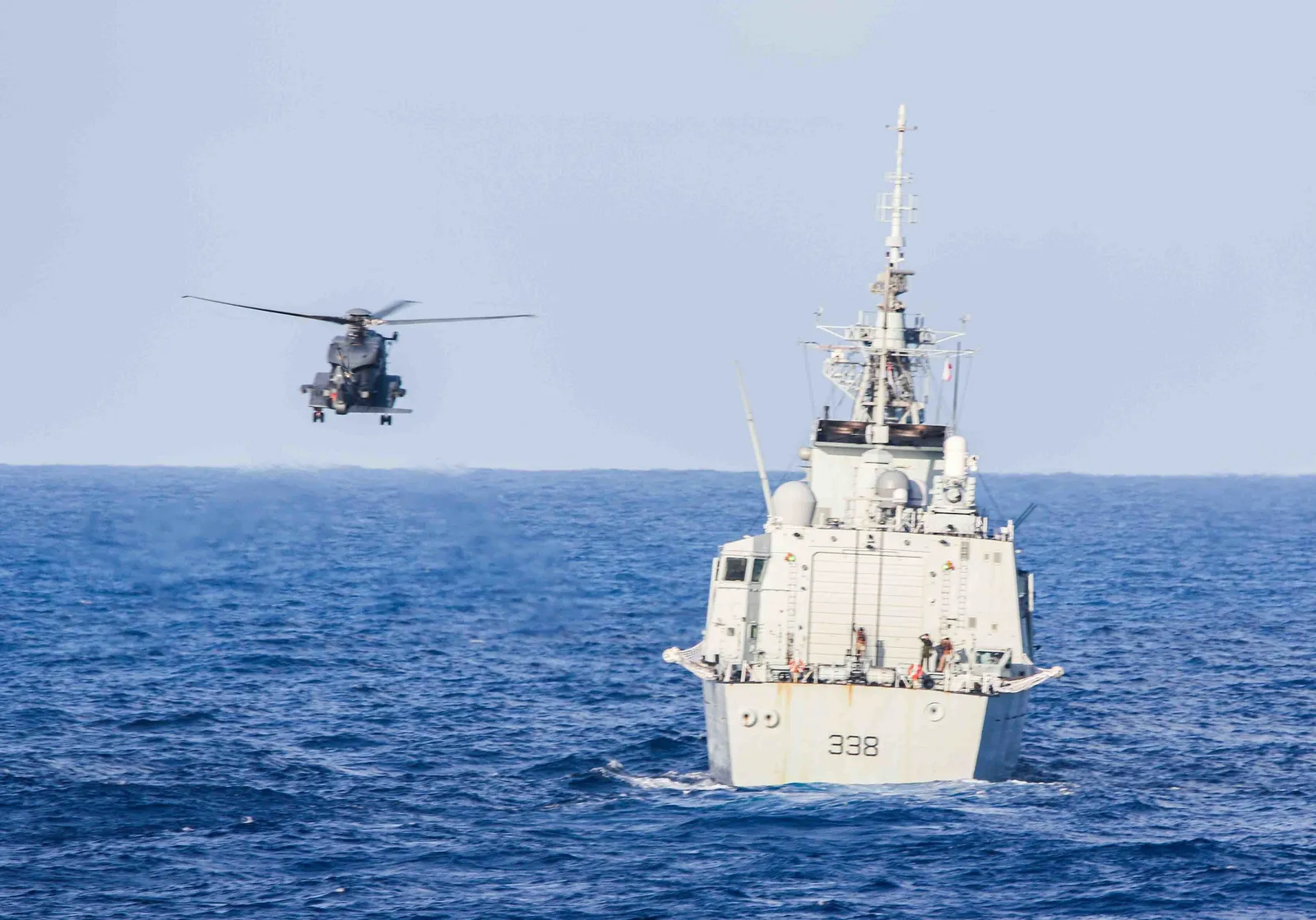

Canadian sources document CH-148 Cyclone detachments on Operation REASSURANCE, Operation ARTEMIS, Operation PROJECTION, and Operation NEON, including maritime surveillance, security patrols, anti-submarine and anti-surface sorties, and sanctions-monitoring deployments; the public record reviewed here supports operational deployment context rather than confirmed combat employment.
Aircraft & UAVs
CH-148 Cyclone
Also known as
- Sikorsky CH-148
- CH148 Cyclone
- Cyclone
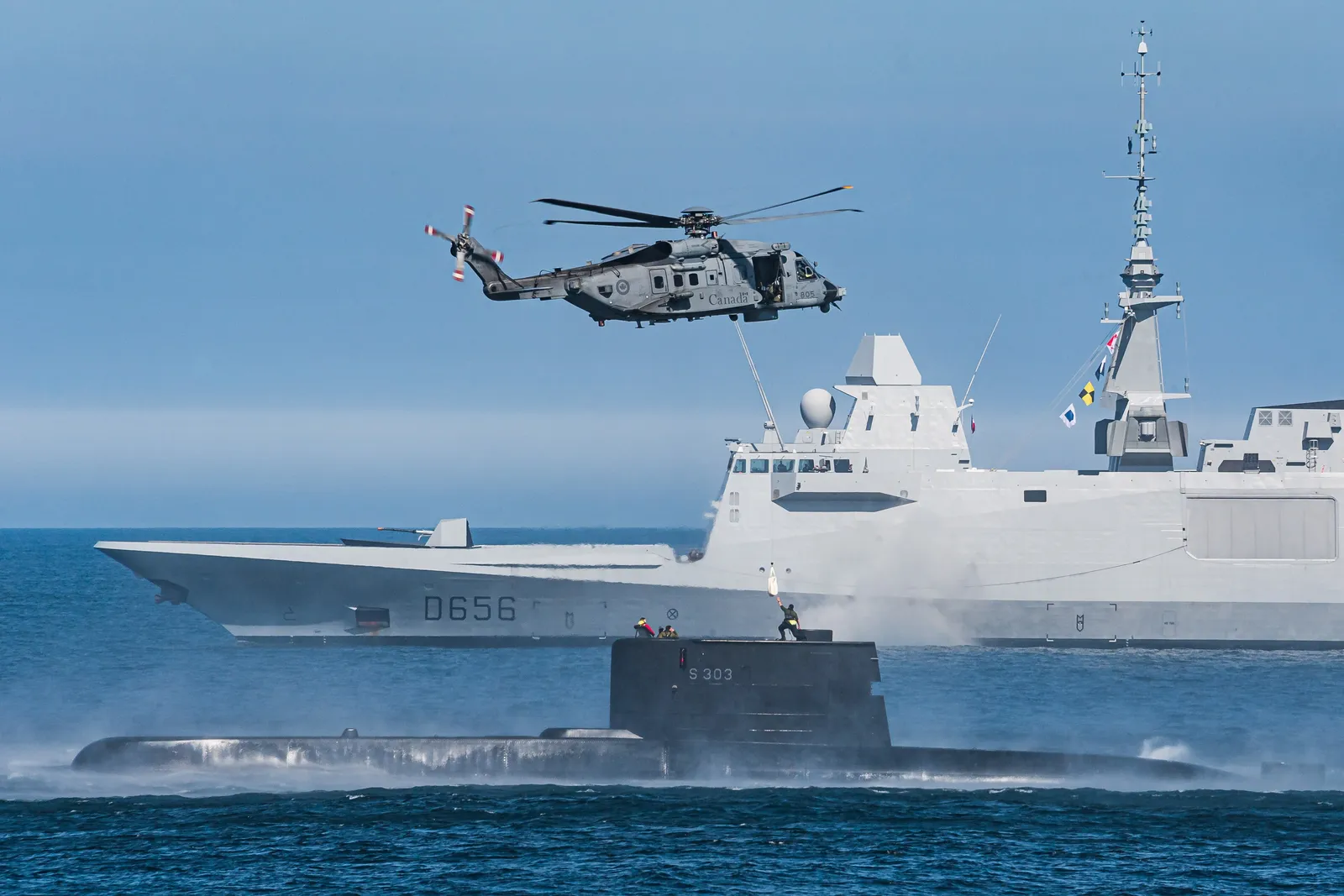
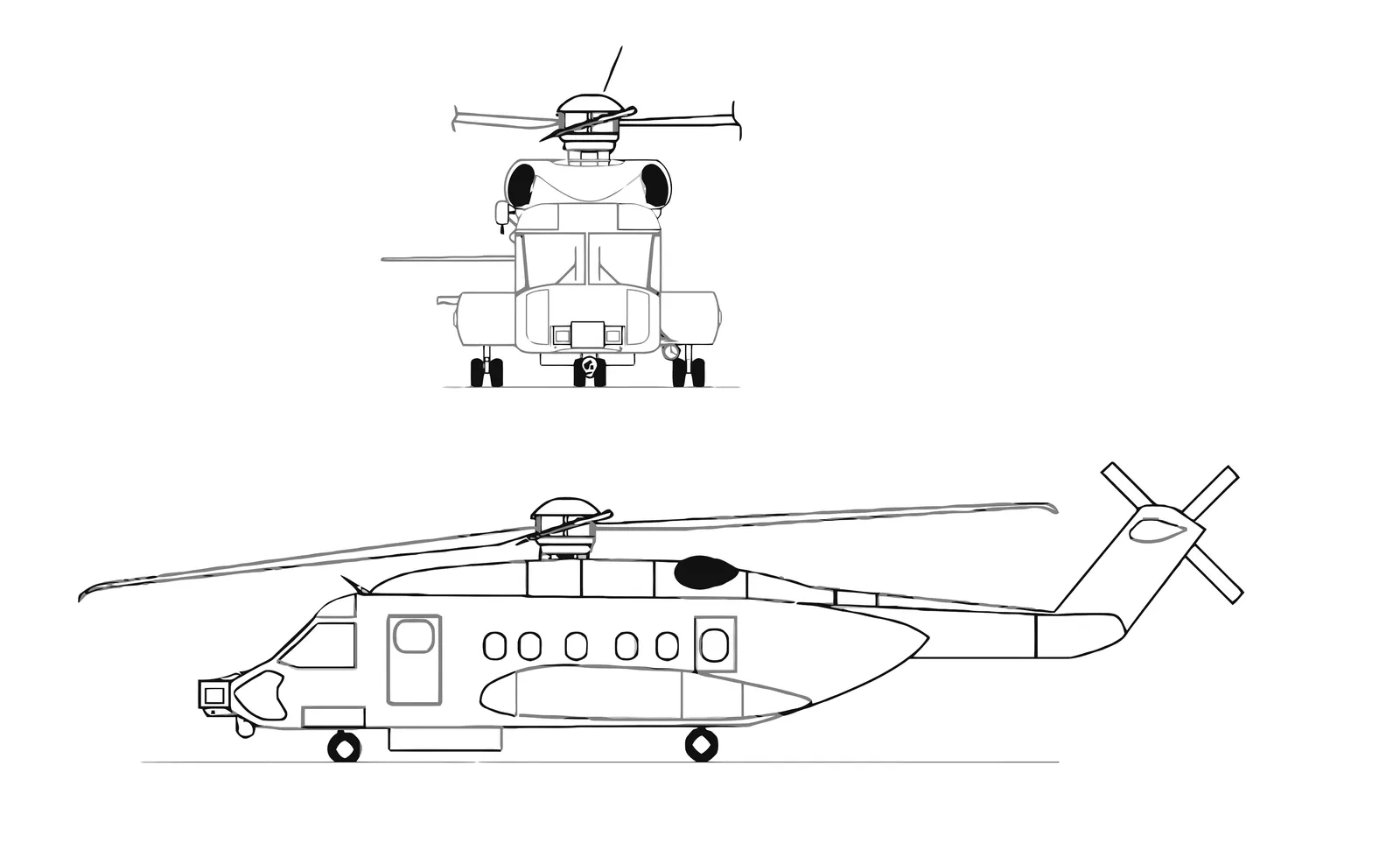
The Sikorsky CH-148 Cyclone is Canada's shipboard maritime helicopter, a military derivative of the S-92 built by Sikorsky for Royal Canadian Air Force detachments embarked on Royal Canadian Navy warships. Canadian sources describe it as a day/night, all-weather platform for surface and subsurface surveillance, search and rescue, tactical transport, anti-submarine and anti-surface warfare, with operational deployments under NATO assurance, maritime-security, and sanctions-monitoring missions.
Role in Conflicts
Operational Deployments
Canadian reporting places the CH-148 Cyclone in deployed maritime detachments rather than confirmed weapons employment. The strongest public evidence covers shipboard patrol, surveillance, assurance, deterrence, interdiction-support, and sanctions-monitoring missions.
NATO assurance
The first deployed Cyclone detachment operated from HMCS Ville de Quebec on Operation REASSURANCE with Standing NATO Maritime Group 2, flying surveillance, maritime-security patrols, anti-submarine and anti-surface sorties, transfers, and machine-gun proficiency training.
Sources: First Cyclone deployment outstanding; CAF response to Stalker 22.
Maritime security
HMCS Regina's 2019 Operation ARTEMIS deployment included an embarked CH-148 Cyclone while Canadian forces operated with Combined Task Force 150 in Middle Eastern and East African waters.
Source: Canada concludes maritime security and counter-terrorism mission.
Sanctions monitoring
Canada later listed Cyclone-equipped ship deployments under Operation PROJECTION and Operation NEON, including HMCS Regina, Ottawa, and Winnipeg in multinational surveillance work against North Korean maritime sanctions evasion.
Source: Canada deploys Aurora Air Detachment to Japan.
Profile / Specs
Profile
- Origin
- United States
- Built by
- Sikorsky Aircraft Corporation
- Type
- Maritime helicopter
- Service note
- 2010s-present
- Designer
- Sikorsky Aircraft Corporation
- Designed
- 2000s
- Produced
- 2008-present deliveries and upgrades
- Number built
- 28 delivered to Canada; one aircraft lost in April 2020
Specifications
- Crew
- 4
- Length
- 17.22 m; 14.78 m folded
- Height
- 5.44 m
- Maximum speed
- 287 km/h (155 knots)
- Cruise speed
- 222 km/h (120 knots)
- Range
- 740 km
- Maximum take-off weight
- 13,000 kg
- Slung cargo load
- 3,100 kg
- Rotor span
- 17.48 m
- Operating bases
- Patricia Bay, British Columbia, and Shearwater, Nova Scotia
- Mission set
- Surface and subsurface surveillance, search and rescue, tactical transport, anti-submarine warfare, anti-surface warfare, utility, and overland support
- Armament
- 2 MK 46 torpedoes; door- and ramp-mounted general-purpose machine guns
Variants
Canada's Cyclone program used a phased blocking and capability-release path, moving from initial Block 1 training aircraft to Block 2 operational aircraft and the Block 2.1 final configuration.
| Variant | Configuration | Designation notes |
|---|---|---|
| Block 1 | Initial delivered aircraft | Canada received six Block 1 aircraft in June 2015 as the first Shearwater-based Cyclones. Sources: CH-148 Cyclone procurement project |
| Block 2 | Operational baseline | The procurement timeline lists first Block 2 delivery on April 3, 2018, followed by initial operational capability in June 2018; DND's 2026-27 status report says the last of 28 aircraft was delivered in Block 2 configuration in October 2025. Sources: CH-148 Cyclone procurement project, Status report on transformational and major capital projects |
| Capability Release 2.1 | Final configuration | Canada accepted the first CR 2.1 helicopter in November 2020, delivered the first CR 2.1 modification kit in March 2021, reported all embarked helicopters in Block 2.1 configuration by summer 2024, and later reported seven aircraft upgraded by fiscal year 2024-25. Sources: CH-148 Cyclone procurement project, Status report on transformational and major capital projects |
Carried Munitions
Canada's procurement material lists the Cyclone's armament as two MK 46 torpedoes plus door- and ramp-mounted general-purpose machine guns.
| Carried item | Item type | Carriage evidence |
|---|---|---|
 | Light anti-submarine torpedo | Canada's CH-148 procurement page lists two MK 46 torpedoes as part of the Cyclone's armament. Sources: CH-148 Cyclone procurement project |
Timeline
CH-148 Cyclone Key Events
First flight
Canada's procurement chronology records the Cyclone's first flight in November 2008.
Sources: CH-148 Cyclone procurement project
Blocking strategy signed
Canada and Sikorsky signed Contract Amendment 004, defining the blocking strategy for Cyclone helicopter delivery.
Sources: CH-148 Cyclone procurement project
First Block 1 aircraft delivered
Canada received the first six Block 1 CH-148 Cyclone aircraft, which formed the initial Shearwater-based fleet.
Sources: CH-148 Cyclone procurement project
Initial operational capability achieved
The Canadian procurement chronology lists June 7, 2018, as the CH-148 Cyclone initial-operational-capability milestone.
Sources: CH-148 Cyclone procurement project
First operational deployment begins
HMCS Ville de Quebec deployed for Operation REASSURANCE with an embarked CH-148 Cyclone, marking the type's first operational deployment.
Sources: HMCS Ville de Quebec deploys with new Cyclone helicopter
First Cyclone detachment returns
After six months on Operation REASSURANCE, the first deployed Cyclone air detachment returned after more than 500 flight hours and 170 missions.
Sources: First Cyclone deployment outstanding
Stalker 22 accident
A CH-148 Cyclone operating from HMCS Fredericton during Operation REASSURANCE crashed in the Ionian Sea, killing six Canadian Armed Forces members.
Sources: CAF response to Stalker 22
Capability Release 2.1 kit delivered
The first Capability Release 2.1 modification kit was delivered to Canada, continuing the program's phased upgrade path.
Sources: CH-148 Cyclone procurement project
Embarked fleet reaches Block 2.1
Canada reported in summer 2024 that all embarked Cyclone helicopters were in the Block 2.1 configuration.
Sources: CH-148 Cyclone procurement project
Final aircraft delivered
DND's 2026-27 major-project status report says the last of 28 CH-148 Cyclone helicopters was delivered in Block 2 configuration in October 2025.
Sources: Status report on transformational and major capital projects
Media
CH-148 Cyclone Videos
Related Weapon Systems


Sources
CH-148 Cyclone - AircraftPublisher: Royal Canadian Air Force / Government of Canada | Note: Supports the CH-148's basic dimensions, speed, range, and operating locations at Patricia Bay and Shearwater. | Accessed: 2026-07-04CH-148 Cyclone procurement projectPublisher: Department of National Defence / Government of Canada | Note: Supports the Cyclone's anti-submarine, anti-surface, search-and-rescue, overland, and utility mission set; the 28-aircraft procurement; crew; armament; speed; cargo load; delivery milestones; Block 1, Block 2, and Block 2.1 milestones; and the July 2025 delivery/loss count. | Accessed: 2026-07-04Sikorsky Military Aircraft and ServicesPublisher: Lockheed Martin | Note: Supports the CH-148 Cyclone mission profile as an ASW, ASuW, SAR, overland, and utility helicopter. | Accessed: 2026-07-04Lockheed Martin 2015 Form 10-QPublisher: Lockheed Martin | Note: Supports the CH-148's derivation from the H-92, its description as a military variant of the S-92, the 28-helicopter program, and early Canadian training and evaluation use. | Accessed: 2026-07-04CH-148 Cyclone Helicopter prepares to land aboard Winnipeg during RIMPAC 2022.jpgPublisher: Wikimedia Commons | Note: Supports image provenance and licensing context for the primary CH-148 Cyclone image. | Accessed: 2026-07-04Canadian Sikorsky CH-148 Cyclone in flight over Norwegian submarine KNM Utvaer (S303) in the Norwegian Sea on 4 July 2021 (210704-O-NO101-1001).JPGPublisher: Wikimedia Commons | Note: Supports image provenance and licensing context for the in-flight CH-148 gallery image. | Accessed: 2026-07-04Sikorsky CH-148 Cyclone drawing.svgPublisher: Wikimedia Commons | Note: Supports image provenance and licensing context for the CH-148 line-drawing gallery image. | Accessed: 2026-07-04HMCS Ville de Quebec deploys with new Cyclone helicopterPublisher: Department of National Defence / Canadian Armed Forces | Note: For 2015 Various Conflicts, directly supports that a CH-148 Cyclone was deployed aboard HMCS Ville de Quebec on Operation REASSURANCE in support of NATO assurance and deterrence measures. | Accessed: 2026-07-04First Cyclone deployment outstandingPublisher: Royal Canadian Air Force / Government of Canada | Note: For 2015 Various Conflicts, directly supports that an embarked CH-148 Cyclone detachment was fielded on Operation REASSURANCE for surveillance, maritime-security patrols, anti-submarine and anti-surface sorties, transfers, and general-purpose machine-gun proficiency firing. | Accessed: 2026-07-04CAF response to Stalker 22Publisher: Department of National Defence / Canadian Armed Forces | Note: For 2015 Various Conflicts, directly supports that a CH-148 Cyclone was operated from HMCS Fredericton under Operation REASSURANCE with Standing NATO Maritime Group 2 during maritime surveillance operations. | Accessed: 2026-07-04Canada concludes maritime security and counter-terrorism missionPublisher: Department of National Defence / Canadian Armed Forces | Note: For 2015 Various Conflicts, directly supports that HMCS Regina deployed with an embarked CH-148 Cyclone during Operation ARTEMIS and Canadian participation in Combined Task Force 150 maritime-security and counter-terrorism operations. | Accessed: 2026-07-04Canada deploys Aurora Air Detachment to JapanPublisher: Department of National Defence / Canadian Armed Forces | Note: For 2015 Various Conflicts, directly supports Cyclone-equipped ship deployments under Operation PROJECTION and Operation NEON for multinational surveillance against North Korean maritime sanctions evasion. | Accessed: 2026-07-04Status report on transformational and major capital projectsPublisher: Department of National Defence / Government of Canada | Note: Supports the Maritime Helicopter Project's prime contractor and subcontractors, October 2025 final CH-148 delivery, Capability Release 2.1 conversion status, frigate compatibility, continuing domestic and international operations, and the December 2029 full-operational-capability target. | Accessed: 2026-07-04