Aircraft & UAVs

S-97 Raider

Also known as
  • S-97
  • S-97 RAIDER
  • Sikorsky Raider
  • RAIDER

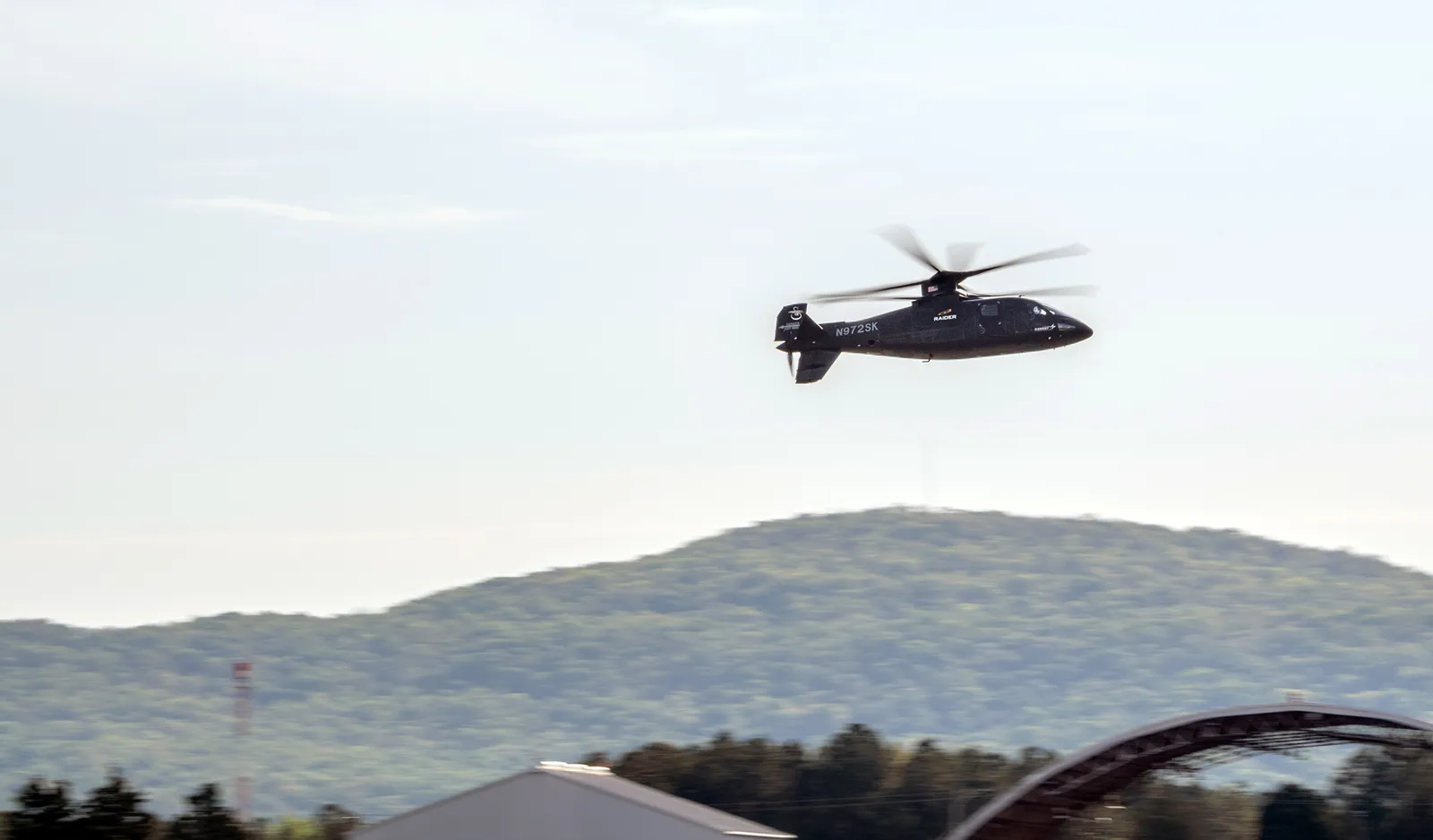
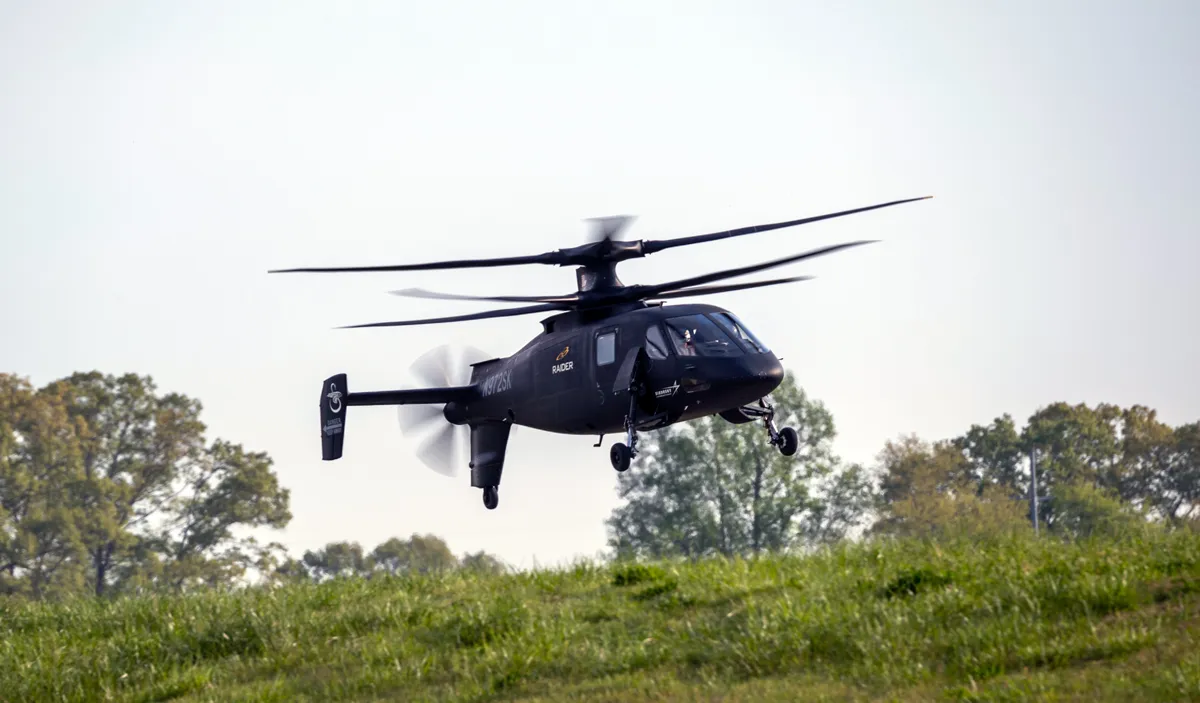
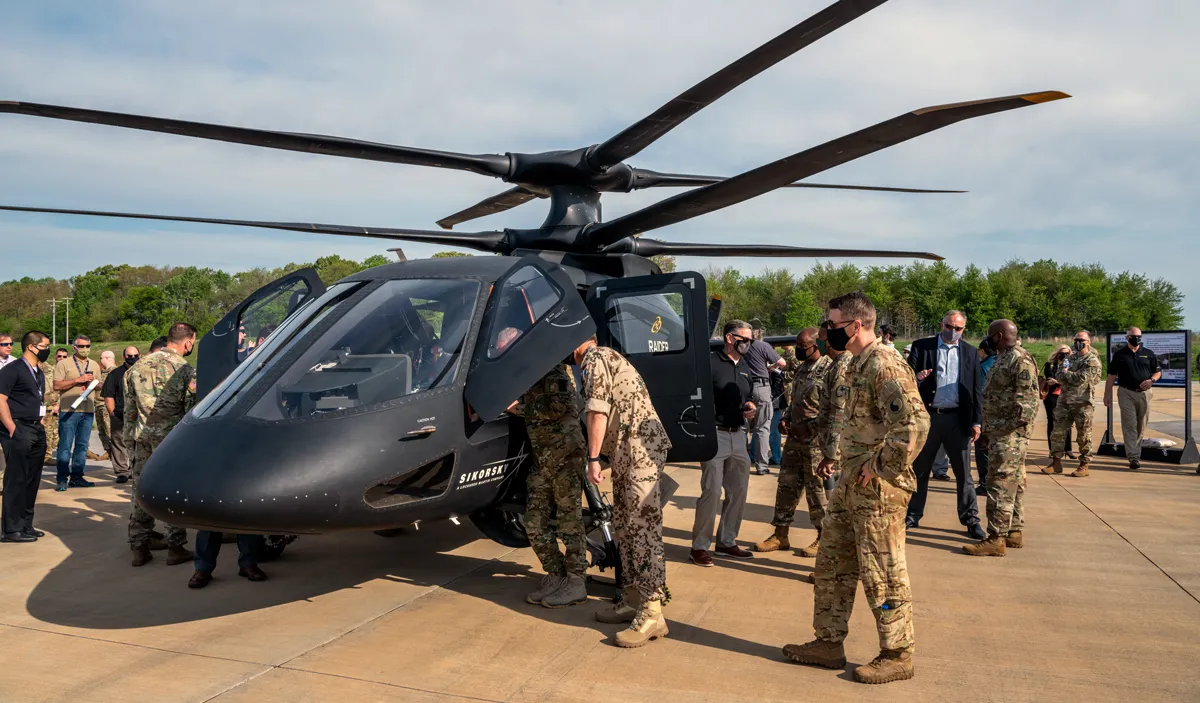
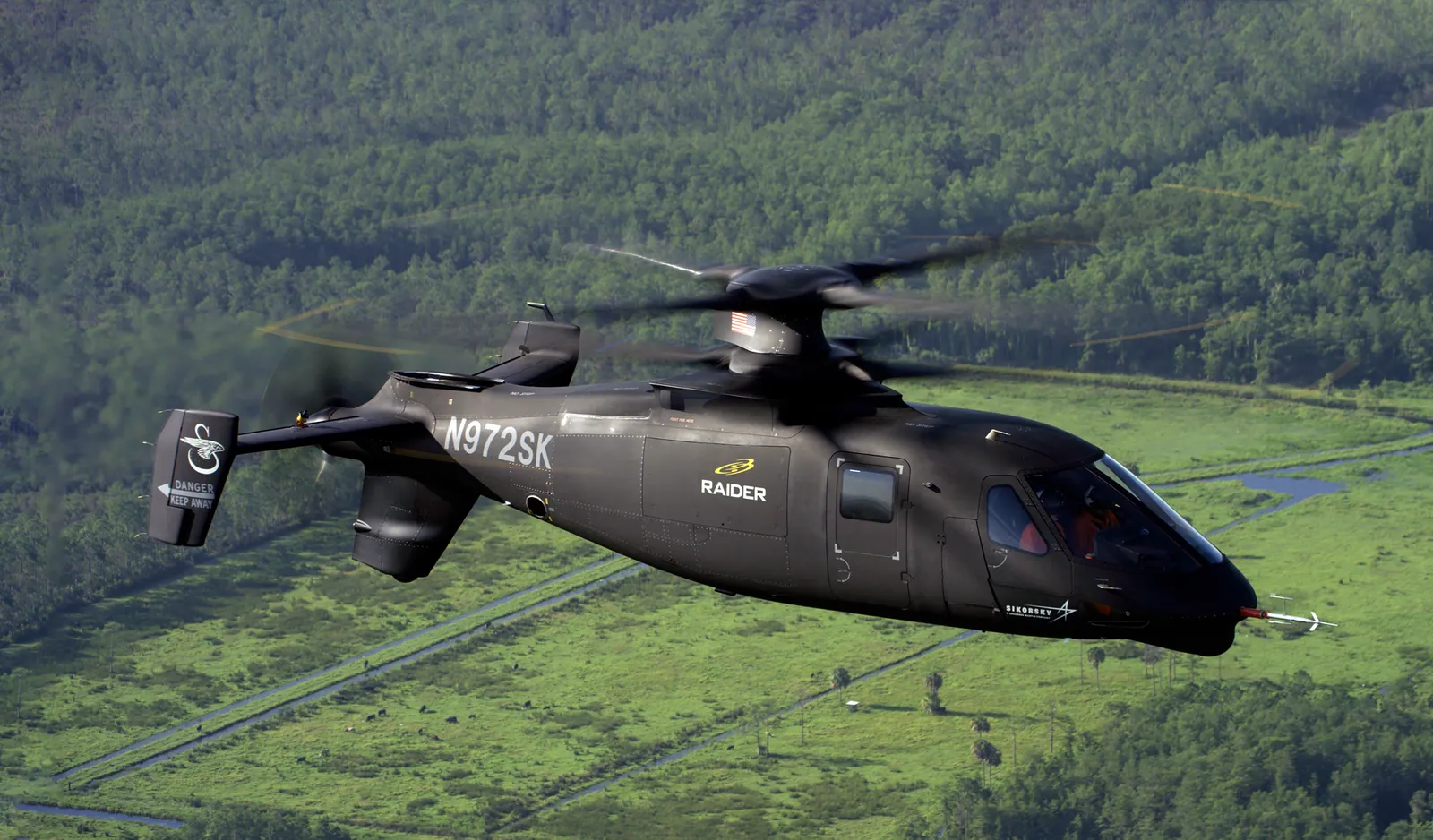
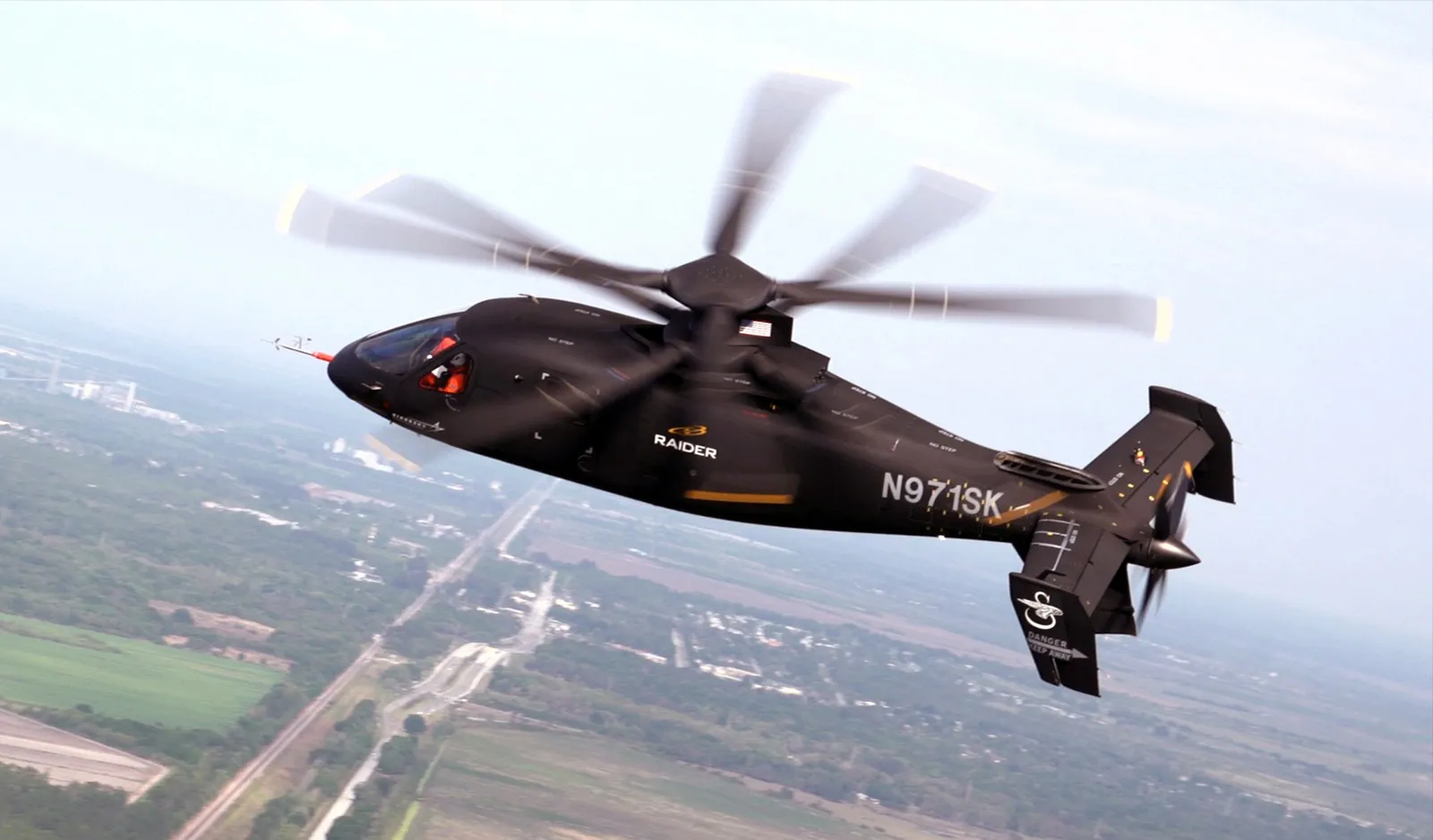
The Sikorsky S-97 Raider is a U.S. compound coaxial rotorcraft prototype developed by Sikorsky Aircraft Corporation to demonstrate X2 technology for armed reconnaissance, light assault, and special-operations concepts. It flew as an industry-funded test aircraft rather than an operational combat type, feeding risk-reduction work for Raider X before the U.S. Army ended the FARA program in 2024.

Role in Conflicts

Side
Unconfirmed conflict context

Exact model: Sikorsky S-97 Raider compound-coaxial prototype helicopter. It is a demonstrator/prototype and has no confirmed conflict use.

Profile / Specs

Profile

Origin
United States
Type
Light tactical helicopter prototype
Service note
2010s-present
Designer
Sikorsky Aircraft Corporation
Designed
2010
Produced
2014-2015
Developed from
Sikorsky X2 Technology demonstrator

Specifications

Crew
Two pilots
Troops
Six combat-equipped troops
Rotor system
Compound coaxial rotors with a pusher propeller
Controls
Fly-by-wire
Maximum gross weight
11,400 lb
Cruise speed
>220 knots
Range
>600 km
Endurance
>2.7 hours
Armament
Hellfire missiles; 2.75-inch rockets; .50-caliber gun; 7.62 mm gun
Design Notes

Lockheed Martin positions the Raider as a fast, compact armed-reconnaissance demonstrator rather than a conventional utility helicopter.

Rotor layout

Compound coaxial rotors with a pusher propeller, drawing on Sikorsky's X2 design line.

Crew and cabin

Two pilots with space for six combat-equipped troops or mission equipment.

Flight-test role

The aircraft exceeded 200 knots in testing and later flew Redstone demonstrations before Army officials and Soldiers.

The prototype status matters: these details describe design intent and flight-test evidence, not a fielded combat fleet.

Carried Weapons

Lockheed Martin lists the Raider with a compact attack-style weapons set for the prototype demonstrator.

Carried itemItem typeCarriage evidence
AGM-114 Hellfire missile family, Air-to-surface missile family, MunitionsAGM-114 Hellfire missile familyGuided anti-armor missile

Lockheed Martin lists Hellfire missiles among the Raider's documented armament options.

Sources: S-97 RAIDER Helicopter | Lockheed Martin

Hydra-70 rocket system, 2.75-inch air-launched rocket family, MunitionsHydra-70 rocket system70 mm rocket

Lockheed Martin lists 2.75-inch rockets among the Raider's documented armament options.

Sources: S-97 RAIDER Helicopter | Lockheed Martin

12.7 mm heavy machine gun, Belt-fed, crew-served heavy machine gun class, Infantry Weapons12.7 mm heavy machine gun.50-caliber gun class

Lockheed Martin lists a .50-caliber gun among the Raider's documented armament options without identifying a specific gun model.

Sources: S-97 RAIDER Helicopter | Lockheed Martin

7.62 mm machine gun, Belt-fed general-purpose / vehicle-mounted 7.62 mm machine gun class, Infantry Weapons7.62 mm machine gun7.62 mm gun class

Lockheed Martin lists a 7.62 mm gun among the Raider's documented armament options without identifying a specific gun model.

Sources: S-97 RAIDER Helicopter | Lockheed Martin

Timeline

S-97 Raider Key Events

  1. Unveiled to the public

    Lockheed Martin unveiled the first S-97 Raider prototype and described it as an armed aerial scout or light assault helicopter concept.

    Sources: Sikorsky Unveils S-97 RAIDER Helicopter | Lockheed Martin

  2. First flight

    The S-97 Raider completed its first flight at Sikorsky's Development Flight Center in West Palm Beach.

    Sources: Sikorsky S-97 RAIDER Helicopter Achieves Successful First Flight | Lockheed Martin

  3. Exceeds 200 knots

    Lockheed Martin said the Raider had exceeded 200 knots during flight testing while the company prepared its FARA proposal.

    Sources: Sikorsky S-97 Raider Exceeds 200 Knots as Company Prepares Proposal for U.S. Army's Future Attack Reconnaissance Aircraft | Lockheed Martin

  4. Sikorsky selected for FARA phase two

    The U.S. Army selected Sikorsky Aircraft Corp. and Bell to continue Future Attack Reconnaissance Aircraft competitive prototype work into phase two.

    Sources: Future Vertical Lift: Army selects Future Attack Reconnaissance Aircraft prototype performers

  5. Redstone demonstrations

    The S-97 flew two Redstone Arsenal demonstrations before Army officials and Soldiers; Lockheed Martin described it as risk reduction for Raider X.

    Sources: Sikorsky S-97 RAIDER Demonstrates Agility at the X During Future Vertical Lift Flight Demonstrations at Redstone Arsenal

  6. Army ends FARA development

    The U.S. Army announced that Future Attack and Reconnaissance Aircraft development would end after FY24 prototyping activities.

    Sources: Army announces Aviation Investment Rebalance

X2 And FARA Context

The S-97 sat between Sikorsky's earlier X2 technology work and the later Raider X proposal. Lockheed Martin described the Redstone flights as risk reduction for Raider X, while the Army's 2020 FARA selection placed Sikorsky in phase two alongside Bell. The Army then announced in February 2024 that FARA development would end after FY24 prototyping activities, leaving the Raider's catalog status as prototype and demonstrator rather than operational aircraft.

Media
Related Weapon Systems
Nomad, Rotor-blown-wing VTOL UAS family, Aircraft & UAVsAircraft & UAVsNomadRotor-blown-wing VTOL UAS familyThe Sikorsky Nomad is a U.S. family of twin-proprotor, rotor-blown-wing VTOL uncrewed aircraft developed by Sikorsky, a Lockheed Martin company, for runway-independent operations. Public sources reviewed through July 2026 show Nomad as a development and demonstration family using MATRIX autonomy, with intended reconnaissance, light attack, contested logistics, maritime, communications-relay, and civil-response missions rather than confirmed conflict fielding.
Sikorsky S-70UAS U-Hawk, Autonomous cargo utility helicopter UAS, Aircraft & UAVsAircraft & UAVsSikorsky S-70UAS U-HawkAutonomous cargo utility helicopter UASThe Sikorsky S-70UAS U-Hawk is a 2025 autonomous UH-60L Black Hawk conversion that removes the cockpit, adds clamshell doors and a rear ramp, and turns the helicopter into a cargo-first UAS. Sikorsky said it completed the redesign in 10 months and showed payload options ranging from palletized cargo to a HIMARS rocket pod and Naval Strike Missile loads; no direct conflict use or public first-flight confirmation was found in sources checked through July 4, 2026.
AAV Survivability Upgrade, Assault Amphibious Vehicle modernization package, Armored VehiclesArmored VehiclesAAV Survivability UpgradeAssault Amphibious Vehicle modernization packageThe AAV Survivability Upgrade was a U.S. Marine Corps program to keep legacy Assault Amphibious Vehicles relevant by adding buoyant armor, blast protection, automotive improvements, and mobility changes to existing hulls. SAIC was the major contractor for the upgrade effort, which moved from prototype work into low-rate production before testing and acquisition concerns were overtaken by the Corps' decision to focus resources on the Amphibious Combat Vehicle.
Turkish Aerospace Hürjet, Supersonic advanced jet trainer and light-attack aircraft, Aircraft & UAVsAircraft & UAVsTurkish Aerospace HürjetSupersonic advanced jet trainer and light-attack aircraftTurkish Aerospace Hürjet is Turkey's single-engine, tandem-seat supersonic advanced jet trainer and light-attack aircraft, developed under SSB coordination for indigenous jet-training capacity. The aircraft first flew in April 2023, is in serial-production and flight-test work for Turkish Air Force service, and now anchors Spain's Airbus-led SAETA II combat-training system while GE Aerospace supplies F404 propulsion support for the program.

Sources