- Side
- Indonesia

Indonesian Hawk aircraft were reported on bombing runs in East Timor during the occupation, with later 1999 reporting also describing Hawk flights over Dili.
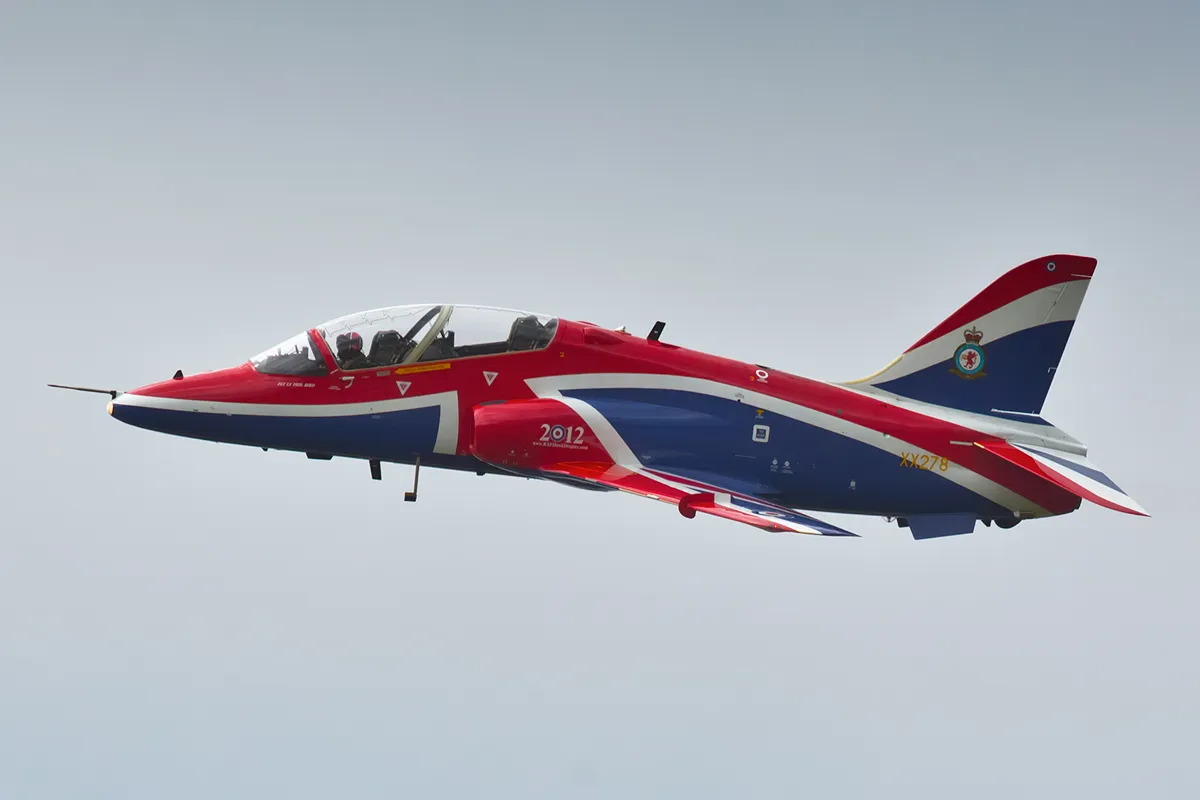
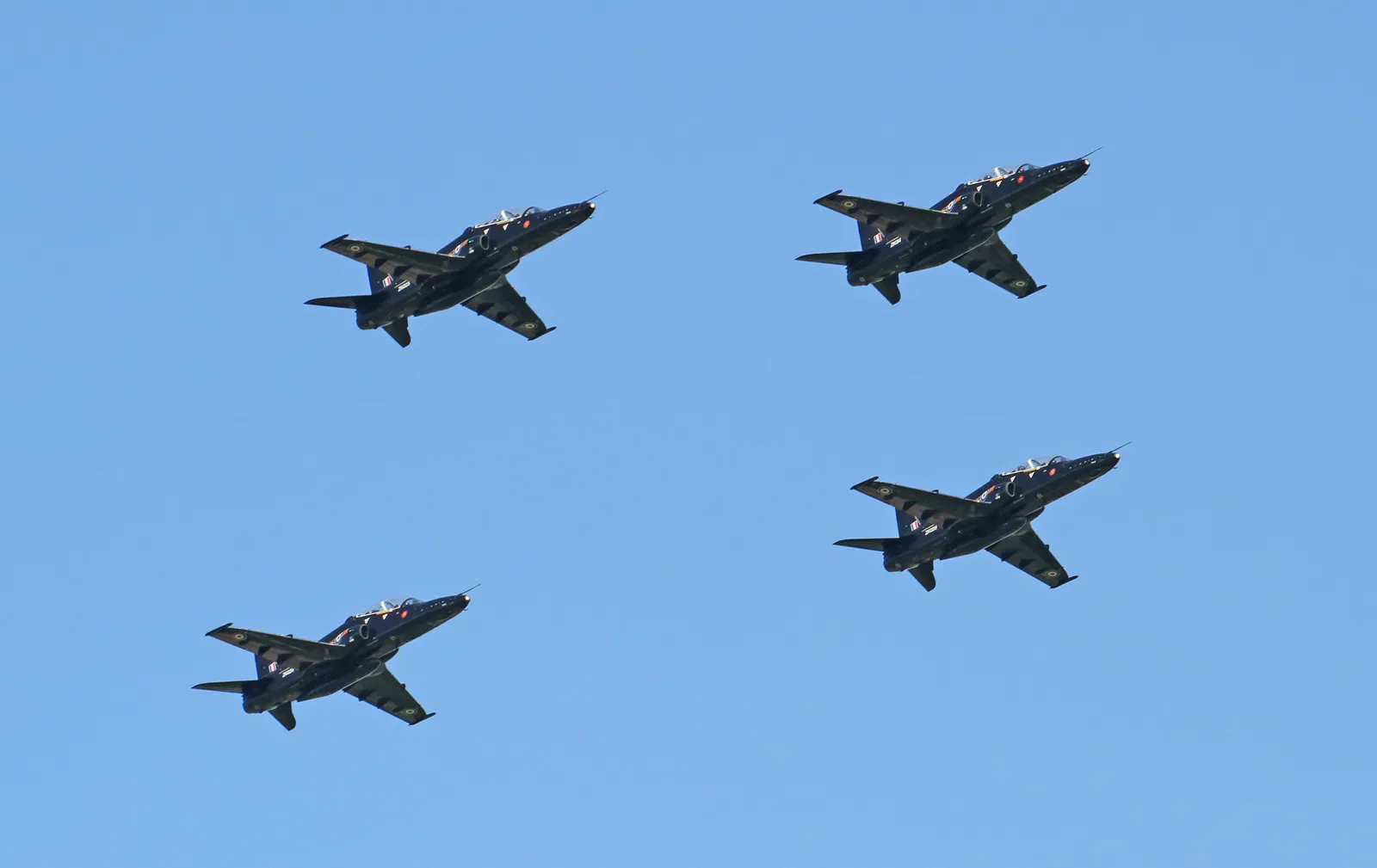
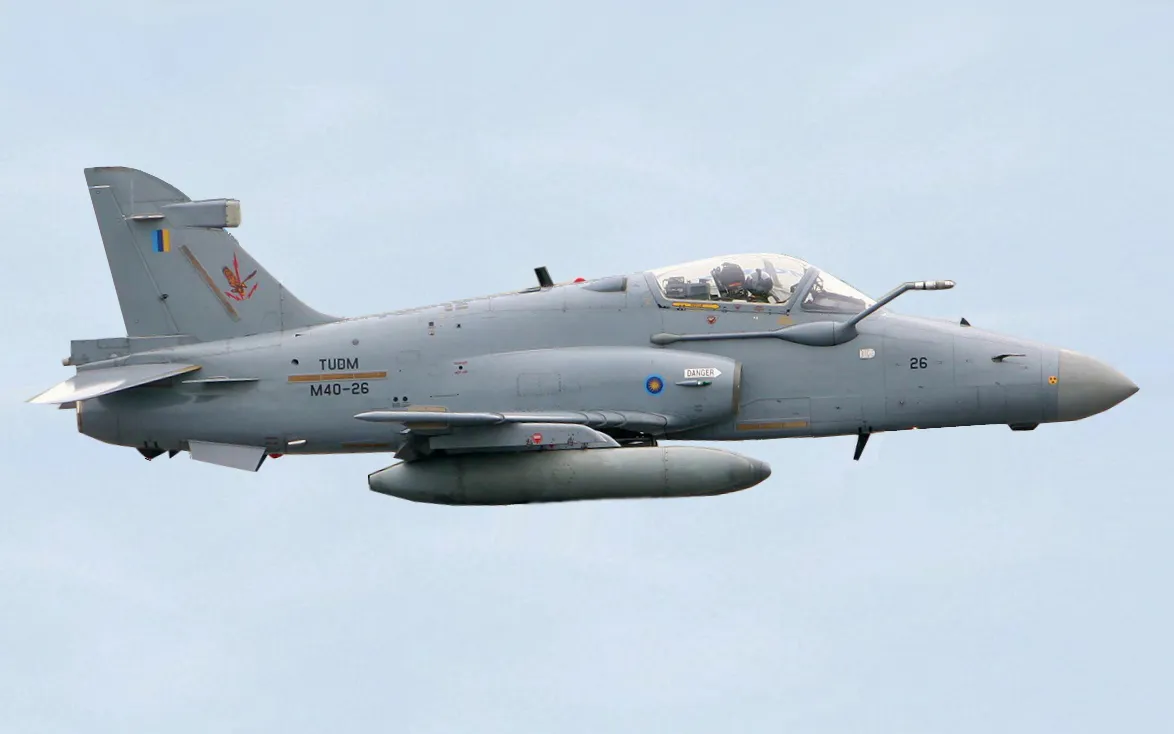
The BAE Hawk is a British single-engine advanced jet trainer family whose export variants also served as light-attack aircraft. BAE describes Hawk as its most successful military trainer, while conflict records document Indonesian, Zimbabwean, and Malaysian Hawks in strike or fire-support roles.
Indonesian Hawk aircraft were reported on bombing runs in East Timor during the occupation, with later 1999 reporting also describing Hawk flights over Dili.
Indonesian Air Force Hawks were reported in 2002 operations against Aceh insurgents during the separatist conflict.
Zimbabwe Air Force Hawks were deployed in the Second Congo War, supporting pro-government ground forces and interdiction missions against rebel-aligned forces.
Royal Malaysian Air Force Hawk fighters took part in the 5 March 2013 air attack on Kampung Tanduo at the opening of Operation Daulat.
Hawk designations mix RAF T-mark names, export Mk numbers, and customer-specific derivatives; the family spans the original T1 trainer, glass-cockpit lead-in fighter trainers, Indian Mk132 aircraft, and the U.S. Navy T-45 Goshawk derivative.
| Variant | Configuration | Designation notes |
|---|---|---|
| Hawk T1 | Original RAF advanced trainer | BAE says prototype XX154 first flew from Dunsfold on 21 August 1974, and RAF history places the Hawk in RAF training service from 1976. Sources: Hawk Advanced Jet Trainer - BAE Systems, Hawk T2 - Royal Air Force |
| Hawk T1A | RAF air-defense and weapons-training conversion | RAF background describes late-1970s Hawk modifications for AIM-9L air-defense training, while the T1 remained the Red Arrows aircraft. Sources: Hawk T2 - Royal Air Force |
| Hawk 127 | Australian lead-in fighter trainer | RAAF documentation describes the Hawk 127 as Australia's lead-in fighter aircraft, fitted with mission computers, HUD, datalink, radar and weapons simulation, and mission recording. Sources: Hawk 127 - Royal Australian Air Force, A27 – BAE Systems Hawk – pp518-521 |
| Hawk T2 / Mk128 | RAF Advanced Jet Trainer | RAF identifies the Hawk T2 as the Hawk 128, with a glass cockpit, synthetic radar, datalink, and sensor simulation for advanced fast-jet training. Sources: Hawk T2 - Royal Air Force |
| Hawk Mk132 | Indian Hawk AJT | BAE's India-focused Hawk material describes Mk132 orders that included fly-away aircraft and HAL licence-built production. Sources: Potential Hawk order to expand India footprint - BAE Systems |
| T-45 Goshawk | U.S. Navy carrier-capable derivative | NAVAIR describes the T-45A as the Navy version of the British Aerospace Hawk and identifies T-45A and T-45C derivatives in operational use. Sources: T-45 Goshawk - NAVAIR |
Hawk 127 documentation lists a 30 mm Aden cannon, and ADM says the cannon can be installed in a centreline gunpod.
| Carried item | Item type | Carriage evidence |
|---|---|---|
 | 30 mm aircraft cannon | The Hawk 127 armament table lists one 30 mm Aden cannon, and ADM says the cannon can be installed in a gunpod on the centreline station. Sources: A27 – BAE Systems Hawk – pp518-521, Maintenance upgrade ahead for Hawk 127 Lead in Fighter - ADM September 2013 |
| Carried item | Item type | Carriage evidence |
|---|---|---|
 | Captive training missile | The Hawk 127 armament table lists captive training AIM-9M Sidewinder missiles. Sources: A27 – BAE Systems Hawk – pp518-521 |
| Carried item | Item type | Carriage evidence |
|---|---|---|
 | Conventional bomb | The Hawk 127 armament table lists Mk.82 227kg (500lb) conventional bombs. Sources: A27 – BAE Systems Hawk – pp518-521 |
 | Laser-guided bomb | The Hawk 127 armament table lists GBU-12 laser guided bombs, which are Mk 82-class guided bomb configurations. Sources: A27 – BAE Systems Hawk – pp518-521 |
Hawk prototype XX154 made its first flight from Dunsfold, starting the family that would become a long-running export trainer.
Sources: Hawk Advanced Jet Trainer - BAE Systems
The Hawk entered Royal Air Force service in late 1976 and became the type associated with the Red Arrows and later advanced-training variants.
Sources: Hawk Advanced Jet Trainer - BAE Systems
Guardian reporting during the East Timor crisis said British-made Hawk jets had been seen over Dili and cited earlier observations of Hawk bombing runs during the occupation.
Sources: Keeping Indonesia at arm's length
The Guardian reported that British Hawk jets had been deployed by the Indonesian air force in Aceh and that Hawks had also been flown by Zimbabwe in the Congo war.
Sources: FO inquiry into use of Hawk jets by Jakarta
Bernama reported that Royal Malaysian Air Force Hawk fighters joined the aerial attack on Kampung Tanduo during Operation Daulat.
Sources: F/A-18 and Hawk fighters bomb Kg Tanduo - Malaysiakini
BAE described Hawk as its most successful military trainer, with a 650-aircraft global fleet in 16 countries and service continuing into the 2050s.
Sources: Hawk Advanced Jet Trainer - BAE Systems