Infantry Weapons

B-10 recoilless rifle

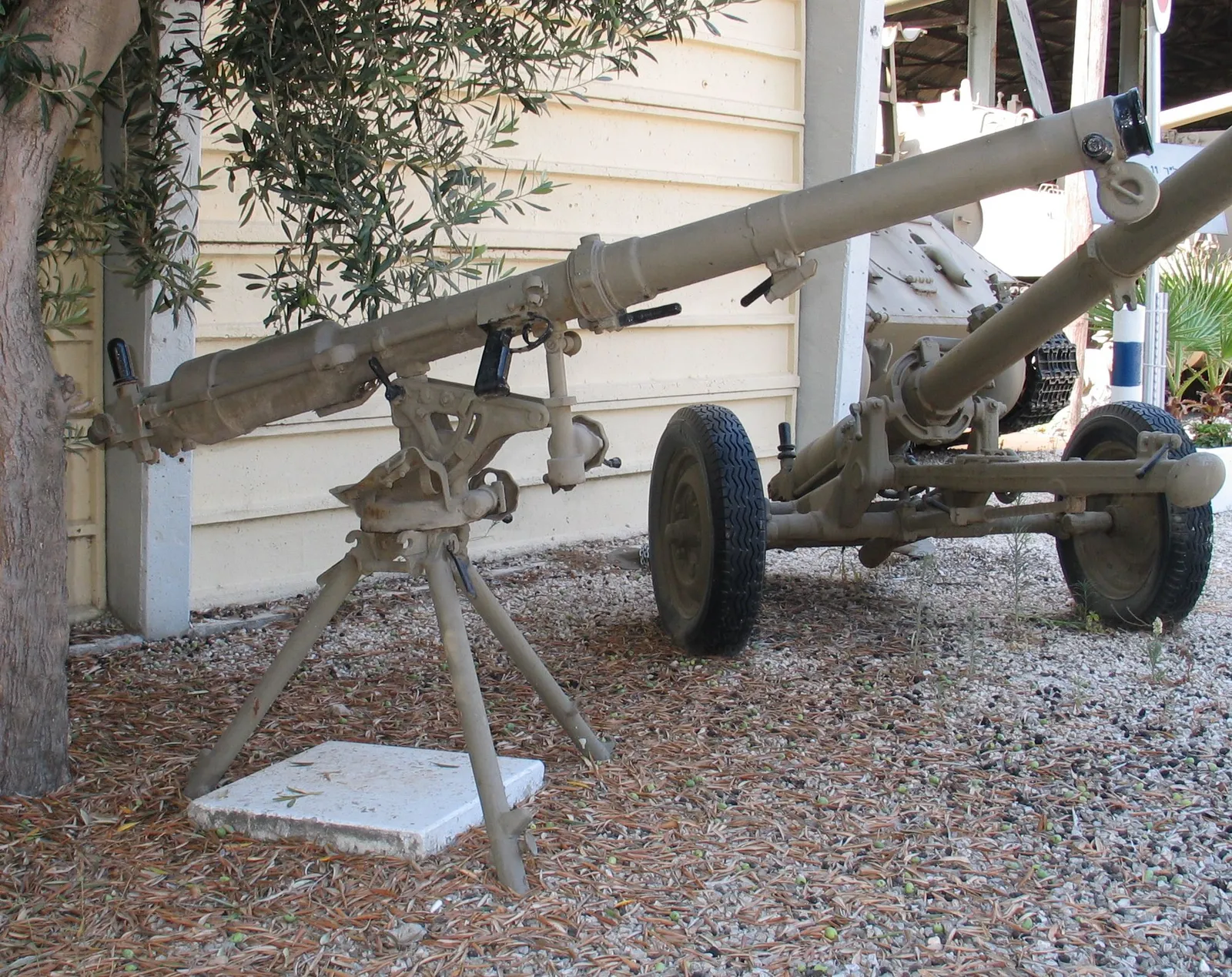
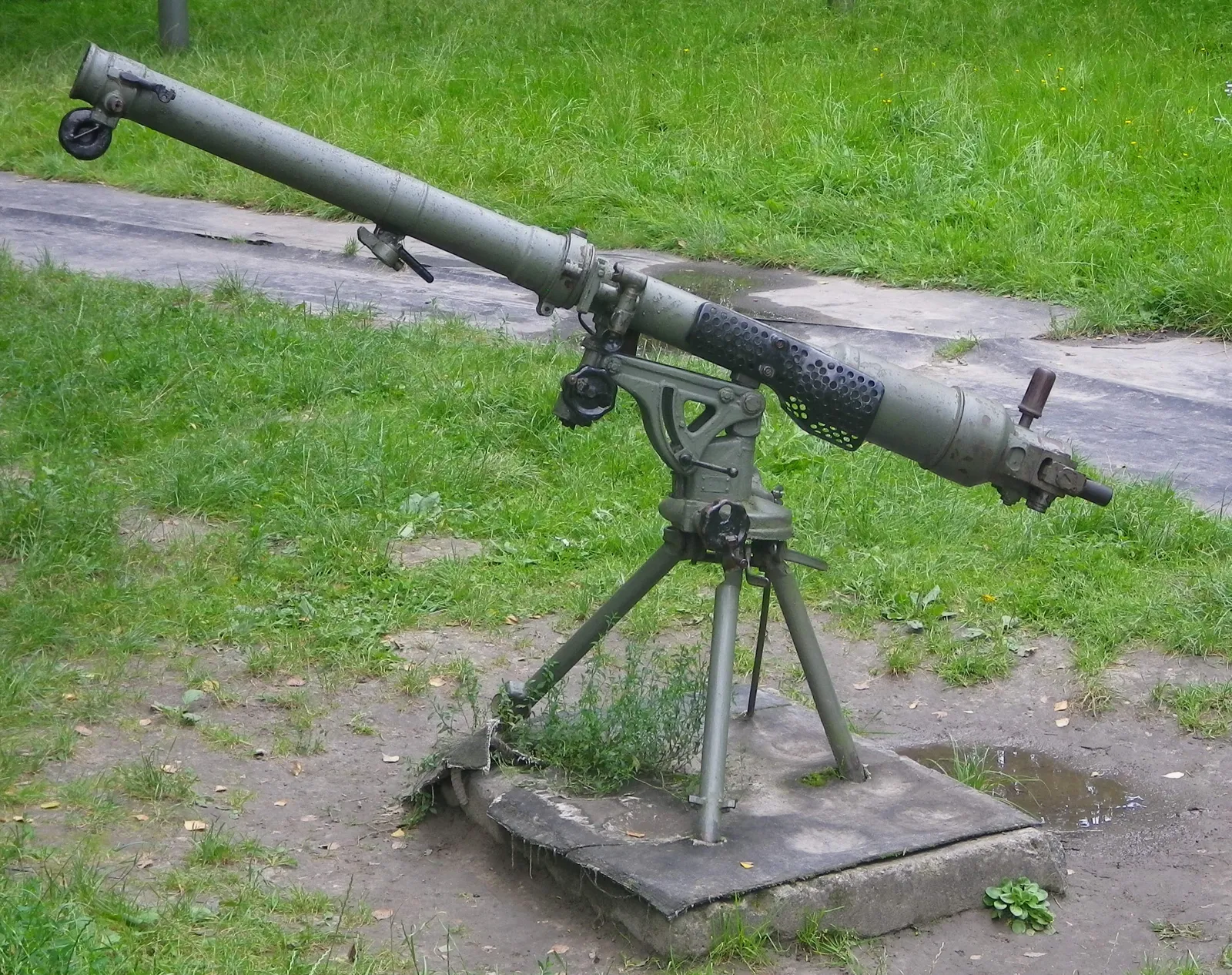
The B-10 recoilless rifle is a Soviet 82 mm smoothbore recoilless rifle introduced in 1954 and built around a wheeled, tripod-firing carriage. WeaponSystems.net identifies Chinese Type 65, Type 65-1, Type 78, and East German RG82 family copies, while Human Rights Watch and a 2024 UN report document Somali insurgent use decades after Soviet production ended.

Role in Conflicts

Role in conflict
Direct-fire anti-armor weapon

Human Rights Watch documented insurgent groups armed with B-10 recoilless rifles in Mogadishu, and a 2024 UN report later recorded al-Shabaab use of a B-10 High-Explosive Anti-Tank recoilless rifle in Baidoa.

Design Notes

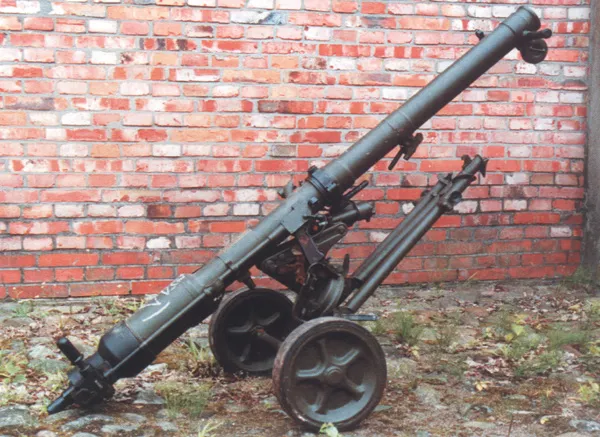
The B-10 was built as a light crew-served recoilless rifle: simple enough for field use, but heavy enough to need a carriage and a small gun team.

FactValue
Service entry1954 Soviet service
Production lineUSSR production ran to 1964; later copies came from foreign producers
MountingTwo-wheel carriage with tripod firing position
Crew2 to 4 operators
Family copiesType 65, Type 65-1, Type 78, and RG82
Profile / Specs

Profile

Origin
Soviet Union
Type
82 mm smoothbore recoilless rifle
Service note
Cold War design introduced in 1954; later copied by foreign producers
Designer
KBM Kolomna
Designed
Early 1950s
Produced
1954-1964 in the USSR; later foreign copies

Specifications

Caliber
82 mm
Crew
2 to 4
Weight
About 87.6 kg on the tripod with wheels attached; about 71.7 kg without wheels
Muzzle velocity
About 320 m/s
Effective range
About 400 m against armored targets
Maximum range
About 4,500 m with high-explosive ammunition
Carriage
Two-wheeled carriage with integrated tripod; can be towed and fired from the tripod
Variants
  • Type 65
  • Type 65-1
  • Type 78
  • RG82
Carrier Vehicles

WeaponSystems.net notes that the BTR-50 could carry three B-10 recoilless rifles and their crews.

CarrierCarrier typeCarriage evidence
BTR-50, Tracked amphibious armored personnel carrier, Armored VehiclesBTR-50Armored personnel carrier

WeaponSystems.net describes the BTR-50 as able to carry three 82 mm B-10 recoilless rifles, with three four-man crews.

Sources: BTR-50

Timeline

B-10 recoilless rifle Key Events

  1. Enters Soviet service

    WeaponSystems.net dates the B-10's Soviet service entry to 1954.

    Sources: 82mm B-10

  2. Original Soviet production ends

    WeaponSystems.net lists the Soviet production run as ending in 1964, after which foreign copies kept the family alive.

    Sources: 82mm B-10

  3. Small Arms Survey places B-10 in Somalia reporting

    Small Arms Survey notes that the B-10 was frequently listed in UN Somalia/Eritrea Monitoring Group reports.

    Sources: B-10 recoilless rifle

  4. UN report records al-Shabaab use in Baidoa

    UN Security Council report S/2024/748 documents al-Shabaab using a B-10 High-Explosive Anti-Tank recoilless rifle in Baidoa on 13 June 2024.

    Sources: S/2024/748

Copy Family

WeaponSystems.net identifies several B-10 copy designations that kept the pattern in service outside the USSR.

DesignationContext
Type 65Chinese copy of the B-10 pattern.
Type 65-1Chinese copy variant in the same family.
Type 78Chinese follow-on copy designation.
RG82East German family designation.
Media

B-10 recoilless rifle Images

Related Weapon Systems
Mortar bombs, 82 mm, 82 mm high-explosive mortar bomb, MunitionsMunitionsMortar bombs, 82 mm82 mm high-explosive mortar bombThis entry covers the 82 mm mortar-bomb caliber class rather than a single factory model. Sources document the class in insurgent and paramilitary materiel from Boko Haram-linked forces in the Lake Chad Basin, Islamic State stocks in Syria and Iraq, and RSF-associated PP87 mortar ammunition in Sudan, while manufacturer and ordnance references show that model-specific weight, filling, fuze, and range figures vary across O-832, PP87, HE, smoke, illumination, and extended-range families.

Sources