Air Defense

Albatros

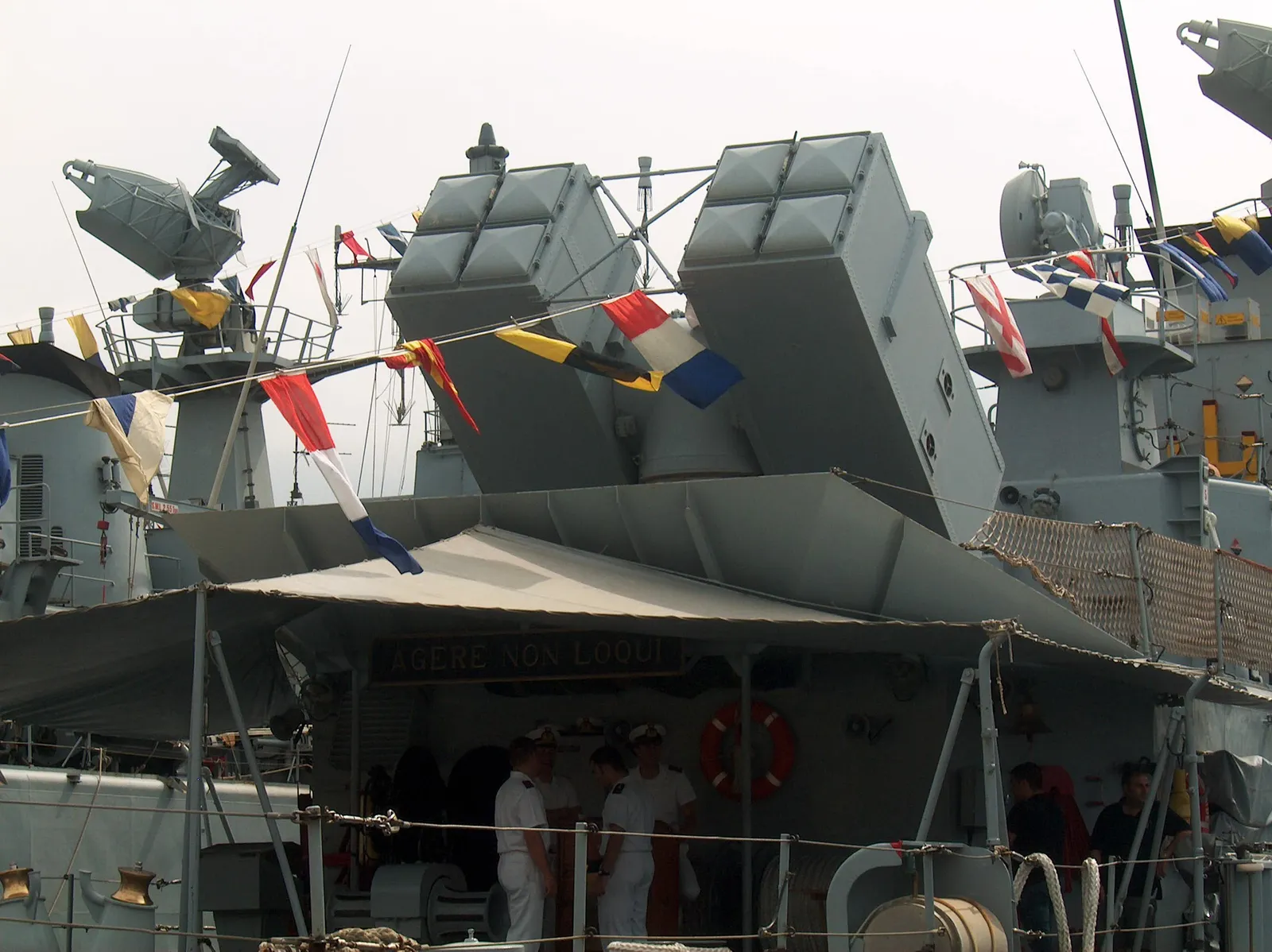
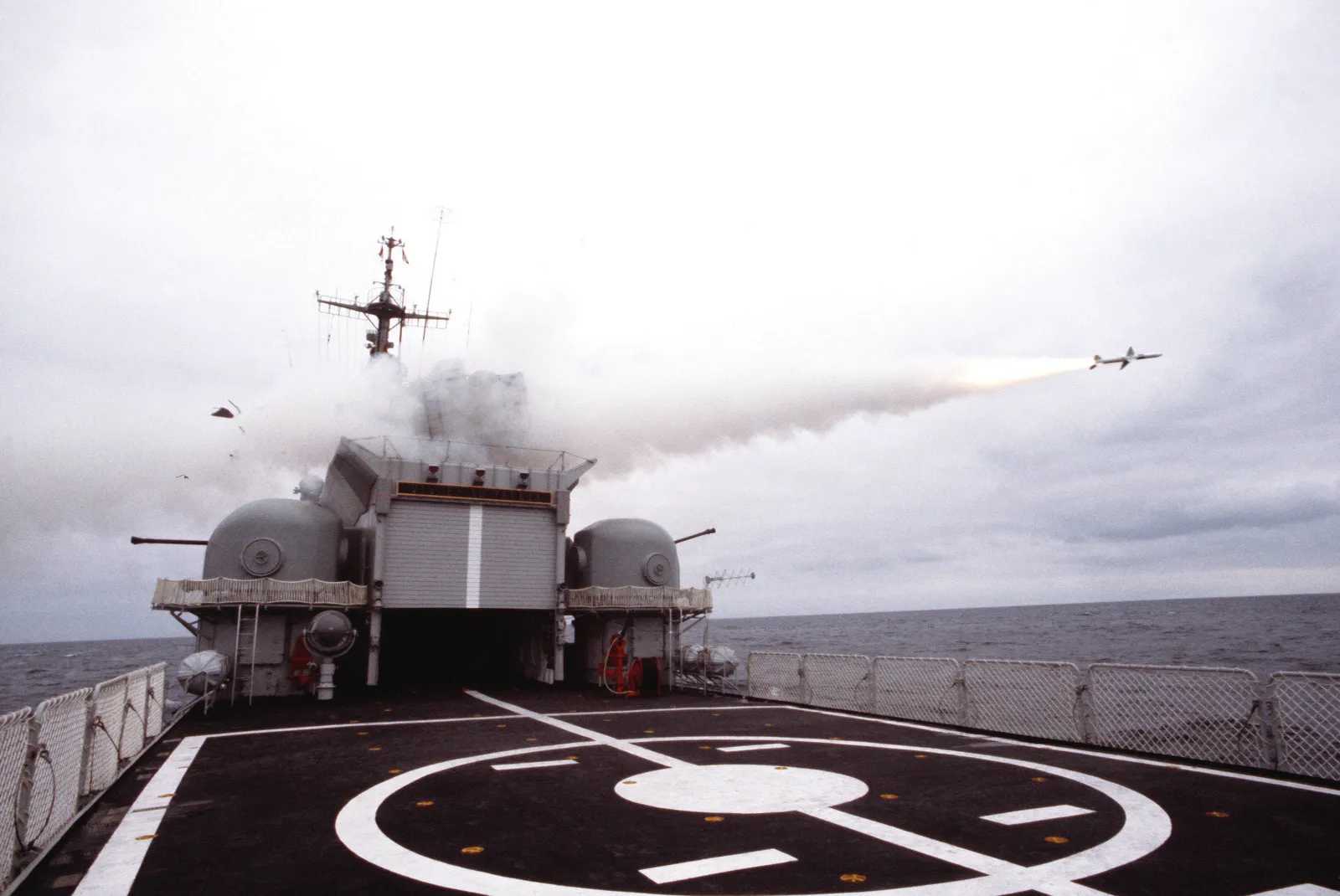
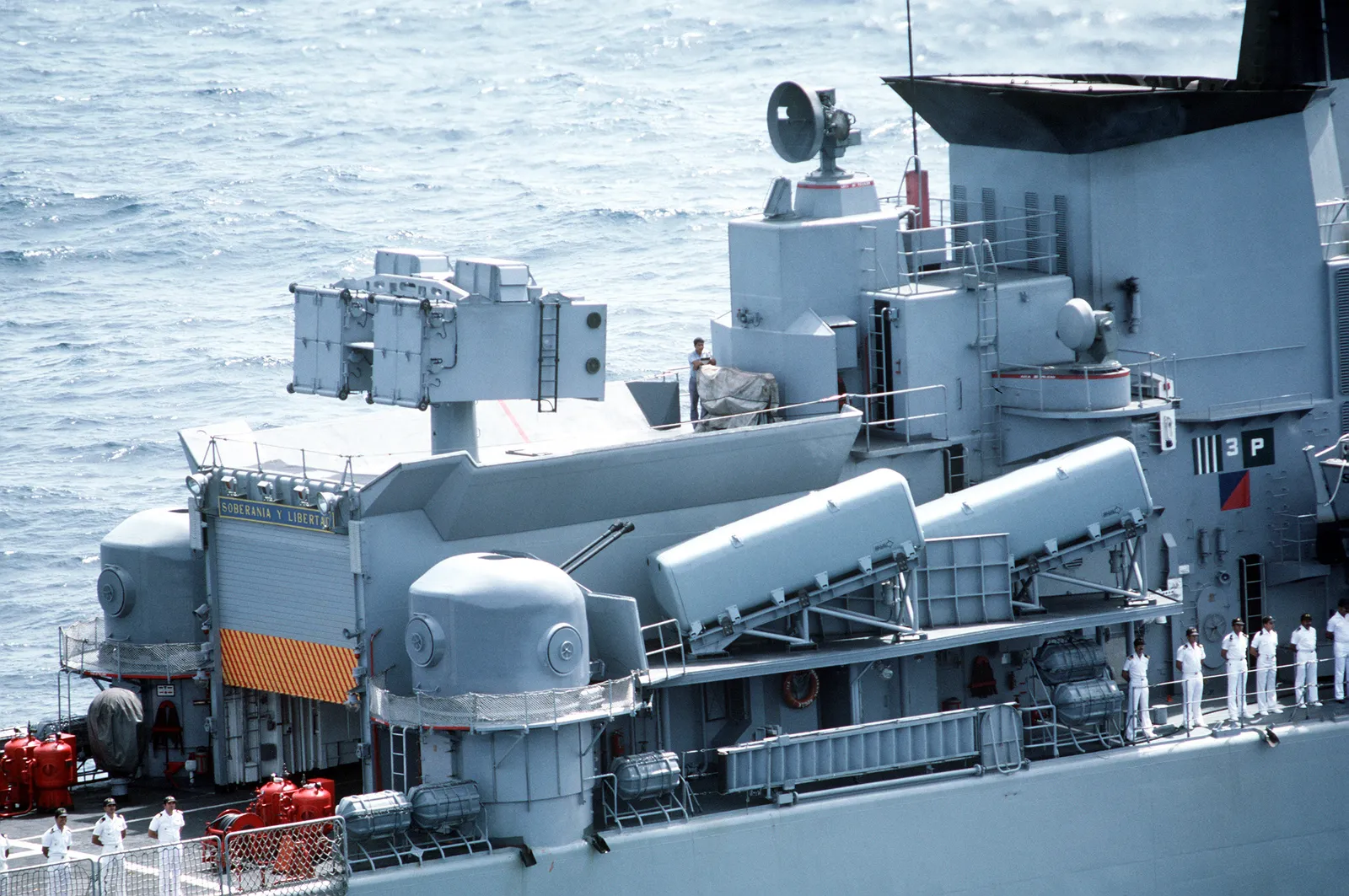
Albatros is an Italian naval surface-to-air missile system built around Aspide-family missiles for frigate and corvette point defense. Weaponsystems.net says the system entered service in 1977, used Mk 29 octuple launchers, and could be updated for Aspide 2000; MBDA later described Albatros as the legacy family behind Albatros NG.

Profile

Origin
Italy
Built by
AleniaMBDA Italy
Type
Naval surface-to-air missile system
Service note
Cold War-era naval point-defense system
Produced
Late 1970s onward
Developed into
Albatros NG

Specifications

Launcher type
Mk 29 octuple launcher; a smaller quadruple launcher was developed for corvettes
Missile family
Aspide / Aspide 2000
Service entry
1977
Ready-to-fire load
Four or eight missiles depending on launcher type
Range
15 km with Aspide; over 25 km with Aspide 2000
Reload stowage
Up to 16 additional missiles with the octuple launcher and reload system

Service And Conflict Use

Service History

In service
Entered service in 1977 and remained in naval service with Italian and export customers before Albatros NG inherited the legacy name.
Used by
Italian Navy, Argentine Navy, Venezuelan Navy

Launched Missiles

MBDA's Aspide compatibility note identifies the legacy Albatros family as the launcher context for Aspide-family missiles.

Launched itemItem typeLaunch evidence
AspideSurface-to-air missile

MBDA says ASPIDE 2000 is compatible with legacy ALBATROS/ASPIDE systems, confirming Albatros as the naval launcher family for Aspide missiles.

Sources: ASPIDE 2000

Albatros Images

Related Weapon Systems

S-75 Dvina / SA-2 Guideline, High-altitude surface-to-air missile system, Air DefenseAir DefenseS-75 Dvina / SA-2 GuidelineHigh-altitude surface-to-air missile systemThe S-75 Dvina, known to NATO as the SA-2 Guideline, is a Soviet command-guided, high-altitude surface-to-air missile system built around fixed or semi-mobile launch sites, acquisition radar, and Fan Song guidance radar. In the Yemen Civil War, Houthi-aligned forces are documented as having inherited SA-2/S-75 stocks and converting some surviving missiles into Qaher and Muhit strike missiles, while the operational status of intact SA-2 SAM batteries remains uncertain.

Sources