Aircraft & UAVs

YIHA-III

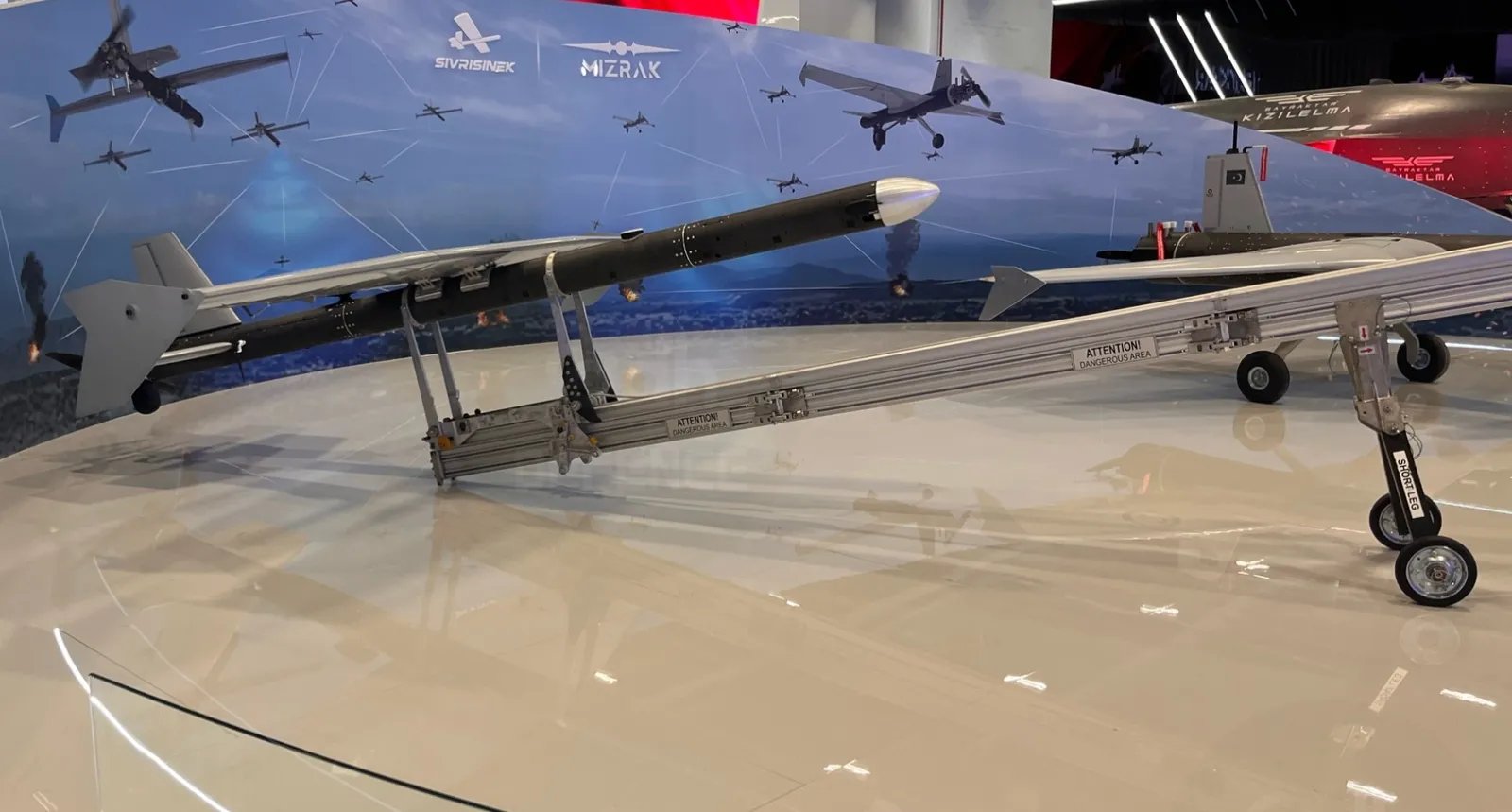
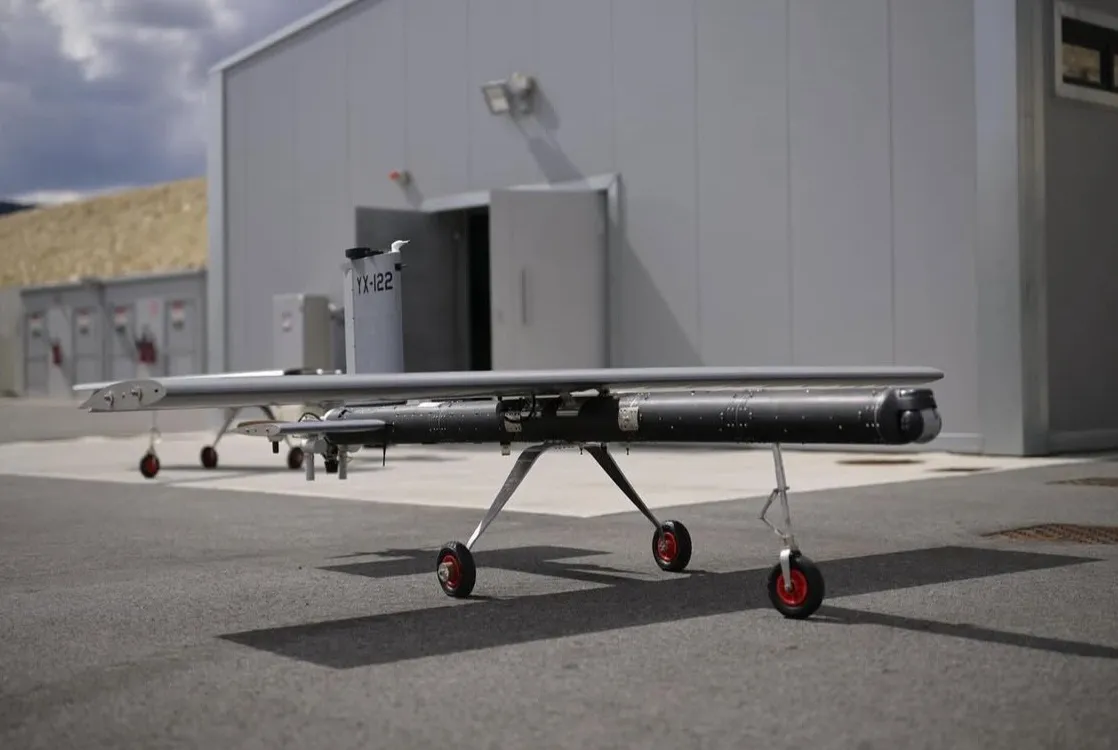
The YIHA-III is a Turkish-Pakistani one-way attack UAV associated with Baykar and Pakistan's National Aerospace Science and Technology Park. In the 2025 India-Pakistan Conflict, Reuters reporting and Indian defence officials linked the system to Pakistan's drone attacks, including Byker YIHA III kamikaze drones intercepted around Amritsar.

Conflict side
Pakistan
Built by
BaykarNational Aerospace Science and Technology Park
Built in
TurkeyPakistan

Profile

Type
One-way attack UAV / loitering munition
Conflict side
Pakistan
Origin
Turkey / Pakistan
Service note
Introduced publicly in the mid-2020s; documented in the 2025 India-Pakistan Conflict

Service History

In service
Reported in Pakistani service by 2025
Used by
Pakistan Armed Forces
Wars
2025 India-Pakistan Conflict

Specifications

Configuration
Tubular fuselage, pusher propeller, fixed wheeled undercarriage, and nose gimbaled camera
Launch method
Fixed landing gear supports runway operation; reporting also describes catapult launch compatibility
Guidance and sensors
Electro-optical sensor with operator target selection; reporting describes autonomous or human-controlled operation
Dimensions
About 2.5 m length and 3 m wingspan, according to secondary reporting
Weight
About 135 kg, according to secondary reporting
Range
Roughly 180-200 km, according to secondary reporting

Conflict Usage

2025 India-Pakistan Conflict
Side: PakistanRole: One-way attack drone and loitering munition strikesUAVstrikeprecision fires

Pakistan used YIHA-III/Byker YIHA III loitering munitions during the May 2025 drone exchanges; Indian defence officials said Army Air Defence guns destroyed Pakistan-launched examples over Amritsar on May 10.

YIHA-III Images

Related Weapon Systems

Shahpar-II, Medium-altitude long-endurance unmanned combat aerial vehicle, Aircraft & UAVsAircraft & UAVsShahpar-IIMedium-altitude long-endurance unmanned combat aerial vehicleShahpar-II is a Pakistani GIDS medium-altitude, long-endurance UCAV built for ISR and armed missions, with SATCOM-capable control, electro-optical or other payload options, and four wing hardpoints. In the 2025 India-Pakistan Conflict, Reuters reporting cited Pakistani sources saying Pakistan depended on Shahpar-II during the May 8 drone deployment, making it part of the conflict's UAV and counter-air-defense record.

Sources