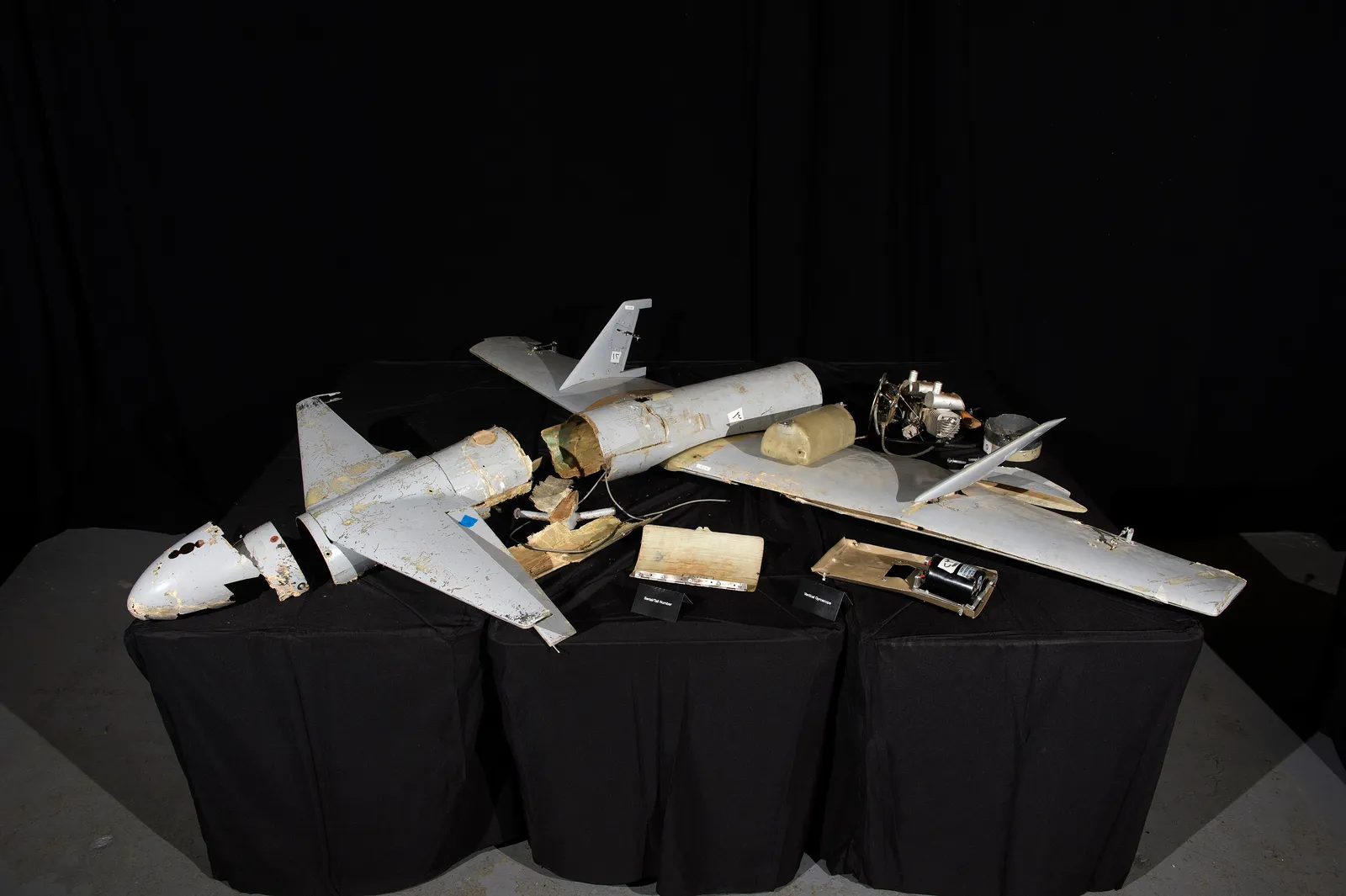

2014 Yemen Civil War: used by Houthi and Saleh-aligned forces to crash into Saudi-led coalition Patriot radar sets in Yemen, a low-cost method for degrading coalition missile defenses before follow-on salvos.
Role detailsAircraft & UAVs
Qasef-1 loitering munition / UAV
Also known as
- Striker-1
- Striker 1
- Qasef 1
- Qasef-1 UAV
The Qasef-1 is an Iranian-linked, Houthi-operated loitering munition/UAV in the Ababil-T or Ababil-II design family. Conflict Armament Research documented recovered and intercepted examples in Yemen, tied the type to attacks on Saudi-led coalition Patriot radar sets, and later distinguished imported production-line airframes from a hybrid example that suggested growing local assembly capacity.
Role in Conflicts
Profile / Specs
Profile
- Origin
- Iran
- Type
- Loitering munition / UAV
- Service note
- Late 2016-present
- Designer
- Iran Aircraft Manufacturing Industrial Company (HESA)
- Designed
- 2010s
- Produced
- 2010s
Specifications
- Length
- About 2.5 m
- Wingspan
- About 3 m
- Endurance
- About 120 minutes
- Guidance
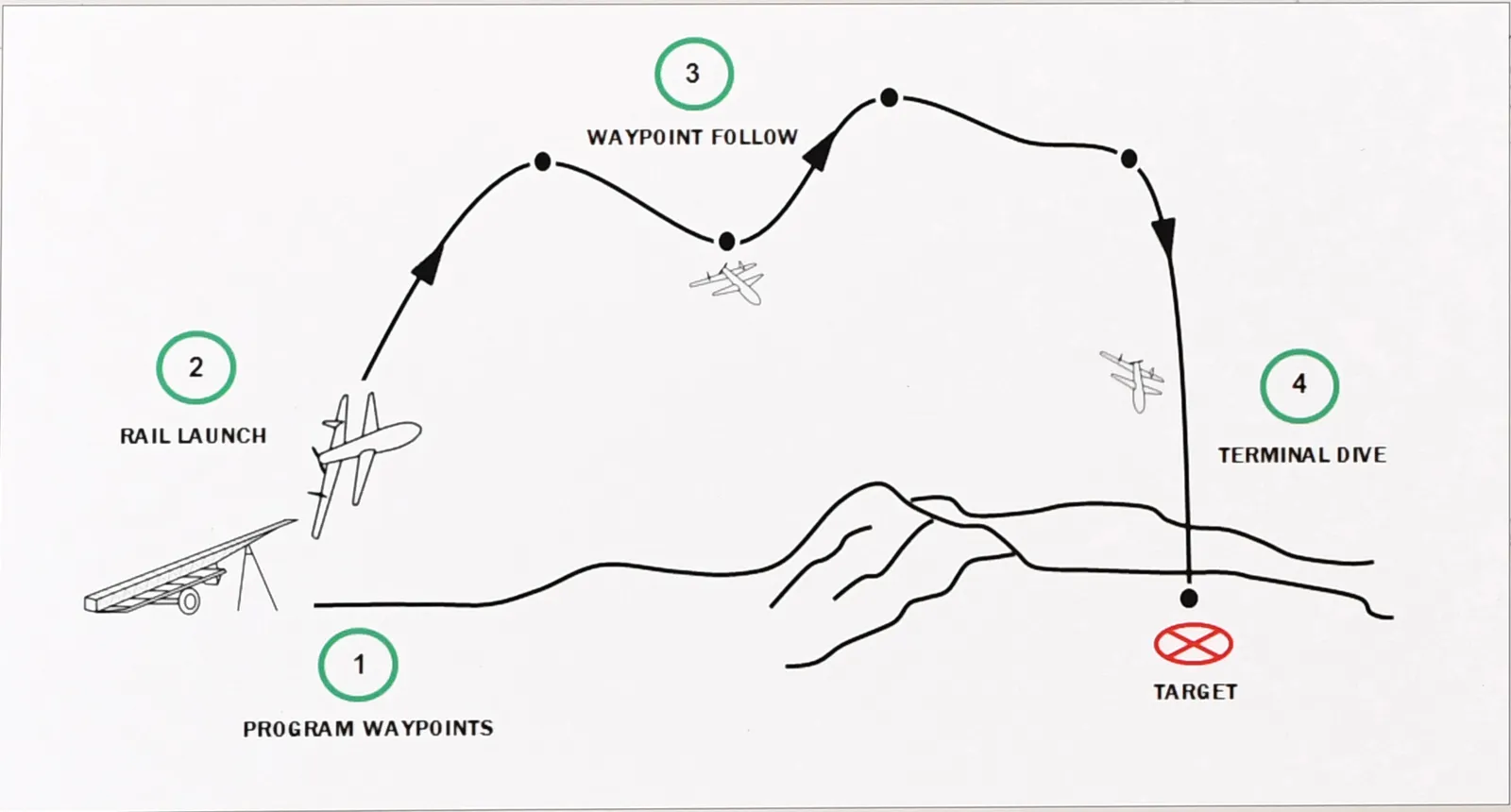
- GPS guidance with pre-programmed waypoints
- Range
- About 150 km
- Warhead
- About 30 kg high-explosive payload
- Airframe
- Ababil-II / Ababil-T family derivative
- Engine
- DLE-111 two-cylinder petrol model engine documented on recovered examples
- Notable components
- Model V10 vertical gyroscopes also documented in Iranian-manufactured Ababil-3 UAVs
Design And Recovery Notes
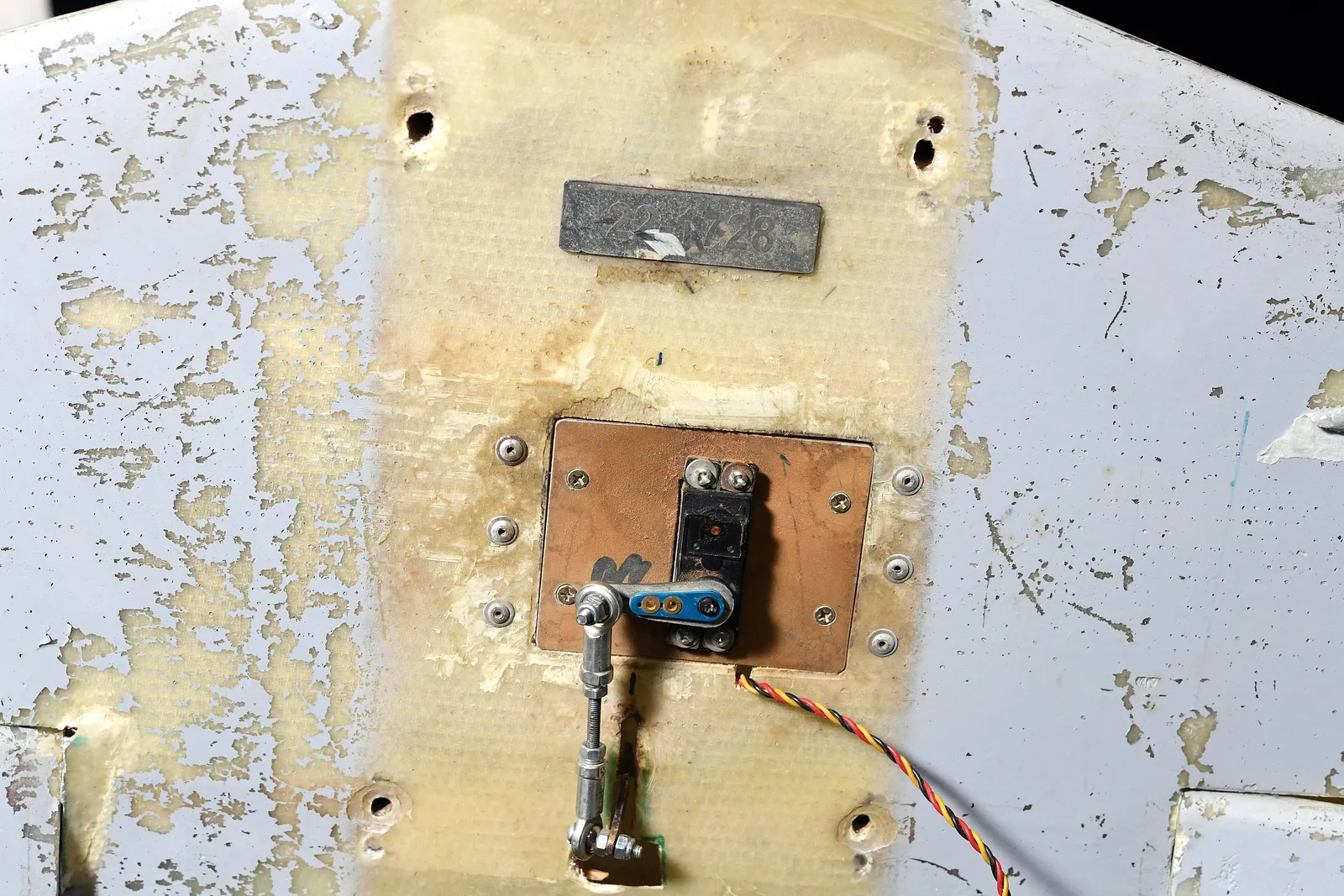
CAR and CSIS describe the Qasef-1 as an Iranian-linked attack UAV used in Yemen, with evidence from recovered airframes, serial markings, and component comparisons.
Airframe line
CAR places the Qasef-1 inside the Ababil-II family and says it appears to be an Iranian-designed variant of the Ababil-CH or Ababil-T.
Shared component
Model V10 vertical gyroscopes documented in Qasef-1 UAVs match the type CAR reported in Iranian-manufactured Ababil-3 UAV examples.
Attack method
UAE forces reported Qasef-1 UAVs being programmed with open-source GPS coordinates and crashed into Patriot radar arrays.
Recovery trail
CAR documented a crash-landed example near Aden in November 2016, six partially assembled UAVs intercepted in Marib later that month, and a hybrid airframe captured in 2018.
Variants
Open-source investigations treat Qasef-1 as the first Houthi combat UAV in a Qasef/Ababil-T line, with later reporting distinguishing production-line, hybrid, and Qasef-2K family members.
| Variant | Configuration | Designation notes |
|---|---|---|
| Production-line Qasef-1 | Imported or externally supplied first-generation airframe | CAR documented seven 2016-2017 Qasef-1 examples with production-line construction, matching serial logic, and internal components consistent with external supply to Houthi forces for assembly. Sources: Iranian Technology Transfers to Yemen, Evolution of UAVs Employed by Houthi Forces in Yemen |
| Hybrid Qasef-1 | Locally modified or locally produced frame | A July 2018 example documented by CAR retained many Qasef-1 internal components but used a more rudimentary frame, which CAR assessed may indicate domestic frame production. Sources: Evolution of UAVs Employed by Houthi Forces in Yemen |
 | Later Qasef family combat UAV | CSIS and USIP describe Qasef-2K as a later or improved Qasef family variant, while CAR cautioned that Qasef-1 and Qasef-2K are nearly identical in design. Sources: The Missile War in Yemen, Iran’s Drone Transfers to Proxies, Evolution of UAVs Employed by Houthi Forces in Yemen |
Timeline
Qasef-1 loitering munition / UAV Key Events
Crash-landed example recovered near Aden
CAR reported that Presidential Guard forces recovered a Qasef-1 after it crash-landed near Aden International Airport.
Sources: Iranian Technology Transfers to Yemen
Six partially assembled UAVs intercepted in Marib
CAR said UAE Presidential Guard forces intercepted a truck carrying six partially assembled Qasef-1 UAVs in Marib Governorate.
Sources: Iranian Technology Transfers to Yemen
Houthis display the type publicly
CAR noted that Houthi forces displayed four UAVs on 26 February 2017, including the Qasef-1 they identified as matching the recovered examples.
Sources: Iranian Technology Transfers to Yemen
Media
Qasef-1 loitering munition / UAV Videos
Qasef-1 loitering munition / UAV Images
Related Weapon Systems


Sources
Iranian Technology Transfers to YemenPublisher: Conflict Armament Research | Note: 2014 Yemen Civil War: used by Houthi-Saleh forces against Saudi-led coalition Patriot radar sets; also supports Iran/HESA origin and Ababil-family attribution. | Accessed: 2026-07-04Evolution of UAVs Employed by Houthi Forces in YemenPublisher: Conflict Armament Research | Note: 2014 Yemen Civil War: supports Qasef-1 use by Houthi forces against coalition Patriot systems, production-line versus hybrid Qasef-1 distinctions, Qasef-2K similarity, and component evidence from recovered UAVs in Yemen. | Accessed: 2026-07-04The Missile War in YemenPublisher: Center for Strategic and International Studies | Note: Supports Qasef-1 dimensions, endurance, GPS guidance, payload estimate, the Qasef-2K follow-on variant, and general background on the Houthi drone campaign in Yemen. | Accessed: 2026-07-04Iran’s Drone Transfers to ProxiesPublisher: USIP Iran Primer | Note: Supports Houthi Qasef-1/Qasef-2K family context, Ababil-T similarity, and the July 2019 public appearance of Qasef-2K. | Accessed: 2026-07-04DoD Shows Iranian Weapons as Proof of Tehran’s Duplicitous AmbitionsPublisher: Defense Visual Information Distribution Service | Note: 2014 Yemen Civil War: used by Houthi forces as a one-way attack drone and recovered by Saudi Arabia after field use. | Accessed: 2026-07-04Qasef-1.jpgPublisher: Wikimedia Commons / U.S. Department of Defense | Note: Public-domain DoD image showing a recovered Qasef-1 from Yemen. | Accessed: 2026-07-04Qasef-1 composition.jpgPublisher: Wikimedia Commons / U.S. Department of Defense | Note: Public-domain DoD image showing a Qasef-1 component on display after recovery from Yemen. | Accessed: 2026-07-04Qasef-1 flight path.jpgPublisher: Wikimedia Commons / U.S. Department of Defense | Note: Public-domain DoD image showing the Qasef-1 information display used for identification and provenance context. | Accessed: 2026-07-04