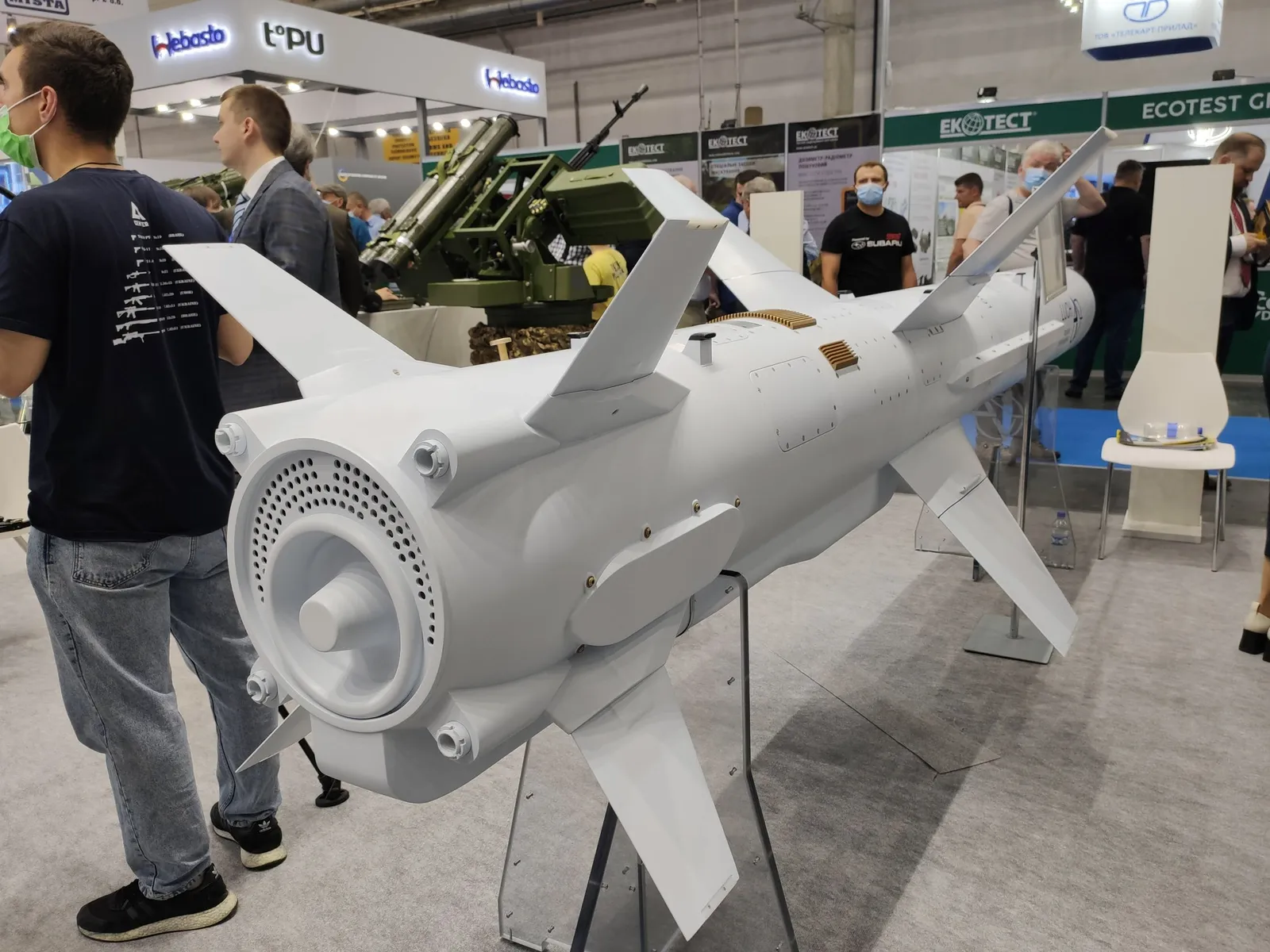
Direct proof of use
The R-37M is directly documented in the full-scale phase of the 2014 Russia-Ukraine War as a Russian air-to-air missile used from combat air patrols. CNA reported that, from September 2022, Russian combat air patrols significantly increased the range at which they could take missile shots against Ukrainian aircraft because MiG-31BM interceptors and modified Su-35S fighters were using large numbers of R-37M missiles.
CNA's account is supported by physical-evidence context: the study cites author inspection and disassembly of two R-37M missiles recently fired into Ukraine by the Russian Aerospace Forces in October 2022. RUSI's November 2022 air-war report separately described Russian fighters as an enduring threat to Ukrainian aircraft near the front lines, especially MiG-31BM interceptors using R-37 very-long-range missiles.
A later RUSI air-power assessment described regular R-37M firing by Russian Su-35s, Su-30s, and MiG-31s during the war, while cautioning that those firings had produced only a handful of air-to-air kills over four years of conflict.
Sources: CNA Russian Combat Air, RUSI Russian Air War, RUSI Air Power Threats
Dated milestones
The clearest dated milestone is September 2022, when CNA says the R-37M began to change the range at which Russian combat air patrols could take valid missile shots. The same study ties that change to MiG-31BM interceptors and modified Su-35S fighters using large numbers of R-37M missiles.
By November 2022, RUSI was describing the MiG-31BM and its R-37 very-long-range missile as one of the most problematic Russian fighter threats for Ukrainian aircraft near the front line. In January 2026, RUSI reassessed the pattern as regular R-37M firing from Su-35, Su-30, and MiG-31 aircraft across four years of war.
Sources: CNA Russian Combat Air, RUSI Russian Air War, RUSI Air Power Threats
Operational role
The R-37M appears in Ukraine as a Russian standoff counter-air weapon rather than as a ground-attack munition. Russian fighter patrols generally operated from their own side of the front after Ukrainian mobile surface-to-air missile systems made higher-altitude penetration of Ukrainian-controlled airspace hazardous. From those positions, R-37M-armed aircraft could threaten Ukrainian fighters, ground-attack aircraft, helicopters, and Bayraktar TB2 sorties near the front.
The documented launch platforms broadened over time. CNA's 2023 study names MiG-31BM interceptors and modified Su-35S fighters for the September 2022 increase in R-37M use. RUSI's 2026 assessment later grouped Su-35s, Su-30s, and MiG-31s as Russian aircraft regularly firing R-37M missiles in the war.
The public record supports Russian use and battlefield effect as a deterrent and long-range air-defense threat, but it does not support a complete expenditure count or a source-independent list of aircraft destroyed by R-37M. RUSI specifically cautions that regular firing against Ukrainian aircraft produced only a handful of confirmed air-to-air kills over four years.
Sources: CNA Russian Combat Air, RUSI Russian Air War, RUSI Air Power Threats