Direct proof of use
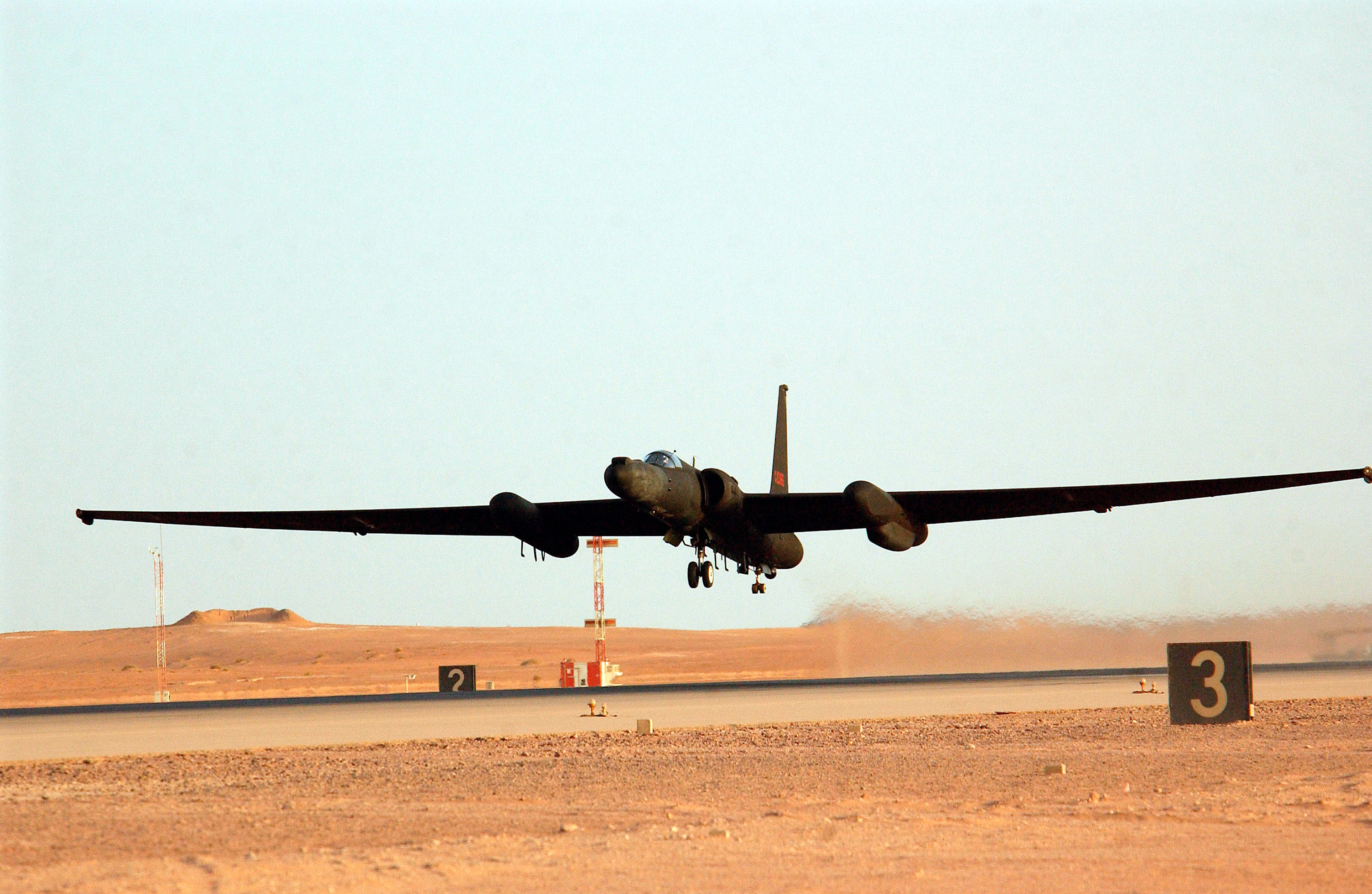
U-2 Dragon Lady use in the 2003 Iraq War is directly documented by U.S. Air Force reporting and imagery from Operation Iraqi Freedom. An Air Force photo caption dated April 11, 2003 identifies Lt. Col. Walter Flint, a U-2 commander deployed from the 99th Reconnaissance Squadron to the 363rd Expeditionary Reconnaissance Squadron, taking off for a mission from a forward deployed location in Southwest Asia.
The same Air Force caption states that the U-2 provided near-real-time imagery and signals intelligence to warfighters and national authorities in support of Operation Iraqi Freedom. A separate April 17, 2003 Air Force article reported that a U-2 airborne over Iraq on an unrelated reconnaissance mission helped Marines recover seven U.S. Army prisoners of war north of Samarrah by relaying communications and checking for Iraqi air-defense or ground-force threats.
Sources: USAF Dragon Lady Takes Flight, USAF U-2 POW Recovery
Operational scale
Smithsonian's Air & Space history describes the March 2003 Iraq invasion as the U-2's largest deployment to that point, with at least 15 jets, 31 pilots, and 169 missions. It says U-2 pilots were flying every three to four days on missions averaging 10 to 11 hours.
Public reporting does not identify every sensor load or target set for those sorties. The official Air Force mission description and the April 2003 Operation Iraqi Freedom examples support a reconnaissance, surveillance, communications-relay, imagery-intelligence, and signals-intelligence role rather than a strike role.
Sources: Diary of a Spy, USAF U-2 Fact Sheet, USAF Dragon Lady Takes Flight, USAF U-2 POW Recovery
Campaign role
The documented operator was the U.S. Air Force on the United States and coalition side of the war. The April 2003 Air Force material places 99th Reconnaissance Squadron U-2 personnel under the 363rd Expeditionary Reconnaissance Squadron for Operation Iraqi Freedom missions from Southwest Asia, while the POW-recovery article says the aircraft involved was deployed to the 380th Air Expeditionary Wing in the Arabian Gulf region.
In practice, the aircraft's Iraq role combined broad-area high-altitude collection with time-sensitive support to forces already operating on the ground. The Samarrah recovery account shows the U-2 being retasked while airborne: the pilot communicated with Marines and the Combined Air Operations Center, used the aircraft's altitude for radio relay, and gathered information used to reduce risk to the Marine helicopters that recovered the POWs.
Sources: USAF Dragon Lady Takes Flight, USAF U-2 POW Recovery, USAF U-2 Fact Sheet