- Side
- United States and South Vietnam


During the 1955 Vietnam War, CIA and U.S. Air Force U-2s flew over Cambodia, Laos, North Vietnam, and South Vietnam to detect Viet Cong forces and collect reconnaissance as Southeast Asia operations expanded.
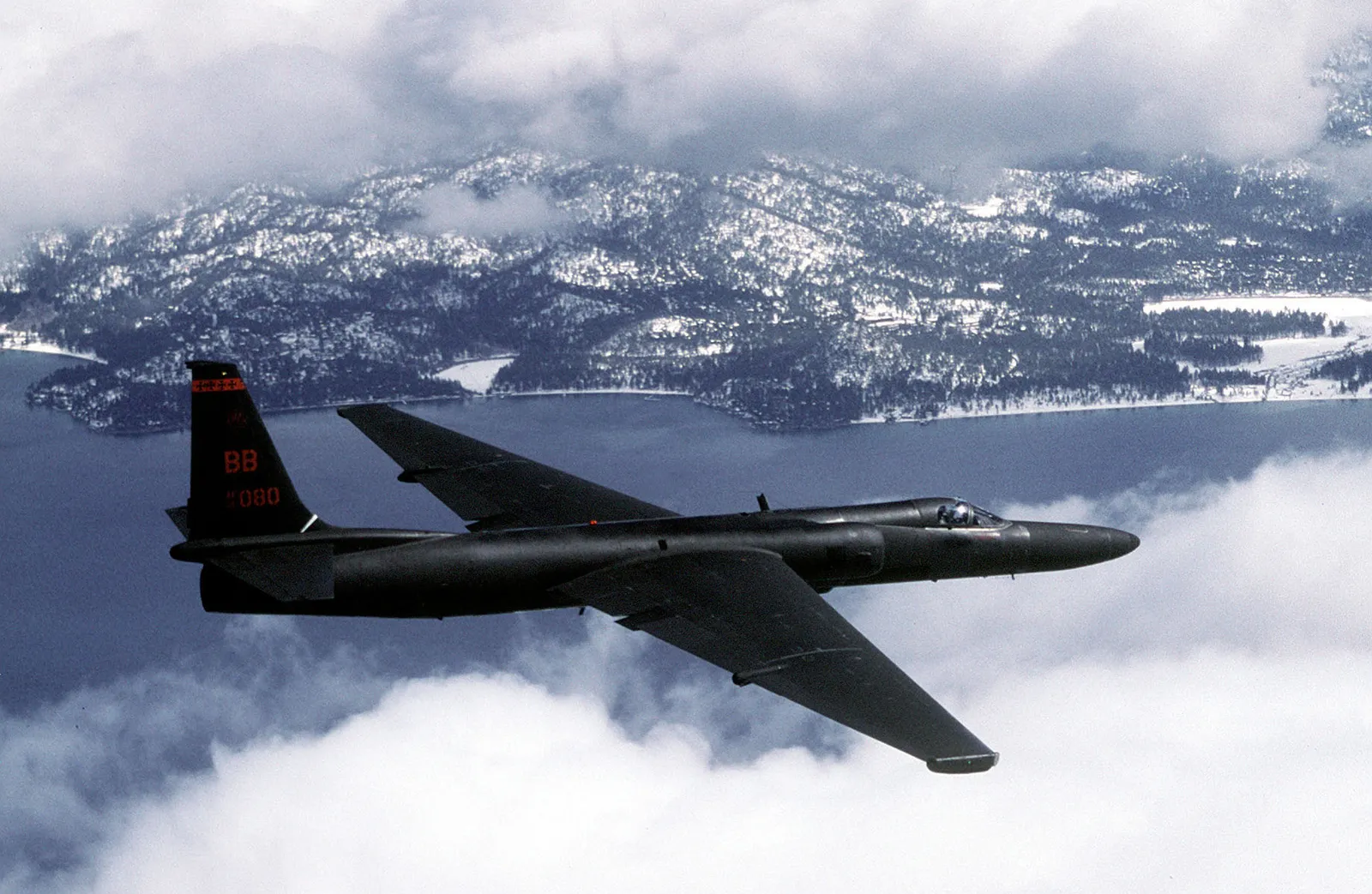
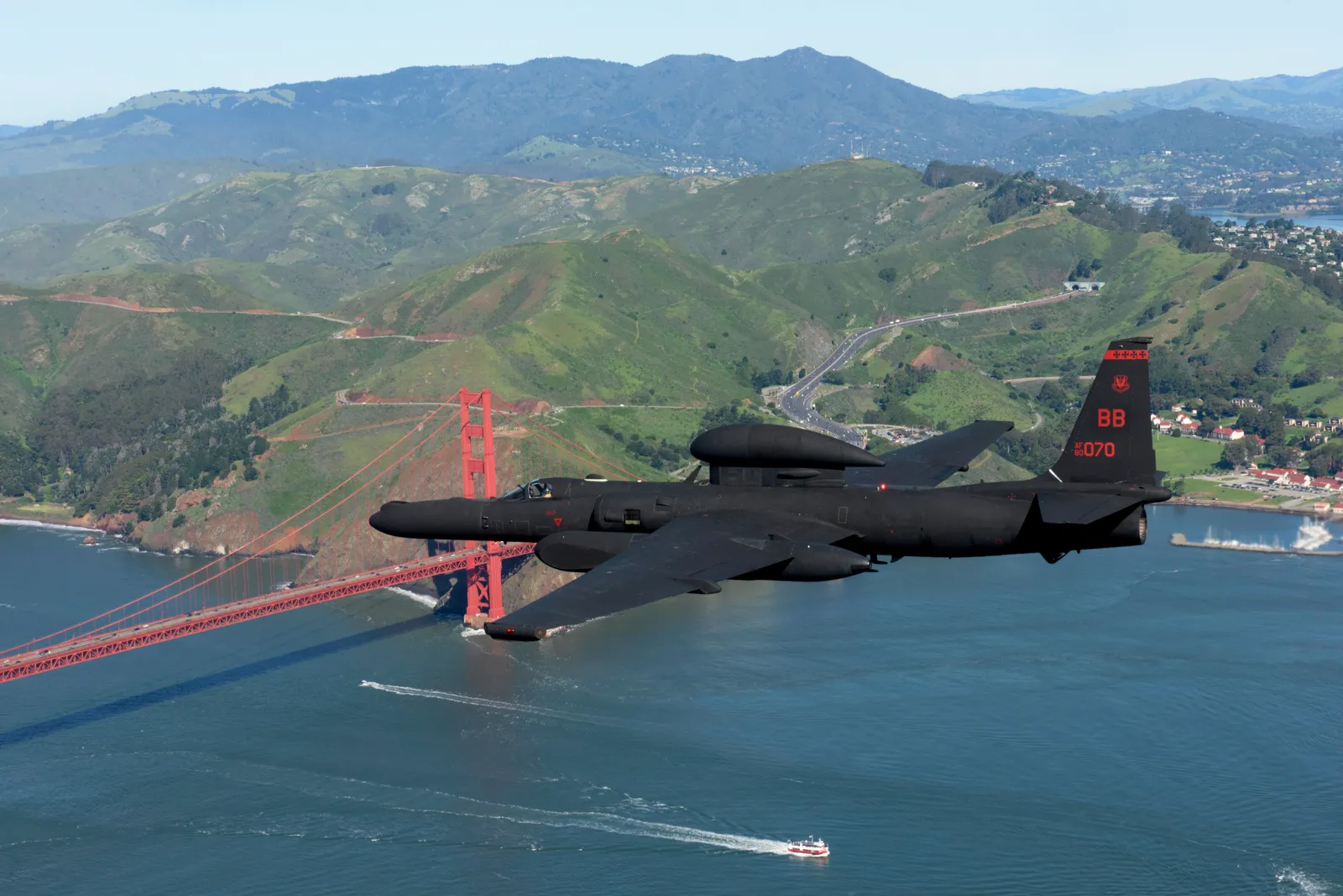
The Lockheed U-2 Dragon Lady is a high-altitude reconnaissance aircraft built by Lockheed Martin Aeronautics' Skunk Works for imagery, signals, electronic, and measurement intelligence. First flown in 1955, it moved from covert Cold War overflights into wartime ISR over Vietnam, the Gulf, Kosovo, Afghanistan, Iraq, and later U.S.-Iran operations, with modern U-2S aircraft using the GE F118 engine and large modular sensor payloads.
During the 1955 Vietnam War, CIA and U.S. Air Force U-2s flew over Cambodia, Laos, North Vietnam, and South Vietnam to detect Viet Cong forces and collect reconnaissance as Southeast Asia operations expanded.
During the 1990 Gulf War, deployed U-2R/TR-1 aircraft flew Desert Shield and Desert Storm sorties from Saudi Arabia; U-2 missions crossed into Iraq, searched for Scud launch sites, supported bomb-damage assessment, and relayed near-real-time imagery.
Role detailsDuring Operation Allied Force, NATO used U-2 ISR assets in Kosovo operations; the Department of Defense after-action report describes U-2 imagery exploitation and lists the aircraft among high-demand collection platforms.
After the September 11 attacks, U-2s supported the 2001 War in Afghanistan by supplying allied ground forces with terrain maps and later continued intelligence flights against insurgents.
Role detailsIn the 2003 Iraq War, U-2s made their largest deployment to that point, with 15 aircraft, 31 pilots, and 169 missions supporting U.S. and coalition operations.
Role details2020 United States-Iran Conflict: U-2 reconnaissance aircraft were used by U.S. Central Command in support of Operation Epic Fury against Iran, according to Air & Space Forces reporting.
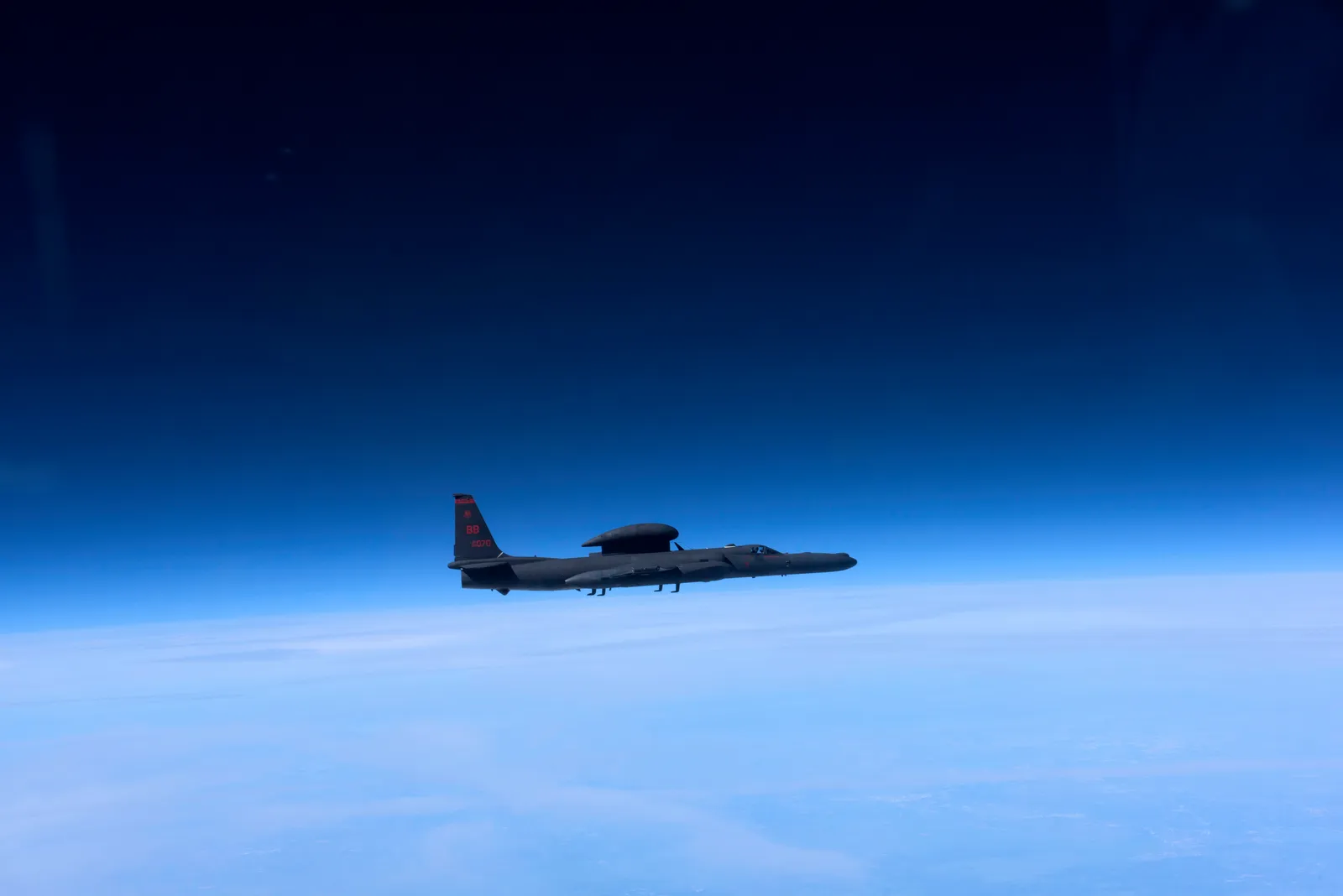
The modern U-2S is a high-altitude ISR aircraft built around long endurance, interchangeable sensor payloads, and rapid transmission of intelligence products to commanders.
The Air Force lists electro-optical infrared, optical bar camera, synthetic aperture radar, signals intelligence, and network-centric communication packages.
Non-film intelligence products can be transmitted by air-to-ground or air-to-satellite links, while film products are processed after landing.
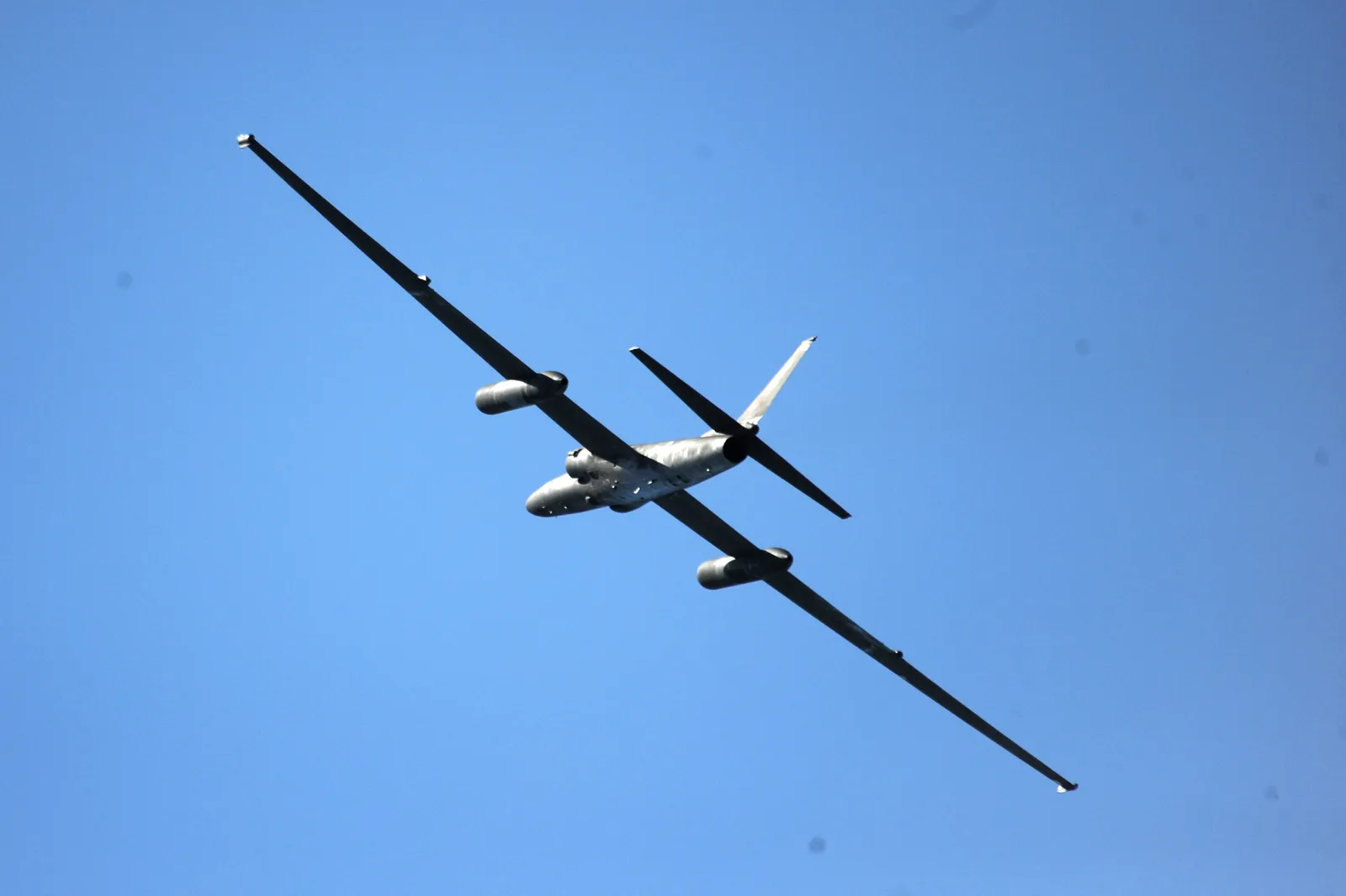
Its glider-like wing, bicycle landing gear, limited forward visibility, and pressure-suit cockpit make landings dependent on chase-car guidance from another U-2 pilot.
The current U.S. Air Force fleet descends from the larger U-2R/TR-1 airframe family; the U-2S designation reflects F118-powered modernization, while TU-2S aircraft train pilots and NASA ER-2s adapt the design for science missions.
| Variant | Configuration | Designation notes |
|---|---|---|
| U-2R | Enlarged reconnaissance airframe | First flown in 1967, the U-2R was larger and more capable than the original U-2A family. Sources: U-2S/TU-2S fact sheet |
| TR-1A | Tactical reconnaissance version | The TR-1A first flew in August 1981 and was structurally identical to the U-2R before later redesignation into the U-2R fleet. Sources: U-2S/TU-2S fact sheet |
| U-2S | Modernized single-seat operational aircraft | Air Force U-2 aircraft were redesignated U-2S after GE F118-101 engine upgrades and wider sensor modernization. Sources: U-2S/TU-2S fact sheet |
| TU-2S | Two-seat trainer | Beale-based U-2 pilots train on two-seat TU-2S aircraft before operational deployments. Sources: U-2S/TU-2S fact sheet |
| ER-2 | NASA high-altitude science derivative | NASA operates Lockheed ER-2 aircraft as laboratories for atmospheric research, Earth resources work, sensor development, satellite calibration, and data validation. Sources: NASA ER-2 aircraft |
The Air Force fact sheet says the original U-2A first flew in August 1955 during the program's secret development phase.
Sources: U-2S/TU-2S fact sheet
The Air Force lists 1956 as the U-2's initial operating capability, marking the start of formal service use.
Sources: U-2S/TU-2S fact sheet
The U-2 photographed Soviet offensive missile buildup in Cuba in October 1962, helping trigger the Cuban Missile Crisis response.
Sources: U-2S/TU-2S fact sheet
After the Vietnam War, the U-2 took on North Korean communications-monitoring missions, showing how the aircraft's intelligence role evolved beyond Southeast Asia.
Sources: Diary of a Spy
The tactical reconnaissance TR-1A first flew in August 1981 and brought the U-2R airframe into a European tactical reconnaissance role.
Sources: U-2S/TU-2S fact sheet
During Desert Storm, a SYERS-equipped U-2 crossed into Iraq on 17 January 1991 as U-2 operations shifted from preparation to wartime reconnaissance.
Sources: The U-2 in Desert Storm
Air Force U-2 aircraft were redesignated U-2S after the transition to the GE F118-101 engine and associated modernization work.
Sources: U-2S/TU-2S fact sheet
The Iraq invasion became the U-2's largest deployment to that point, with at least 15 jets, 31 pilots, and 169 missions.
Sources: Diary of a Spy