Munitions

Sejjil ballistic missile

Also known as
  • Sejil
  • Sejil-2
  • Sejjil-2
  • Sajjil
  • Sijjil
  • Ashura missile

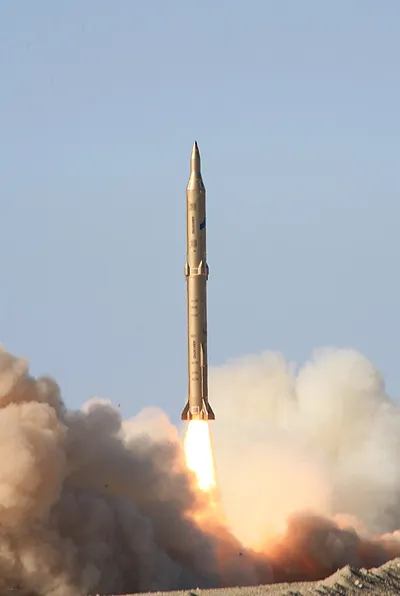
Sejjil is an Iranian two-stage solid-propellant ballistic missile developed under Iran's missile-industrial network and associated with AIO and SBIG. Open-source references give the road-mobile missile an approximately 2,000 km range, and Iranian and Israeli reporting tied Sejjil fire to the June 2025 Israel-Iran missile exchange.

Role in Conflicts

Design Notes

Sejjil matters in Iran's missile inventory because it is a large solid-propellant system rather than another liquid-fueled Shahab-line missile. Solid fuel reduces pre-launch preparation compared with liquid systems, while the two-stage design makes the missile a distinct Iranian medium-range strike system in open-source missile references.

Industrial attribution

Iran Watch connects Sejjil to AIO and reports Sejjil-2 development through SBIG under Sanam Industrial Group supervision.

Conflict-use limit

The conflict row is limited to the June 18, 2025 Sejjil claim and interception report. Broader Iranian missile salvos are not treated as Sejjil use unless a source identifies the missile.

Variant caution

Sejjil-2 is retained as a sourced designation, while Sejjil-3 remains an unconfirmed reported development rather than a fielded variant.
Profile / Specs

Specifications

Class
Medium-range ballistic missile (MRBM)
Range
Approximately 2,000 km in CSIS and Iran Watch references
Payload
500-1,500 kg payload class; CSIS cites a 700 kg warhead at 2,000 km or 1,500 kg at 1,000 km for Sejjil-2
Propulsion
Two-stage solid propellant
Launch platform
Road-mobile transporter-erector-launcher; CSIS describes a 22 m tractor-trailer TEL
Dimensions
About 17.6 m long and 1.25 m diameter in CSIS data
Launch weight
About 23,600 kg in CSIS data
Warhead
High-explosive conventional payloads are publicly described; MIRV claims are source-dependent and not independently confirmed here
Variants

English-language sources vary between Sejil, Sejjil, Sijjil, and Sejjil-2; CSIS treats Sejjil-2 as a reported designation tied to 2009 testing rather than a clearly separate public missile family.

VariantConfigurationDesignation notes
Sejjil / SejilBaseline public designation

Iran Watch describes the 2008 system as a two-stage solid-fuel surface-to-surface missile with a nearly 2,000 km range.

Sources: Iran Watch Missile Milestones

Sejjil-2Improved or later designation

CSIS says Iran referred to a 2009 Semnan test as Sejjil 2, while Iran Watch links reported Sejjil-2 development to SBIG under Sanam Industrial Group supervision.

Sources: CSIS Sejjil Missile Threat, Iran Watch SBIG

Sejjil-3Unconfirmed reported development

CSIS describes Sejjil-3 as an unconfirmed report of a possible three-stage, longer-range development rather than a confirmed fielded missile.

Sources: CSIS Sejjil Missile Threat

Missile Family Context

Sejjil sits inside the broader Iranian ballistic-missile record but is useful as a separate page because its solid-fuel, two-stage design and June 2025 Sejjil-specific conflict reporting are source-backed.

Compatible itemItem typeCompatibility evidence
Iranian ballistic missiles, Ballistic missile family, ArtilleryIranian ballistic missilesBroader Iranian ballistic-missile family

CSIS and Iran Watch treat Sejjil as one of Iran's ballistic missiles; this linked family page covers broader Iranian missile use where exact model attribution is not public.

Sources: CSIS Sejjil Missile Threat, Iran Watch Missile Milestones

Timeline

Sejjil ballistic missile Key Events

  1. First Sejjil test reported

    Iran Watch says Iran claimed a successful November 2008 test of the Sejil/Sejjil two-stage solid-fuel missile, while CSIS says the first launch flew about 800 km.

    Sources: Iran Watch Missile Milestones, CSIS Sejjil Missile Threat

  2. Sejjil-2 name appears in testing

    CSIS says Iran referred to a May 2009 Semnan test as Sejjil 2 and describes the launch as a test of improved guidance and navigation.

    Sources: CSIS Sejjil Missile Threat

  3. Displayed with other Iranian ballistic missiles

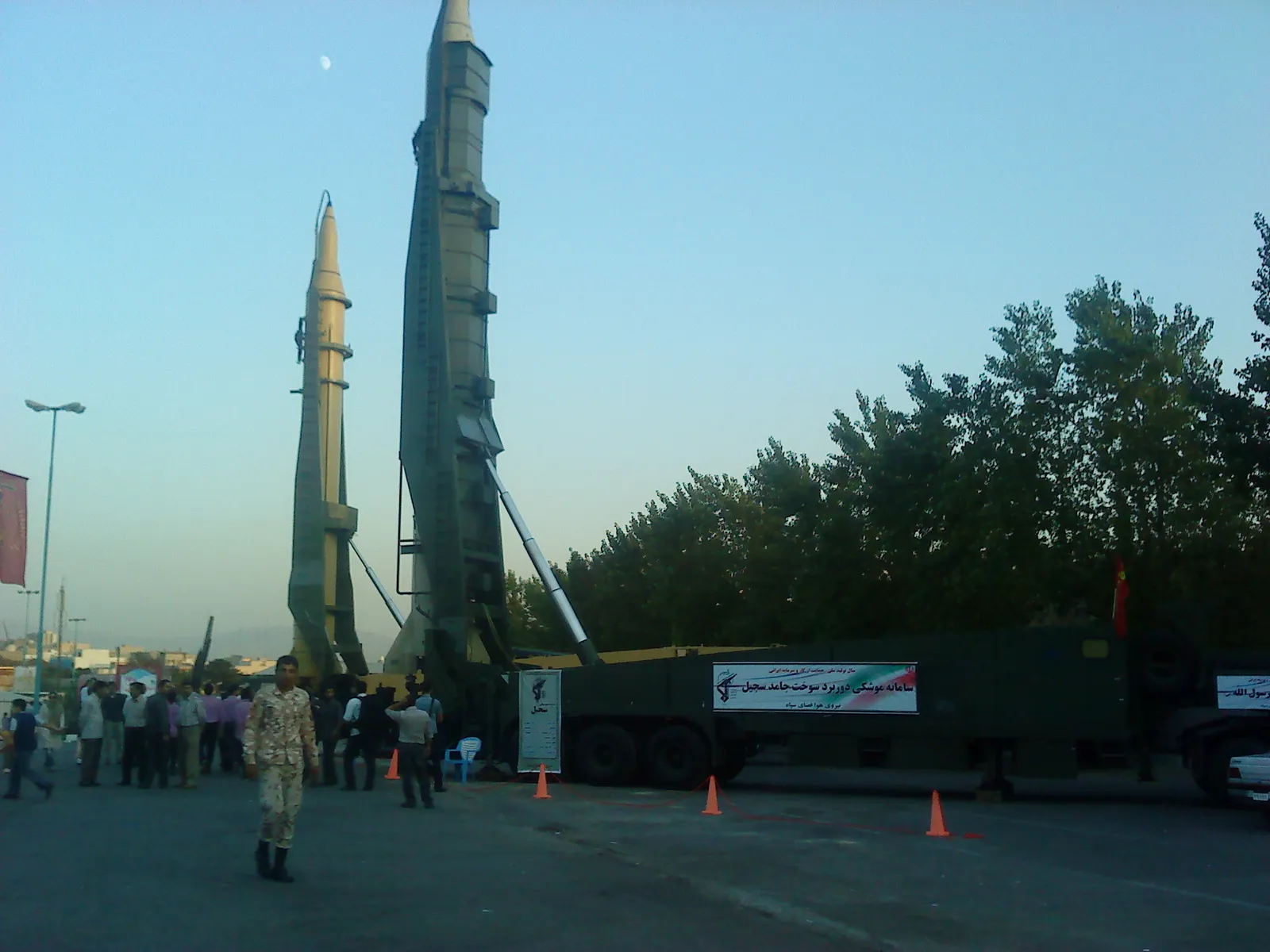
    Iran Watch records Sejil displayed in an April 2010 military parade alongside Shahab-3 and Ghadr/Qadr-1 missiles and identifies the missiles as AIO-developed.

    Sources: Iran Watch Missile Milestones

  4. Sejjil resurfaces in Great Prophet 15 exercises

    CSIS says Sejjil reappeared after about a decade of inactivity when Iran launched it during the January 2021 Great Prophet 15 exercises.

    Sources: CSIS Sejjil Missile Threat

  5. IRGC says Sejjil was fired at Israel

    Press TV reported an IRGC statement saying two-stage Sejjil missiles were used in the twelfth phase of Operation True Promise III, and Times of Israel reported that the IDF intercepted a Sejjil missile fired that evening.

    Sources: Press TV True Promise III Sejjil, Times of Israel Sejjil Liveblog

Media
Related Weapon Systems
Ghadr/Qadr Ballistic Missile, Medium-range ballistic missile, MunitionsMunitionsGhadr/Qadr Ballistic MissileMedium-range ballistic missileThe Ghadr/Qadr family is an Iranian road-mobile medium-range ballistic missile line derived from the Shahab-3, with open-source references using Ghadr, Qadr, Ghadr-1, Ghadr-110, Qadr-H, Qadr-F, Emad, and related labels unevenly across variants. CSIS and Iran Watch describe Ghadr-class missiles as deployed Iranian systems with roughly 1,600-1,950 km range and a payload near 750-800 kg, while Iranian state reporting directly connects Qadr-H/Kheibar, Qadr/Qader, and Emad missiles to long-range strikes in the 2025 Israel-Iran Conflict and 2026 Iran War.

Sources